

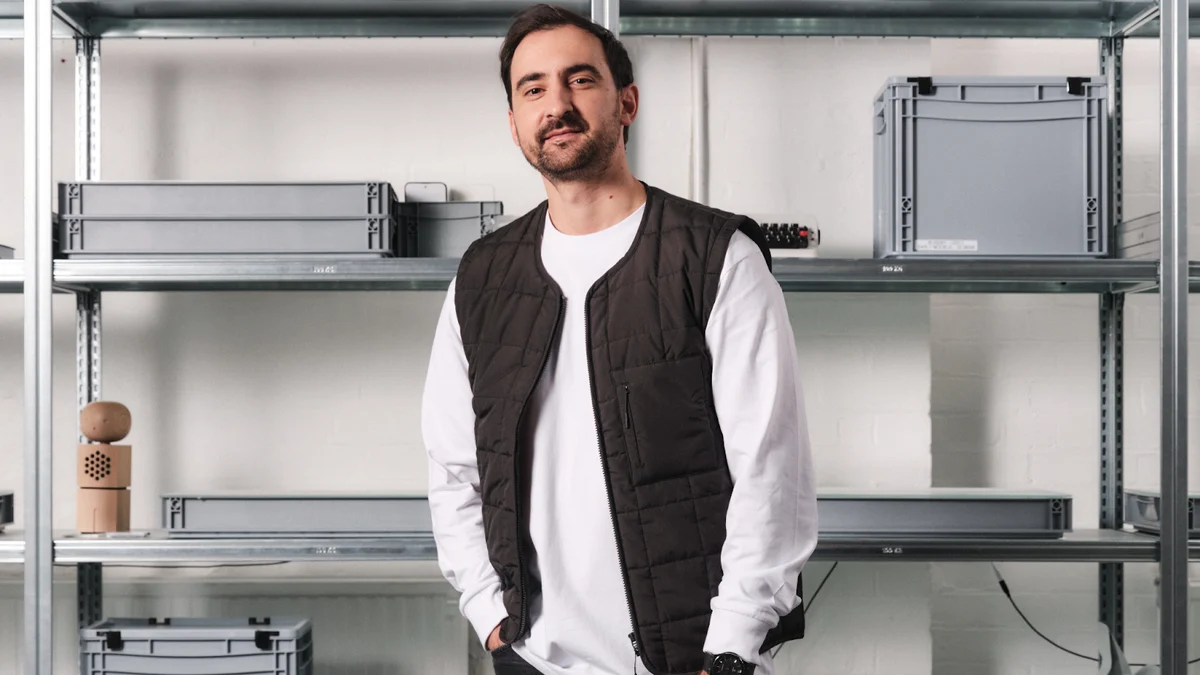
New Delhi, India – July 13, 2026 – In an era marked by unprecedented global supply chain disruptions and relentlessly soaring component costs, particularly in the critical domains of memory and semiconductor chips, the tech industry finds itself at a pivotal crossroads. While many established players grapple with compressed margins and recalibrated pricing strategies, London-based consumer tech innovator Nothing asserts it has engineered a formidable "safety net" to withstand these economic headwinds. Akis Evangelidis, co-founder and India President of Nothing, revealed in an exclusive interview with The Hindu that the company’s strategic foresight, rooted in cultivating robust brand equity and a vibrant ecosystem, has allowed it to navigate these turbulent waters with remarkable resilience.
“You would be foolish not to notice it,” Evangelidis candidly admitted, acknowledging the pervasive challenges. “By focusing heavily on ecosystem development and raw brand equity from day one, we had built a buffer.” This proactive approach, he elaborated, has been instrumental in safeguarding the company’s trajectory even as macroeconomic forces necessitated price adjustments across its product lines. The narrative of Nothing’s journey in India, now completing five years, is not merely one of survival but of strategic adaptation and growth, underpinned by a deep understanding of evolving consumer aspirations and a distinct brand philosophy.
The Unyielding Grip of Supply Chain Disruptions
The global technology landscape has been fundamentally reshaped over the past few years by a confluence of geopolitical tensions, lingering effects of the pandemic, and an insatiable demand for digital devices. This perfect storm has had a particularly acute impact on the semiconductor industry, leading to a chronic shortage of chips—the very lifeblood of modern electronics. Beyond semiconductors, the cost of raw materials, manufacturing, and logistics has spiraled, directly translating into elevated component prices for memory modules, displays, camera sensors, and other crucial smartphone constituents.
For smartphone manufacturers, these escalating costs present a dual challenge: maintaining competitive pricing in a fiercely contested market while preserving profitability. Many brands have been forced to either absorb a significant portion of these increased costs, thereby sacrificing margins, or pass them on to consumers, risking market share. India, a notoriously price-sensitive market, has felt this pinch acutely, with reports indicating an 18% drop in smartphone sales attributed to soaring handset prices. It is against this backdrop of industry-wide vulnerability that Nothing’s strategy emerges as particularly noteworthy, highlighting an alternative pathway to stability and growth.
Engineering a "Safety Net": Brand Equity and Ecosystem as a Buffer
Evangelidis’s assertion of having "engineered a safety net" is more than just corporate rhetoric; it points to a deliberate strategy to build a brand impervious to mere price wars. From its inception, Nothing, spearheaded by OnePlus co-founder Carl Pei, has distinguished itself with a design-first philosophy, prioritizing aesthetic appeal, user experience, and a unique visual identity, most notably its transparent Glyph Interface. This emphasis on distinctiveness over purely specifications-driven competition has fostered a passionate and loyal community around the brand.
“When macroeconomics forced our hand to adjust pricing, our community didn’t abandon us,” Evangelidis affirmed. This loyalty, cultivated through consistent brand messaging, transparent communication, and an unwavering commitment to a cohesive product ecosystem, proved to be Nothing’s most potent defense mechanism. Unlike brands that rely heavily on aggressive pricing or feature-packing to attract transient customers, Nothing’s community is invested in the brand’s vision and identity. This translates into sustained demand, even when price points shift in response to market realities. The company observed its “production centres working around the clock, with logistics teams playing a perpetual game of catch-up just to satisfy the relentless demand for their latest series.” This phenomenon is a testament to the power of strong brand equity – a buffer that allows a company to maintain demand and sales volumes even when its products become marginally more expensive.
Lean Operations in a Volatile Market
Another critical pillar of Nothing’s resilience has been its disciplined approach to inventory management. In an industry often prone to overproduction and the accumulation of unsold stock, Nothing has consciously opted for a lean inventory model. “They were intentionally keeping inventory lean, choosing to chase demand rather than drowning in unsold backlogs,” Evangelidis explained.
This strategy carries multiple advantages, particularly in a volatile economic climate. Firstly, it minimizes capital tied up in inventory, freeing up resources for research, development, and marketing. Secondly, it reduces the risk of obsolescence, a significant concern in the rapidly evolving tech sector. Thirdly, by creating a sense of scarcity and consistently striving to meet demand, it subtly reinforces the desirability of the brand’s products. While this approach can sometimes lead to temporary stockouts, the benefits of agility, reduced financial exposure, and enhanced brand perception evidently outweigh these potential drawbacks for Nothing. It reflects a confident stance, preferring to manage strong demand rather than being burdened by excess supply, a common pitfall for many manufacturers in unpredictable markets.
Expanding Horizons: The ‘b’ Series and Distinct Product Philosophy
Nothing’s strategic evolution in India is further underscored by its recent product launches and a meticulously planned expansion of its product portfolio. The introduction of the Phone 4b marks a significant new chapter, signaling the company’s intent to broaden its market appeal and consolidate its ecosystem.
A New Entry Point: The Philosophy Behind the ‘b’ Series
The Phone 4b represents the debut of Nothing’s new ‘b’ series, designed as an accessible entry point for consumers to experience the brand’s unique aesthetic and integrated ecosystem. This strategic move aims to capture a wider demographic, offering the distinctive Nothing experience at a more approachable price point without diluting the premium appeal of its flagship offerings.
Crucially, Nothing has approached this expansion with a clear and concise product nomenclature, a refreshing contrast to the often-confusing strategies of its competitors. “In a market where competitors routinely confuse buyers with endless, overlapping sub-series, Nothing’s philosophy remained clear; keep the flagship numbering distinct so the consumer always knows exactly what tier of luxury or performance they are buying,” Evangelidis elaborated. This commitment to clarity ensures that consumers can easily differentiate between the flagship ‘Phone’ series (e.g., Phone 1, Phone 2, Phone 3, Phone 4) and the new ‘b’ series. This transparent naming convention not only builds trust but also simplifies the purchasing decision, allowing customers to align their choice directly with their budget and performance expectations, thereby fostering a more positive and less frustrating brand interaction. The ‘b’ series is poised to introduce a new segment of users to the Nothing OS experience, its unique design language, and the burgeoning ecosystem of audio products and accessories, ultimately strengthening the brand’s overall market presence.
Cultivating Unique Retail Experiences
Beyond product diversification, Nothing is also embarking on an ambitious retail expansion strategy in India. Recognizing the enduring importance of physical touchpoints, even in a digitally driven age, the company is actively scouting locations across the country. However, their approach to retail is far from conventional.
“We aren’t interested in copy-pasting the sterile, predictable storefronts of the competitors; we want to build spaces that tell a story,” Evangelidis stated. This vision emphasizes experiential retail, where stores are not just transaction points but immersive brand environments. While many smartphone brands opt for uniform, utilitarian layouts that prioritize product display density, Nothing aims to create architectural spaces that reflect its design philosophy – minimalist, transparent, and innovative. The single existing retail store in Bengaluru serves as a prototype for this vision, offering customers a curated experience that goes beyond merely handling a device. This strategy seeks to deepen customer engagement, allowing them to connect with the brand’s ethos and appreciate the craftsmanship and design nuances of its products in a way that online channels cannot fully replicate. As Nothing expands its physical footprint, each new store is expected to be a unique expression of its brand identity, contributing to a memorable customer journey and reinforcing its premium, differentiated positioning.

Strategic Alliances and Market Penetration in India
Nothing’s ascent in the competitive Indian market has been meticulously orchestrated through strategic partnerships that leverage the country’s unique commercial and cultural landscape. From exclusive online distribution to high-profile sports marketing, these alliances have been instrumental in establishing the brand’s foothold and driving hyper-growth.
The Power of Exclusive Online Partnership with Flipkart
Since its entry into India, Nothing has maintained a steadfast and exclusive online distribution partnership with Flipkart, one of India’s leading e-commerce giants. This decision, while seemingly limiting in a vast market, is a cornerstone of Nothing’s focused operational strategy.
Evangelidis articulated the rationale behind this exclusivity: “Flipkart commands roughly a 70% market share for Android smartphones online in India. In the early stages of hyper-growth, dilution is the enemy. By maintaining a laser-focused, singular online channel, we can maximise our operational energy.” This concentrated approach allows Nothing to dedicate its resources—marketing spend, logistical coordination, customer support—to a single, dominant platform, thereby achieving greater efficiency and impact. Instead of fragmenting efforts across multiple online retailers and potentially diluting brand presence, Nothing has chosen to maximize its leverage with Flipkart, benefiting from its extensive reach, robust delivery network, and targeted marketing capabilities. This exclusive partnership ensures that Nothing products receive prime visibility and promotional support on a platform that is already the go-to destination for a vast majority of Indian Android users, solidifying its online presence and streamlining its supply chain in a critical growth phase.
Leveraging Cultural Touchstones: The RCB Partnership
Beyond e-commerce, Nothing has made a significant foray into cultural marketing through its association with Royal Challengers Bangalore (RCB), a prominent team in the Indian Premier League (IPL). The IPL, India’s premier T20 cricket league, is not just a sporting event but a cultural phenomenon, commanding unparalleled viewership and emotional engagement across the nation.
This strategic sponsorship has proven to be an exceptionally effective vehicle for brand building. Evangelidis highlighted the profound impact: “The sheer volume of non-stop brand impressions during the tournament drove Google Search trends to unprecedented heights and has cemented Nothing into the cultural mainstream, transforming a niche tech darling into a household name.” The IPL’s massive audience, spanning diverse demographics, exposed Nothing to millions of potential customers who might not typically follow tech news. The association with RCB, a team with a passionate fanbase, injected the brand with a sense of identity, excitement, and aspiration. This kind of high-visibility, culturally resonant marketing transcends traditional advertising, allowing Nothing to connect with consumers on an emotional level, integrate itself into popular discourse, and rapidly accelerate its brand recognition and recall in a highly competitive market.
Decoding the Evolving Indian Consumer Landscape
Nothing’s journey in India, now commemorating its fifth anniversary, is not just a tale of corporate strategy but also a deep dive into the evolving psyche of the Indian consumer. The company’s success is intrinsically linked to its ability to identify and cater to a seismic shift in consumer preferences, moving beyond traditional metrics of value.
From "Value-for-Money" to "Identity and Experience"
For decades, the Indian market was largely characterized by a singular focus on "value-for-money." Global tech giants often approached India with a "rigid playbook," Evangelidis observed, where "spreadsheets ruled, and the lowest price tag combined with the highest spec sheet won the day.” This perception pigeonholed India as a market primarily driven by affordability and raw specifications, often at the expense of design, brand narrative, or premium experience.
However, Nothing recognized a profound transformation underway. “But a young generation of Indian consumers is emerging and they are looking for something entirely different,” Evangelidis noted. This demographic, increasingly globalized, digitally savvy, and socially conscious, views their devices as more than mere tools; they are extensions of their identity and lifestyle. “They didn’t just want a device; they carried an identity. They wanted design, differentiation and an experience that felt beautiful. That was the opening Nothing needed.” This insight was crucial. As disposable incomes rise and access to global trends increases, young Indians are willing to pay a premium for products that offer a unique aesthetic, a sense of exclusivity, and a superior user experience that resonates with their personal brand. Nothing’s design-centric approach, coupled with its emphasis on a cohesive ecosystem, perfectly aligned with this emerging desire for tech products that are both functional and fashionable, challenging the long-held "value-for-money" stereotype.
Disrupting a Saturated Market: Nothing’s Design-Led Approach
Nothing’s entry into the Indian smartphone market five years ago was audacious. The landscape was “saturated, predictable, and heavily institutionalized,” dominated by a handful of legacy brands that had carved out formidable market shares through years of aggressive pricing, extensive distribution networks, and established consumer trust. Breaking into such an entrenched market required more than just incremental improvements; it demanded a fundamental redefinition of what a smartphone could be.
Nothing achieved this disruption with its "iconic transparent design" – a bold aesthetic choice that immediately set its products apart. This design, particularly evident in its early phones with the Glyph Interface, acted as a "tipping point," captivating consumers weary of generic black slabs. It wasn’t just a gimmick; it was a statement of intent, signaling a brand that dared to be different. “While competing [against] legacy brands felt the crushing weight of market pressures, Nothing viewed the shifting landscape not with anxiety, but with pure excitement,” Evangelidis recounted. This perspective allowed Nothing to thrive where others struggled, seeing opportunity in the blurring lines of consumer desires. The company recognized that young Indians were increasingly curating their digital and physical lives with a keen eye for aesthetics and personal expression. “Nothing wasn’t just observing this shift; we were actively building the visual language for it,” Evangelidis concluded, positioning the brand not merely as a tech provider, but as a cultural arbiter, crafting devices that resonate deeply with the aspirations of a new generation.
The Road Ahead: Implications and Future Outlook
Nothing’s journey in India, characterized by strategic resilience, innovative product diversification, targeted marketing, and a profound understanding of evolving consumer dynamics, offers valuable insights for the broader tech industry. The company’s ability to create a "safety net" through brand equity and a lean operational model provides a blueprint for navigating future economic uncertainties, demonstrating that a strong brand identity can be as crucial as a competitive price point.
The introduction of the ‘b’ series and its clear product nomenclature reinforces Nothing’s commitment to thoughtful expansion, ensuring accessibility without compromising its core philosophy. Its unique approach to retail, aiming to create experiential "story-telling" spaces, signifies a move towards deeper brand engagement in an increasingly digital world. Furthermore, the strategic choice of an exclusive online partnership with Flipkart underscores the power of focused market penetration, while the high-impact RCB collaboration showcases the efficacy of culturally relevant marketing in a diverse market like India.
Perhaps Nothing’s most significant long-term implication lies in its successful redefinition of the Indian consumer. By challenging the "value-for-money" paradigm and proving that a substantial segment of the market yearns for design, differentiation, and an experience that embodies identity, Nothing has carved out a unique niche. This shift suggests a maturing market where consumers are increasingly sophisticated and discerning, valuing aesthetics and brand narrative as much as, if not more than, raw specifications. As Nothing continues to evolve its ecosystem and expand its footprint, it is poised not only to grow its market share but also to influence broader trends in product design, retail strategy, and consumer engagement, cementing its position as a significant disruptor and innovator in the global tech landscape. Its ongoing journey will be closely watched as it continues to build the "visual language" for a generation that demands more from its technology than just functionality.
