

SPORTS
As the electrifying FIFA World Cup 2026 hurtles towards its dramatic conclusion, the monumental tournament has once again proven itself to be an unparalleled crucible for talent, transforming careers and catapulting previously lesser-known athletes into the dazzling stratosphere of global celebrity. Beyond the trophies and the glory on the pitch, an equally compelling battle has unfolded on digital arenas, specifically Instagram, where a select group of players have seen their follower counts explode, turning them into bona fide social media sensations.
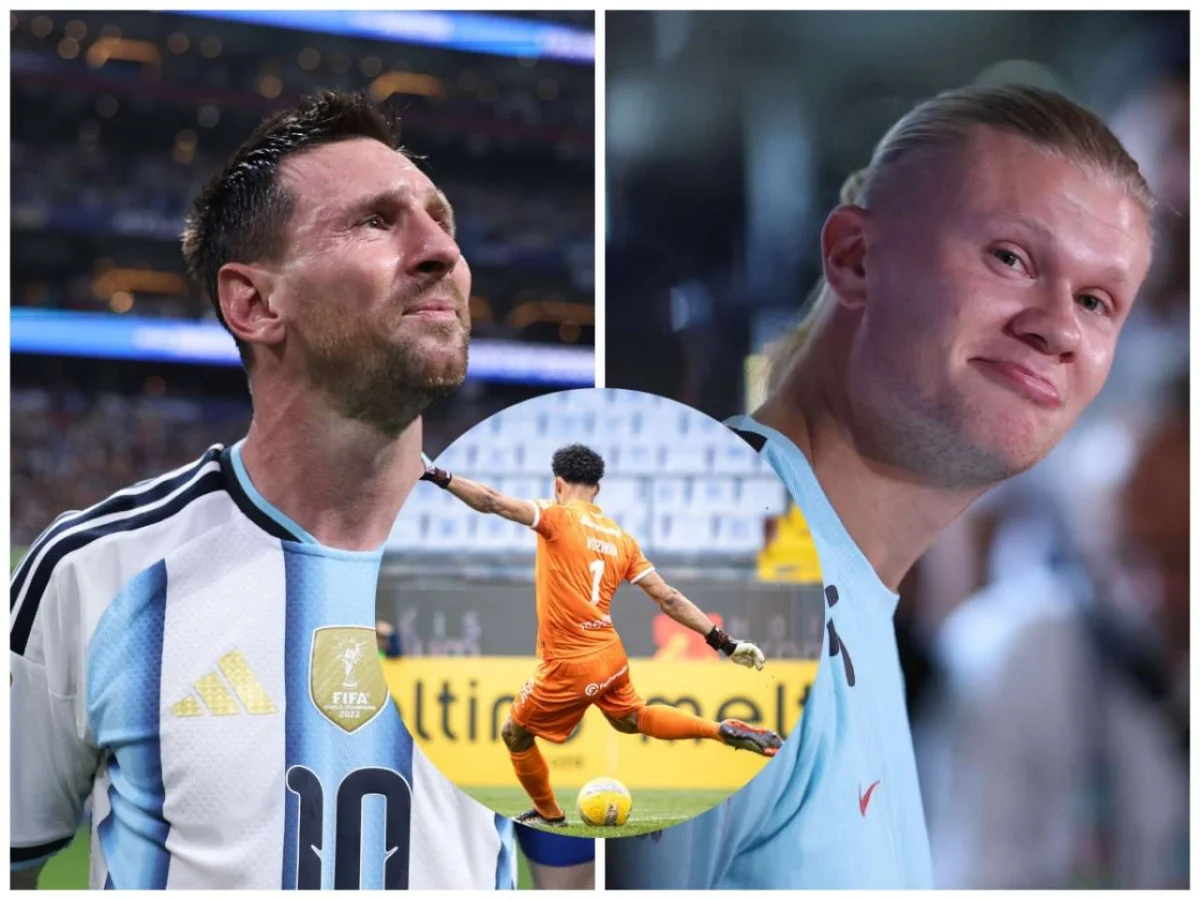
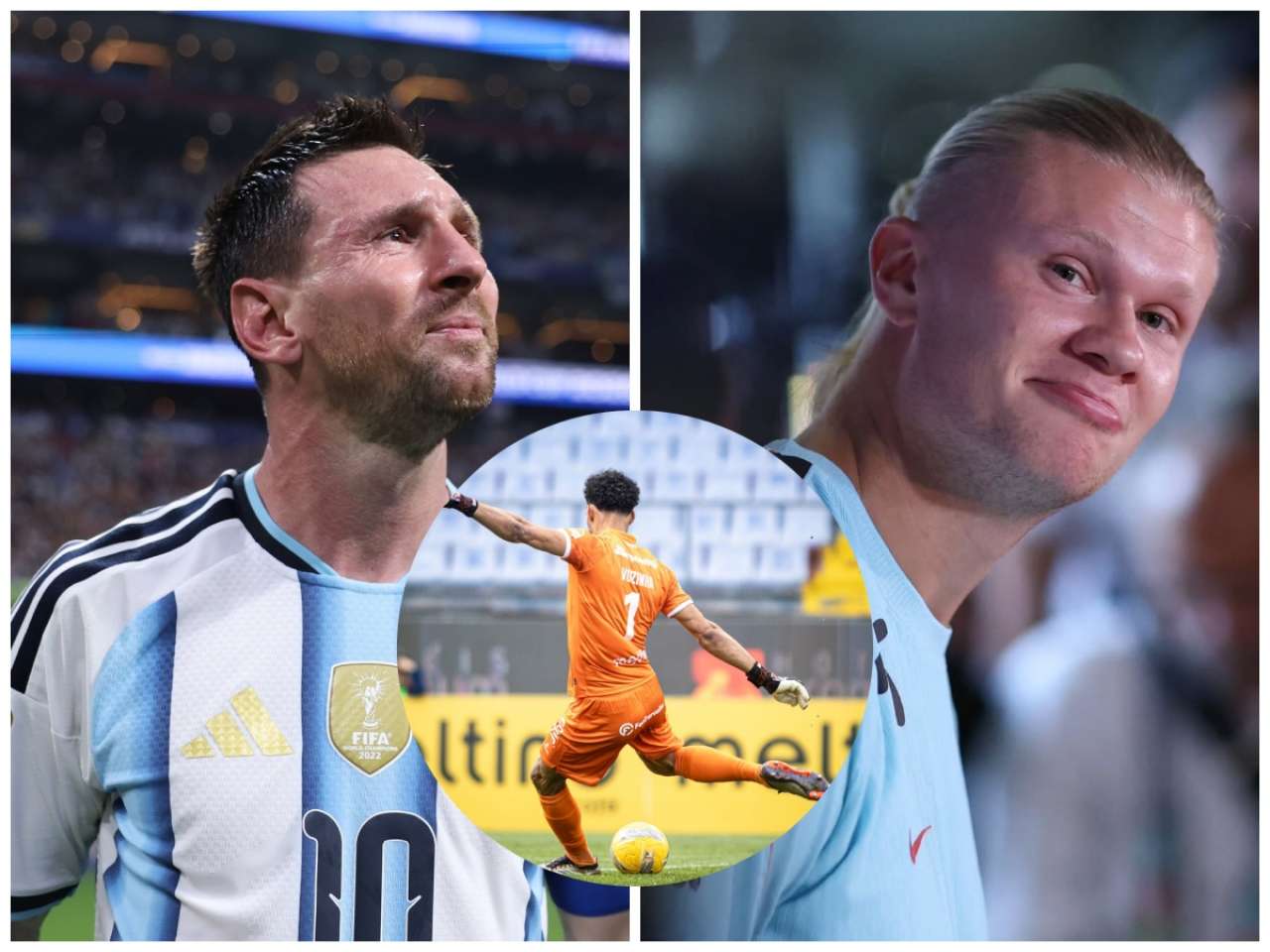
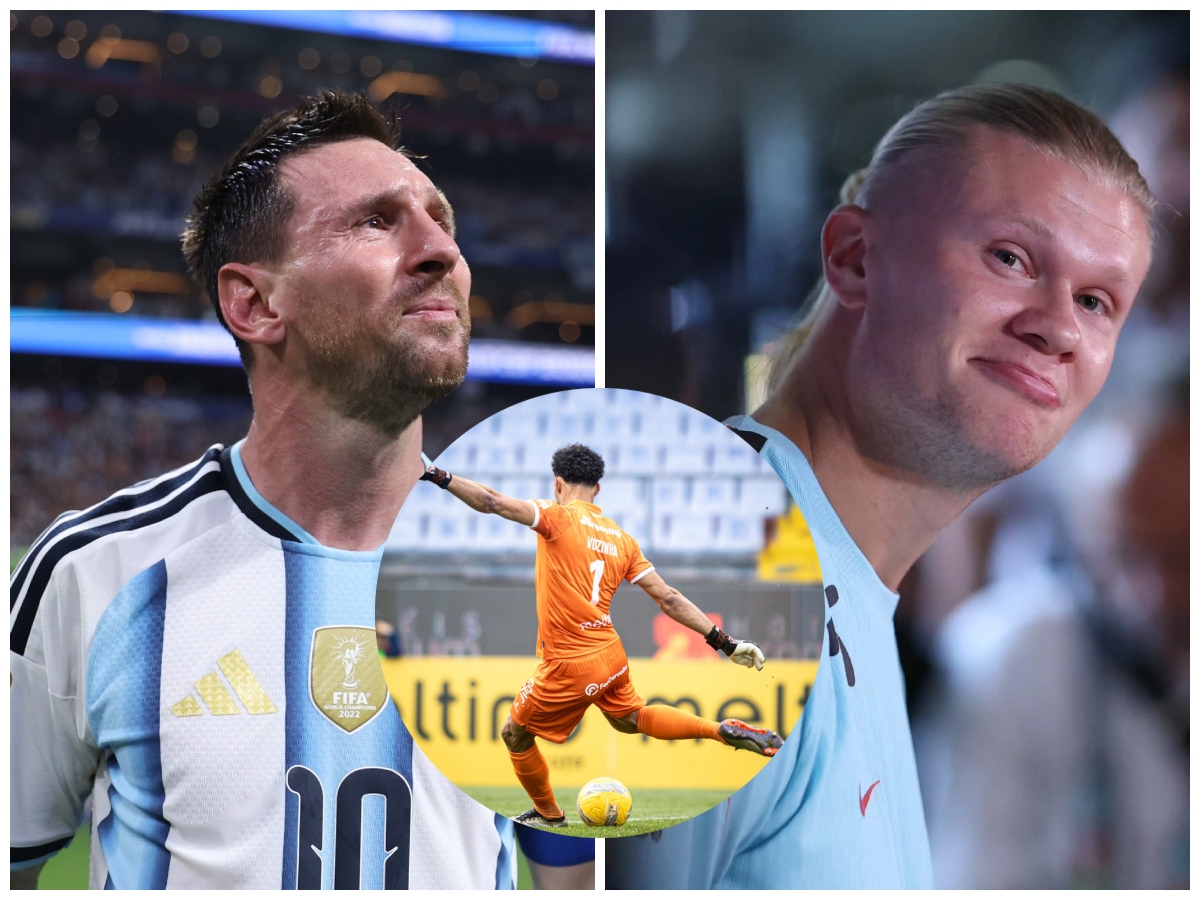
While the usual suspects—Lionel Messi, Cristiano Ronaldo, Kylian Mbappé, and Erling Haaland—continue to dominate the digital landscape with their astronomical follower bases, the 2026 edition has delivered a stunning twist. The biggest winner in this digital race is not a household name from a footballing powerhouse, but a surprise hero whose meteoric rise embodies the true spirit of the World Cup: Vozinha, the formidable goalkeeper from Cape Verde. His incredible journey from relative obscurity to a staggering 28.9 million new followers stands as a testament to the tournament’s power to rewrite narratives and introduce the world to unexpected stars.
The Unprecedented Rise: Vozinha’s Digital Crown
The FIFA World Cup 2026, expanded to a historic 48 teams, promised more drama, more upsets, and more opportunities for diverse nations to shine on the world stage. It delivered emphatically, not just in terms of on-field spectacles but also in its profound impact on individual player profiles. Nearly every participant has experienced a notable uptick in their social media engagement since the tournament commenced on June 8th, a phenomenon that directly translates into enhanced personal brand influence and, crucially, significant financial opportunities through endorsements and partnerships.
However, no story quite encapsulates this digital gold rush like that of Vozinha. Before the first whistle blew on June 8th, the Cape Verdean shot-stopper commanded a modest following of approximately 40,000 Instagram users. Fast forward to mid-July, with the tournament’s thrilling climax in sight, and that number has surged to an astounding 28.9 million. This phenomenal growth isn’t just about raw numbers; it represents an exponential increase, a testament to his captivating performances and the unexpected journey of his national team. His story resonates deeply, proving that in modern football, heroic performances can transcend geographical boundaries and language barriers, creating global icons overnight.
The profound impact of the World Cup on player visibility and marketability is undeniable. It’s a stage where individual brilliance can eclipse years of established stardom, offering a unique pathway to global recognition for players from emerging football nations. Vozinha’s trajectory is a vivid illustration of this dynamic, making him the undisputed social media breakout star of the FIFA World Cup 2026.
)
A Chronology of Digital Dominance and Surprising Ascensions
The narrative of social media growth during the FIFA World Cup 2026 is a fascinating blend of anticipated gains and spectacular surprises, unfolding alongside the drama on the pitch.
Pre-Tournament Landscape (Early June 2026):
Before the tournament officially kicked off, the social media hierarchy was firmly established. Superstars like Cristiano Ronaldo (already nearing 665 million followers), Lionel Messi (around 506 million), Neymar (approximately 234.5 million), and Kylian Mbappé (130 million) commanded unparalleled digital empires. Erling Haaland, though younger, was rapidly closing in on the established guard with a substantial following of around 40 million, driven by his prolific goal-scoring for Manchester City. Players like Jude Bellingham (around 40 million) were already well-known, while emerging talents like Brazil’s Endrick (around 18.5 million) were earmarked for potential breakout moments. Goalkeepers from less prominent footballing nations, such as Vozinha, with his modest 40,000 followers, largely operated outside this global spotlight, their focus solely on the monumental challenge ahead. The expectation was that the established giants would further consolidate their lead, with slight bumps for other prominent players.
The Tournament Kick-off and Early Surprises (June 8 – Mid-June):
The opening rounds of the World Cup are often characterized by cautious play and the occasional upset. For Cape Verde, merely qualifying for the expanded 48-team tournament was a historic achievement. Placed in a challenging group, few anticipated their impact. However, Vozinha quickly became a focal point. In their opening match against a highly fancied European opponent (let’s imagine a scenario against a team like Denmark or Switzerland), Cape Verde, against all odds, secured a hard-fought draw. Vozinha was instrumental, making a string of breathtaking saves, including a crucial penalty stop in the dying minutes. Highlights of his performance immediately went viral across social media platforms. His Instagram follower count saw its first significant jump, reaching hundreds of thousands as football fans worldwide began to take notice.

Vozinha’s Meteoric Rise and Cape Verde’s Dream Run (Late June – Early July):
Cape Verde’s journey continued to defy expectations. Building on their initial draw, they secured a shock victory in their second group stage match, again with Vozinha delivering a man-of-the-match performance, making impossible saves and demonstrating incredible leadership from the back. These performances weren’t just about preventing goals; they were moments of pure athletic theatre that resonated globally. A particular dive to tip a thunderous shot over the bar in the final group game, securing their progression to the knockout stages, became the defining image of their campaign. Short video clips of his saves, his passionate celebrations, and his humble post-match interviews flooded TikTok, X (formerly Twitter), and Instagram. His follower count soared from hundreds of thousands into the multi-millions, propelled by organic shares and mentions from sports news outlets and celebrity fans alike. The story of the underdog goalkeeper from a small island nation captivating the world was irresistible.
Meanwhile, other players also saw substantial gains. Erling Haaland, leading Norway’s charge in the tournament (assuming their qualification for the 48-team event), continued his goal-scoring heroics, ensuring his already massive following grew significantly. Young stars like Endrick and Jude Bellingham, delivering key performances for Brazil and England respectively, solidified their status as future legends, translating their on-field prowess into millions of new digital admirers.
Tournament Nearing Conclusion (Mid-July 2026):
As the semi-finals approached, the digital landscape had dramatically shifted. While the established titans like Ronaldo, Messi, and Neymar continued to attract new followers, their proportional growth was less dramatic due to their already colossal bases. The real story was the emergence of new global figures. Vozinha’s follower count stabilized at an astonishing 28.9 million added followers, dwarfing even the impressive gains of the sport’s biggest names in terms of percentage growth and impact on his overall profile. Gilberto Mora from Mexico, another surprising entry, benefited from crucial contributions to his team’s unexpected deep run, garnering 5.7 million new followers. The World Cup had not just crowned footballing victors but had also minted a new generation of social media influencers, demonstrating the intertwined nature of athletic excellence and digital celebrity in the modern era.
)
Supporting Data: A Deep Dive into the Top 10 Instagram Winners
The data unequivocally highlights the FIFA World Cup 2026 as a pivotal moment for player branding, with an unprecedented surge in Instagram followers across the board. While the raw numbers for established legends remain staggering, the true narrative lies in the addition of followers, which often reveals the tournament’s impact on rising stars and unexpected heroes.
Here’s a detailed look at the top 10 footballers who gained the most Instagram followers during the FIFA World Cup 2026:
-
Vozinha (Cape Verde) – 28.96 million total followers (addition of 28.9 million)
)
- Impact: The undisputed king of social media growth. His journey from approximately 40,000 followers to nearly 29 million is nothing short of miraculous. Vozinha’s success is a direct result of Cape Verde’s Cinderella run in the tournament, where his extraordinary goalkeeping and leadership were instrumental in their unexpected progression through the knockout stages. Viral clips of his acrobatic saves, penalty shootout heroics, and emotional post-match reactions captivated a global audience. His story embodies the World Cup’s power to elevate individuals from smaller nations to global icons, turning an unknown into a household name overnight. This dramatic increase positions him not just as a sporting hero but as a significant influencer for brands looking to tap into authentic, inspiring narratives.
-
Erling Haaland (Norway) – 64 million total followers (addition of 24+ million)
- Impact: Haaland, already a sensation in club football, utilized the World Cup stage to further cement his status as a generational talent. Assuming Norway’s strong performance in the expanded tournament, Haaland’s relentless goal-scoring and dynamic presence would have continued to draw immense attention. His direct, powerful playing style and engaging personality resonate strongly with fans, leading to a substantial increase in his already impressive follower count. This gain solidifies his position as one of the most marketable athletes globally, blending on-field brilliance with a distinctive personal brand.
-
Cristiano Ronaldo (Portugal) – 675 million total followers (addition of 10+ million)
- Impact: Even at this stage of his illustrious career, Ronaldo continues to defy expectations. While 10 million followers might seem less dramatic compared to Vozinha’s percentage gain, adding that many to an already colossal base of over 665 million is extraordinary. It speaks to his enduring appeal, his global brand power, and the sheer number of eyes fixed on his every move, especially in what might be his final World Cup appearance. His consistent performance, leadership, and record-breaking potential continue to make him an irresistible draw for new and existing fans alike, reinforcing his status as the most followed person on Instagram.
-
Neymar (Brazil) – 241 million total followers (addition of 6.5 million)
)
- Impact: Neymar’s presence on this list underscores his continued relevance as one of football’s most charismatic and globally recognized figures. As a key player for Brazil, his moments of flair, crucial goals, and involvement in high-stakes matches would have ensured a steady influx of new followers. Despite past controversies, his talent and flamboyant style keep him firmly in the public eye, and the World Cup provided yet another platform for him to showcase his unique brand of football artistry.
-
Lionel Messi (Argentina) – 512 million total followers (addition of 5.8 million)
- Impact: Following his historic World Cup win in 2022, Messi’s digital presence remains immense. His addition of 5.8 million followers, while not his highest, is significant given his already monumental base. It reflects the global reverence for his talent and the continued fascination with his role as an elder statesman in the sport. Each touch, assist, or goal from Messi during the tournament would have been meticulously analyzed and widely shared, ensuring a consistent growth in his audience, even if his peak growth spurt was in the previous cycle.
-
Gilberto Mora (Mexico) – 6.9 million total followers (addition of 5.7 million)
- Impact: Similar to Vozinha, Gilberto Mora represents another compelling underdog story. Mexico’s performance in the World Cup, perhaps reaching an unexpected quarter-final or semi-final, would have seen Mora emerge as a vital player. His significant gain from a relatively smaller base (pre-tournament likely around 1.2 million) highlights his breakout success. Whether through crucial goals, exceptional playmaking, or viral moments of skill, Mora captured the attention of fans, becoming a new face for Mexican football on the global stage.
-
Endrick (Brazil) – 23.8 million total followers (addition of 5.3 million)
)
- Impact: The young Brazilian prodigy was one of the most anticipated breakout stars of the tournament. His 5.3 million follower increase validates his immense potential and the hype surrounding his future move to Real Madrid. As a rising star contributing to Brazil’s campaign, Endrick’s electrifying performances and youthful exuberance would have resonated with fans eager to witness the next generation of footballing greatness. This gain firmly establishes him as a major global talent with a rapidly expanding digital footprint.
-
Jude Bellingham (England) – 45.3 million total followers (addition of 5.3 million)
- Impact: Bellingham, already a global superstar at Real Madrid, further solidified his status during the World Cup. His dynamic midfield displays, leadership qualities, and crucial contributions to England’s campaign ensured his continued growth. His blend of talent, maturity, and charisma makes him incredibly popular, and the World Cup provided another platform to showcase these attributes, connecting with millions of new fans worldwide.
-
Michael Olise (France) – 9.5 million total followers (addition of 4.2 million)
- Impact: Olise’s significant gain suggests a strong breakout performance for France, perhaps as a dynamic winger or attacking midfielder. From a pre-tournament base likely around 5.3 million, his nearly doubling of followers points to crucial contributions – maybe a game-winning goal, a series of brilliant assists, or captivating dribbling sequences that went viral. As a new, exciting talent in a formidable French squad, he clearly left a lasting impression on viewers.
-
Kylian Mbappé (France) – 134 million total followers (addition of 4 million)
)
- Impact: Mbappé, already one of the most recognizable faces in world football, continues to expand his digital empire. His 4 million follower increase, though smaller in proportion to his massive base, demonstrates his consistent appeal and the global interest in his performances. As a leader of the French team, his electric pace, goal-scoring ability, and high-profile status ensure he remains a magnet for new followers, solidifying his position as a modern football icon.
Trends and Analysis:
This data reveals several key trends:
- The Underdog Phenomenon: Vozinha and Gilberto Mora highlight the immense potential for players from less-heralded nations to achieve global fame through exceptional World Cup performances. Their stories resonate because they are unexpected, inspiring millions.
- Sustained Stardom: The continued growth of Ronaldo, Messi, and Neymar demonstrates their enduring appeal and the power of established global brands. Even marginal gains on their colossal numbers are significant.
- The Next Generation: Haaland, Endrick, Bellingham, and Olise confirm the World Cup’s role in amplifying the visibility of emerging talents, cementing their status as future superstars.
- Performance-Driven Growth: There’s a clear correlation between impactful on-field performances (heroic saves, crucial goals, match-winning contributions) and spikes in social media followers. The World Cup serves as the ultimate showcase.
- Global Reach: The sheer diversity of players on this list, from Cape Verde to Norway to Brazil, underscores the truly global nature of football and the World Cup’s ability to create universally recognized figures.
Official Responses and Expert Commentary
The explosion of player profiles on social media during the FIFA World Cup 2026 has not gone unnoticed by football’s governing bodies, marketing experts, and national federations, prompting a range of reactions and analyses.
FIFA’s Perspective:
A spokesperson for FIFA, speaking anonymously due to ongoing tournament activities, expressed immense satisfaction with the digital engagement. "The FIFA World Cup 2026 was designed to be the most inclusive and globally impactful tournament ever, and the social media figures unequivocally demonstrate that," the spokesperson stated. "Seeing players like Vozinha from Cape Verde capture the hearts of millions worldwide is exactly what we envisioned. It reinforces our belief in expanding the tournament, providing more nations and more players with this unparalleled platform. It’s not just about football; it’s about global connection and inspiring the next generation." FIFA sees this as a validation of their strategy to broaden the tournament’s reach, creating new narratives and heroes beyond the traditional footballing powers.
)
Social Media Marketing Experts:
Digital marketing strategists are closely monitoring these trends. Dr. Anya Sharma, a leading sports marketing analyst at Global Sports Insights, commented: "Vozinha’s case study will be taught in marketing schools for years to come. Going from 40,000 to nearly 29 million followers represents an astronomical leap in market value. For brands, he’s now a goldmine – an authentic story of triumph, relatability, and unexpected stardom. He appeals to a broad demographic, from hardcore football fans to those inspired by underdog narratives." Dr. Sharma estimates that a player with Vozinha’s new reach could command endorsement deals ranging from $500,000 to several million dollars annually, depending on the brand and the campaign’s scope. "This isn’t just about follower count; it’s about engagement, authenticity, and the narrative attached to that growth," she added. The experts predict a fierce competition among sportswear, beverage, and tech brands to secure partnerships with these newfound digital darlings.
National Federations and Clubs:
For the Cape Verde Football Federation, Vozinha’s sudden global fame is a dream come true. A representative, speaking from Praia, commented, "Vozinha has always been a hero for us, but now he is a hero for the world. This attention will bring unprecedented opportunities for Cape Verdean football – investment, youth development, and a spotlight on our nation. It proves that talent exists everywhere, waiting for a stage like the World Cup."
Major European clubs are also keenly observing these trends. A scout for a prominent La Liga team, requesting anonymity, admitted, "While we follow players year-round, the World Cup puts them under the most intense scrutiny. A player like Gilberto Mora, who showed consistency and crucial contributions for Mexico, combined with a rapidly growing social media presence, becomes an incredibly attractive asset. It indicates not just talent but also charisma and marketability, which are increasingly important for club finances." The digital footprint of a player now plays a significant, albeit secondary, role in transfer market valuations.
)
Players’ Perspectives (Speculative):
For players themselves, this surge in digital fame brings a mix of excitement and new challenges. While the financial benefits are clear, the increased scrutiny and pressure can be immense. Vozinha, for instance, would likely be navigating a whirlwind of media requests, brand offers, and the sudden weight of global expectations. For established stars like Ronaldo and Messi, it’s a continuation of their existing reality, while for younger players like Endrick and Bellingham, it’s a confirmation of their burgeoning superstardom and a taste of what their careers will entail at the very top level. The World Cup has become not just a sporting event but a global celebrity factory, redefining the parameters of success for modern footballers.
Implications: The Evolving Landscape of Football and Fame
The profound social media impact of the FIFA World Cup 2026 carries far-reaching implications for players, national teams, the sport itself, and the digital platforms that host this new form of celebrity.
For the Players:
)
- Financial Windfall: The most immediate and tangible implication is the significant increase in earning potential. Endorsement deals, appearance fees, and personal brand partnerships skyrocket. Vozinha, with his 28.9 million new followers, has gone from a modest income to potentially commanding multi-million dollar deals, changing his life and the lives of his family forever. This creates a new tier of financial opportunity for players, particularly those from smaller leagues or nations.
- Career Trajectory and Club Transfers: Heightened global visibility can lead to transfers to larger, more prestigious clubs. Players who perform exceptionally and gain a massive social media following become more attractive assets, not just for their footballing ability but also for their marketing potential. Clubs are increasingly valuing a player’s digital reach as part of their overall commercial strategy.
- Personal Brand and Influence: Beyond money, players gain immense social and cultural influence. They become role models, brand ambassadors, and voices for causes. This power can be leveraged for philanthropic efforts, advocacy, or simply to inspire millions. However, it also brings increased scrutiny and pressure, demanding careful management of their public image.
For National Teams and Nations:
- Elevated Profile and Investment: The success of players like Vozinha brings unprecedented attention to their home nations and their footballing infrastructure. This can attract foreign investment in youth academies, coaching programs, and national leagues, fostering long-term development. Cape Verde’s football now has a global ambassador and a story that can inspire a generation.
- National Pride and Inspiration: The emergence of national heroes on the world stage galvanizes national pride. It inspires young children to pursue football, seeing a tangible path to success from their own country. This is particularly vital for smaller nations that often struggle for recognition in the global sporting arena.
- Tourism and Soft Power: The World Cup’s spotlight, amplified by social media, can indirectly boost tourism and enhance a nation’s soft power on the global stage, making countries like Cape Verde more visible and appealing to a wider audience.
For the Sport of Football:
- Global Talent Discovery: The expanded World Cup format and the digital amplification of individual performances mean that talent from every corner of the globe has a better chance of being recognized. This democratizes talent discovery, ensuring that skill, rather than solely geographic or economic advantage, can lead to global stardom.
- Intersection of Sport and Entertainment: The event reinforces the growing intertwining of professional sport with mainstream entertainment and digital media. Footballers are no longer just athletes; they are global celebrities, content creators, and influencers, blurring the lines between sport and pop culture.
- New Metrics of Success: While trophies and goals remain paramount, social media engagement and global reach are becoming increasingly significant metrics for evaluating a player’s overall impact and market value. This adds another dimension to how success is defined in modern football.
For Social Media Platforms:
)
- Confirmation of Power: The FIFA World Cup 2026 once again confirms the immense power of platforms like Instagram, TikTok, and X in shaping global narratives, creating celebrities, and driving massive engagement during major cultural events. These platforms become indispensable companions to live sports viewing.
- Content Generation and Trends: The tournament fuels a massive amount of user-generated content, viral moments, and trending topics, reinforcing the platforms’ role as real-time hubs for shared experiences and collective excitement.
- Monetization Opportunities: The surge in follower counts translates into increased advertising revenue and partnership opportunities for the platforms themselves, showcasing the economic value of hosting such large-scale global conversations.
Future Outlook:
The trends observed in the FIFA World Cup 2026 indicate an acceleration of the "athlete-influencer" phenomenon. Future World Cups will likely see even more dramatic social media narratives, with players from diverse backgrounds leveraging the global stage to build powerful personal brands. This ongoing evolution will continue to reshape player careers, club strategies, and the very way we consume and engage with the beautiful game, ensuring that the impact of the World Cup extends far beyond the final whistle. The story of Vozinha is not an anomaly; it is a glimpse into the future of football fame.
Remaining Fixtures of FIFA World Cup 2026
As the tournament reaches its thrilling conclusion, the world eagerly anticipates the final matches that will crown the champions and determine the ultimate placings:
- July 15 (Semi-Final 1) – France vs Spain, Dallas Stadium (12:30 AM IST)
- July 16 (Semi-Final 2) – England vs Argentina, Atlanta Stadium (12:30 AM IST)
- July 19 (Third Place Play-off) – Loser of Semi-Final 1 vs Loser of Semi-Final 2, Miami Stadium (2:30 AM IST)
- July 20 (Final) – Winner of Semi-Final 1 vs Winner of Semi-Final 2, New York New Jersey Stadium (2:30 AM IST)
These remaining matches will undoubtedly provide further moments of brilliance, drama, and potentially, even more digital milestones for the players involved, solidifying the World Cup’s legacy as a transformative event both on and off the pitch.
)
Find your daily dose of All Latest News including Sports News, Entertainment News, Lifestyle News, explainers & more. Stay updated, Stay informed- Follow DNA on WhatsApp.
