

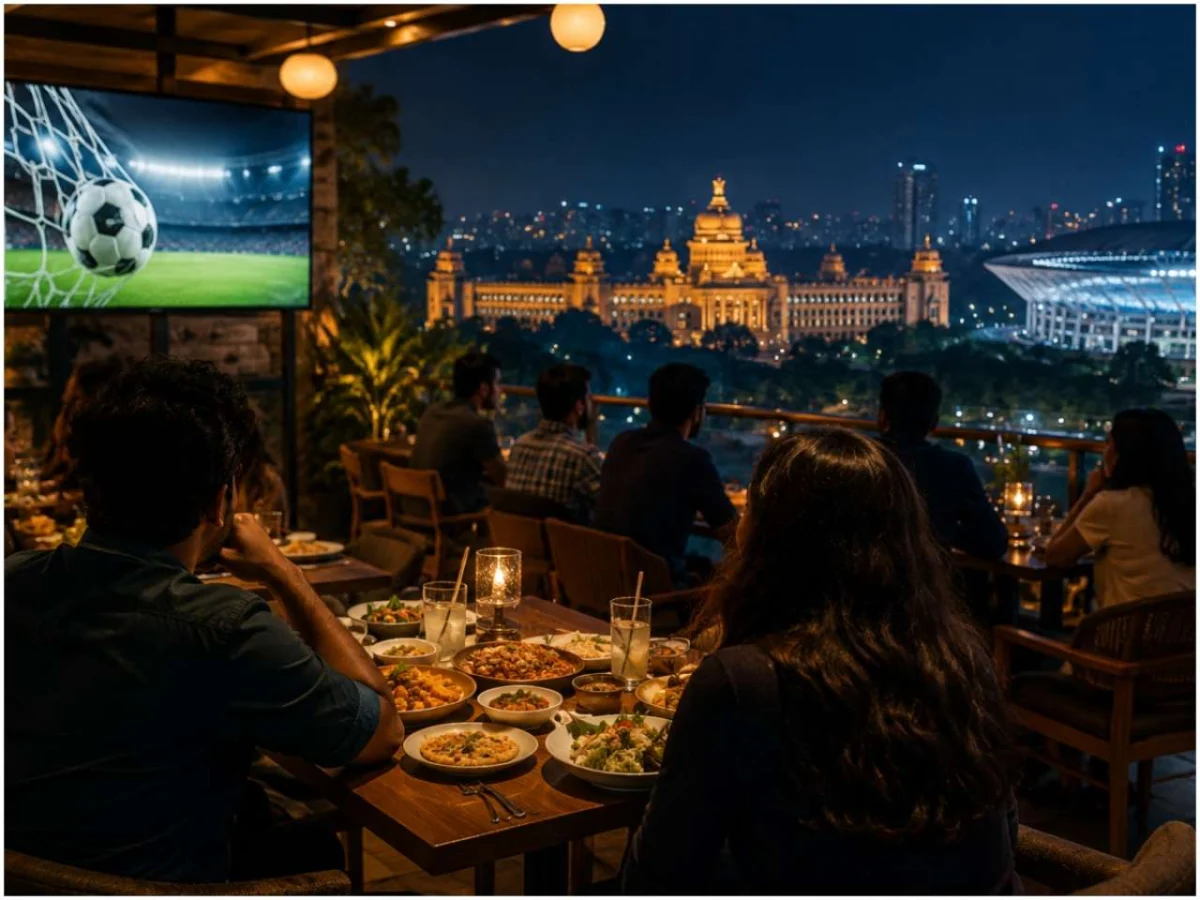
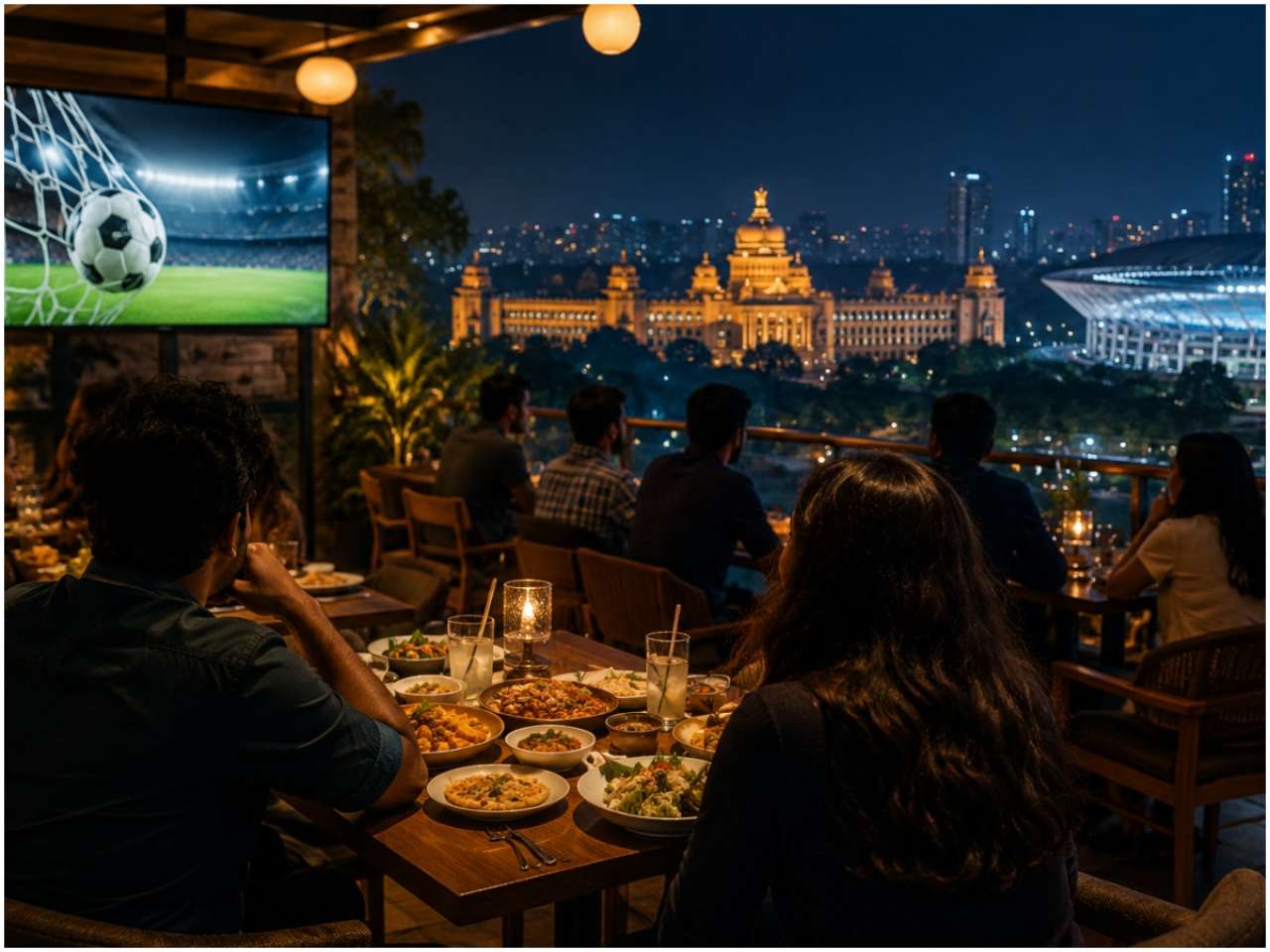
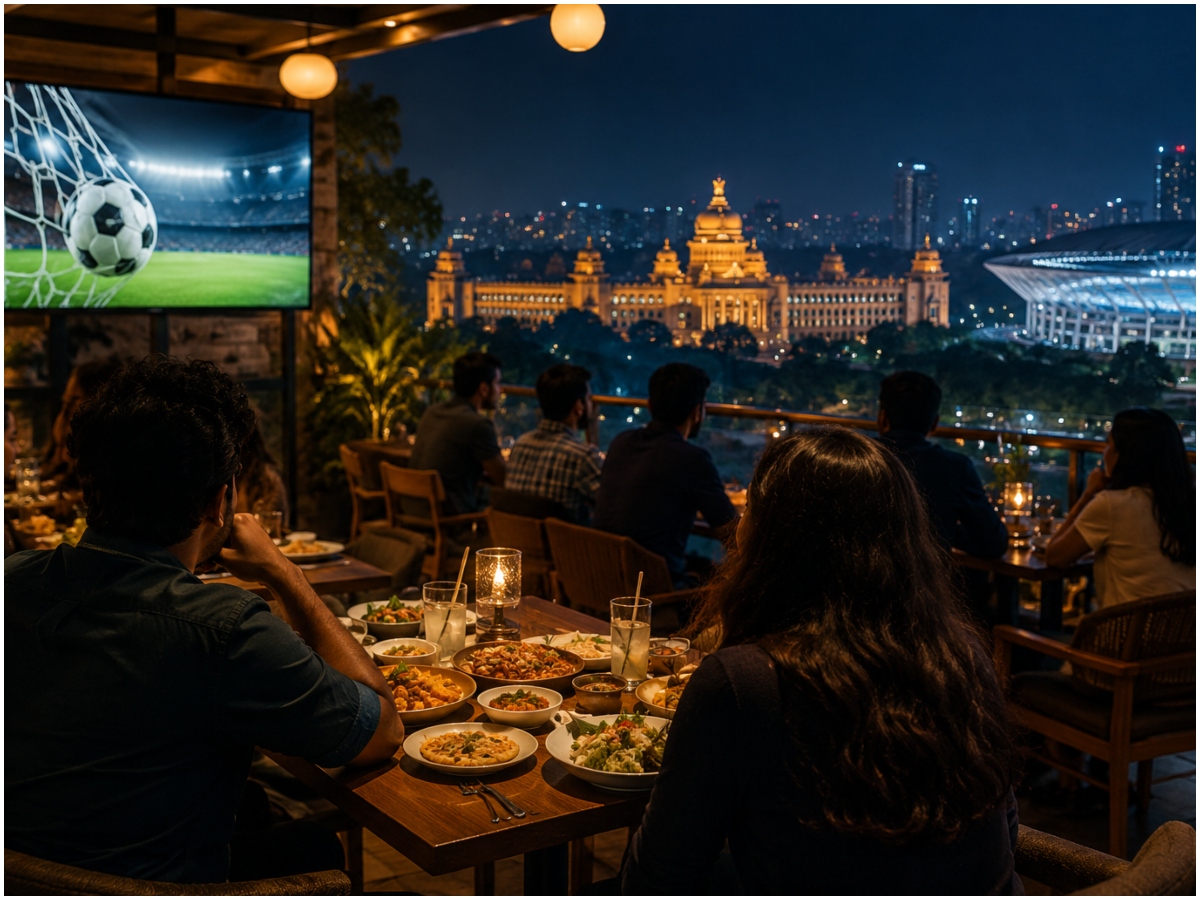
Bengaluru, July 14, 2026 – As the FIFA World Cup 2026 reaches its thrilling crescendo, Bengaluru, India’s vibrant tech capital, is set to experience an unprecedented wave of late-night football fervour. In a landmark decision that underscores the city’s deep-seated passion for the beautiful game, the Karnataka government has announced an extension of food service timings for hotels and restaurants across Bengaluru. This move, championed by Chief Minister DK Shivakumar, will allow establishments to operate until 3:30 AM on select crucial dates, enabling millions of fans to collectively witness the semi-finals, third-place play-off, and the grand final of the global spectacle.
The announcement comes as a significant relief and a welcome boon for both football enthusiasts and the city’s bustling hospitality sector. With key matches slated to kick off well past midnight in Indian Standard Time (IST), the traditional closing hours for eateries posed a considerable challenge for fans eager to catch every moment of the world’s most prestigious football tournament. Now, with the extended hours, Bengaluru is poised to transform into a vibrant hub of communal viewing, shared excitement, and gastronomic delight, solidifying its reputation as a truly global and sports-loving metropolis.
Main Facts: A City Awakens to Global Football
The core of this transformative decision lies in the Karnataka government’s directive to permit hotels and restaurants in Bengaluru to extend their food service operations beyond their usual limits. Specifically, the revised timings will see establishments remain open from 1:00 AM until 3:30 AM on three critical dates: July 14, July 15, and July 19. These dates correspond precisely with the airing of the FIFA World Cup 2026’s most anticipated fixtures in India.
The initiative was formally announced by Karnataka Chief Minister DK Shivakumar, who took to his official X handle to share the news. His statement highlighted the profound inspirational power of football and acknowledged the FIFA World Cup as a global celebration eagerly anticipated by millions. The Chief Minister explicitly stated that the decision was a direct response to a request from the National Restaurant Association of India (NRAI), an influential body representing the interests of the country’s restaurant industry.
)
The extended hours are strategically timed to cover the first semi-final clash, scheduled for July 15 at 12:30 AM IST; the second semi-final, on July 16 at 12:30 AM IST; and the third-place play-off, set for July 19 at 2:30 AM IST. While the official communication from the CM specifically mentioned July 14, 15, and 19, it’s understood that the spirit of the extension is to facilitate late-night viewing of the tournament’s final stages. The grand final, scheduled for July 20 at 2:30 AM IST, implicitly benefits from this relaxed regime, especially as establishments will likely maintain extended hours if the preceding play-off on the 19th sets a precedent for late-night operations.
This governmental green light means that Bengaluru’s myriad eateries, from high-end hotels to popular casual dining spots and cafes, can now cater to the surge of nocturnal football fans, offering not just meals but a complete, immersive viewing experience. The decision aims to foster a celebratory atmosphere while simultaneously ensuring public safety, law and order, and the convenience of citizens remain paramount.

Chronology: The Road to an Extended Celebration
The path to this significant policy shift has been paved by a confluence of factors, primarily Bengaluru’s burgeoning football culture and the logistical challenges posed by international sporting events for Indian audiences.
Early Fan Anticipation and Bengaluru’s Football Passion: Bengaluru has long harboured a passionate, albeit often understated, love for football. While cricket traditionally dominates the Indian sports landscape, the city’s cosmopolitan demographic, large youth population, and a significant expatriate community have cultivated a vibrant football following. Major tournaments like the FIFA World Cup consistently draw large crowds to public screenings and private gatherings. As the FIFA World Cup 2026 approached, hosted across the USA, Canada, and Mexico, anticipation reached a fever pitch, with fans already planning how to navigate the significant time difference.
)
Match Schedule Revelation and Late-Night Dilemmas: The release of the official match schedule confirmed what many Indian fans had dreaded: the most crucial knockout stage games, including the semi-finals and the final, would air deep into the Indian night. A 12:30 AM or 2:30 AM IST kick-off time meant that most commercial establishments, typically bound by 1 AM closing mandates, would be unable to provide a full viewing experience. This created a dilemma for fans: either watch from home, often alone or in small groups, or seek out informal, potentially unregulated, viewing spots.
Hospitality Sector’s Proactive Move: The NRAI’s Request: Recognizing both the immense demand and the potential economic opportunity, the National Restaurant Association of India (NRAI) stepped forward. The NRAI, an apex body representing the Indian restaurant industry, initiated a formal request to the Karnataka government. Their arguments likely centred on several key points:
)
- Economic Revival and Boost: Extended hours would provide a much-needed revenue boost for hotels and restaurants, especially during a period of intense customer demand. This would translate into increased sales of food and beverages, potentially leading to additional shifts for staff and overall economic stimulation for the sector.
- Curbing Informal Gatherings: By providing regulated, safe, and commercially operated venues, the government could help prevent the proliferation of informal or unregulated late-night gatherings, which might pose greater challenges for public safety and order.
- Enhancing Fan Experience: Allowing businesses to remain open would cater to the collective desire of fans to experience the World Cup in a vibrant, communal setting, complete with refreshments and a festive atmosphere.
- Aligning with Global Trends: Many global cities relax regulations for major international events, allowing businesses to capitalize on the unique excitement.
Government Deliberation and CM Shivakumar’s Announcement: The state government, under the leadership of Chief Minister DK Shivakumar, then entered a phase of deliberation. This process involved weighing the economic benefits and public sentiment against potential concerns related to public safety, noise pollution, and law enforcement. The Chief Minister’s subsequent announcement on July 14, 2026, confirmed that the government had favourably considered the NRAI’s request, demonstrating a progressive approach to integrating cultural events with urban policy. His public statement on X not only conveyed the decision but also appealed to citizens to enjoy the matches responsibly, underscoring the government’s commitment to maintaining order while fostering celebration. The positive public reaction that followed, particularly from fans and business owners, was immediate and widespread, indicating the broad support for this initiative.
Supporting Data: The Economic and Cultural Pulse
Bengaluru’s decision to extend its dining hours for the FIFA World Cup 2026 is not merely a logistical adjustment; it’s a profound acknowledgment of the city’s unique socio-cultural fabric and a strategic move to leverage a global event for local benefit.
)
Bengaluru’s Unique Fan Base: The city of Bengaluru stands out in India for its diverse and passionate sports fan base. Unlike many other Indian cities where loyalty is almost exclusively tied to cricket, Bengaluru boasts a significant following for football, tennis, badminton, and other international sports. This is largely attributable to:
- Cosmopolitan Demographics: A large influx of professionals from across India and the globe, many of whom grew up with football as a primary sport.
- Youth Population: A vibrant, tech-savvy youth population that is highly connected to global trends and international sports leagues.
- Presence of Major Clubs: While not directly tied to the World Cup, the success of local football clubs like Bengaluru FC has further cemented the sport’s popularity.
This demographic profile translates into a significant audience for late-night World Cup matches, eager for communal viewing experiences that go beyond the confines of their homes.
)
Economic Projections and Multiplier Effect: The economic impact of this decision is expected to be substantial. Bengaluru is home to thousands of hotels, restaurants, cafes, and pubs, many of which would typically lose out on significant revenue during these late-night hours.
- Direct Revenue Boost: While exact figures are speculative, anecdotal evidence from previous major sporting events suggests that late-night operations can lead to a 20-30% increase in daily revenues for participating establishments on event nights. With potentially thousands of outlets participating, this could translate into millions of rupees in additional sales of food, beverages, and other services over the three designated nights.
- Job Creation/Retention: The extended hours will necessitate additional staff, including waiters, cooks, security personnel, and cleaning staff. This could mean increased shifts for existing employees, overtime pay, and potentially even temporary hiring, providing a much-needed boost to the local employment market.
- Multiplier Effect: The increased activity in the hospitality sector will have a ripple effect across the supply chain. Suppliers of fresh produce, meat, dairy, beverages, and other consumables will see increased demand. Logistics and transportation services will also benefit.
- Tourism and City Image: Such proactive measures enhance Bengaluru’s image as a dynamic, welcoming, and culturally vibrant city, capable of hosting and celebrating international events. This could indirectly attract more tourism and business investment in the long run.
The Communal Viewing Experience: The allure of watching a FIFA World Cup match extends far beyond the game itself. It is a shared cultural experience, a collective expression of joy, despair, and camaraderie.
)
- Atmosphere: Restaurants and pubs offer an atmosphere impossible to replicate at home – large screens, surround sound, collective cheers, and shared excitement.
- Safety and Convenience: For many, particularly young adults and women, watching a match in a well-lit, regulated commercial establishment feels safer and more convenient than gathering in less formal settings or navigating deserted streets after midnight.
- Social Bonding: These gatherings foster social bonding, allowing friends, families, and even strangers to connect over a shared passion, creating memorable experiences.
Security Considerations: To manage the anticipated influx of people, local authorities, including the Bengaluru City Police, are expected to implement enhanced security measures. This would likely involve:
- Increased patrolling in areas with high concentrations of hotels and restaurants.
- Specific traffic management plans to handle post-match congestion.
- Coordination with establishment owners to ensure adequate in-house security and adherence to noise regulations.
- Deployment of emergency services to respond promptly to any untoward incidents.
This holistic approach, encompassing economic opportunity, cultural celebration, and public safety, underpins the significance of the Karnataka government’s decision.
)
Official Responses: Balancing Enthusiasm with Responsibility
The decision to extend Bengaluru’s dining hours has been met with a mix of enthusiastic support from the hospitality industry and football fans, coupled with careful reassurances from government officials regarding public safety.
Chief Minister DK Shivakumar’s Detailed Statement: Chief Minister DK Shivakumar’s public announcement on X was not just a statement of policy but also a reflection of the government’s philosophy. He articulated: "Football inspires millions across the world, and the FIFA World Cup is a celebration that fans eagerly look forward to. Following a request from the National Restaurant Association of India, our government has permitted hotels and restaurants in Bengaluru to extend food service timings from 1.00 am to 3.30 am on July 14, 15, and 19 to facilitate late-night match screenings."
)
Crucially, he added a note of caution and responsibility: "This decision has been taken while ensuring that public safety, law and order, and the convenience of citizens remain our highest priorities. I urge everyone to enjoy the matches responsibly and extend full cooperation to the authorities." This emphasis on "public safety, law and order" is a clear indication that while the government is keen to support public enthusiasm and economic activity, it is equally committed to preventing any negative externalities. The call for "responsible enjoyment" is a direct appeal to citizens to respect public spaces, avoid nuisance, and ensure that the celebration remains harmonious.
National Restaurant Association of India (NRAI) Perspective: The NRAI has naturally expressed profound gratitude for the government’s swift and positive response. A representative from the NRAI, speaking anonymously to the press, highlighted the critical importance of this decision: "This is a tremendous boost for our industry. The World Cup is a global phenomenon, and Bengaluru’s vibrant culture means there’s a huge demand for communal viewing experiences. Extended hours mean our businesses can truly capitalize on this, recover from past challenges, and offer a world-class experience to fans. We are committed to working closely with the authorities, ensuring all safety protocols, hygiene standards, and public order guidelines are strictly adhered to. This decision helps regulate what would otherwise be informal, potentially less safe, late-night gatherings." The NRAI’s commitment to compliance underscores their understanding of the responsibility that comes with such a privilege.
)
Police and Civic Authorities’ Views: While specific statements from the Bengaluru City Police or civic bodies like the Bruhat Bengaluru Mahanagara Palike (BBMP) were not part of the initial announcement, it is understood that they are actively preparing for the logistical challenges. Police officials, speaking off the record, confirmed that contingency plans are being drawn up. "We anticipate increased footfall and vehicular traffic during these extended hours," one official noted. "Our focus will be on maintaining peace, preventing drunken driving, and ensuring that noise levels are kept in check, especially in areas close to residential zones. We will collaborate with restaurant owners to ensure they have adequate internal security and adhere to all stipulated guidelines." This proactive stance by law enforcement is crucial for the successful implementation of the government’s policy.
Local Residents’ Association Feedback: The response from local residents’ associations has been mixed, reflecting the diverse priorities within the community. While some residents appreciate the city’s vibrancy and the economic benefits, others have voiced concerns. A representative from a prominent residents’ welfare association in a central Bengaluru locality commented, "We understand the excitement around the World Cup and the need for businesses to thrive. However, we hope that the authorities will strictly enforce noise limits and ensure that public spaces are not marred by litter or unruly behaviour. Our primary concern is the peace and quiet of residential areas, especially during late-night hours." This highlights the ongoing balancing act required by city administrators to accommodate different stakeholders.
)
The official responses collectively illustrate a carefully considered approach, balancing economic opportunity and public enthusiasm with a steadfast commitment to urban governance and citizen welfare.
Implications: A Glimpse into Bengaluru’s Future
The Karnataka government’s decision to extend dining hours for the FIFA World Cup 2026 carries far-reaching implications, not just for the immediate sporting event but for Bengaluru’s socio-economic landscape and its future urban policies.
)
Boost for the Hospitality Sector and Economic Resilience: This move provides a significant shot in the arm for Bengaluru’s hospitality industry. Beyond the immediate revenue spike, it builds confidence within the sector, signaling a government willing to adapt regulations to support business during unique demand periods. This could contribute to the sector’s long-term resilience and growth, particularly as it continues to navigate the complexities of a dynamic urban economy. It also demonstrates how major global events can be effectively leveraged for local economic benefit.
Enhanced City Image and Global Recognition: By facilitating such a vibrant, collective celebration of a global sport, Bengaluru burnishes its image as a modern, progressive, and globally connected city. This makes it more attractive for international tourists, business travelers, and potentially even future international sporting or cultural events. A city that understands and caters to the passions of its diverse populace, including its late-night owls and sports fanatics, is often perceived as more dynamic and livable.
)
Precedent for Future Events: Perhaps one of the most significant implications is the precedent this decision sets. Could this be a template for future extensions during other major sporting spectacles like the Cricket World Cup, Olympics, or even large-scale cultural festivals? If successful, with minimal disruption to public order, this policy could pave the way for a more flexible regulatory environment, allowing Bengaluru to truly capitalize on major global events and provide enhanced experiences for its citizens.
Challenges and Mitigation Strategies: Despite the overwhelmingly positive reception, the extended hours present several challenges that require careful management:
)
- Noise Pollution: Late-night crowds, especially after exciting matches, can generate significant noise. Effective enforcement of noise limits, particularly in mixed-use areas, will be crucial. Establishments may need to invest in soundproofing or designated outdoor viewing areas away from residential zones.
- Traffic Congestion and Parking: The influx of late-night revelers will inevitably lead to increased traffic and parking demands. The city administration will need to implement smart traffic management, potentially including temporary parking zones or encouraging public transport usage (though late-night public transport options might be limited).
- Waste Management: More activity means more waste. The BBMP will face the challenge of increased litter and waste disposal. Proactive measures, such as additional waste bins and enhanced cleaning schedules, will be necessary to maintain city cleanliness.
- Security Concerns: Larger crowds, coupled with late-night hours and alcohol consumption, can sometimes lead to security incidents. The enhanced police presence and collaboration with establishment security will be vital to prevent altercations and ensure public safety.
- Impact on Workers: While the extensions provide employment opportunities, they also mean longer, unconventional hours for hospitality workers. Ensuring fair wages, adequate breaks, and safe commuting options for staff will be an important consideration for employers.
Socio-Cultural Impact: Beyond the economics, this decision fosters a stronger sense of community and shared identity. In a rapidly urbanizing and often individualistic society, communal viewing of major events provides a rare opportunity for collective experience, promoting social cohesion and shared national (or international, in the case of football) pride. It allows people to bond over a shared passion, irrespective of their backgrounds.
Digital Viewership vs. Communal Viewing: While online streaming platforms like ZEE5 offer convenient at-home viewing, the enduring desire for a shared, energetic, and immersive experience in a public setting remains strong. This policy acknowledges and caters to that fundamental human need for collective celebration, demonstrating that physical spaces for social interaction continue to hold immense value even in an increasingly digital world.
)
The implications of this decision extend far beyond the fleeting moments of the FIFA World Cup. It represents Bengaluru’s evolving identity as a dynamic, responsive, and global city, ready to embrace the future while carefully managing its present challenges.
The Final Whistle: A Spectacle Not to Be Missed
As Bengaluru prepares to welcome the late-night drama of the FIFA World Cup 2026, the stage is set for an unforgettable sporting and cultural spectacle. Football fans across the city, now armed with the freedom to celebrate collectively, are eagerly anticipating the final acts of this global tournament.
)
The remaining fixtures promise edge-of-the-seat action:
- July 15 (Semi-Final 1): France vs Spain, Dallas Stadium (12:30 AM IST) – A clash of European titans, featuring tactical brilliance and individual flair, set to ignite the early hours.
- July 16 (Semi-Final 2): England vs Argentina, Atlanta Stadium (12:30 AM IST) – A rivalry steeped in history, promising a passionate and intense encounter between two footballing giants.
- July 19 (Third Place Play-off): Loser of Semi-Final 1 vs Loser of Semi-Final 2, Miami Stadium (2:30 AM IST) – A battle for bronze, where teams will look to end their campaigns on a high note.
- July 20 (Final): Winner of Semi-Final 1 vs Winner of Semi-Final 2, New York New Jersey Stadium (2:30 AM IST) – The ultimate showdown, where a new world champion will be crowned, capturing the attention of billions worldwide.
For those who prefer to watch from home, all live matches of the FIFA World Cup 2026 can be accessed on Unite8 Sports channels. Additionally, fans can stream live matches on the ZEE5 app and website, provided they have an active subscription with the FIFA pack.
)
However, for a city that thrives on community and collective energy, the extended dining hours offer a unique invitation: to step out, join fellow enthusiasts, and be part of a vibrant, shared experience. With the Karnataka government’s forward-thinking decision, Bengaluru is not just watching the World Cup; it’s living it, proving once again its capacity to blend global trends with local vibrancy, all while upholding its commitment to public welfare. The final whistle of the FIFA World Cup 2026 may signal the end of a tournament, but for Bengaluru, it will also mark the triumph of collective spirit and urban adaptability.
