

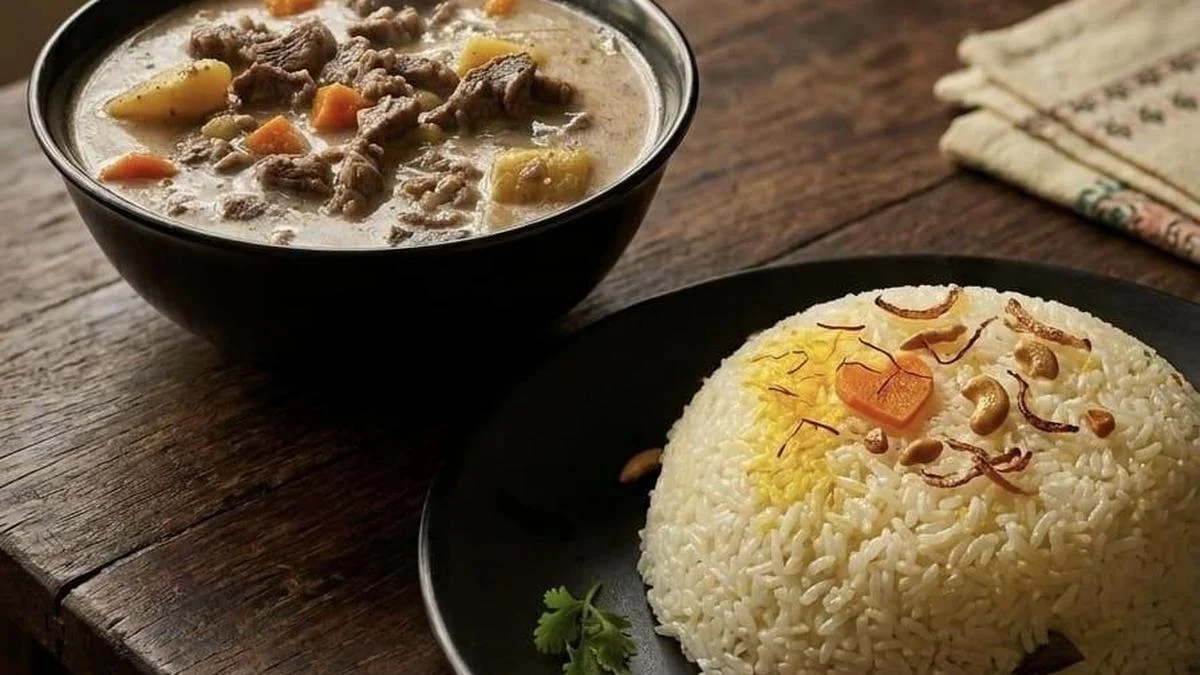
In the bustling streets of Kochi, amid the aroma of roasted coffee and the salty breeze of the Arabian Sea, a quiet culinary revolution is taking place. A dish once relegated to the status of a humble breakfast accompaniment or a festive staple is now claiming center stage. The Kerala stew—locally known as ishtew or ishtoo—is no longer just a side dish for appams; it has evolved into a standalone gastronomic phenomenon, fueling a new wave of dedicated food trucks, cloud kitchens, and specialty restaurants.
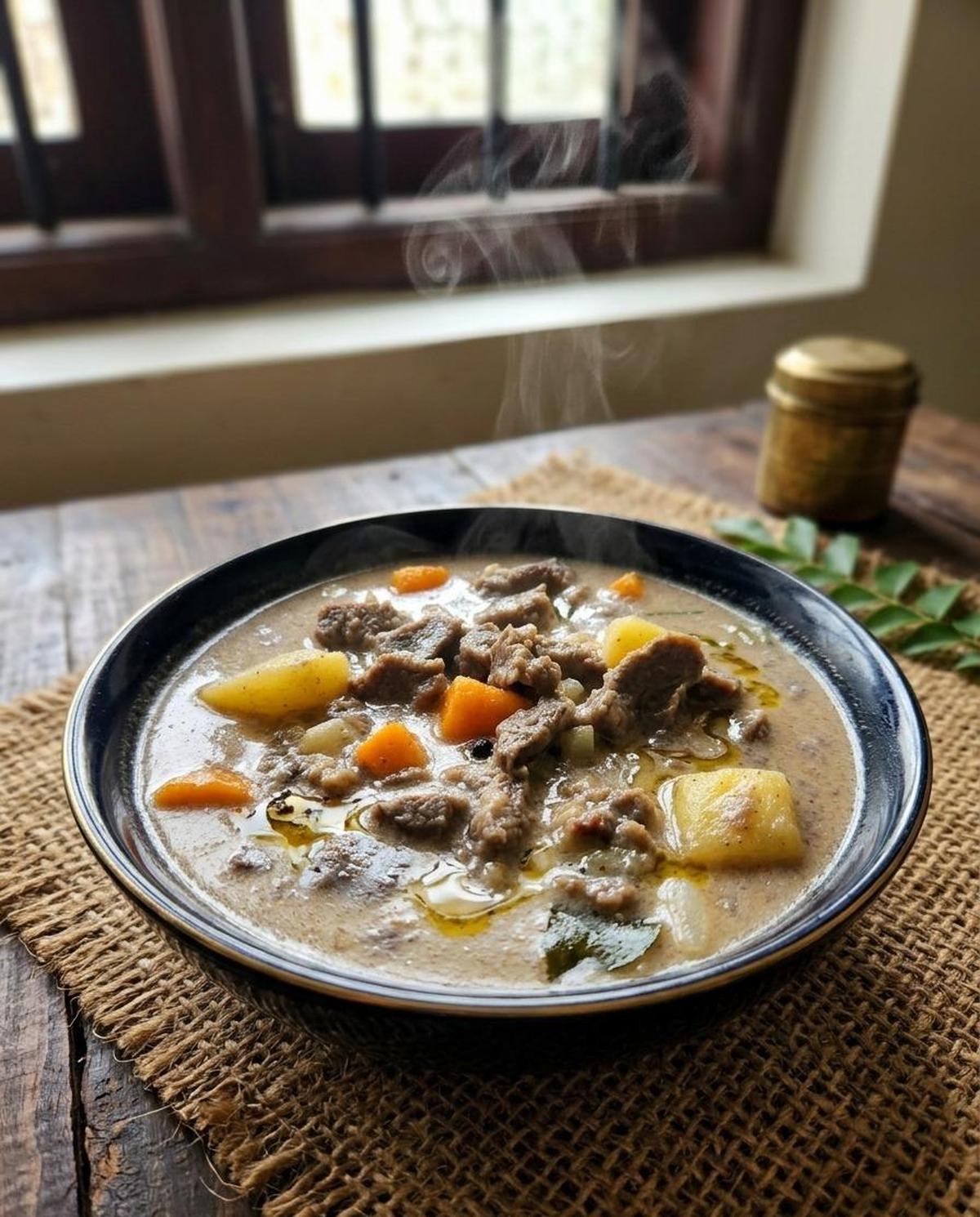
For the average Malayali, a bowl of piping hot chicken stew is more than just a meal; it is an evocative vessel of nostalgia. The subtle flavors of a light, spice-tinged gravy, the richness of fresh coconut milk, and the tender bite of cubed potatoes and carrots carry the weight of generations of Sunday breakfasts and celebratory feasts. Today, that nostalgia is being commercialized and celebrated in equal measure, reflecting a broader trend of regional culinary pride in Kerala’s urban centers.
I. Main Facts: The Rise of the Standalone Stew
The traditional Kerala stew has historically been part of a "combo." Whether paired with lacy, fermented rice crepes (appams), steamed bread, or puttu (steamed rice cakes), the stew was the supporting actor. However, recent market shifts in Kochi indicate that the stew has attained "hero" status.
The Food Truck Phenomenon
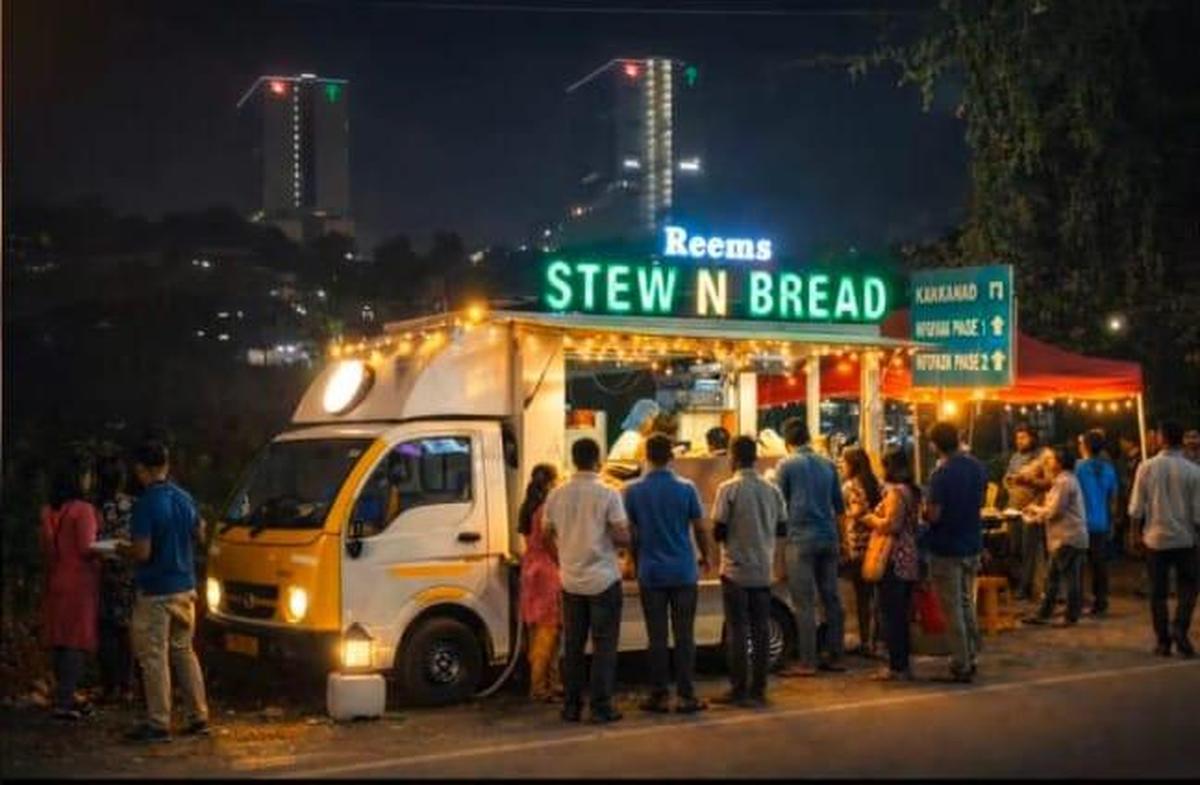
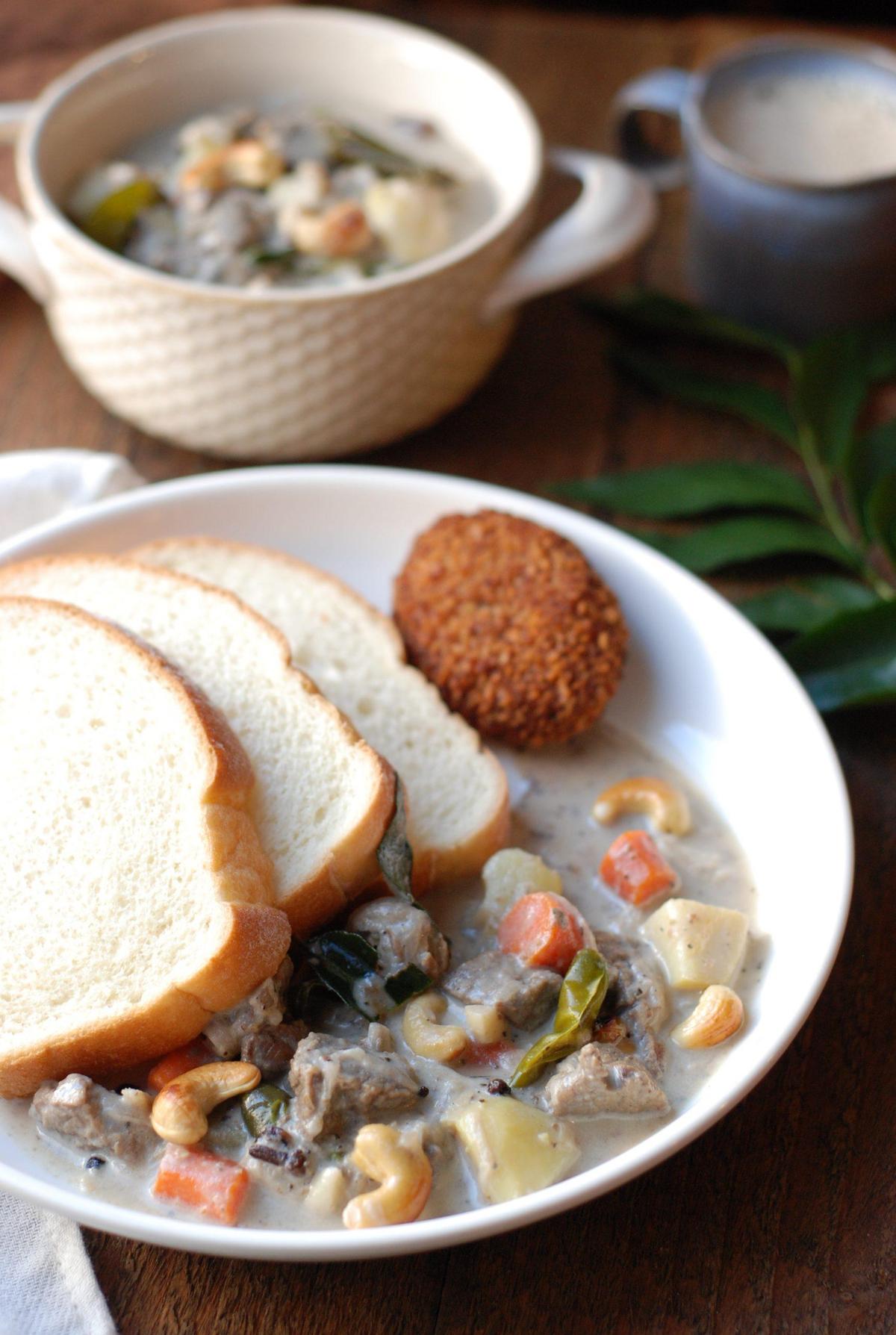
Leading this charge is Reems Stew and Bread, a food truck that has become a landmark in Kochi’s Kakkanad and Panampilly Nagar areas since its launch in January 2024. Operated by Ajoy ET and his wife Reema, the truck specializes in a limited but focused menu: chicken, beef, and vegetable stews served with custom-baked bread.
According to Ajoy, the response has been "sensational." The truck’s success highlights a shift in consumer behavior—people are willing to travel across the city specifically for a bowl of stew, treating it as a primary dining choice rather than a secondary option. The truck operates strategically, targeting the corporate crowd at Infopark during the week and the trendy residential hub of Panampilly Nagar on weekends.
The Cloud Kitchen Evolution
Parallel to the street-food success of food trucks is the rise of sophisticated cloud kitchens like Stewmuch. Founded by Jishnu KP, a native of Kozhikode, Stewmuch was the result of three years of culinary deliberation. Unlike traditional restaurants that offer a sprawling menu of South Indian fare, Stewmuch focuses on the versatility of the stew.
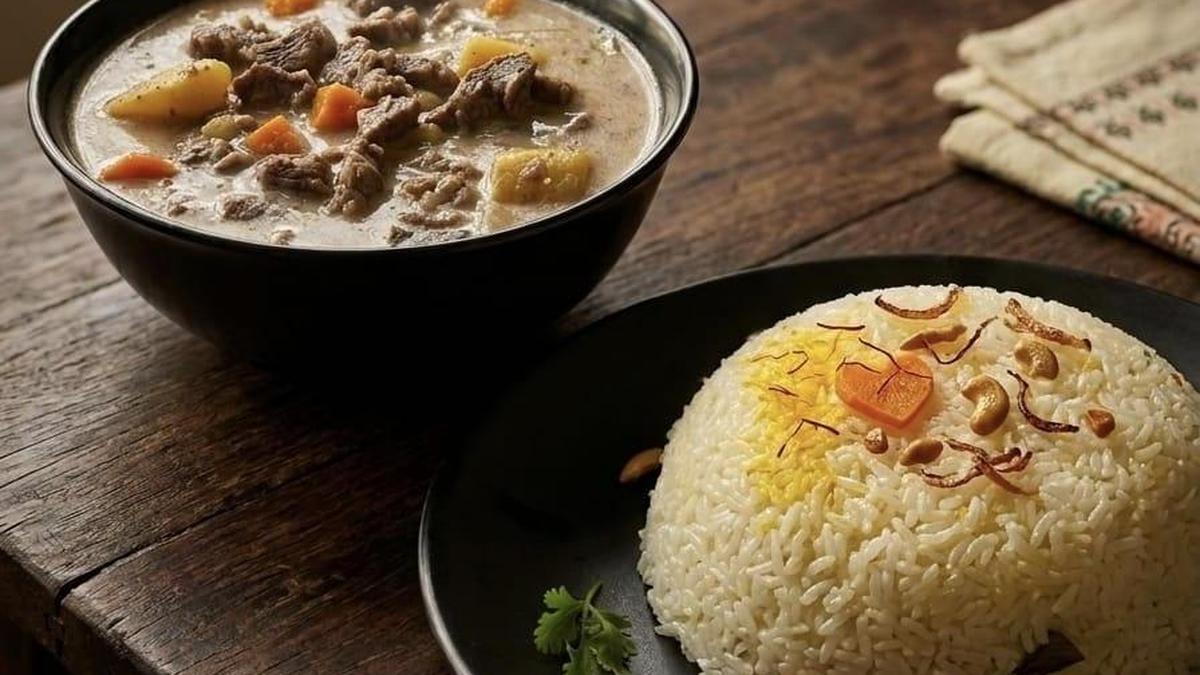
The business model relies on the idea that stew is a "universal meal"—light enough for breakfast, hearty enough for lunch, and comforting enough for dinner. This versatility has allowed the dish to penetrate the digital food-delivery market, where "comfort food" remains one of the fastest-growing categories.
Social Media and the "Viral" Stew
The trend was arguably ignited by Hamza’s Kitchen on Pipeline Road, which became a social media sensation for its bread-and-stew pairing. The visual appeal of the creamy white gravy against the golden crust of local bread proved to be "Instagrammable," leading to a surge in smaller "hole-in-the-wall" shops adopting the dish to capitalize on the viral trend.
II. Chronology: A Layered History of Colonial and Cultural Fusion
To understand why the Kerala stew resonates so deeply, one must look at its complex ancestry. The dish is a liquid map of Kerala’s history, bearing the imprints of global trade, colonial conquest, and religious adaptation.
The Ancient Roots
Long before European influence, Kerala utilized coconut milk in vegetable preparations. However, the modern ishtew is a quintessential "fusion" dish. According to food historian Tanya Abraham, author of Eating with History: Ancient Trade Influenced Cuisines of Kerala, the dish’s history is layered with the influences of the Portuguese, the British, and West Asian traders.
The Portuguese Influence (15th – 17th Century)
The introduction of New World vegetables—potatoes and carrots—is attributed to the Portuguese. They brought the concept of slow-cooked, broth-like dishes. Over time, the local population adapted these techniques, replacing heavy dairy or water-based broths with the ubiquitous local resource: coconut milk.
The Jewish and Syrian Christian Connection
One of the most fascinating chronological developments in the recipe involves the Jewish community in Kerala. Due to Kosher laws, which prohibit the mixing of meat and dairy, the Cochin Jews substituted cow’s milk with coconut milk to achieve a creamy texture in meat dishes. This technique was adopted and refined by the Syrian Christian (Suriani) community, who added local aromatics like ginger and green chilies to create the distinct "white stew" that remains a staple of Christian weddings and Easter celebrations today.
The British Era (18th – 20th Century)
The British influence refined the stew into its current form, often served as a "milder" alternative to the fiery local curries. While the English beef stew typically used cornstarch as a thickener, the Malayali version stayed true to its roots, using the natural fats of coconut milk and, in some high-end iterations, cashew paste to achieve body and richness.
III. Supporting Data: Regional Variations and the Anatomy of Flavor
The Kerala stew is not a monolith. Its preparation varies significantly across the state’s 14 districts, with the most notable divide existing between the Malabar (Northern) and Kochi (Central) traditions.
The Malabar vs. Kochi Profile
Data gathered from local chefs and culinary enthusiasts like Jishnu KP suggests distinct regional markers:
| Feature | Malabar Stew (Northern) | Kochi/Travancore Stew (Central/South) |
|---|---|---|
| Consistency | Thick and hearty | Light and fluid |
| Color | Mild yellow (often from a hint of turmeric) | Pure white or ivory |
| Spice Level | Higher; strong notes of black pepper | Mild; slightly sweeter profile |
| Primary Fat | Heavy coconut milk | Light coconut milk/Cashew paste |
| Traditional Pairing | Ghee Rice / Puttu | Appam / Sliced Bread |
The "Secret" Thickener
A key differentiator in modern commercial stews is the thickening agent. While many commercial kitchens use cornflour for speed and cost-effectiveness, traditionalists like Reema of Reems Stew and Bread use cashew paste. This "hack," passed down from her grandmother, provides a nutty undertone and a velvety mouthfeel that cornflour cannot replicate.
Ingredient Breakdown
The aromatic profile of a standard Kerala stew relies on a specific "holy trinity" of spices:
- Whole Spices: Cinnamon, cardamom, and cloves provide the floral, warm aroma.
- The Kick: Fresh ginger and slit green chilies provide heat without the discoloration caused by red chili powder.
- The Finish: Fresh curry leaves and a drizzle of raw coconut oil at the end of the cooking process are non-negotiable for authenticity.
IV. Official Responses: Insights from the Architects of the Trend
The current boom is driven by individuals who view the stew as both a cultural artifact and a viable business product.
Ajoy ET (Reems Stew and Bread):
"The bread-stew combination is more than food for the Kochiite; it is part of our celebrations—Christmas and Easter. It is pure nostalgia and a taste of home. We get calls almost daily asking about our location. People aren’t just looking for a meal; they are looking for a memory."
Jishnu KP (Founder, Stewmuch):
"I chose stew because its spices and warmth are balanced. It is not a heavy dish; it feels light on the palate and comforting to eat. In many kitchens, guests are welcomed with stew as a sign of hospitality. My goal is to bridge the Malabar and Kochi traditions. For instance, pairing stew with ghee rice—a Kozhikode staple—is something I want to make part of Kochi’s identity."
Tanya Abraham (Food Historian):
"Stew or ishtew is said to have a layered history… Potatoes and carrots came with the Portuguese, and the stew took on a variation of their slow-cooked broth-like dish. Syrian Christians often adapted Jewish techniques [using coconut milk instead of dairy] and created new recipes. It is difficult to say when the first version came into being because coconut has been available since yore."
V. Implications: The Future of Kerala’s Culinary Heritage
The transformation of the Kerala stew from a domestic staple to a commercial "hero" dish has several implications for the region’s food economy and cultural identity.
1. The "Niche-ification" of Regional Cuisine
The success of dedicated stew outlets suggests that the market is moving away from "multi-cuisine" restaurants toward "specialty" hubs. By focusing on a single dish and perfecting its variations, entrepreneurs are finding a loyal customer base that values quality over variety.
2. Preservation of Heirloom Recipes
As commercial outlets like Reems use family recipes (like the cashew-paste thickener), they are effectively preserving "slow food" techniques in a "fast food" world. This ensures that traditional cooking methods are not lost to the convenience of industrial thickeners and pre-made spice mixes.
3. Culinary Tourism and Urban Identity
Kochi is increasingly positioning itself as a culinary destination. The "stew truck" and the "stew cloud kitchen" add a layer of modern urbanity to the city’s food scene, making traditional flavors accessible to the younger, tech-savvy generation of "Infopark" employees and digital nomads.
4. Economic Resilience of the Cloud Kitchen Model
For entrepreneurs like Jishnu, the stew provides a high-margin, low-waste product. Because the base gravy (coconut milk and aromatics) can be used for vegetable, chicken, or beef variations, it allows for operational efficiency, making it an ideal candidate for the burgeoning cloud kitchen industry in Kerala.
In conclusion, the Kerala stew is undergoing a renaissance. It remains a "warm hug" in a bowl, but it is now a hug that is being shared across food trucks and digital platforms. Whether enjoyed with a lacy appam on a Sunday morning or grabbed from a food truck on a busy Monday night, the ishtew continues to be a testament to Kerala’s ability to take foreign influences and simmer them into something uniquely, deliciously local.
