

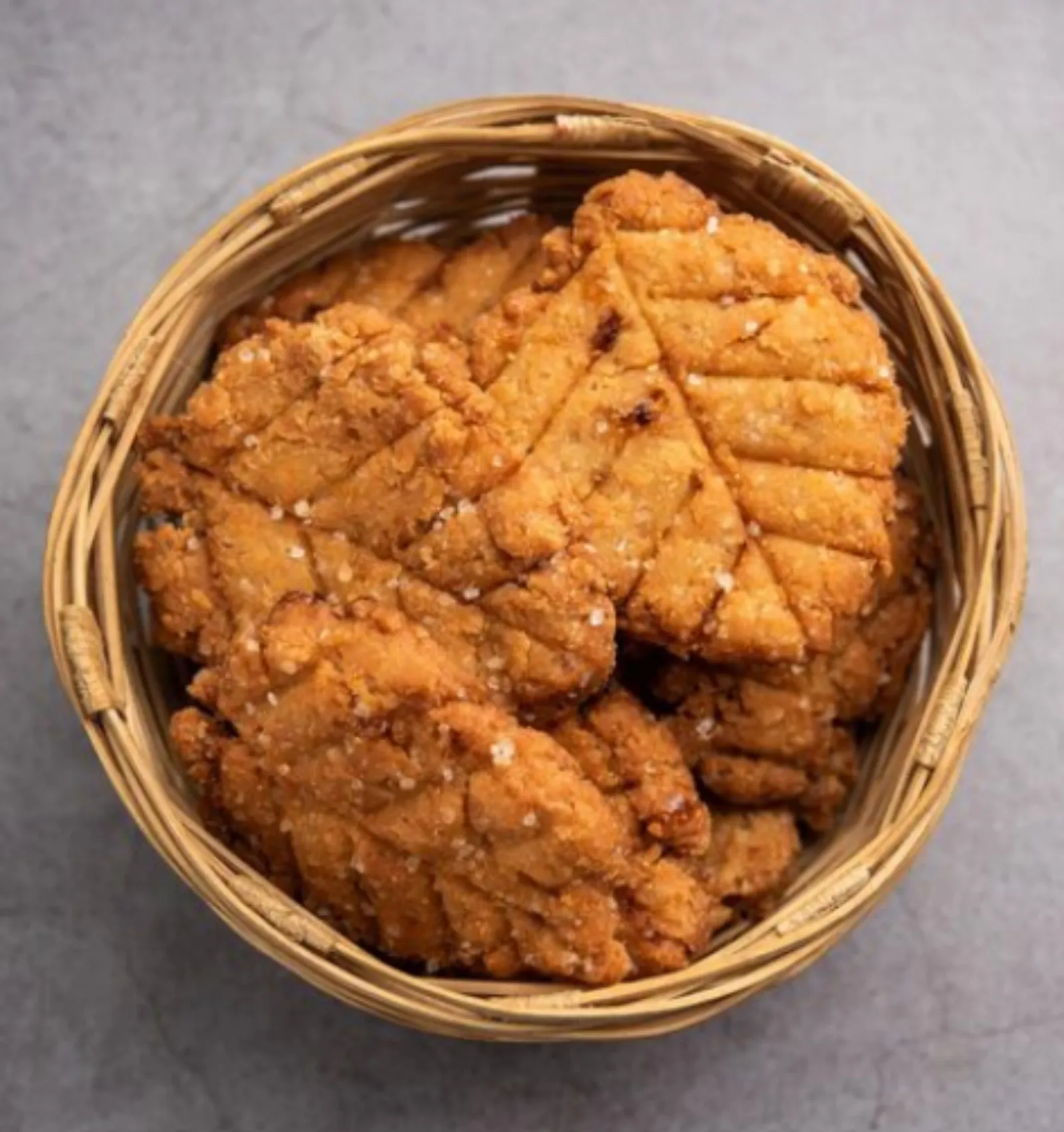
New Delhi – In an era defined by high-stakes geopolitical maneuvering and complex trade negotiations, the power of a simple, home-cooked delicacy remains a potent force in international relations. Recently, the diplomatic corridors between India and Slovakia were sweetened by an unexpected guest: the thekua. This traditional whole-wheat snack, deeply rooted in the cultural soil of Bihar and Jharkhand, became a focal point of bilateral warmth when Prime Minister Narendra Modi presented it to the Chairman of the Slovak National Council, Richard Raši.
The gesture, which Raši documented in a viral video on social media, has sparked a broader conversation about "gastro-diplomacy" and the surprising nutritional and scientific resilience of India’s regional culinary treasures.
Main Facts: A Culinary Exchange in the Heart of Europe
The exchange took place during Prime Minister Narendra Modi’s official visit to Slovakia in July 2026. As part of a curated effort to showcase India’s regional diversity, the Prime Minister gifted a box of thekua to Richard Raši. Raši, a prominent Slovak politician, responded with a public tasting of the sweet, drawing parallels between the Indian snack and the traditional baked goods of Central Europe.
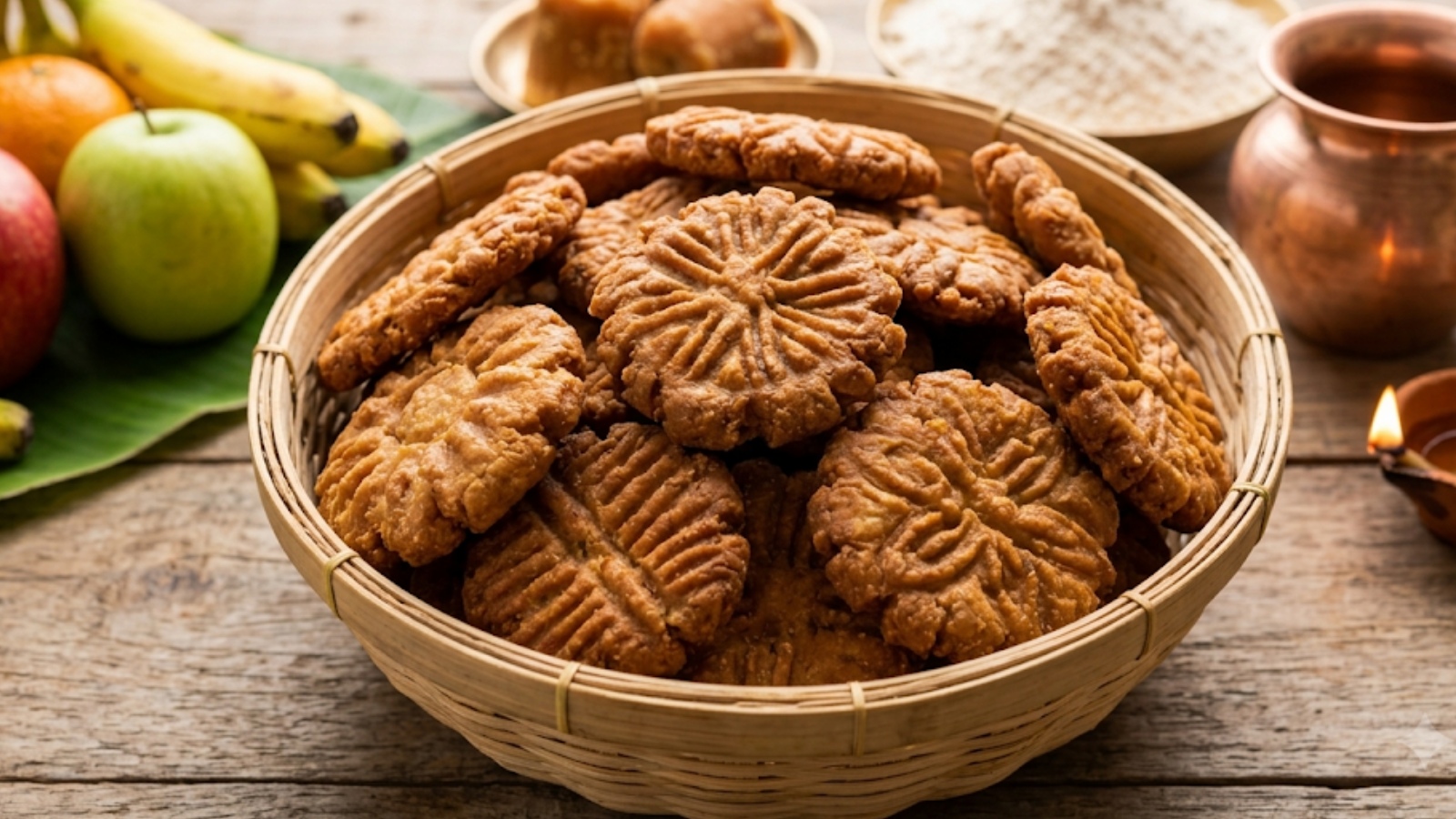
Thekua, often referred to as khajuria or thikari, is a deep-fried biscuit made from whole wheat flour, jaggery (unrefined cane sugar), ghee (clarified butter), and fennel seeds. While it is a common household snack in Eastern India, its primary significance is religious, serving as the most important Prasad (offering) during the Chhath Puja festival, dedicated to the Sun God.
In a reciprocal gesture of goodwill, Chairman Raši presented Prime Minister Modi with traditional Slovak spa wafers, known locally as Kúpeľné oblátky. Notably, these wafers were inscribed with messages in Hindi, signifying a deep respect for Indian linguistic heritage. This exchange transcends mere gift-giving; it represents a strategic use of "soft power" to build personal rapport between world leaders.
Chronology of the Event
The timeline of this diplomatic interaction highlights the growing importance of digital storytelling in modern statecraft:
- Early July 2026: Prime Minister Narendra Modi arrives in Bratislava, Slovakia, for a series of high-level meetings focused on defense cooperation and digital infrastructure.
- July 12, 2026: During a private bilateral session, the exchange of gifts occurs. PM Modi presents the thekua, explaining its cultural roots in Bihar. Raši presents the Slovak spa wafers.
- July 14, 2026: Richard Raši uploads a video to the social media platform X (formerly Twitter). The video shows him unboxing the thekua and tasting it. He notes the similarity in texture and sentiment to the cookies made by Slovak "mothers and grandmothers."
- July 15-16, 2026: The video goes viral in India, particularly in Bihar and Jharkhand, garnering millions of views and bringing international attention to the humble snack.
- July 16, 2026 (8:00 PM IST): Official diplomatic channels and health experts begin weighing in on the significance of the exchange and the nutritional profile of the sweet.
Supporting Data: The Science and Nutrition of Thekua
Beyond its diplomatic utility, the thekua is a marvel of traditional food science. Unlike many Indian sweets (Mithai) that are milk-based and highly perishable, thekua is famous for its incredible shelf life.
The Secret to Longevity
According to food technologists and dieticians, the secret lies in "water activity." Dt. Amreen Sheikh, Chief Dietician at KIMS Hospitals, explains that the preparation process—involving deep-frying a low-moisture dough—effectively removes the water content that bacteria and mold require to thrive.
"Thekua is a dry product," Sheikh notes. "The use of ghee provides a protective fat barrier, while the high sugar or jaggery content binds any remaining moisture. This creates an environment where microbes simply cannot survive for long periods, allowing the snack to remain fresh for several weeks without any chemical preservatives or refrigeration."
Nutritional Profile: A Healthier Alternative?
In a world increasingly conscious of processed sugar and refined flour, thekua stands out as a "cleaner" festive option.
- Whole Wheat vs. Refined Flour: Most commercial biscuits use maida (refined flour). Thekua traditionally uses atta (whole wheat), which retains the bran and germ, providing essential dietary fiber.
- Jaggery vs. Sugar: While both are sweeteners, jaggery (Gur) contains trace minerals like iron, magnesium, and potassium. It also has a lower glycemic index than highly processed white sugar.
- Fennel and Cardamom: These spices are not just for flavor; they aid in digestion, making the calorie-dense snack easier on the gut.
However, Sheikh cautions that "healthy" is a relative term. "Because it is deep-fried in ghee, it is high in energy. It is an excellent snack for labor-intensive days or for travelers, but for the sedentary lifestyle, moderation is key."
Official Responses: Strengthening Bilateral Ties
The response from the Slovak leadership has been overwhelmingly positive. Richard Raši’s comments on X emphasized the human element of diplomacy.
"Diplomacy is also about the small gestures that bring people closer," Raši stated. "Traditional treats like these cookies help strengthen relationships, create a friendlier atmosphere, and often make discussions easier." He further observed that such cultural exchanges allow leaders to connect "beyond formal diplomatic meetings," finding common ground in shared ancestral traditions.
Indian officials have also noted that the choice of thekua was deliberate. By gifting a snack that is not only delicious but also representative of a specific, hardworking region of India (Bihar), the Prime Minister highlighted the "Vocal for Local" initiative on a global stage. This aligns with a broader strategy to promote Indian regional GI (Geographical Indication) tagged products and traditional foods in international markets.
Implications: The Rise of Gastro-Diplomacy
The "Thekua Diplomacy" in Slovakia is part of a larger trend where food serves as a bridge between nations. This event has several long-term implications for India’s international standing and its domestic economy.
1. Soft Power and Cultural Export
By introducing a Slovak leader to a Bihari staple, India is successfully diversifying its cultural exports. While Yoga and Bollywood have long been the pillars of Indian soft power, the global community is now being introduced to the granular, regional nuances of Indian life. This fosters a deeper, more sophisticated understanding of India as a "Union of Cultures."
2. Boosting Regional Pride and Economy
The international spotlight on thekua provides a significant morale boost to the people of Bihar and Jharkhand. Furthermore, it creates a potential market for "Thekua exports." As Indian snacks gain "cool factor" through such high-level endorsements, small-scale industries and women’s self-help groups in Eastern India could see increased demand for authentic, packaged traditional snacks.
3. Parallels in Global Culinary Traditions
Raši’s comparison of thekua to Slovak cookies highlights a fascinating anthropological truth: despite geographic distances, human comfort foods often share similar DNA. The Slovak Kúpeľné oblátky and the Indian thekua both represent a history of using locally available grains and sweeteners to create long-lasting, portable nourishment. Recognizing these similarities makes foreign cultures feel less "alien" and more relatable.
4. Innovation in Healthy Snacking
As the article’s nutritional analysis suggests, there is a gap in the global market for "healthy-ish" traditional snacks. With minor modifications—such as air-frying or incorporating millets like ragi or jowar—the thekua could be positioned as a premium, "ancient grain" health biscuit in Western health food stores.
Conclusion
The image of a high-ranking European official enjoying a snack from the heartlands of India is a testament to the changing face of diplomacy. It suggests that while treaties are signed with pens, friendships are often forged over the breaking of bread—or in this case, the crunching of a thekua.
As India continues to assert itself on the world stage, the inclusion of its regional heritage in its diplomatic toolkit ensures that its rise is not just seen through the lens of GDP and military might, but through the warmth of its traditions and the richness of its flavors. The thekua, once a humble offering to the sun, has now found its place under the sun of international acclaim.
Disclaimer: This report is based on information available in the public domain, social media communications from official accounts, and expert consultations regarding food science and nutrition.
