

The Core Narrative: A Seasonal Staple and the Return to Naturalism
As temperatures soar across the Indian subcontinent and Southeast Asia, the seasonal beverage market undergoes a dramatic transformation. While the multi-billion dollar packaged juice industry continues to dominate shelf space, a burgeoning movement toward "slow food" and artisanal preparation has brought a traditional favorite back to the forefront: fresh Litchi Juice. Known scientifically as Litchi chinensis and colloquially as the lychee, this tropical fruit has become the centerpiece of a culinary shift that prioritizes fresh pulp, zero preservatives, and minimalist preparation.
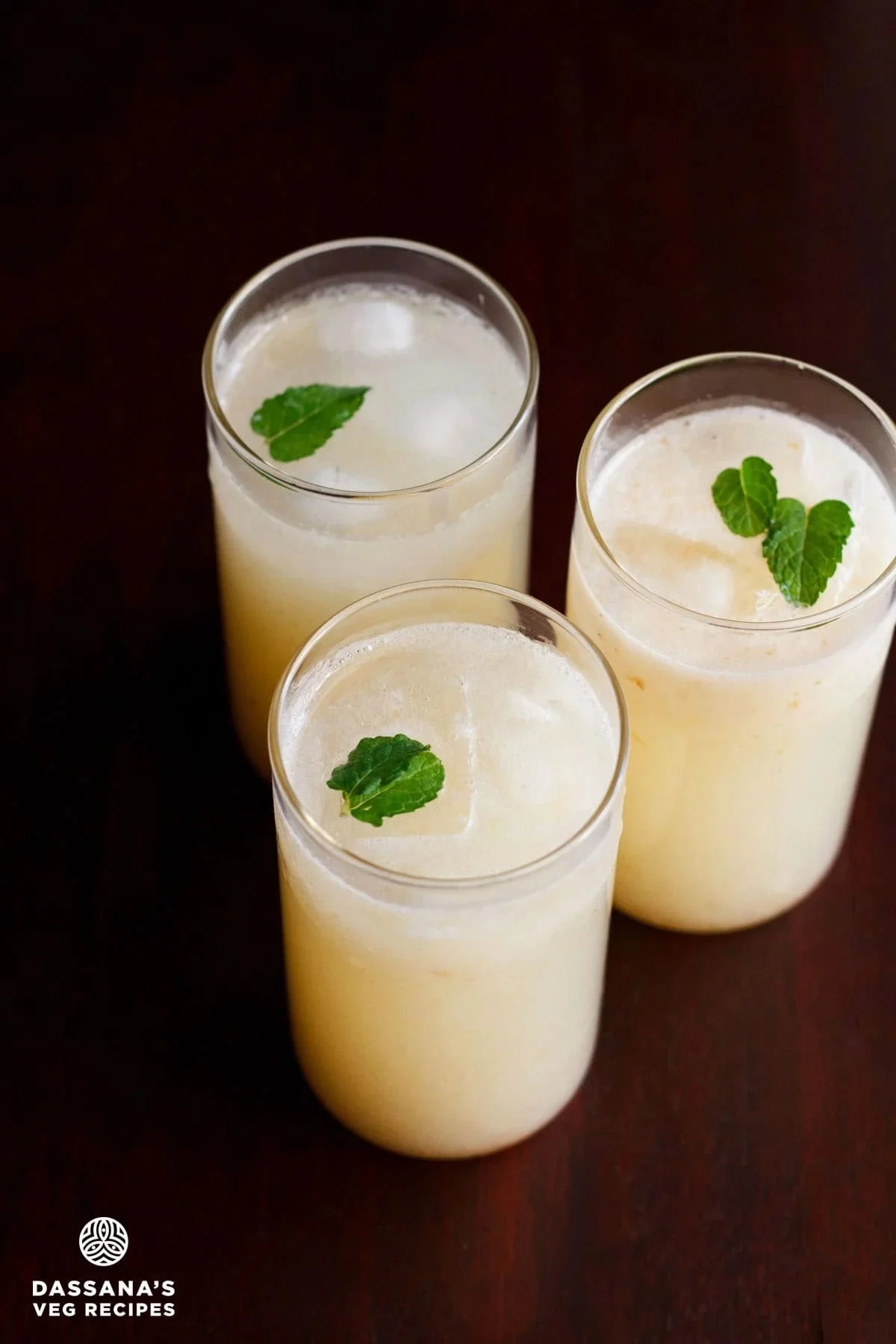
The quintessential Litchi Juice—a blend of fresh fruit, citrus notes, and controlled sweetness—is more than just a drink; it is a seasonal ritual. For decades, the short-lived lychee season, typically spanning from May to June, has dictated the rhythm of summer diets. However, in recent years, the discourse around health and wellness has elevated this simple beverage from a household refreshment to a sophisticated alternative to carbonated drinks. By combining the floral sweetness of the lychee with the acidity of lemon and the cooling properties of mint, the beverage serves as a potent tool for hydration and thermal regulation.

From the Pearl River to the Ganges: A Chronological Journey of the Lychee
The story of the lychee is one of geographical migration and royal patronage. Understanding the chronology of this fruit is essential to appreciating its current status in the global culinary landscape.
Ancient Origins (1056 AD – 1600s)
The lychee finds its ancestral home in the low-elevation provinces of Southern China, specifically Guangdong and Fujian. Historical records from the Tang Dynasty suggest the fruit was so highly prized that it was transported via a dedicated courier service for the Emperor’s favored concubines. By the late 11th century, the first known monograph on the fruit was authored by Cai Xiang, detailing the nuances of different cultivars.

Global Expansion (1700s – 1900s)
The fruit began its international journey in the late 18th century. It was introduced to India via Myanmar around 1789, finding a particularly hospitable climate in the Indo-Gangetic plains. The chronology of its arrival in India coincides with the expansion of botanical gardens and colonial agricultural experimentation. By the early 20th century, the Bihar region, particularly Muzaffarpur, had established itself as the "Litchi Capital of India," producing the famed ‘Shahi’ and ‘China’ varieties.
The Modern Culinary Era (2010s – Present)
In the last decade, there has been a documented "freshness revolution." As consumers become increasingly wary of the high fructose corn syrup and artificial "lychee flavors" found in mass-produced cartons, the demand for homemade protocols has spiked. The recipe featured in contemporary culinary archives—utilizing fresh pulp, manual peeling, and immediate consumption—represents a return to the chronological roots of the fruit’s consumption: enjoying it at the peak of its ripeness before the delicate sugars begin to ferment.

The Anatomy of a Perfect Blend: A Culinary Protocol
The preparation of Litchi Juice is a study in balancing delicate floral notes with sharp acidity. According to culinary experts, the process must be rapid to prevent the oxidation of the fruit’s translucent white flesh.
- Selection and Sanitization: The process begins with the rigorous rinsing of the fruit. Given the bumpy texture of the pink-red peel, thorough cleaning is required to remove environmental dust.
- The Extraction Process: Unlike citrus, which can be mechanically squeezed, the lychee requires a manual "peel and pit" approach. The separation of the aril (the fleshy part) from the large brown seed is the most labor-intensive part of the chronology, often performed with a paring knife to maintain the integrity of the juice-filled cells.
- The Emulsification: The pulp is blended into a smooth puree. A critical step in the professional protocol is the addition of water only after the initial pureeing to ensure no large chunks remain.
- The Balancing Act: The final stage involves the introduction of a catalyst—fresh lemon juice. The acidity of the lemon cuts through the cloying sweetness of the lychee, while a minimal amount of sugar is used to enhance the fruit’s natural profile rather than mask it.
Supporting Data: Nutritional Efficacy and Market Value
The argument for fresh Litchi Juice is supported by a robust nutritional profile that packaged alternatives often fail to replicate. Data derived from nutritional analysis of a standard 250ml serving of homemade juice reveals a powerhouse of micronutrients.

Nutritional Breakdown (Per Serving)
- Energy: 93 kcal
- Vitamin C: 55 mg (providing nearly 75% of the Daily Value)
- Potassium: 150 mg
- Sugar: 20g (primarily naturally occurring fructose and glucose)
- Antioxidants: Rich in proanthocyanidins and polyphenolic compounds.
The high Vitamin C content is particularly relevant for summer consumption, as it aids in skin repair and immune function during periods of heat stress. Furthermore, the presence of 150mg of Potassium makes the beverage an effective natural electrolyte, assisting in fluid balance and preventing the muscle cramps often associated with dehydration.
Economic Context
The lychee industry contributes significantly to the agricultural GDP of regions like Bihar in India and the northern provinces of Thailand and Vietnam. However, because the fruit is highly perishable—losing its color and flavor within 48 to 72 hours of harvest—the production of fresh juice provides a vital domestic outlet for "B-grade" fruit that may not meet the aesthetic standards for export but remains nutritionally superior and flavor-rich.

Official Responses and Expert Culinary Perspectives
Culinary professionals and food safety experts emphasize that while the recipe is simple, the execution requires adherence to specific standards. Dassana, a prominent voice in Indian vegetarian cuisine, provides several "Expert Tips" that function as the official guidelines for home preparation.
Quality Control and Food Safety
One of the most critical official warnings involves the inspection of the fruit. "While peeling the litchis, check the flesh carefully. Discard any fruits that look spoiled, discolored, or have signs of worms," the expert advice states. This is a crucial safety protocol, as the sweet aroma of the lychee often attracts fruit flies and other pests.

Storage and Oxidation
Experts are unanimous on the storage of fresh juice: it is a "live" product. Unlike pasteurized juices, fresh Litchi Juice begins to lose its enzymatic value and flavor profile almost immediately. The official recommendation is to consume the drink within 4 to 5 hours of preparation, even when refrigerated. This is due to the rapid breakdown of Vitamin C and the separation of the pulp, which tends to settle at the bottom of the vessel.
Customization and Versatility
From a gastronomic perspective, the juice is viewed as a "base" rather than a finished product. Culinary experts suggest that the juice can be transitioned into milkshakes, smoothies, or even frozen into sorbets. The addition of fresh mint is not merely for garnish; it provides a mentholated cooling effect that works synergistically with the lychee’s sweetness.

Implications: The ‘Clean Label’ Movement and Future Trends
The resurgence of Litchi Juice carries broader implications for the global food and beverage industry. It signals a shift toward the "Clean Label" movement—a consumer-driven demand for products with fewer, recognizable ingredients and no chemical additives.
The Death of Artificial Flavors
As awareness grows regarding the health impacts of artificial preservatives (such as sodium benzoate) and synthetic dyes, fresh Litchi Juice represents a successful "de-processing" of the diet. The implication is a potential decline in the market share of "fruit-flavored" drinks in favor of seasonal, regional beverages.

Climate Change and Harvest Windows
The availability of litchis is increasingly threatened by erratic weather patterns. Heatwaves during the flowering stage can lead to "fruit drop," making the short season even more precarious. This scarcity has turned the preparation of fresh juice into an "event-based" culinary activity, increasing its value as a luxury seasonal item.
Cultural Preservation
Finally, the popularity of this beverage reinforces the importance of regional food cultures. By choosing Litchi Juice over standardized global soft drinks, consumers are participating in the preservation of local agricultural cycles and traditional cooling methods. This "liquid heritage" links modern urban dwellers to the ancestral plains where the lychee first bloomed, ensuring that the flavors of the summer past remain a vibrant part of the summer future.

In conclusion, Litchi Juice stands as a testament to the power of simplicity. In an age of complex food technology, the most effective solution for summer heat remains a 15-minute recipe involving fresh fruit, a splash of lemon, and the wisdom of seasonal eating. As the world moves toward more sustainable and health-conscious consumption, the humble lychee is poised to remain the undisputed crown jewel of tropical hydration.
