

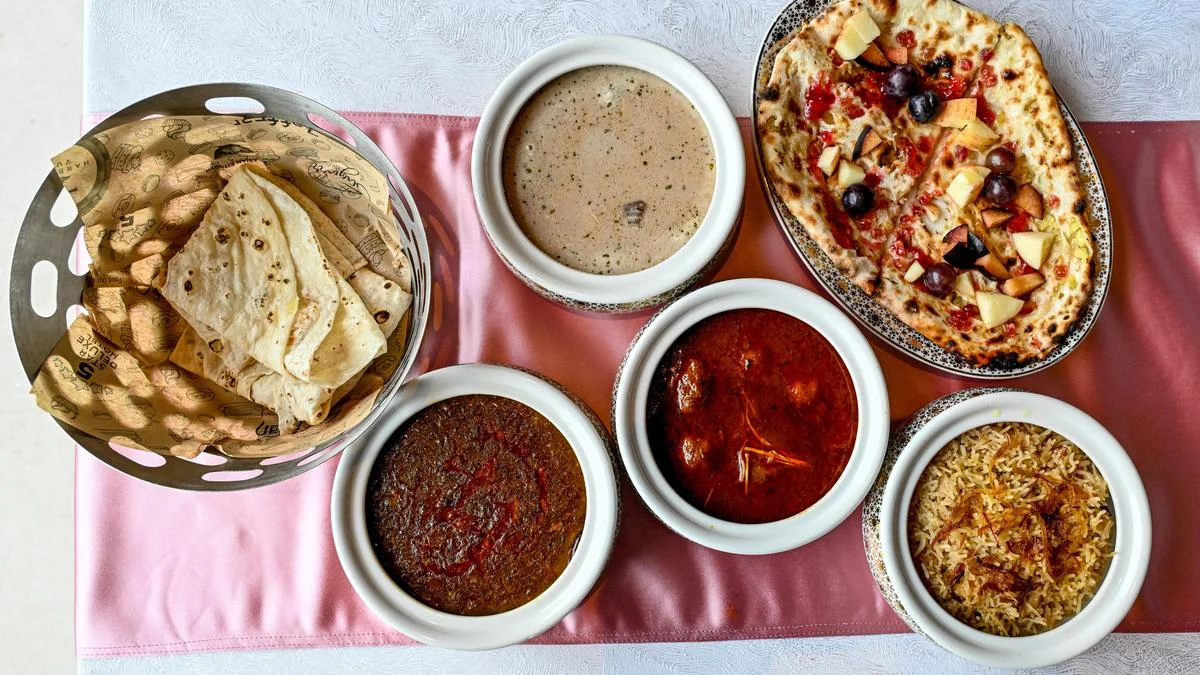
The serene coastline of Visakhapatnam has recently been infused with the heady, aromatic scents of the far north. As the Bay of Bengal breeze sweeps across the promenade of Novotel Visakhapatnam Varun Beach, it carries with it the unmistakable fragrance of saffron, fennel, and dry ginger. This sensory transformation marks the commencement of "Dawat-E-Wazwan," a premier Kashmiri food festival hosted at the hotel’s signature restaurant, Zaffran.
Curated by the celebrated culinary maestros, Chef Rehman and Chef Abdul, the festival is more than a mere dining event; it is a meticulously crafted bridge between the coastal sensibilities of Andhra Pradesh and the ancient, royal traditions of the Kashmir Valley. Running through June 28, the festival offers a rare opportunity for gourmands in the City of Destiny to experience the legendary Wazwan—a multi-course meal that is considered the pinnacle of Kashmiri hospitality and identity.
Main Facts: A Culinary Bridge Across the Subcontinent
The "Dawat-E-Wazwan" festival is a strategic effort by Novotel Visakhapatnam Varun Beach to diversify the local culinary landscape. While Visakhapatnam is traditionally known for its spicy Andhra cuisine and fresh seafood, there has been a growing appetite for authentic regional micro-cuisines from across India.
The festival focuses on the "Wazwan" tradition, a term derived from the Kashmiri words ‘Waza’ (the master cook) and ‘Wan’ (the shop). Historically, a full Wazwan consists of thirty-six courses, most of which are meat-based. At Zaffran, Chefs Rehman and Abdul have distilled this expansive tradition into a curated menu that balances the iconic heavy-hitters of the cuisine with delicate vegetarian offerings, ensuring the "aromatic rather than fiery" philosophy of the Valley is upheld.
Key highlights of the festival include:
- The Curators: Chefs Rehman and Abdul, specialists in the North Indian and Kashmiri royal kitchens.
- The Venue: Zaffran, Novotel Visakhapatnam Varun Beach.
- The Philosophy: A focus on slow-cooking, minimal use of harsh spices, and a reliance on indigenous Kashmiri ingredients like the Maval (cockscomb flower) for color and Pran (shallots) for depth.
- The Schedule: Lunch and dinner sessions available until June 28, 2026.
Chronology: The Progression of a Royal Feast
The experience at Dawat-E-Wazwan is designed to mirror the chronological progression of a traditional Kashmiri banquet. In the Valley, a Wazwan begins with the ritual washing of hands in a Tash-t-Nari (a portable basin) and the serving of appetizers that prepare the palate for the richer courses to follow.
The Opening Act: Soups and Starters
The meal at Zaffran commences with the Kashish paya shorba. In a region where the humidity of the coast can often make heavy soups unappealing, this mutton trotter broth is a revelation. It is light, clarified, and deeply comforting, serving as a gentle introduction to the collagen-rich, slow-cooked meats that define the cuisine.
Following the soup, the starters arrive, headlined by the maaz seekh kebab. Unlike the more common minced meat kebabs found in Mughlai cuisine, the Kashmiri version emphasizes the purity of the lamb. The texture is succulent, achieved through rigorous hand-pounding of the meat, and the spices are kept secondary to the natural flavor of the protein.

The menu also explores poultry and vegetarian options. The Badami kukar tikka—chicken marinated with almonds—provides a creamy contrast, though purists might argue for a bolder infusion of the nuttiness. For vegetarians, the saffron-infused paneer kebabs offer a glimpse into the Valley’s dairy-rich diet, though the spice profile here leans more toward the contemporary palate.
The Heart of the Wazwan: Main Courses
The transition to the main course marks the entry of the festival’s "showstoppers." In the chronology of a Wazwan, the Rista is a critical milestone. These hand-pounded mutton meatballs are simmered in a vibrant red gravy. The color, often mistaken for heat, comes from the Kashmiri dried red chili, which provides a deep crimson hue and a mild, smoky flavor without the aggression of bird’s eye or Guntur chilies.
Accompanying the Rista is the Nadur yakhni, a dish that highlights the biodiversity of the Kashmir Valley. Using lotus stems (Nadur) harvested from the Dal Lake, the dish is prepared in a yogurt-based gravy seasoned with dried mint and fennel. It provides a cooling, earthy counterpoint to the meat-heavy table.
The Sweet Conclusion
No Kashmiri meal is complete without a transition into the world of traditional sweets. The Kong Phirni (saffron ground-rice pudding) and Malai Gilori serve as the final notes. The Phirni, served in traditional earthenware to absorb excess moisture, emphasizes the "Kong" (Saffron) that is the pride of the Pampore region in Kashmir.
Supporting Data: The Science and Art of Kashmiri Flavor
The distinctiveness of the food at Novotel is backed by the specific culinary techniques employed by Chefs Rehman and Abdul. To understand the richness of this festival, one must look at the data of the ingredients:
- The Yogurt Base: Unlike the onion-and-tomato-heavy gravies of the plains, Kashmiri cuisine uses yogurt as a primary thickening and souring agent. This requires a specific temperature control during the "slow-cooking" process to prevent curdling.
- The Spice Quintet: The flavor profile is built on five pillars:
- Fennel Powder (Saunf): For digestive health and a sweet aroma.
- Dry Ginger (Sonth): To provide a "warm" heat that lingers in the throat rather than the tongue.
- Asafoetida (Hing): Often used in Pandit-style Kashmiri cooking to replace onions and garlic.
- Saffron: Sourced from the highest quality crops to provide the golden hue.
- Mustard Oil: Used as the primary cooking medium to provide a pungent, sharp baseline that cuts through the richness of the meat.
- The Labor of the Meat: Traditional Wazwan meat is never put through a mechanical grinder. It is beaten with wooden mallets on a stone plinth until it reaches a paste-like consistency. This process breaks down the fibers, resulting in the unique, spongy texture of the Rista and Gushtaba found at the festival.
Official Responses: Insights from the Culinary Curators
Chef Rehman, the lead curator of the festival, emphasized the need for authenticity over commercial adaptation. Speaking on the philosophy of the event, he stated:
"Wazwan is about patience and balance. We don’t rely on heavy spices; instead, the flavours come from slow cooking and ingredients like yoghurt, fennel, saffron, and dry ginger. Our goal at Novotel Visakhapatnam is to show that North Indian food isn’t just about ‘masala’—it’s about the subtle marriage of ingredients that have been used for centuries."
The management at Novotel Visakhapatnam Varun Beach also noted that the festival is part of their "Culinary Destinations" initiative. According to a hotel spokesperson, the decision to bring Chefs Rehman and Abdul was driven by a desire to provide an "unfiltered" experience. "We wanted to move beyond the generic ‘North Indian’ menu. By bringing in specialists of the Wazwan tradition, we are offering our guests a taste of history," the spokesperson added.

Reviewers have noted that while the festival successfully captures the essence of the Valley, the challenge remains in the "local adaptation." For instance, the sweetness levels in the Kong Phirni were adjusted to cater to the local palate, which often prefers a more pronounced sugar profile compared to the subtle sweetness favored in Srinagar.
Implications: Cultural Exchange and the Evolution of Vizag’s Palate
The success of the "Dawat-E-Wazwan" festival has several broader implications for the region:
1. The Rise of Micro-Cuisine Tourism
Visakhapatnam is rapidly evolving from a quiet port city into a cosmopolitan hub. The high turnout for a specialized Kashmiri festival suggests that the local population is ready for sophisticated, niche culinary experiences. This paves the way for more "food pop-ups" focusing on other rare traditions like Moplah, Parsi, or Naga cuisines.
2. Preservation of Traditional Skills
By employing "Wazas" (traditional cooks), luxury hotels are helping preserve a craft that is increasingly being threatened by modern fast-food trends. The labor-intensive process of hand-pounding meat and slow-simmering gravies over charcoal (or simulated slow-heat environments) keeps these ancient techniques alive in the public consciousness.
3. Strengthening the North-South Cultural Link
Food serves as a powerful medium for cultural diplomacy. At a time when regional identities are celebrated, bringing the "soul of Kashmir" to the "heart of Andhra" fosters a deeper understanding of the diverse tapestry of Indian heritage. It allows diners to appreciate the geographical influences on diet—how the cold climate of the Himalayas necessitates the use of warming spices like ginger and fats like mustard oil, contrasting with the tamarind and chili-heavy cooling diets of the tropical south.
Conclusion: A Must-Visit for Culinary Enthusiasts
The Dawat-E-Wazwan at Novotel Visakhapatnam Varun Beach is more than a meal; it is a sensory journey. While there are minor points for improvement—such as the balance of almond notes in the chicken and the sugar levels in the dessert—the festival stands as a monumental achievement in bringing authentic Kashmiri flavors to the coast.
For those looking to explore beyond the familiar, the festival offers a masterclass in the art of the Wazwan. It is a reminder that in the world of high-end gastronomy, patience remains the most important ingredient.
Event Details at a Glance:
- Festival Name: Dawat-E-Wazwan
- Venue: Zaffran, Novotel Visakhapatnam Varun Beach
- Date: Closing June 28, 2026
- Timings: Lunch and Dinner
- Pricing: Approximately ₹3,000 to ₹3,500 for two (plus taxes)
- Recommended Dishes: Kashish paya shorba, Maaz seekh kebab, Rista, and Nadur yakhni.
