NEW DELHI, India – July 21, 2026 – The Indian precious metals market continues its intricate dance with global economic forces and domestic demand patterns, with gold and silver prices on July 21, 2026, showcasing the prevailing sentiment. Influenced by a confluence of international market trends, robust local consumption, and dynamic currency exchange rates, the prices of these cherished metals remain a key indicator for both investors and consumers across the nation. Today’s figures reveal a nuanced picture, with gold experiencing a slight uptick driven by persistent inflationary pressures and sustained global interest, while silver maintains its dual appeal as an industrial commodity and a valuable investment.
Main Facts: A Snapshot of Today’s Precious Metal Rates
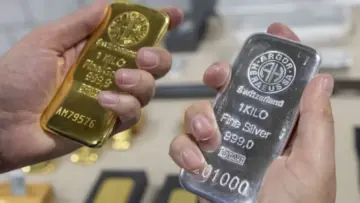
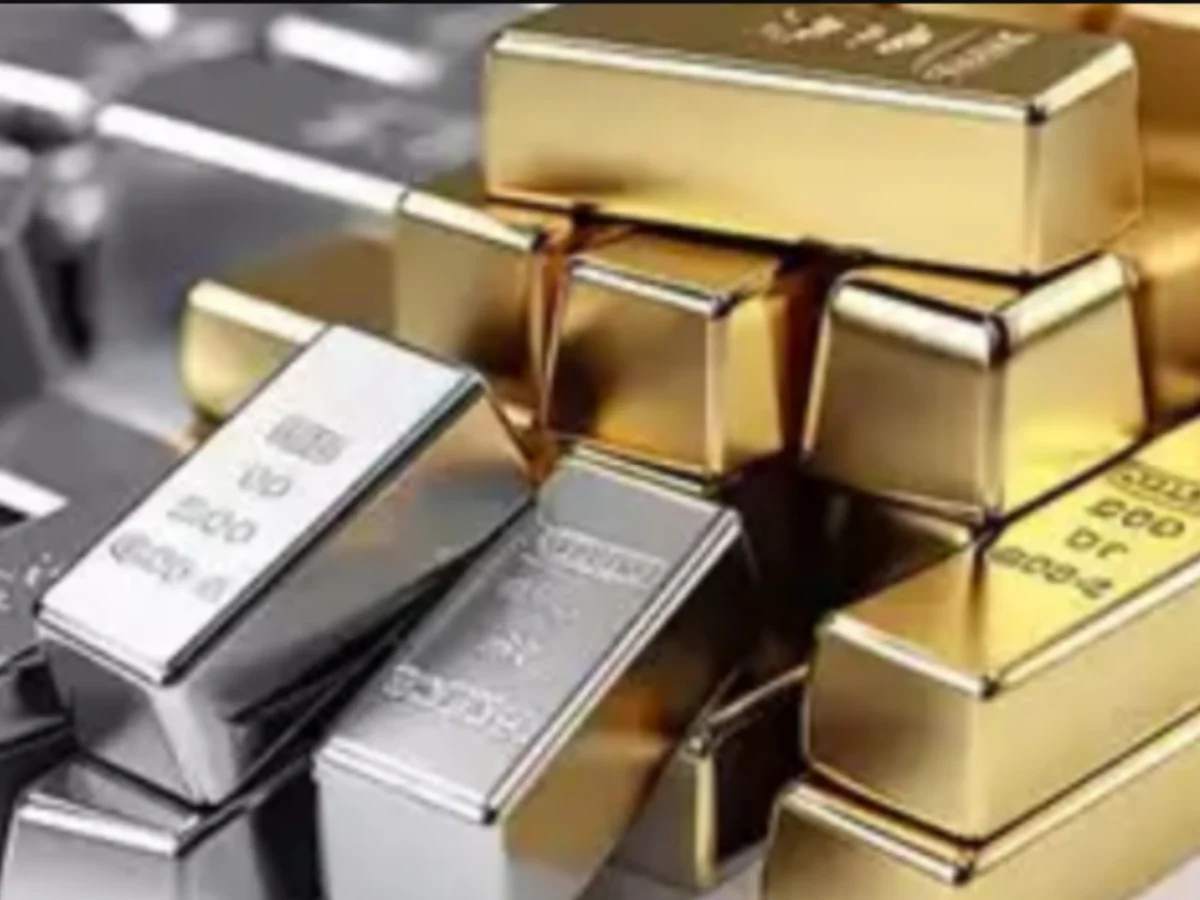
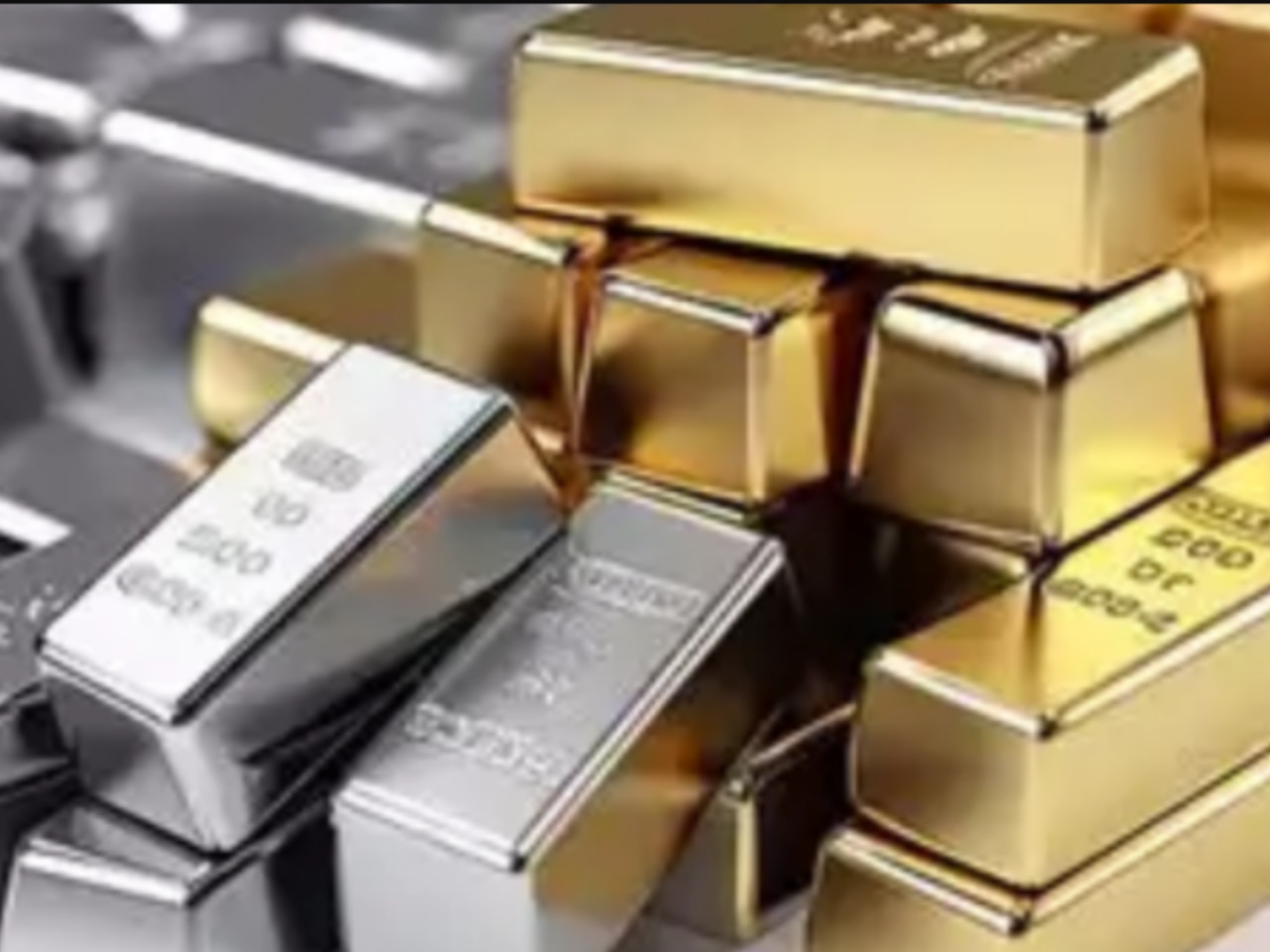
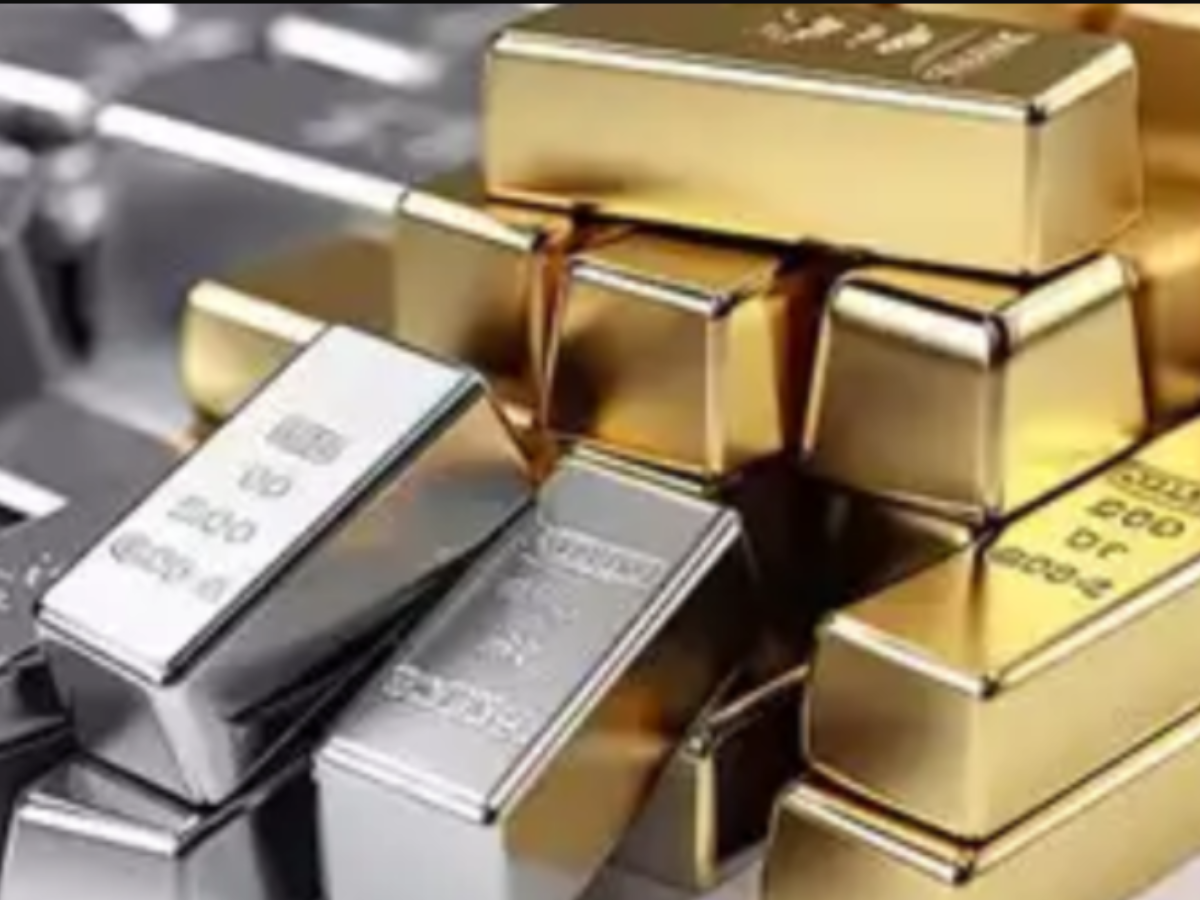
As of July 21, 2026, the Indian bullion market opened with gold prices reflecting a marginal increase, primarily attributed to heightened global demand and the ongoing inflationary environment. The benchmark price for 24-karat gold (999 pure gold) is pegged at Rs 14,347 per gram, while 22-karat gold, the preferred purity for jewellery (containing 91.67% pure gold), is priced at Rs 13,151 per gram. This slight upward movement underscores gold’s enduring role as a hedge against economic uncertainties and a store of value.
Silver, often considered gold’s more volatile counterpart, also holds significant sway in the Indian market. Today, the price of silver is approximately Rs 2,35,100 per kilogram, with Silver 925 (sterling silver) trading at Rs 2,34,000 per kilogram. Silver’s valuation is particularly sensitive to industrial demand, which has seen a steady recovery in recent years, alongside its traditional use in ornaments and investment portfolios.
City-Wise Precious Metal Rates on July 21, 2026:
The variations in prices across major Indian cities reflect local taxes, transportation costs, and specific market dynamics. According to data compiled from various bullion sources, here’s a detailed breakdown:
Gold Prices (per gram):
)
| City | 24K Gold (Rs) | 22K Gold (Rs) |
|---|---|---|
| Mumbai | 14,347 | 13,151 |
| Kolkata | 14,347 | 13,151 |
| Chennai | 14,347 | 13,151 |
| Delhi | 14,362 | 13,166 |
Silver Prices (per 10 grams for 999 purity):
| City | Silver 999 (Rs) |
|---|---|
| Delhi | 2,351 |
| Mumbai | 2,351 |
| Kolkata | 2,351 |
| Chennai | 2,349 |
These figures highlight marginal differences, with Delhi often exhibiting slightly higher prices for both gold and silver, a common characteristic due to its status as a major trading hub and higher logistical overheads for certain commodities.
A Historical Perspective: The Trajectory Leading to July 2026
The current pricing structure for gold and silver on July 21, 2026, is not an isolated event but rather the culmination of a dynamic interplay of global and domestic factors over the preceding months and years. Understanding this chronology is crucial to grasping the underlying market sentiment.

Gold’s Journey: Navigating Global Headwinds and Domestic Festivals
The trajectory of gold prices in India over the past year leading up to mid-2026 has been characterized by resilience amidst volatility. Following the significant global economic shifts post-2020, gold initially surged as a safe-haven asset. However, as global central banks, particularly the US Federal Reserve and the European Central Bank, embarked on aggressive monetary tightening cycles in 2023-2024 to combat soaring inflation, gold faced headwinds from a stronger US Dollar and rising real interest rates.
By late 2024 and early 2025, as inflation showed signs of cooling and central banks hinted at a more dovish stance, gold regained momentum. Geopolitical tensions in various parts of the world, coupled with persistent concerns about global economic stability, further burnished gold’s appeal. India’s domestic demand, particularly during the festive seasons of Diwali and Akshaya Tritiya, typically provides a strong floor for prices, often absorbing global price shocks. These seasonal spikes, combined with wedding season purchases, have consistently contributed to gold’s sustained demand despite high prices. The "slight increase" observed today, on July 21, 2026, reflects a market that has largely digested the immediate impact of global policy shifts and is now responding more directly to sustained inflationary pressures and ongoing geopolitical uncertainties that keep investment demand high.
Silver’s Volatility: Industrial Demand Meets Investment Appeal
Silver’s journey has been somewhat more cyclical, often exhibiting higher volatility than gold due to its dual identity as both a precious metal and an industrial commodity. In the aftermath of global economic slowdowns, industrial demand for silver typically wanes, putting downward pressure on prices. However, the period between 2024 and 2026 saw a robust global push towards green energy technologies, particularly solar panels and electric vehicles (EVs), which are significant consumers of industrial silver. This resurgence in industrial application provided a strong demand floor for silver, mitigating some of the downside risks from monetary tightening.
)
Simultaneously, as gold became more expensive, silver emerged as a more accessible investment alternative for many retail investors seeking exposure to precious metals. The speculative interest in silver, often amplified by its "poor man’s gold" reputation, led to sharper price swings. The current price of Rs 2,35,100 per kilogram reflects a market where industrial demand is strong, but global economic growth concerns might be tempering its upward trajectory compared to gold. The relatively stable prices across cities today suggest a market finding equilibrium after a period of significant movement, with Chennai showing a minor deviation, perhaps due to localized supply or demand dynamics.
Deep Dive into Influencing Factors: Unpacking the Dynamics
The intricate interplay of various factors dictates the daily fluctuations and long-term trends in India’s precious metals market. Beyond immediate supply and demand, a complex web of global economic indicators, domestic policies, and socio-cultural preferences shapes the valuation of gold and silver.
The Global Economic Tapestry: Interest Rates, Inflation, and Geopolitics
The global economic landscape remains the primary architect of precious metal prices. In July 2026, the actions of major central banks, particularly the US Federal Reserve (Fed) and the European Central Bank (ECB), continue to cast a long shadow. While the aggressive rate-hiking cycle of 2023-2024 has largely tapered off, the possibility of future adjustments – either cuts or further hikes – based on evolving inflation data and economic growth forecasts, keeps markets on edge. Lower interest rates generally reduce the opportunity cost of holding non-yielding assets like gold, making them more attractive. Conversely, higher rates can divert investment away from precious metals towards fixed-income securities.
)
Global inflation trends are a critical driver. The "slight increase" in gold prices today is explicitly linked to "inflationary pressures." If consumer price indices remain elevated across major economies, investors flock to gold as a traditional hedge against the erosion of purchasing power. Geopolitical instability, whether stemming from ongoing regional conflicts, trade disputes, or political uncertainties, also fuels demand for safe-haven assets. In mid-2026, with the global political landscape still fraught with various tensions, gold’s appeal as a secure investment during times of uncertainty remains strong. The strength of the US Dollar Index (DXY) is another pivotal factor, as gold is priced in dollars; a stronger dollar typically makes gold more expensive for holders of other currencies, potentially dampening demand, and vice-versa.
Domestic Pulse: Demand Drivers and Currency Dynamics
India’s unique cultural affinity for gold and silver ensures a robust domestic demand, irrespective of global trends. The country’s festive calendar, punctuated by major celebrations like Diwali, Akshaya Tritiya, Dhanteras, and numerous weddings throughout the year, sees a significant surge in jewellery and investment purchases. These periods often create a demand-driven floor for prices, preventing steep declines even during global downturns. Rural demand, though sometimes more price-sensitive, also plays a crucial role, often correlating with agricultural prosperity and monsoon performance. Urban centres, on the other hand, contribute significantly to investment demand, with increasing awareness about gold’s role in portfolio diversification.
The exchange rate of the Indian Rupee (INR) against the US Dollar (USD) is a critical determinant of local prices. Since international gold is traded in USD, a depreciation of the INR makes imported gold more expensive in rupee terms, even if global dollar prices remain stable. Conversely, a stronger rupee can make gold cheaper. The Reserve Bank of India (RBI) meticulously manages currency stability, and its interventions, along with broader economic policies, directly influence the INR-USD exchange rate. Government policies, such as import duties on gold and silver, also play a significant role. Any changes in these duties can immediately impact domestic prices, adding another layer of complexity for consumers and traders.
)
The Allure of Investment: Gold as an Inflation Hedge and Diversifier
Gold’s status as an inflation hedge has been consistently reaffirmed over decades. When inflation erodes the value of fiat currencies, gold tends to hold its value or even appreciate, making it an attractive asset during periods of rising prices, as noted in today’s report. Beyond physical jewellery and coins, Indian investors have a growing array of options, including Gold Exchange Traded Funds (ETFs) and the popular Sovereign Gold Bonds (SGBs) issued by the government. SGBs, in particular, offer the dual benefit of market-linked returns and an additional interest payout, making them a compelling alternative to physical gold, which incurs storage costs and making charges.
Comparing precious metals with other asset classes in mid-2026, gold and silver continue to offer diversification benefits. While equity markets may offer higher growth potential, they also carry greater volatility. Real estate, though a traditional investment, requires substantial capital and lacks liquidity. Fixed deposits offer stability but often yield returns below the rate of inflation, making them less appealing for wealth preservation during inflationary times. Precious metals, therefore, serve as a crucial component in a balanced investment portfolio, acting as a buffer against market downturns and inflation.
Silver’s Dual Role: Industrial Backbone and Investment Gem
Silver’s unique position as both a precious metal and an industrial commodity means its price is influenced by a broader set of factors. Industrially, silver is indispensable. Its exceptional electrical and thermal conductivity, combined with its anti-bacterial properties, make it vital in a multitude of high-growth sectors. The booming solar energy industry, for instance, relies heavily on silver for photovoltaic cells. The rapid expansion of electric vehicles (EVs) and advanced electronics also contributes significantly to industrial silver demand. Medical applications, water purification systems, and photographic processes (though declining) further underscore its utility.
)
The global economic recovery, coupled with increased government and private sector investment in green technologies, has provided a robust foundation for industrial silver demand in 2026. This consistent industrial uptake often acts as a price floor. From an investment standpoint, silver remains a more accessible entry point for smaller investors compared to gold. Its relatively lower price per unit allows for greater participation, and its higher volatility can attract those seeking potentially larger percentage gains, albeit with higher risk. The confluence of strong industrial fundamentals and sustained investment interest underpins silver’s current valuation.
Expert Voices and Official Stances: Gauging Market Sentiment
Understanding the nuances of the precious metals market requires insights from industry experts, market analysts, and official bodies. Their perspectives provide valuable context and foresight into future trends.
Analysts’ Projections: Short-term Fluctuations, Long-term Potential
Market analysts largely agree that precious metals will continue to play a crucial role in investor portfolios, especially given the persistent global economic uncertainties. "The slight increase in gold prices today is a clear signal that investors are still prioritising wealth preservation amidst ongoing inflationary concerns," stated Dr. Ananya Sharma, a Senior Economist at Bullion Insights India. "While central banks are treading cautiously, the market remains vigilant about inflation. Gold will likely continue its upward trajectory as long as real interest rates remain low or negative and geopolitical risks persist."
)
For silver, analysts project a more volatile but potentially rewarding path. Mr. Rajesh Kumar, a commodity strategist at Dhanvaibhav Investments, commented, "Silver’s dual nature makes it fascinating. We expect industrial demand, particularly from the renewable energy sector, to be a strong tailwind for silver prices in the coming quarters. However, it will also remain susceptible to broader economic slowdowns or shifts in investor sentiment. Short-term corrections are possible, but the long-term outlook for silver remains positive due to its irreplaceable industrial applications." Many experts suggest that gold could hover around current levels with minor corrections, while silver might see more pronounced swings but with significant upside potential if global industrial activity accelerates further.
Industry Perspectives: Jewellers and Bullion Dealers Weigh In
The Indian jewellery sector, a major consumer of gold and silver, remains optimistic despite the high prices. "While current gold prices are certainly at elevated levels, we haven’t seen a significant drop in demand, especially for wedding and festive purchases," noted Mr. Surendra Mehta, Secretary of the India Bullion and Jewellers Association (IBJA). "Consumers are adapting, sometimes by opting for lighter jewellery or by converting old gold. The cultural significance of gold in India ensures perennial demand." He added that technological advancements in jewellery manufacturing are also helping to create more affordable and intricate designs, catering to a broader consumer base.
Bullion dealers echo this sentiment, reporting steady trading volumes. "There’s always a segment of investors who see any dip as a buying opportunity, and others who prefer to hold onto their assets during times of uncertainty," commented a spokesperson for a leading Mumbai-based bullion firm. "The physical market remains robust, complemented by the growing interest in digital gold and SGBs." The industry also highlighted the challenges of managing supply chains and inventory with volatile international prices and currency fluctuations, necessitating careful hedging strategies.
)
Government and RBI Outlook: Stability Amidst Volatility
The Reserve Bank of India (RBI) consistently monitors precious metal prices, given their impact on India’s current account deficit and overall economic stability. While the RBI does not directly control gold prices, its monetary policy decisions, particularly those related to inflation management and currency stability, indirectly influence the market. Governor Shaktikanta Das, in recent statements, has reiterated the central bank’s commitment to maintaining price stability and fostering sustainable economic growth. These efforts aim to create a stable macroeconomic environment, which in turn can reduce extreme volatility in commodity markets.
The government, on its part, has been exploring various measures to curb unproductive gold imports while simultaneously encouraging domestic gold monetization. Policies like the Gold Monetisation Scheme (GMS) aim to mobilize idle household gold, reduce reliance on imports, and channel these resources into productive sectors. While there have been no recent major changes to import duties, the government continues to assess the balance between revenue generation and supporting the jewellery industry’s competitiveness. The general outlook from official quarters emphasizes resilience and adaptability in navigating global economic shifts.
Implications and Forward Outlook: Navigating the Future
The current prices and underlying dynamics of gold and silver carry significant implications for various stakeholders, from individual consumers to the broader Indian economy. Understanding these ramifications is key to making informed decisions in the months ahead.
)
For the Indian Consumer: Strategic Buying Decisions
For the average Indian consumer, the elevated prices of gold and silver on July 21, 2026, necessitate strategic planning, especially for significant life events like weddings or upcoming festivals. Those planning jewellery purchases might consider buying during potential dips, if any, or exploring lighter designs and alternative purities like 18K or 14K gold, which offer more affordability. Many consumers are also increasingly opting for the practice of exchanging old gold for new, leveraging their existing assets.
The city-wise price variations, though marginal, also suggest that comparing rates across trusted jewellers or online platforms within one’s region can yield small but meaningful savings. Awareness of making charges, wastage deductions, and purity certifications remains paramount to ensure transparent transactions. For those considering silver ornaments, its relatively lower price point makes it an attractive alternative, particularly in regions where silver jewellery holds strong cultural significance.
For Investors: Balancing Risk and Reward
For investors, the current market presents both opportunities and challenges. Gold, with its "slight increase" driven by inflation and global uncertainty, reinforces its role as a defensive asset. Long-term investors may view current levels as a good entry point for portfolio diversification, especially through SGBs or gold ETFs, which offer convenience and liquidity without the hassles of physical storage. Short-term investors, however, need to be wary of potential price corrections if global central banks adopt a more hawkish stance or if geopolitical tensions ease significantly.
)
Silver, given its higher volatility, demands a more nuanced approach. While its industrial demand provides a solid fundamental case, investors must be prepared for larger price swings. It can serve as a high-beta play on global economic recovery and green technology expansion. Diversification within precious metals – holding both gold and silver – can help balance risk and reward, leveraging gold’s stability and silver’s growth potential. Regular monitoring of global economic indicators, central bank policies, and industrial output data will be crucial for making timely investment decisions.
Broader Economic Ripples: Trade, Reserves, and Capital Flows
The continuous demand for precious metals, particularly gold, has broader implications for India’s economy. High gold imports contribute to the current account deficit (CAD), potentially straining the country’s foreign exchange reserves. While the government and RBI have measures in place to manage this, sustained high demand and prices can pose challenges. Conversely, rising gold prices can also be seen as a reflection of increased household wealth and confidence, as precious metals are often a significant component of Indian household savings.
India’s substantial gold reserves, held by the RBI, provide an essential buffer against economic shocks and contribute to the nation’s financial stability. The interplay between domestic consumption, international prices, and government policies creates a complex dynamic that influences trade balances, capital flows, and the overall macroeconomic environment.
)
Future Trajectories: What Lies Ahead for Gold and Silver
Looking ahead for the remainder of 2026 and beyond, the trajectory of gold and silver prices will largely depend on the evolution of a few critical factors:
- Global Inflation Outlook: If inflation remains sticky or resurges, gold’s appeal as a hedge will strengthen, pushing prices higher. Conversely, a definitive return to central bank inflation targets could temper its ascent.
- Central Bank Monetary Policy: The pace and direction of interest rate adjustments by major central banks will significantly impact the opportunity cost of holding non-yielding assets.
- Geopolitical Stability: Any escalation or de-escalation of global conflicts and tensions will directly influence safe-haven demand for gold.
- Global Economic Growth: A robust global recovery will bolster industrial demand for silver, while a slowdown could dampen its prospects.
- USD-INR Exchange Rate: The stability of the Indian Rupee against the US Dollar will continue to play a crucial role in determining local prices.
- Domestic Demand: India’s inherent cultural and investment demand, especially during upcoming festive and wedding seasons, will provide a strong domestic floor for prices.
Expert consensus suggests that gold is likely to maintain its elevated levels, possibly seeing further moderate gains, unless there’s a dramatic shift in global economic fundamentals or monetary policy. Silver, while more volatile, is poised for growth driven by its increasing industrial utility in the green economy, making it an attractive long-term prospect for growth-oriented investors.
In conclusion, July 21, 2026, finds India’s precious metals market in a state of dynamic equilibrium, where global macroeconomic forces meet unwavering domestic sentiment. The slight rise in gold prices, driven by inflation and global demand, and silver’s steady valuation, supported by industrial recovery, underscore the enduring significance of these metals in India’s economic and cultural fabric. As the world navigates evolving economic landscapes, gold and silver will undoubtedly continue to be pivotal assets for wealth preservation and strategic investment.