

MADURAI – In a city where the culinary landscape is traditionally dominated by the smoky aroma of Kari Dosa, the rhythmic clatter of Parotta being chopped on iron griddles, and the deep, spicy gravies of the Pandyan heartland, a new olfactory experience is taking root. Phil’s Bistro, located in the bustling neighborhood of KK Nagar, has embarked on a culinary mission to pivot the local palate toward the complex, aromatic, and balanced flavors of Southeast Asia. With its ongoing Thai Food Festival, the bistro is not merely serving meals; it is facilitating a cultural exchange in a city that is increasingly hungry for international exposure.
Main Facts: Bridging the Gap Between Madurai and Bangkok
The Thai Food Festival at Phil’s Bistro represents a significant milestone in Madurai’s evolving gastronomic scene. Traditionally, "international" cuisine in Tier-2 Indian cities has often been limited to Indo-Chinese or localized versions of Italian pasta. However, Philip Abraham, the founder of Phil’s Bistro, has taken a more rigorous approach to authenticity.
The festival features a curated menu that spans the fundamental pillars of Thai cuisine: the spicy, the sour, the sweet, and the salty. Key highlights include the world-renowned Tom Yum and Tom Kha soups, the hearty Massaman curry, and the iconic Nasi Goreng, which, while having roots in Indonesia and Malaysia, has become a staple of the broader Southeast Asian culinary identity served in Thai-style bistros.
Located at 444, 9th Main Road, Managiri, the bistro is a relatively intimate space. Yet, its impact on the local food circuit is outsized. By offering a meal for two at approximately ₹1,500, the establishment positions itself as an accessible luxury, targeting the city’s growing middle class, well-traveled professionals, and students who are eager to move beyond the traditional South Indian staples.
Chronology: From Heritage Staples to Global Palates
The journey of Phil’s Bistro began with a recognition of a void in the local market. For decades, Madurai’s food scene was static—not for a lack of quality, but due to a deep-seated reverence for tradition. The city’s identity is inextricably linked to its temple culture and the street food that supports it.
In recent years, however, the digital revolution and increased mobility have changed how residents of Madurai perceive food. The chronology of this shift can be traced back to the last decade, as global franchises began to enter the city. Yet, the arrival of independent bistros like Phil’s marks a new phase: the "Specialty Era."
The Thai Food Festival was conceived as a limited-time event to test the waters. Recognizing that Thai flavors share certain similarities with South Indian cuisine—specifically the use of coconut milk, tamarind, and rice—Philip Abraham saw an opportunity to introduce something exotic yet strangely familiar. The festival’s launch follows months of supply chain coordination, ensuring that the transition from a standard bistro menu to a specialized Thai menu was seamless and authentic.
Supporting Data: The Anatomy of the Menu
To understand the significance of this festival, one must look at the technical composition of the dishes being served. Thai cuisine is notoriously difficult to replicate without the correct "aromatics"—the trio of galangal, lemongrass, and kaffir lime leaves.
The Soups: A Study in Contrast
The menu offers two distinct paths for the diner. The Tom Yum (available with chicken or prawn) is a clear, spicy broth that utilizes bird’s eye chilies and lime juice to create a sharp, refreshing profile. In contrast, the Tom Kha provides a creamy alternative, where the heat is tempered by the richness of coconut milk, a flavor profile that resonates well with the local population accustomed to coconut-based sodhys and curries.
Starters and Textures
Texture plays a vital role in the Thai dining experience. The "Shrimp in a Blanket" is a masterclass in fried appetizers—the shrimp is meticulously wrapped and deep-fried until the exterior achieves a golden shatter, while the interior remains succulent. The Thai-style tofu serves as a vegetarian counterpart, focusing on the ability of soy protein to absorb the pungent, savory sauces characteristic of the region.
The Main Course: Massaman and Stir-frys
The Massaman Curry is perhaps the most strategic inclusion on the menu. Historically influenced by Persian traders, it is milder and heartier than the green or red Thai curries. Its nutty, cardamom-infused profile makes it an ideal "gateway" dish for those new to the cuisine. This is complemented by the Shiitake Mushroom and Tofu stir-fry, which provides an earthy, umami-rich balance to the meal.
The Nasi Goreng Element
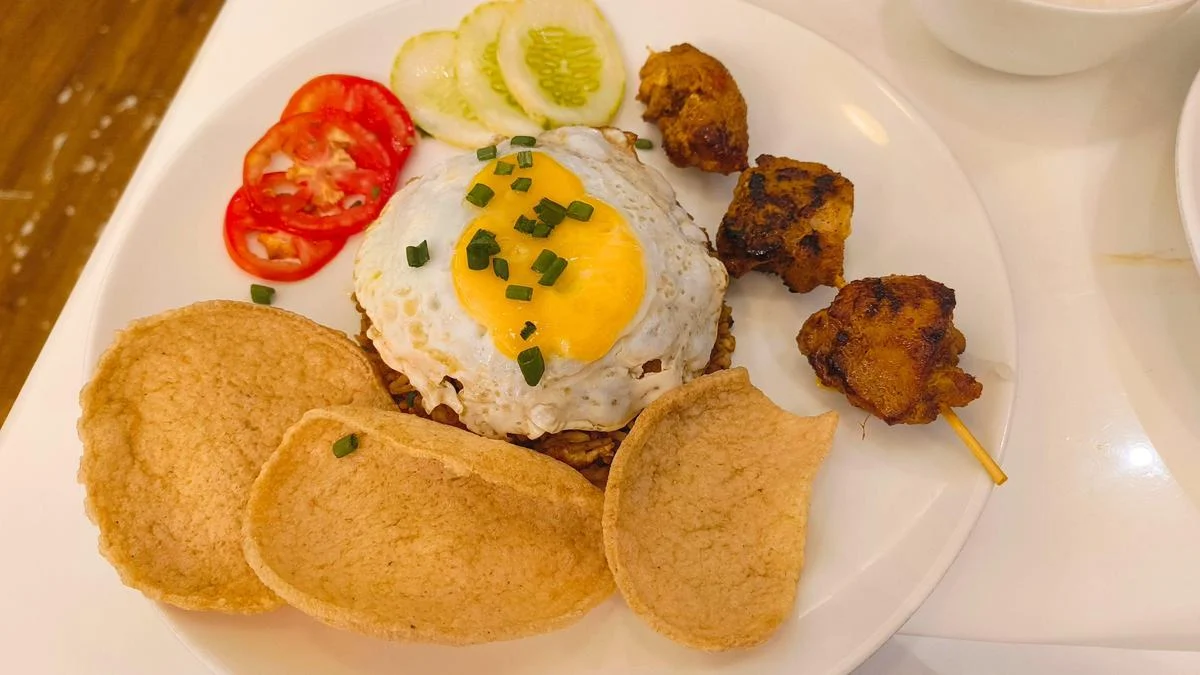
A standout on the menu is the Nasi Goreng. Rich with seafood flavors and served with keropok (Thai crackers), the dish is presented with a traditional half-boiled egg. The runny yolk acts as a natural sauce, binding the fried rice grains together, while fresh slices of cucumber and carrot provide a necessary crunch and palate cleanser.
The Sweet Finale
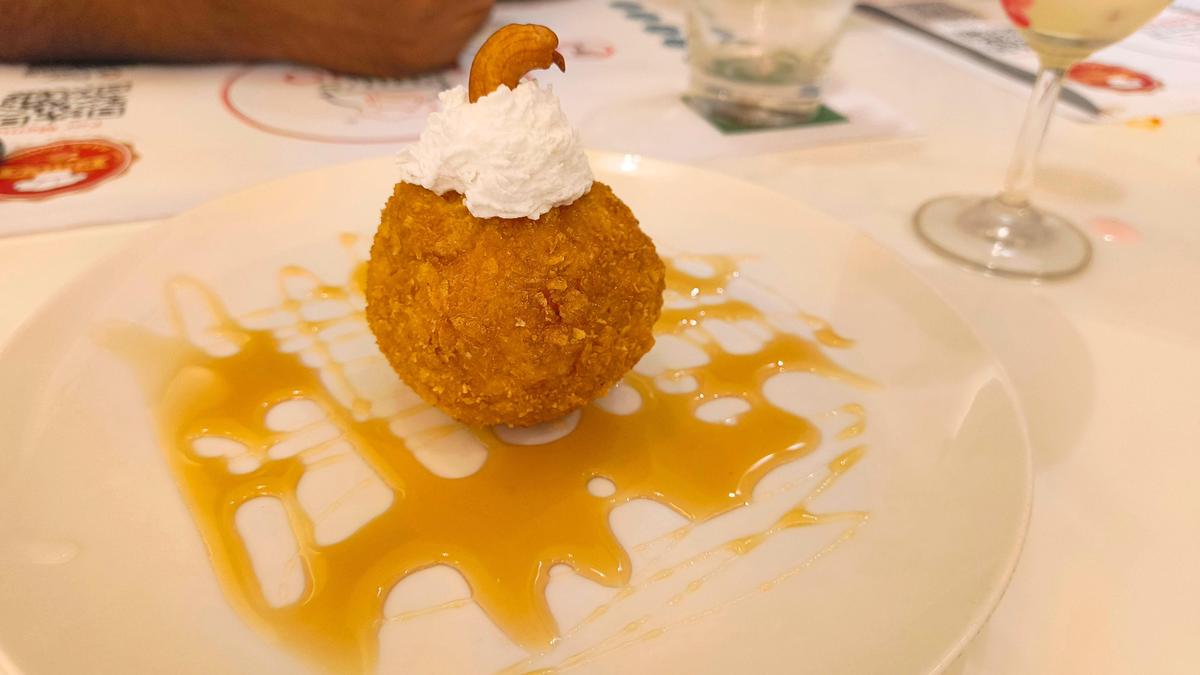
The dessert menu offers a binary choice: the Tub Tim Krob (Red Ruby) and Fried Ice Cream. The former, consisting of water chestnuts stained a vibrant red and served in chilled coconut milk, is a sophisticated, low-sugar option. The latter caters to the indulgent palate, offering a textural play between a hot, crispy crust and a frozen core.
Official Responses: The Vision of Philip Abraham
Philip Abraham, the driving force behind the bistro, is candid about the challenges of introducing international cuisines to a city with such a strong culinary ego.
"We introduced this idea because Madurai is still relatively new to authentic Thai cuisine," Abraham stated. "The challenge isn’t just in the cooking; it’s in the sourcing. To ensure the flavors are genuine, we cannot rely solely on local substitutes. Most of the essential ingredients, including the specific sauces and curry pastes, are imported. We want to provide an experience that is as close to a Bangkok bistro as possible, right here in Managiri."
Abraham also noted that the response from the local community has been a mixture of curiosity and enthusiasm. "People in Madurai have very evolved palates. They understand spice and depth. Once they realize that Thai food offers a different kind of heat—one that comes from fresh herbs rather than just dried chilies—they really embrace it."
Implications: The "Glocalization" of Tier-2 Cities
The success of the Thai Food Festival at Phil’s Bistro has broader implications for the economic and cultural trajectory of cities like Madurai.

1. The Diversification of the Food Economy
As more specialty restaurants succeed, it encourages a more robust supply chain. The demand for "imported ingredients" mentioned by Abraham suggests a growing market for premium logistics and international food sourcing within Tamil Nadu, moving beyond the Chennai-centric model.
2. Cultural Modernization
Food is often the first step in cultural modernization. For Madurai, a city that prides itself on its ancient heritage, the acceptance of Thai cuisine signifies an opening up to the world. It suggests that the city’s residents are no longer content with "standard" fare and are seeking "experience-based" dining.
3. The "Bistro Culture" Trend
The rise of small, high-quality bistros over large, multi-cuisine banquet halls indicates a shift toward curated dining. This trend mirrors developments in global cities where the focus is on a limited, high-quality menu rather than an exhaustive, mediocre one.
4. Tourism and Gastronomy
As Madurai continues to be a major tourist hub, the presence of authentic international food options like those at Phil’s Bistro makes the city more hospitable to international travelers and domestic tourists from metros who may seek variety during their stay.
Conclusion
Phil’s Bistro is doing more than just frying ice cream or simmering curry; it is testing the boundaries of a city’s taste buds. While the Kari Dosa will likely always remain the king of Madurai’s culinary heart, the arrival of Tom Yum and Massaman curry indicates that there is plenty of room at the table for new flavors. As the festival continues, it stands as a testament to the fact that even the most traditional cities are ready for a global upgrade, one plate at a time.
For those looking to experience this culinary bridge, the festival remains open at KK Nagar, offering a sophisticated reprieve from the summer heat and a flavorful journey to the heart of Thailand.
Logistics at a Glance:
- Location: 444, 9th Main Rd, Managiri, Madurai.
- Average Cost: ₹1500 for two people.
- Signature Dishes: Massaman Curry, Nasi Goreng, Tub Tim Krob.
- Atmosphere: Wholesome, traditional, and intimate.
