

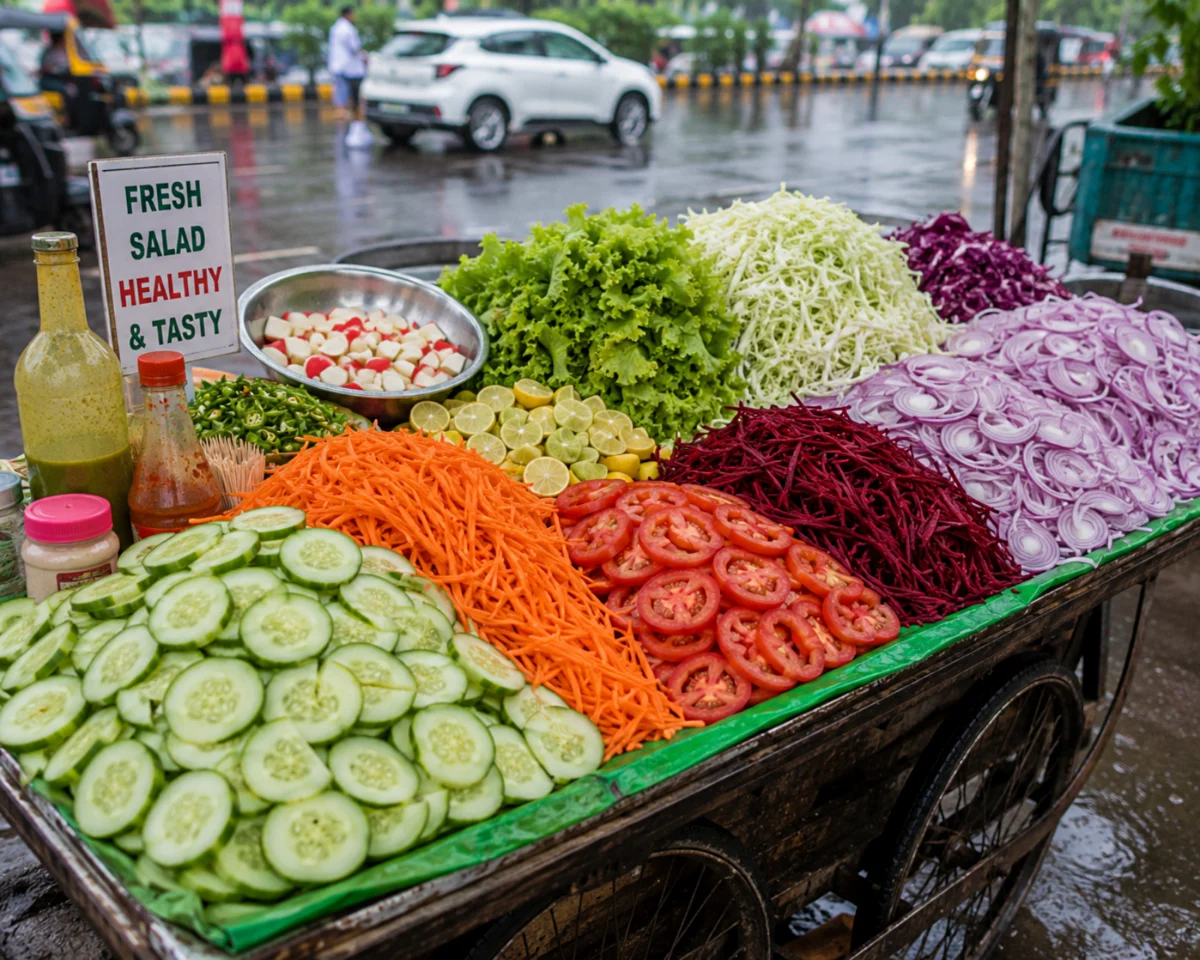
The arrival of the monsoon in the Indian subcontinent is often greeted with a sense of relief as it provides a much-needed respite from the sweltering summer heat. However, for healthcare professionals, the rainy season marks the beginning of a challenging period characterized by a sharp spike in gastrointestinal infections and foodborne illnesses. While health-conscious individuals typically lean toward leafy greens and fresh salads, experts are now warning that during the monsoon, these very staples can become a "perfect recipe for infection."
As the rainwater saturates the soil and humidity levels soar, the biological landscape shifts, creating an environment where pathogens thrive. This phenomenon has prompted a chorus of warnings from dieticians and physicians alike, urging consumers to rethink their vegetable shopping and preparation habits.
Main Facts: The Hidden Dangers in the Vegetable Basket
The core of the issue lies in the intersection of environmental conditions and agricultural logistics. According to Dr. Deeksha Katiyar, a prominent homoeopathic physician and Co-Founder of WeClinic Homoeopathy, there is a "noticeable rise in digestive complaints" as soon as the rains set in. The primary concern is not the nutritional value of the vegetables themselves, which remains high, but the external factors that accompany the season.
"Excess moisture, poor storage, and improper handling" are the three pillars of vegetable-induced infections during the rainy season, Dr. Katiyar explains. When these factors converge, vegetables—particularly those grown close to the ground—become carriers for a variety of pathogens, including bacteria like E. coli and Salmonella, as well as various fungi, parasites, and insects.
The risk is tiered. While most vegetables require more scrutiny during this time, certain categories pose a significantly higher threat to human health. Dieticians emphasize that the goal is not to eliminate vegetables from the diet—as they are essential for immunity—but to transition toward safer varieties and more rigorous preparation methods.
Chronology: How the Monsoon Transforms the Food Supply Chain
The transition from the dry summer to the wet monsoon triggers a series of events in the food supply chain that compromises vegetable safety:
- The Planting and Harvest Phase: During heavy rains, soil becomes saturated and "splash-back" occurs. Soil particles, which may contain animal waste or stagnant water pathogens, are splashed onto the leaves and stems of low-lying crops like spinach and lettuce.
- The Transport Phase: Waterlogging on roads and in wholesale markets (mandis) often leads to vegetables sitting in contaminated rainwater for extended periods. The high humidity prevents the produce from drying, accelerating the decomposition process.
- The Retail Phase: In many local markets, vegetables are displayed in the open. The damp air encourages the rapid multiplication of microbes on the surface of the produce.
- The Consumer Phase: High humidity during the monsoon can slow down human digestion, making the body more susceptible to infections that the immune system might have fended off during drier months.
The "Big Five": Vegetables to Approach with Caution
Dt. Richa Sharma, Senior Dietician at Kailash Deepak Hospital, identifies five specific categories of produce that consumers should either avoid or handle with extreme care during the rainy season.
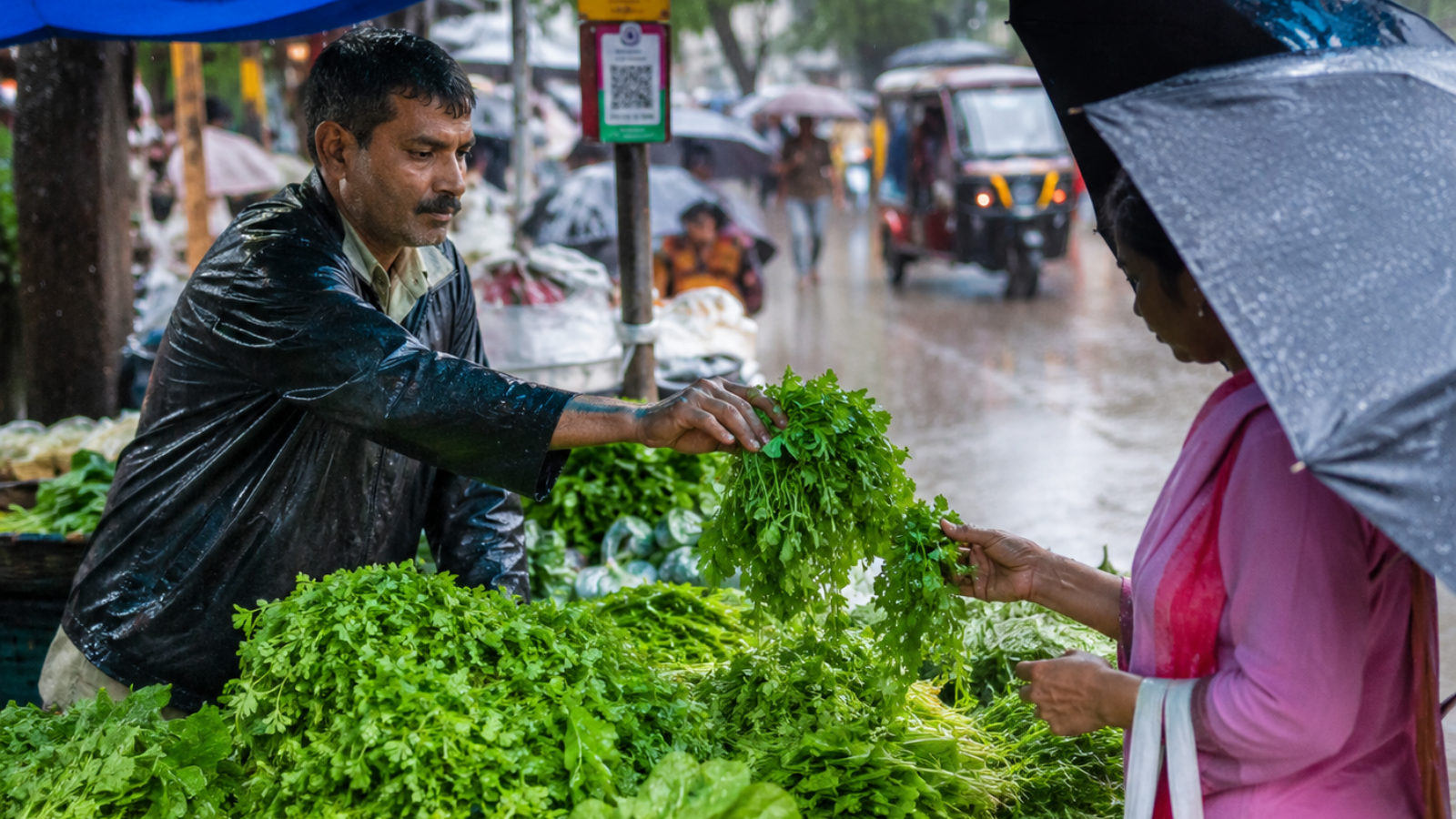
1. Green Leafy Vegetables
Spinach (palak), fenugreek (methi), mustard greens (sarson), coriander, and cabbage are the primary offenders. Their physical structure is their downfall; the multiple layers, folds, and ridges of the leaves provide a sanctuary for mud, moisture, and microscopic insect eggs. "If they aren’t washed thoroughly and cooked properly, they may increase the risk of stomach infections, diarrhea, and food poisoning," Sharma warns.
2. Raw Salad Vegetables
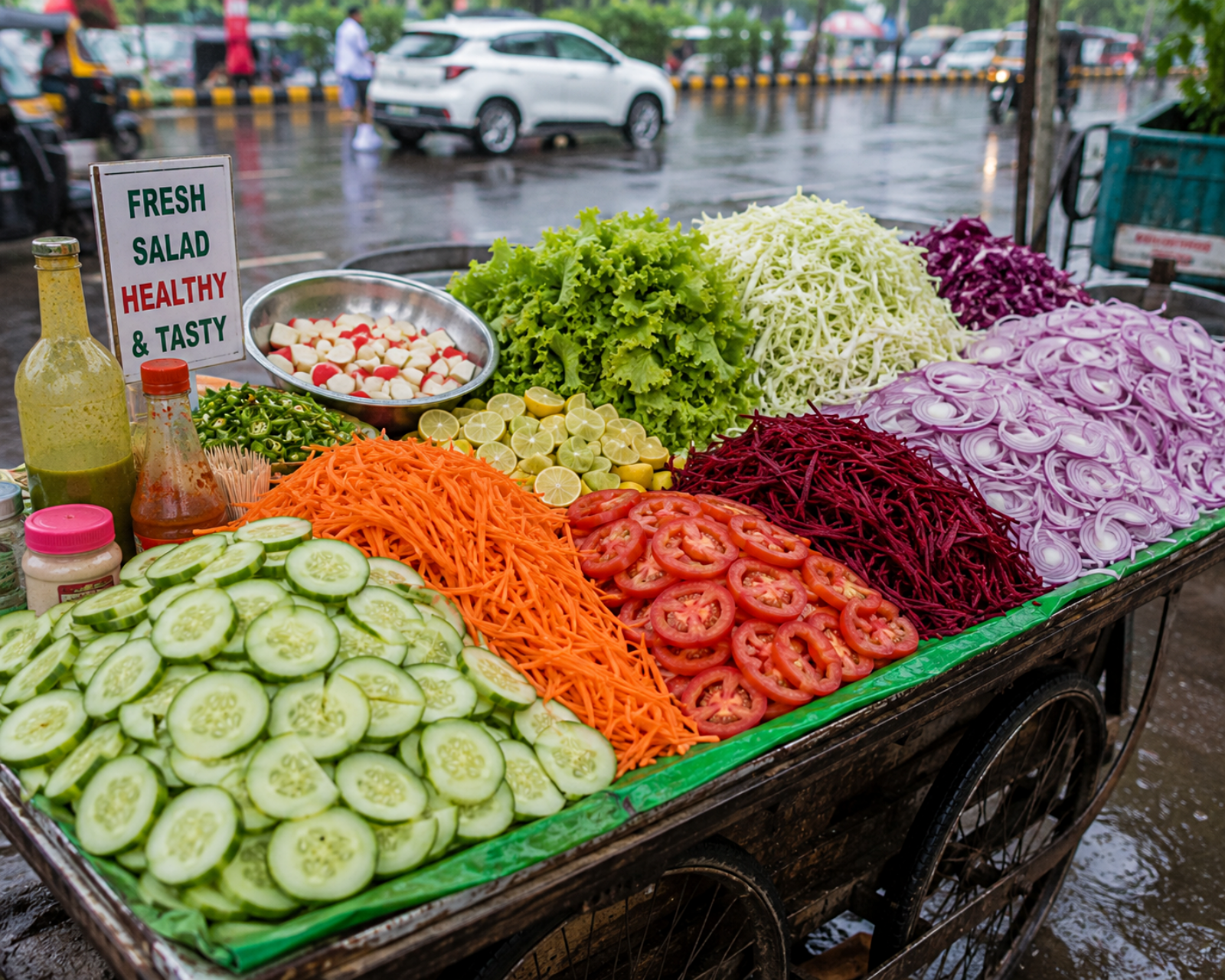
While cucumbers, carrots, and tomatoes are nutritional powerhouses, eating them raw—especially at roadside stalls or restaurants—is a high-risk activity in the monsoon. Because these items do not undergo the sterilization process of cooking, any surface pathogen enters the digestive tract directly.
3. Pre-cut Vegetables
In an era of convenience, many urban consumers opt for pre-washed and pre-cut vegetable packs. However, during the monsoon, the increased surface area of cut vegetables, combined with heat and humidity, allows bacteria to multiply at an exponential rate. A bag of pre-cut vegetables that has sat on a shelf for a few hours can become a petri dish for infection.
4. Produce from Unhygienic Vendors
The environment in which the vegetable is sold is as important as the vegetable itself. Produce sold in areas with poor drainage, or where the water used to refresh the vegetables is of questionable quality, should be strictly avoided. Contaminated water is a primary vector for waterborne diseases like Cholera and Typhoid.
5. Wilted or "Slime-Coated" Produce
Vegetables that appear bruised, excessively wet, or have a slimy texture are already in the process of microbial decay. Dr. Katiyar notes that these are clear signs of fungal or bacterial growth, which is accelerated by the damp weather.
Supporting Data: The Science of Monsoon Microbes
The reason for the medical community’s concern is backed by microbiological realities. During the monsoon, the ambient temperature usually fluctuates between 25°C and 35°C with humidity often exceeding 80%. This is the "Goldilocks zone" for microbial growth.
- Fungal Proliferation: Molds and yeasts thrive in damp environments. Fungal spores that remain dormant during the summer "awaken" in the moisture of the monsoon, leading to rapid spoilage.
- Parasitic Load: The monsoon is the breeding season for many insects. Leafy greens often harbor the larvae of various parasites which, if ingested, can lead to long-term intestinal issues.
- Digestive Sensitivity: From a physiological standpoint, some medical traditions, including Ayurveda and Homoeopathy, suggest that the body’s "digestive fire" or metabolic rate dips during the monsoon. This makes the gut less resilient to external pathogens.
Official Responses and Expert Recommendations
Medical professionals are not suggesting a boycott of the vegetable market, but rather a strategic shift in consumption.
The "Gourd" Alternative:
Dr. Katiyar points out that nature provides its own protection during this season. "Vegetables with a natural outer covering, such as bottle gourd (lauki), ridge gourd (turai), pumpkin, ash gourd, and pointed gourd (parwal), are generally a safer choice," she says. The thick, inedible skin acts as a biological shield, ensuring the edible flesh inside remains sterile until it is peeled and cooked.
The Golden Rule of Cooking:
Dt. Richa Sharma emphasizes a "cook-it-to-kill-it" philosophy. Heat is the most effective way to neutralize the pathogens that the monsoon brings. Steaming, boiling, or sautéing vegetables at high temperatures for a sufficient duration ensures that even if microbes were present, they are rendered harmless before consumption.
Sanitation Protocols:
Experts are unanimous in their advice against using chemical detergents or soaps on produce. Instead, they recommend:
- Running Water: Washing each leaf or vegetable individually under high-pressure tap water to physically dislodge mud and insects.
- Saline or Baking Soda Soaks: A mild solution of food-grade baking soda or common salt can help in removing pesticides and some microbial load.
- Individual Inspection: Manually checking the undersides of leaves and the crevices of vegetables like cauliflower for hidden pests.
Implications for Public Health and Consumer Behavior
The seasonal shift in vegetable safety has broader implications for public health management. Every year, the monsoon season puts an immense strain on the healthcare infrastructure due to the influx of patients with "Monsoon Maladies." By educating the public on vegetable safety, health officials hope to reduce the burden of preventable foodborne illnesses.
Furthermore, there is an economic implication for the agricultural sector. Farmers and vendors who invest in better storage solutions—such as raised platforms and moisture-controlled environments—are likely to see less wastage and better consumer trust.
For the average consumer, the monsoon requires a transition from "convenience-based eating" to "caution-based eating." The practice of eating raw salads at public gatherings or purchasing pre-sliced fruits from street vendors must be curtailed to navigate the season safely.
Conclusion: A Balanced Approach to Seasonal Nutrition
The monsoon is a time of renewal and beauty, but it demands a heightened sense of vigilance regarding what we put on our plates. By understanding that "fresh" does not always mean "safe" during the rains, consumers can protect themselves and their families.
As Dt. Richa Sharma concludes, "Vegetables should continue to be a regular part of your diet." The key is not avoidance, but the application of "extra caution." By favoring gourds over greens, opting for home-cooked meals over raw street food, and adopting rigorous cleaning rituals, one can enjoy the benefits of a vegetable-rich diet without falling prey to the seasonal perils of the monsoon.
DISCLAIMER: This article is based on information from the public domain and the experts cited. The rainy season brings various regional health challenges; always consult your local health practitioner or a certified dietician before making significant changes to your dietary routine or if you experience symptoms of foodborne illness.
