

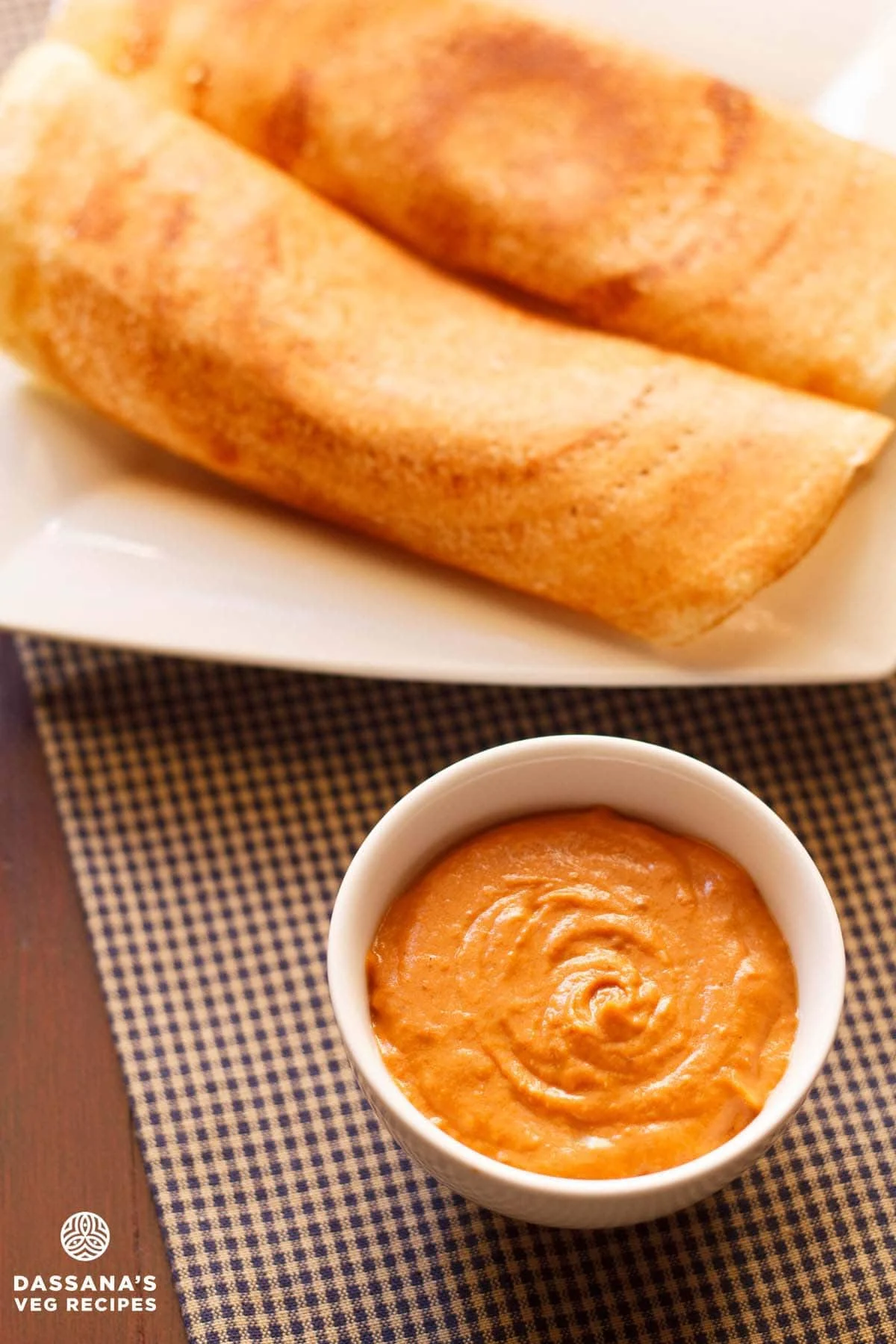
The landscape of South Indian gastronomy is frequently defined by its foundational elements: the fermented batters of idli and dosa. However, culinary experts and home cooks alike argue that the true soul of these meals lies in the accompaniments. Among the diverse array of condiments, the Onion Tomato Chutney stands as a masterclass in flavor balancing—a versatile, tangy, and mildly spicy relish that has become a staple in households across the Indian subcontinent and beyond.
This report examines the intricate methodology, nutritional profile, and cultural significance of this specific chutney variant, which bridges the gap between simplicity and sophisticated flavor profiles.

I. Main Facts: The Anatomy of a Classic Condiment
Onion Tomato Chutney is a quintessential South Indian side dish characterized by its vibrant reddish-orange hue and a complex palate that hits four major taste markers: sweetness (from caramelized onions), tanginess (from tomatoes and tamarind), spiciness (from dried red chilies), and umami (from sautéed lentils).
Unlike the more volatile Coconut Chutney, which has a limited shelf life due to the rapid oxidation of fresh coconut fats, the Onion Tomato variant is robust. Its preparation involves a thorough sautéing process that not only concentrates the flavors but also acts as a mild preservative, allowing it to remain fresh for longer periods.

Key Ingredients and Their Functional Roles:
- Aromatics (Onions): Provide the base body and a natural sweetness that balances the acidity of other ingredients.
- Acidity (Tomatoes & Tamarind): Tomatoes offer a fresh tang, while a small amount of tamarind pulp provides a "rounded" tartness that lingers on the palate.
- Textural Agents (Urad Dal): Split black gram (urad dal) is sautéed until golden, contributing a nutty aroma and a slight thickness to the final blend.
- Heat (Dried Red Chilies): The primary source of capsaicin, which can be adjusted to suit regional or personal preferences.
- Flavor Enhancers (Asafoetida/Hing): A pinch of this resin provides a savory depth often compared to leeks or garlic, essential for traditional digestive health and aroma.
II. Chronology: The Methodology of Flavor Extraction
The preparation of a high-quality Onion Tomato Chutney is a chronological process that requires approximately 20 minutes. The sequence of adding ingredients is critical to prevent the burning of delicate spices while ensuring the raw smell of the vegetables is entirely eliminated.
Phase 1: The Tempering of Lentils and Chilies
The process begins with the heating of a neutral oil—typically sunflower or peanut oil—over a low-to-medium flame. The introduction of urad dal is the first critical step. The lentils must undergo the Maillard reaction, turning a light golden brown to release their nutty essence. Once the lentils reach this stage, dried red chilies are introduced. If the heat is too high, the chilies will scorch, turning the chutney bitter; thus, constant agitation is required until the chilies deepen in color.

Phase 2: Caramelization of Aromatics
Following the lentils, chopped onions are added to the pan. In this specific methodology, the goal is not a deep, dark caramelization (as seen in French onion soup) but rather a softening until they reach a translucent, light golden state. This preserves the onion’s inherent moisture while removing the sharp, pungent "bite" of raw alliums.
Phase 3: The Tomato Breakdown
Once the onions are prepped, tomatoes are introduced alongside salt and asafoetida. This stage is the most time-intensive. The tomatoes must be cooked until they lose their structural integrity and turn into a pulpy mass. This ensures that the water content is reduced and the flavors are concentrated. If the mixture begins to stick, small increments of water are added to facilitate "de-glazing," ensuring no flavor is lost to the bottom of the pan.

Phase 4: Integration and Blending
The mixture must be allowed to cool to room temperature before mechanical processing. Blending hot ingredients can cause steam buildup, leading to accidents and altering the texture. A small piece of seedless tamarind is added at this stage. The final blend should be smooth. While some prefer a coarse texture, the standard journalistic consensus on this recipe suggests a silky consistency for better adherence to the porous surfaces of idlis and dosas.
III. Supporting Data: Nutritional and Chemical Analysis
From a nutritional standpoint, Onion Tomato Chutney is a low-calorie, nutrient-dense addition to a meal. Based on a standard serving size (approximately 1/3 of the recipe yield), the data reveals a profile conducive to heart-healthy and weight-conscious diets.

Nutritional Breakdown (Per Serving):
- Caloric Content: 67 kcal
- Macronutrients: 6g Carbohydrates, 5g Fat (predominantly monounsaturated), and 1g Protein.
- Micronutrients:
- Vitamin A: 324 IU (Crucial for ocular health)
- Vitamin C: 7 mg (Antioxidant support)
- Sodium: 391 mg
- Potassium: 138 mg
The Chemistry of the Ingredients:
The use of Lycopene from cooked tomatoes is a significant health benefit; research indicates that the bioavailability of lycopene increases when tomatoes are heated with oil, as they are in this recipe. Furthermore, the inclusion of tamarind provides tartaric acid, a powerful antioxidant. The urad dal adds a small but notable amount of dietary fiber (1g per serving) and essential minerals like magnesium and phosphorus.
IV. Expert Perspectives and Variations
Culinary historians note that while the "base" of onion and tomato is consistent, regional variations reflect India’s diverse geography.

The Question of "Tadka" (Tempering)
A point of debate among South Indian chefs is the necessity of a final tempering. The recipe provided by culinary expert Dassana Amit suggests that the chutney is flavorful enough to stand without it. However, she acknowledges that for formal occasions, a secondary tempering of mustard seeds, curry leaves, and urad dal can be poured over the finished product. This adds a "top note" of aroma and a textural contrast (crunch) to the smooth purée.
Expert Tips for Quality Control:
- Variety of Onion: Red onions are generally preferred for their higher sugar content and pungency compared to white onions.
- Tomato Selection: Ripe, red tomatoes are essential. Using underripe tomatoes will result in a "green" or metallic taste that tamarind cannot fully mask.
- The Cooling Phase: Skipping the cooling phase before blending can "cook" the chutney further in the blender, potentially dulling the bright flavors of the fresh ingredients.
V. Implications: The Globalization of the "Tiffin" Culture
The rise of the Onion Tomato Chutney in global culinary circles is reflective of the broader "Tiffin" (South Indian breakfast) movement. As diners worldwide seek out gluten-free and vegan options, the pairing of fermented rice crepes (dosa) with plant-based chutneys has seen a surge in popularity.

Versatility Beyond Tradition
While traditionally served with idli, dosa, medu vada, and uttapam, the implications of this chutney extend to modern fusion cuisine. Its flavor profile—reminiscent of a spicy, savory jam—makes it an ideal candidate for:
- Sandwich Spreads: Replacing mayonnaise or mustard with a layer of onion tomato chutney adds a complex heat to grilled cheese or vegetable wraps.
- Appetizer Dips: Pairing the chutney with Western snacks like potato wedges or even as a topping for bruschetta.
- Protein Accompaniments: The acidity of the chutney makes it an excellent foil for rich, fatty meats or grilled paneer.
Sustainability and Home Cooking
The simplicity of the ingredients—all of which are shelf-stable or common pantry staples—highlights a shift toward sustainable, "zero-waste" cooking. The ability to transform humble onions and tomatoes into a gourmet condiment in under 20 minutes empowers home cooks to move away from processed, preservative-laden store-bought sauces.

Conclusion
The Onion Tomato Chutney is more than a simple condiment; it is a calculated balance of chemistry and tradition. By utilizing specific sautéing techniques and a precise chronology of ingredients, cooks can create a sauce that is nutritionally sound, culturally significant, and universally palatable. As South Indian cuisine continues to influence the global palate, the Onion Tomato Chutney remains a primary example of how basic ingredients can be elevated through the mastery of heat and spice.
