

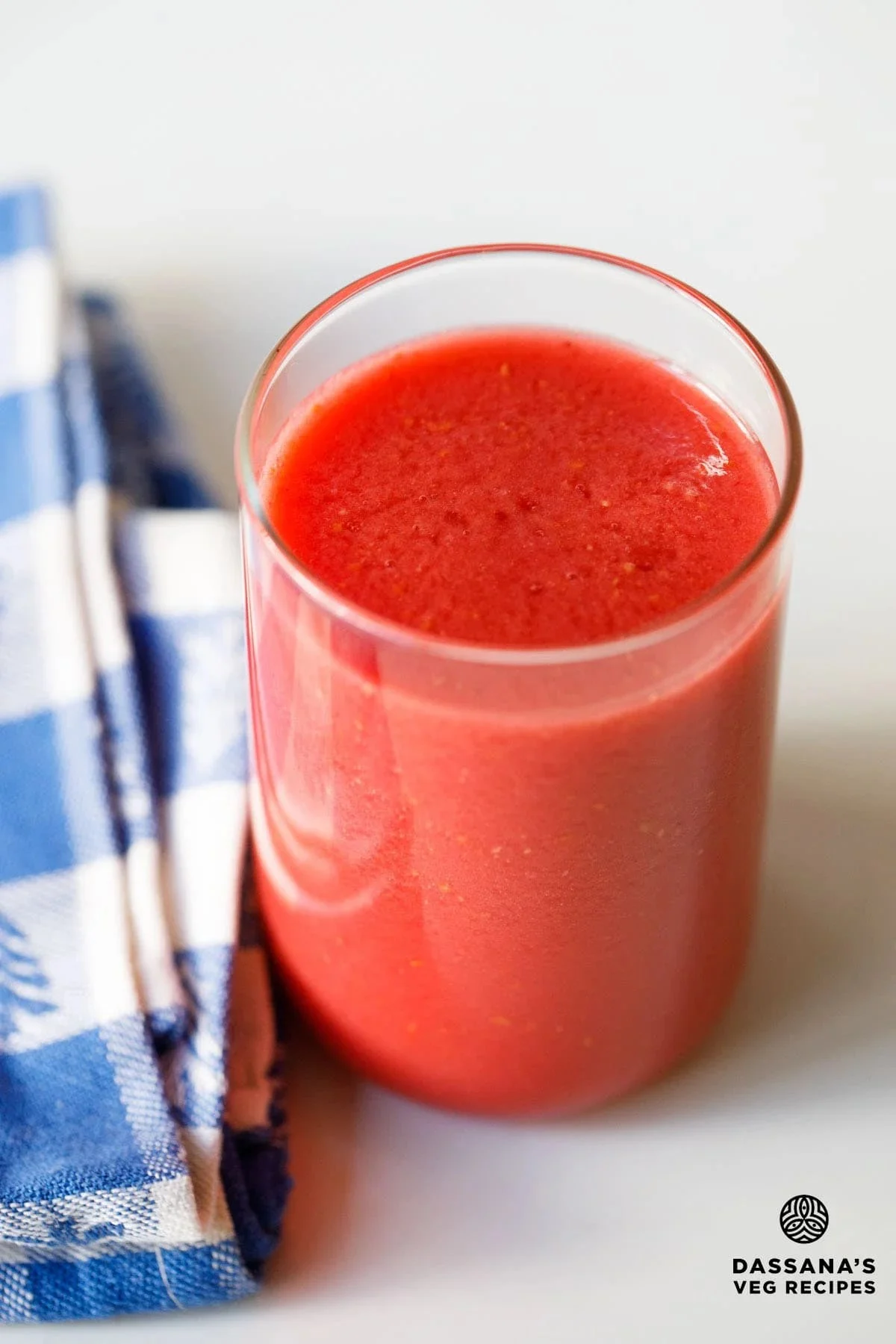
In an era increasingly dominated by ultra-processed foods and complex synthetic additives, a significant shift is occurring within the global beverage industry. Consumers are retreating from high-fructose corn syrup and artificial flavorings, opting instead for the minimalist elegance of whole-fruit extractions. At the forefront of this movement is a deceptively simple yet nutritionally potent drink: homemade raspberry juice.
Recently highlighted by culinary expert and Le Cordon Bleu-trained chef Dassana Amit, the preparation of raspberry juice serves as a case study in how basic ingredients—fresh berries, water, and a touch of sweetener—can yield a sophisticated gastronomic experience. This report explores the nuances of raspberry juice production, its nutritional efficacy, and its broader implications for the health-conscious consumer.
Main Facts: The Composition of a Functional Super-Drink
The fundamental appeal of raspberry juice lies in its "clean label" profile. Unlike commercial juices that often undergo pasteurization, which can degrade heat-sensitive vitamins, or contain "natural flavors" that mask low fruit content, the homemade version relies on the integrity of the raw fruit.

The Core Ingredients
The recipe advocated by professional chefs involves three primary components:
- Fresh or Frozen Raspberries: Approximately 250 grams of fruit serve as the base, providing the essential flavor, color, and micronutrients.
- Water: Acting as the solvent, roughly 1.5 cups of water are used to achieve a medium-thick consistency, though this can be adjusted based on the desired viscosity.
- Sweetener: While 4 to 5 tablespoons of sugar are standard for balancing the natural tartness of Indian raspberries, health-conscious variations often utilize honey, stevia, or agave nectar.
Flavor Dynamics
Raspberries are unique in the berry world for their high concentration of ketones and organic acids, which produce a distinct sweet-tart profile. In regions such as India, where fresh raspberries may lean toward a more acidic profile, the addition of sugar is not merely for sweetness but acts as a flavor enhancer that bridges the gap between the berry’s sharp acidity and its floral aromatic notes.
Chronology: The Mechanical Process of Fruit Extraction
The transition from whole fruit to a refined beverage involves a specific sequence of mechanical and culinary steps designed to preserve the fruit’s volatile compounds while optimizing texture.

Phase 1: Preparation and Sanitization
The process begins with the rigorous rinsing of the fruit. Raspberries are delicate, aggregate fruits with a high surface area, making them prone to trapping dust or agricultural residues. Utilizing a colander for thorough drainage is essential to ensure the final juice is not overly diluted by residual wash water.
Phase 2: High-Shear Blending
The fruit is transferred to a high-speed blender along with the water and sweetener. This stage is critical for mechanical breakdown. The blender’s blades rupture the cellular walls of the raspberries, releasing juice, pulp, and phytochemicals. If frozen berries are used, this phase results in a "slushy" consistency, which serves as a natural coolant without the need for additional ice.
Phase 3: Refinement and Customization
Post-blending, the juice presents a decision for the creator: to strain or not to strain.

- The Rustic Approach: Keeping the seeds intact maintains the maximum fiber content and provides a textured, "whole-food" mouthfeel.
- The Refined Approach: Using a fine-mesh strainer removes the seeds, resulting in a vibrant, ruby-red liquid that is preferred for formal service or for individuals with sensory sensitivities, such as young children or the elderly.
Phase 4: Final Balancing
The final step involves a "taste and adjust" protocol. If the berries lack sufficient acidity, chefs recommend adding approximately half a teaspoon of lemon juice to brighten the flavor. The juice is then either served immediately over ice or chilled for a maximum of five hours to ensure peak freshness.
Supporting Data: A Deep Dive into Nutritional Efficacy
The health benefits of raspberry juice are supported by a robust nutritional profile. A standard serving (approximately 2 medium glasses) provides a concentrated dose of essential vitamins and minerals.
Micronutrient Breakdown
According to nutritional analysis, a single serving of this homemade juice contains:

- Vitamin C (33 mg): This provides a significant percentage of the Daily Value (DV), acting as a powerful antioxidant that supports immune function and collagen synthesis.
- Fiber (8 g): Even when partially strained, the juice retains significant dietary fiber, which is crucial for digestive health and blood sugar regulation.
- Potassium (189 mg): An essential electrolyte that aids in heart health and fluid balance.
- Phytochemicals: Raspberries are rich in Vitamin K (10 µg), Vitamin E (1 mg), and Folate (26 µg), along with trace amounts of Magnesium and Phosphorus.
Caloric and Macronutrient Context
With approximately 157 kcal per serving, the juice is a moderate-calorie beverage. The 39 grams of carbohydrates are primarily derived from the fruit’s natural fructose and the added sweetener. Crucially, the drink remains low in fat (1g) and sodium (10mg), making it a heart-healthy alternative to processed snacks.
Official Responses: Insights from the Culinary Industry
Chef Dassana Amit, a veteran in the field of vegetarian and plant-based patisserie, emphasizes that the simplicity of the recipe is its greatest strength. Trained at Le Cordon Bleu, Amit’s approach to beverage creation focuses on "honest, soulful cooking."
"Raspberry juice is one of the easiest ways to enjoy the fresh flavor of the fruit," Amit notes. Her professional guidance highlights the importance of water ratios. "I prefer using 1½ cups of water for a fuller raspberry flavor. Avoid adding too much, as it can dilute the fresh berry flavor."

Industry experts suggest that the move toward home-blended juices like Amit’s is a response to the "transparency gap" in commercial labeling. When consumers make their own juice, they have 100% control over the sugar-to-fruit ratio, a factor that is often obscured in the industrial manufacturing of "fruit-flavored" drinks.
Implications: The Future of the "DIY" Beverage Movement
The rise of homemade raspberry juice is indicative of several larger trends within the food and beverage sector.
1. The Death of the Soda Era
As public health initiatives continue to highlight the links between sugary carbonated drinks and metabolic syndromes, drinks like raspberry juice are positioned as the "new luxury." The vibrant color and complex flavor profile provide a sensory experience that sodas cannot replicate, without the "empty calories" associated with processed syrups.

2. Seasonality and the Frozen Fruit Market
While fresh raspberries are highly seasonal and can be expensive in markets like India, the recipe’s compatibility with frozen fruit has significant economic implications. Frozen berries are often picked at peak ripeness and flash-frozen, preserving their nutritional integrity. This allows for the consumption of high-antioxidant drinks year-round, democratizing access to "superfoods" that were previously limited by geography and season.
3. Sustainability and Waste Reduction
Making juice at home reduces the carbon footprint associated with plastic bottling, transportation of heavy liquids, and industrial refrigeration. Furthermore, it allows consumers to use berries that might be slightly overripe—fruits that might otherwise be discarded but are perfect for blending.
4. Therapeutic and Social Benefits
Beyond nutrition, the act of preparing fresh juice has a psychological "halo effect." It aligns with the "slow food" movement, encouraging individuals to take an active role in their health. Socially, the vibrant aesthetic of raspberry juice makes it a popular choice for brunches and gatherings, serving as a non-alcoholic "mocktail" that feels celebratory rather than restrictive.

Conclusion: A Return to Basics
The resurgence of raspberry juice is more than a culinary trend; it is a recalibration of our relationship with food. By stripping away the stabilizers, dyes, and preservatives of the industrial age, and returning to the three-ingredient foundation of fruit, water, and sugar, we rediscover the inherent power of nature’s bounty.
As Chef Dassana Amit’s work demonstrates, professional technique does not always require complexity. Sometimes, it requires the restraint to let the fruit speak for itself. For the modern consumer looking to balance a busy lifestyle with a commitment to wellness, a chilled glass of raspberry juice offers a refreshing, vibrant, and scientifically sound solution. Whether served as a morning vitality boost or a cooling summer afternoon reprieve, it remains a testament to the enduring appeal of simple, honest ingredients.
