

By [Your Name/News Outlet Name]
In the relentless hum of modern life, a quiet solution has become indispensable for many: earplugs. From muffling the disruptive snores of a partner to creating a sanctuary from the cacophony of urban traffic, these small inserts promise a precious commodity – uninterrupted sleep. Yet, as an increasing number of individuals incorporate earplugs into their nightly routine, a crucial question emerges: what are the potential long-term medical consequences of consistently placing foreign objects within the delicate confines of our ear canals for several hours each night?
This burgeoning concern recently surfaced on the popular online forum Quora, where a user posed a direct query: "Are there any medical consequences from sleeping with earplugs?" The question, reflecting a common curiosity about everyday practices, garnered insights from medical professionals, shedding light on both the benefits and potential risks associated with regular earplug usage.
The Verdict: Generally Safe, But With Caveats
According to Dr. Jyotirmay S. Hegde, HOD & Lead Consultant ENT at Aster Whitefield Hospital, the consensus among experts is that sleeping with earplugs is generally safe for healthy individuals, provided they are used appropriately, cleaned thoroughly, and are well-fitted. For those grappling with sleep disturbances caused by external noise – whether it be a snoring spouse, the rumble of passing vehicles, or the irregular schedules of shift work – earplugs can indeed be a valuable tool for achieving restorative sleep.
"The key to safe and effective earplug use lies in adherence to proper practices," Dr. Hegde emphasizes. "This includes selecting earplugs that fit comfortably without being too deep in the ear canal, and ensuring they are always clean." The right size and fit are paramount, as is a gentle insertion technique, avoiding any forceful pushing that could cause discomfort or injury.
A Deeper Dive: Potential Risks and How to Mitigate Them
While the overall outlook for daily earplug users is positive, Dr. Hegde cautions that consistent, long-term use necessitates heightened awareness and proactive care. "Daily users must prioritize meticulous ear hygiene and remain vigilant for any signs of discomfort or adverse reactions," he advises.
One of the primary concerns associated with frequent earplug use is the potential for earwax buildup. Our ears possess a natural self-cleaning mechanism, where earwax gradually migrates outwards. However, regular insertion of earplugs can interfere with this natural process.
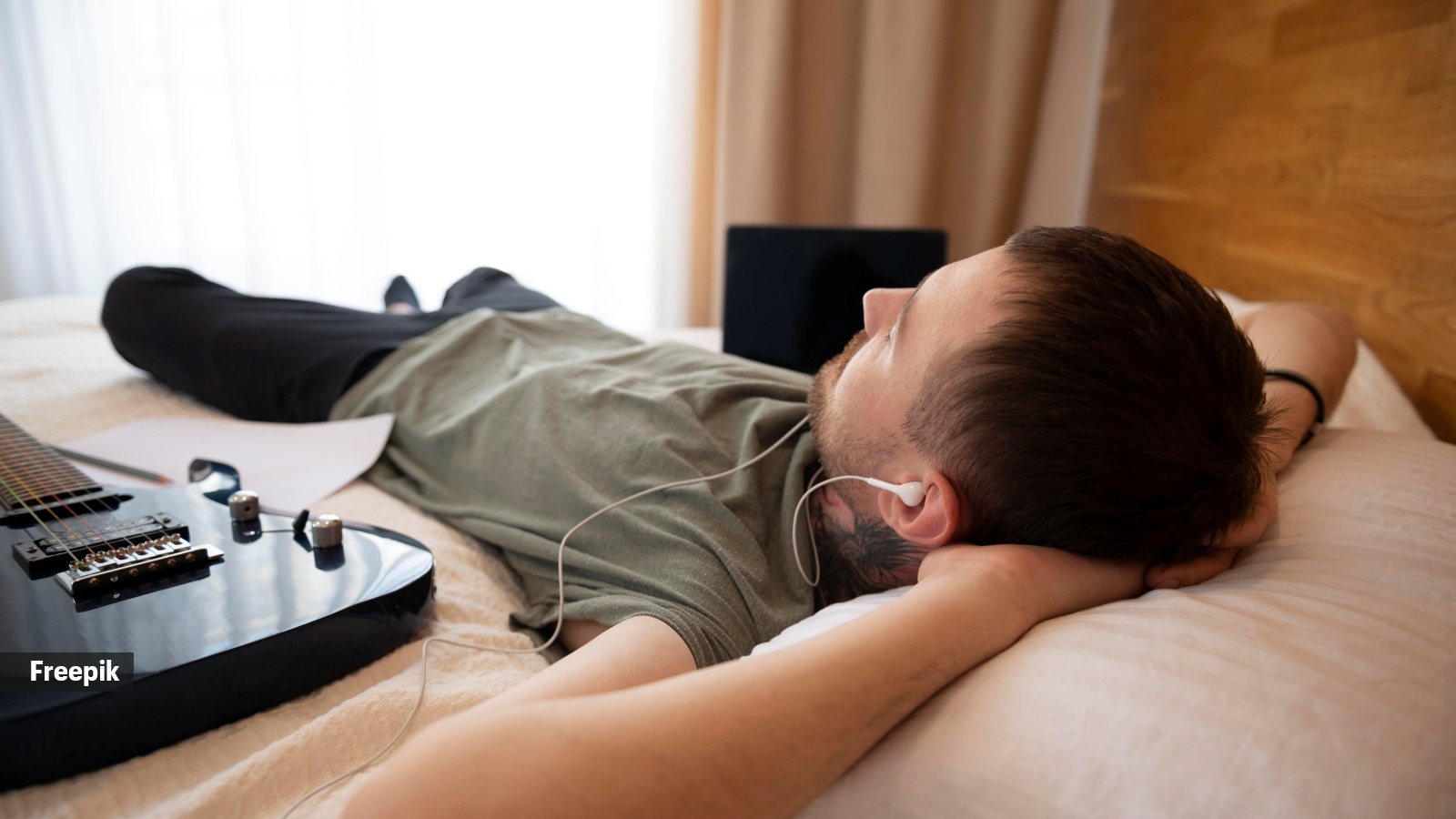
"When earplugs are used without proper care, they can inadvertently push earwax deeper into the ear canal," explains Dr. Hegde. "This can lead to a blockage, resulting in muffled hearing, a persistent feeling of fullness in the ear, and discomfort."
Beyond physical obstruction, the hygiene of the earplugs themselves presents another significant risk. Reused or uncleaned earplugs can become a breeding ground for bacteria and fungi. "Dirty or contaminated earplugs can introduce harmful microorganisms into the ear canal," Dr. Hegde warns. "This significantly increases the risk of developing otitis externa, commonly known as swimmer’s ear, an infection of the outer ear canal."
Improper insertion, prolonged wear, or the continued use of dirty earplugs can also lead to more direct physical harm. These issues can manifest as small abrasions within the ear canal, pressure ulcers, general irritation, or even inflammation. Dr. Hegde stresses the importance of following manufacturer instructions for insertion and removal, advocating for a gentle approach. "Any sensation of painful insertion is a clear indicator that the earplugs are either too large or are not being inserted correctly," he states.
Who Should Exercise Caution? Identifying At-Risk Individuals
While the majority of healthy individuals can safely incorporate earplugs into their nightly routine, certain populations should approach this practice with greater caution and, ideally, consult with a medical professional beforehand.
Individuals experiencing recurrent ear pain, discharge from the ear, or a history of ear infections should refrain from using earplugs until their condition has fully resolved and under medical guidance. Similarly, those who rely on hearing aids or have pre-existing chronic skin conditions affecting the ear canal may require personalized recommendations from their doctor regarding earplug use.
Maintaining Hygiene: The Crucial Role of Cleaning and Replacement
For those opting for reusable earplugs, diligent cleaning is not merely a suggestion but a necessity. Dr. Hegde recommends a thorough washing with mild soap and water after each use. It is crucial to allow the earplugs to dry completely before storing them or using them again.
The lifespan of reusable earplugs is also a critical factor. They should be replaced if they exhibit any signs of wear and tear, such as cracking, discoloration, hardening, or if they become difficult to clean effectively.
Disposable earplugs, as their name suggests, are designed for single use. Reusing them significantly increases the risk of infection and diminished effectiveness. They should be discarded promptly if they become soiled, lose their shape, or fail to expand properly to create a seal.
When to Seek Professional Help: Recognizing Warning Signs
While earplugs are intended to enhance comfort and sleep quality, they should never cause pain or negatively impact hearing. If users experience any of the following symptoms, it is imperative to discontinue earplug use and seek immediate medical attention:
- Ear Pain: Discomfort or aching within the ear.
- Itching: Persistent or intense itching in the ear canal.
- Redness or Inflammation: Visible signs of irritation or swelling in or around the ear.
- Ear Discharge: Any fluid or pus draining from the ear.
- Bleeding: Any presence of blood from the ear.
- Hearing Loss: A noticeable reduction in the ability to hear.
- Buzzing Sounds (Tinnitus): Experiencing ringing, humming, or other phantom noises in the ear.
- Dizziness: A sensation of unsteadiness or spinning.
- Feeling of Blockage or Fullness: A persistent sensation that the ear is clogged.
These symptoms could be indicative of various issues, including impacted earwax, excessive irritation, or a developing ear infection. Dr. Hegde also strongly advises against the common practice of attempting to remove earwax with cotton swabs or sharp objects. Such interventions can exacerbate the problem by pushing the wax deeper into the ear canal or, worse, causing injury to the delicate ear structures.
The Broader Implications: A Growing Need for Awareness
As the world continues to grapple with noise pollution and the pursuit of quality sleep, earplugs have emerged as a simple yet effective solution for many. However, this widespread adoption necessitates a greater public understanding of their safe and responsible use. The insights provided by medical professionals like Dr. Hegde underscore the importance of a balanced approach – embracing the benefits of earplugs while remaining mindful of the potential risks. By prioritizing proper hygiene, appropriate usage, and by listening to our bodies’ signals, we can ensure that these small sound-blockers contribute to our well-being, rather than inadvertently causing harm.
The conversation initiated on Quora and amplified by expert opinion highlights a growing need for accessible, evidence-based information on everyday health practices. As more individuals seek to optimize their sleep and well-being, understanding the nuances of tools like earplugs becomes increasingly vital. The quiet revolution in sleep hygiene is here, and with it comes the responsibility to navigate it wisely.
Disclaimer: This article is based on information from the public domain and expert opinions. It is intended for informational purposes only and does not constitute medical advice. Always consult with a qualified healthcare practitioner before making any decisions related to your health or starting any new routine.
