

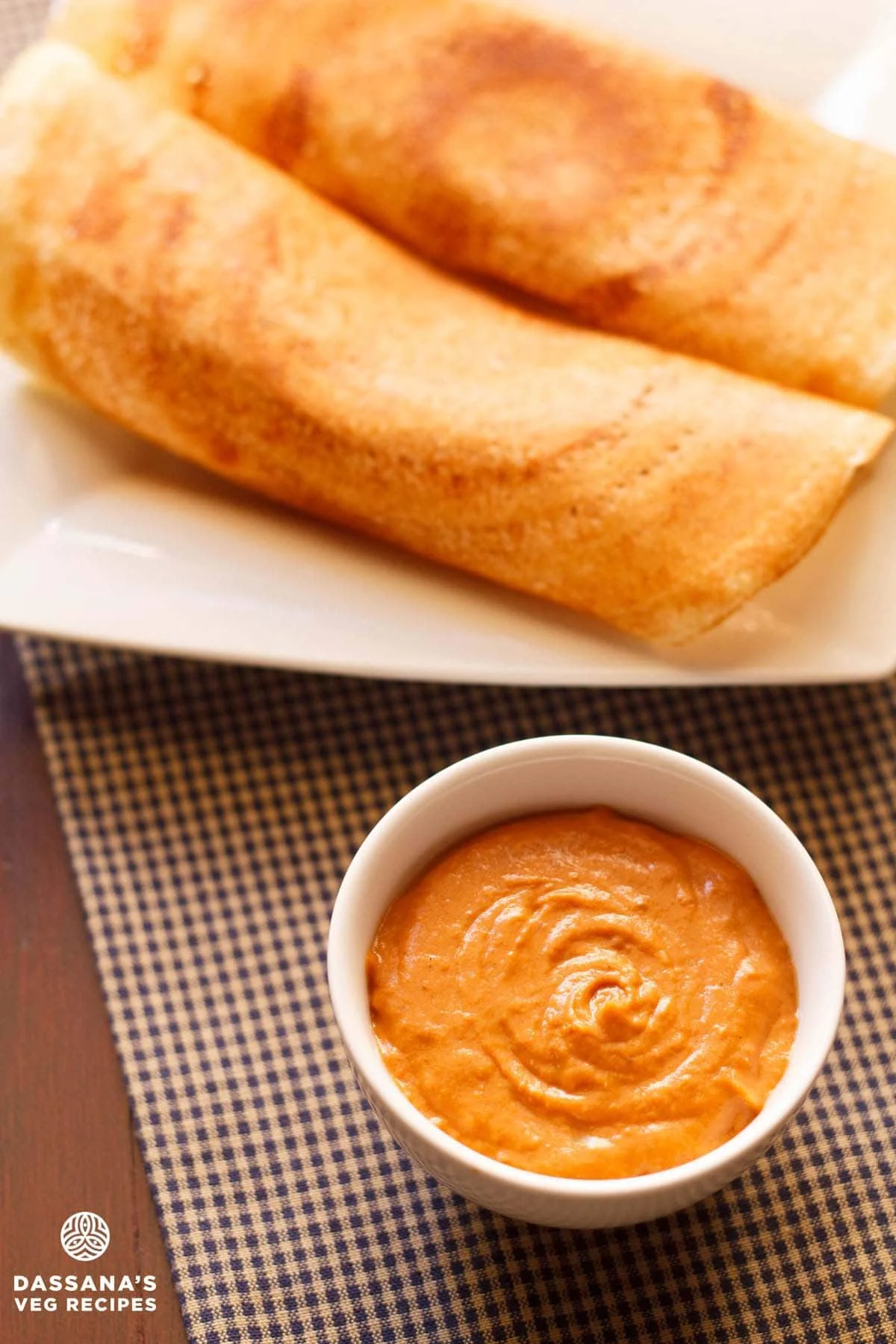
Introduction: The Essential Condiment of the Tiffin Tradition
In the sprawling landscape of South Indian gastronomy, few elements are as foundational—yet as infinitely variable—as the chutney. Often relegated to the status of a "side dish" in Western culinary parlance, the chutney is, in reality, the structural backbone of the South Indian breakfast, or "tiffin." Among the pantheon of coconut, peanut, and cilantro-based condiments, the Onion Tomato Chutney stands as a masterclass in flavor balancing.
Characterized by a sophisticated profile that navigates the intersection of sweetness, acidity, and heat, this specific preparation serves as more than a dip; it is a chemical bridge between the fermented batter of a dosa and the savory complexity of a medu vada. According to culinary experts and home cooks alike, the Onion Tomato Chutney represents a domestic art form where the proportions of humble pantry staples are calibrated to achieve a "rounded" palate. This report explores the technical preparation, nutritional data, and cultural implications of this enduring culinary staple.

Main Facts: Defining the Flavor Profile
The Onion Tomato Chutney is a vibrant, reddish-orange condiment primarily composed of sautéed alliums and nightshades, bolstered by the earthy depth of roasted lentils. Unlike its raw counterparts, this cooked chutney relies on the caramelization of onions and the reduction of tomatoes to create a thick, spreadable consistency.
Key Components:
- The Aromatics: Red or pink onions provide a base of natural sugars that emerge through slow sautéing.
- The Acid: Ripe tomatoes offer a bright tanginess, which is often reinforced by the addition of tamarind (Tamarindus indica).
- The Textural Agent: Urad dal (split black gram) is toasted in oil at the start of the process, providing a nutty undertone and acting as a natural thickener when ground.
- The Heat: Dried red chilies provide a lingering warmth that cuts through the acidity of the tomatoes.
- The Flavor Enhancer: Asafoetida (hing) adds an umami-rich, sulfurous depth that mimics the complexity of garlic and leeks.
The versatility of this recipe lies in its adaptability. While the core ingredients remain constant, individual households adjust the ratios to prioritize either the sweetness of the onion or the sharp tang of the tomato, making it a highly personalized element of the Indian kitchen.

Chronology: The Technical Progression of Preparation
The construction of a high-quality Onion Tomato Chutney follows a specific chronological sequence designed to maximize the extraction of volatile oils from spices and the breakdown of vegetable fibers. The process typically spans 20 minutes from mise-en-place to final blending.
Phase I: Tempering and Toasting (The First 3 Minutes)
The process begins with the "tadka" or tempering, though in this version, the spices are incorporated into the base rather than added as a garnish. Neutral oil is heated over a low flame to ensure that the urad dal reaches a state of golden-brown perfection without burning. This step is critical; undercooked lentils remain hard and gritty, while overcooked lentils impart a bitter, charred flavor to the entire batch. Once the lentils are toasted, dried red chilies are introduced, allowing their capsaicin to infuse the oil.

Phase II: The Softening of Alliums (Minutes 4–10)
Chopped onions are added to the infused oil. In South Indian cookery, the goal for this chutney is not deep caramelization (as seen in French onion soup) but rather a transition to a translucent, light golden hue. This preserves the onion’s moisture while neutralizing its raw pungency.
Phase III: Reduction and Acid Integration (Minutes 11–18)
Tomatoes are introduced alongside salt and asafoetida. The salt serves a dual purpose: seasoning the dish and drawing out the moisture from the tomatoes through osmosis. This accelerates the breakdown of the tomato skins and pulp. The mixture is cooked until the "raw" smell of the tomato dissipates, resulting in a soft, pulpy mass. If the mixture dries too quickly, small increments of water are added to maintain a stew-like consistency.

Phase IV: Cooling and Emulsification (Final Minutes)
The mixture must be cooled to room temperature before mechanical blending. Adding a small piece of seedless tamarind at this stage provides a final layer of tartness. The ingredients are then processed into a smooth paste. Professional chefs often note that the lack of water during blending results in a more concentrated flavor and a longer shelf life.
Supporting Data: Nutritional Analysis and Chemical Balance
Beyond its sensory appeal, the Onion Tomato Chutney offers a profile rich in micronutrients and antioxidants. A single serving (approximately 2-3 tablespoons) contains approximately 67 calories, making it a high-flavor, low-calorie accompaniment.

Nutritional Breakdown (Per Serving):
- Total Fat: 5g (primarily monounsaturated from neutral oils)
- Carbohydrates: 6g (including 1g of dietary fiber and 3g of natural sugars)
- Protein: 1g
- Vitamin Profile: A significant source of Vitamin A (324 IU) and Vitamin C (7mg), largely derived from the cooked tomatoes and chilies.
- Minerals: Contains trace amounts of Potassium (138mg), Calcium (15mg), and Magnesium (8mg).
The Science of the "Rounded" Taste
The inclusion of tamarind is a strategic culinary choice. Chemically, the tartaric acid in tamarind balances the lycopene-heavy acidity of the tomatoes and the residual sugars of the sautéed onions. Furthermore, the use of urad dal introduces a small amount of plant-based protein and starch, which emulsifies the water and oil phases of the chutney, preventing separation after the blending process.
Official Responses: Expert Perspectives on Condiment Philosophy
Culinary historians and practitioners of South Indian cuisine emphasize that the Onion Tomato Chutney is a testament to the "zero-waste" and "resourceful" nature of the Indian kitchen.

Dassana, a noted authority on Indian vegetarian recipes, suggests that the beauty of this dish lies in its "forgiving nature." In her technical notes, she observes that while many chutneys require a final tempering of mustard seeds and curry leaves to be considered "complete," the Onion Tomato Chutney is robust enough to stand alone. "The sautéed lentils and chilies provide enough depth that a final tadka is optional, making it an ideal recipe for those seeking efficiency without sacrificing authenticity," she states.
Furthermore, health experts point out that the cooking process used here—sautéing rather than deep-frying—retains the bioavailability of the lycopene in tomatoes, which is more easily absorbed by the body when cooked with a small amount of fat.

Implications: Cultural Impact and Modern Versatility
The Onion Tomato Chutney is moving beyond its traditional borders. While it remains a non-negotiable partner for Dosa (fermented crepes), Idli (steamed rice cakes), and Uttapam (savory pancakes), its application in modern fusion cuisine is expanding.
The Rise of "Chutney Fusion"
In urban culinary centers, this chutney is increasingly utilized as:

- A Gourmet Spread: Its thick consistency and savory-sweet profile make it an excellent alternative to mayonnaise or mustard in sandwiches and wraps.
- A Mediterranean Hybrid: Because it shares a flavor base with Italian soffritto (onions and tomatoes), it is being used as a base for quick pasta sauces or as a dip for crusty sourdough bread.
- A Global Condiment: The balance of heat and acid allows it to pair effectively with non-Indian snacks, such as potato wedges, fritters (bajji), and even grilled meats or meat substitutes.
Storage and Sustainability
In an era focused on food sustainability, the Onion Tomato Chutney is an exemplary model. It utilizes common vegetables that have a long shelf life and can be prepared in bulk. When stored in an airtight container under refrigeration, the chutney maintains its integrity for 24 to 48 hours. The ability to "revive" the chutney with a splash of water or a fresh tempering of spices speaks to the practical longevity inherent in South Indian culinary design.
Conclusion: The Enduring Legacy of the Allium-Nightshade Blend
The Onion Tomato Chutney is more than a simple recipe; it is a culinary bridge. It connects the ancient traditions of lentil-based tempering with the vibrant, fresh produce of the modern garden. Through the careful application of heat, the strategic use of acid, and a respect for the chronological stages of cooking, this condiment transforms basic ingredients into a sophisticated sensory experience.

As South Indian cuisine continues to gain global prominence, the Onion Tomato Chutney stands as an accessible entry point for home cooks. It demands little in the way of specialized equipment—requiring only a pan and a blender—yet it offers a profound return on investment in terms of flavor, nutrition, and cultural richness. Whether served in a traditional steel bowl alongside a crispy dosa or used as a bold spread in a contemporary wrap, it remains a definitive example of the balance and brilliance of the Indian kitchen.
