

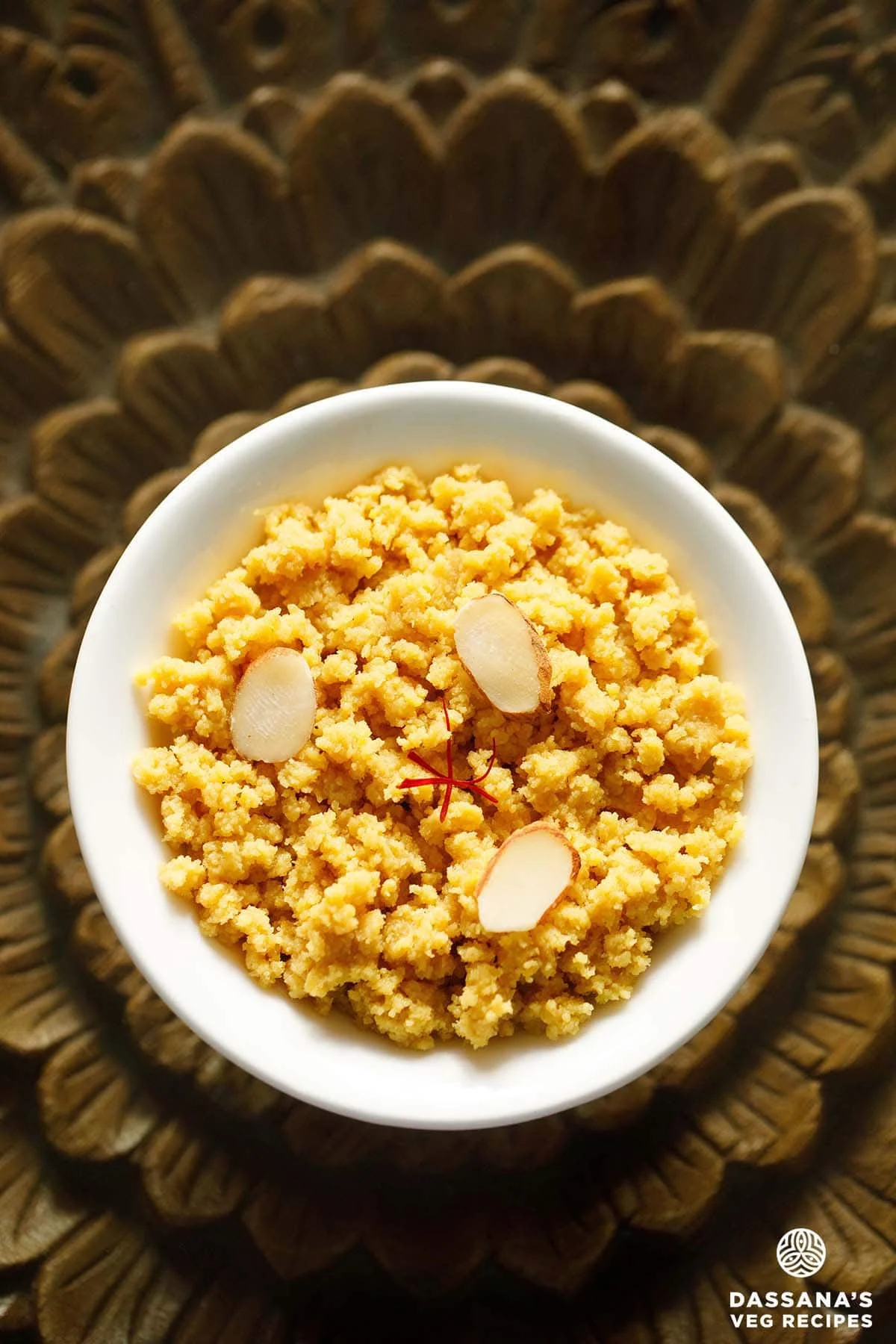
The landscape of Indian confectionery is a vast and intricate tapestry, woven with regional specialties that reflect the geography, history, and agricultural bounty of the subcontinent. Among the most revered of these is Palkova, also known as Paal Kova or Therattipal. This traditional South Indian milk sweet represents the pinnacle of patience in the culinary arts, requiring little more than milk and sugar, yet demanding an exhaustive commitment to time and technique.
In an era dominated by instant desserts and processed ingredients, the resurgence of interest in authentic Palkova highlights a broader cultural movement toward "slow food" and the preservation of ancestral recipes. This article explores the technical nuances, nutritional profile, and cultural implications of this iconic dairy-based delicacy.

I. Main Facts: Defining the Essence of Palkova
Palkova is a concentrated milk product, characterized by its moist, granular texture and a flavor profile defined by the caramelization of lactose. The name itself is a linguistic fusion: in Tamil, paal translates to milk, while kova (or khova) refers to reduced milk solids.
A Distinction of Identity
While often compared to the North Indian Khoya (or Mawa), Palkova occupies a distinct culinary niche. Khoya is typically an unsweetened base used as a raw material for other sweets like Gulab Jamun or Barfi. Palkova, conversely, is a finished dessert in its own right. The addition of sugar during the reduction process alters the chemical structure of the milk solids, resulting in a sweet that is served as a standalone treat or used as a decadent filling.

The Essential Components
The purity of Palkova lies in its minimalism. The core recipe requires only two ingredients:
- Full-Fat Whole Milk: The foundation of the sweet. The fat content is crucial for achieving the desired creaminess and preventing the final product from becoming tough or dry.
- Sugar: Acts as both a sweetener and a structural agent, aiding in the crystallization and browning of the milk solids.
Optional enhancements such as saffron strands, cardamom powder, and ghee (clarified butter) are often introduced to elevate the aromatic profile and refine the texture, though purists argue that the true test of a Palkova lies in the quality of the milk alone.

II. Chronology: The Culinary Journey of Reduction
The transformation of liquid milk into a dense, granular solid is a multi-stage process that can take upwards of 90 minutes for a single-liter batch. The following chronology outlines the critical phases of production.
Phase 1: The Foundation and Initial Boil (0–15 Minutes)
The process begins with the selection of a heavy-bottomed vessel—typically a kadai or a deep skillet made of cast iron, brass, or thick-gauge stainless steel. This choice is vital to prevent scorching. As the milk reaches its initial boil over medium heat, the cook must maintain a vigilant presence, stirring at intervals to ensure the milk does not froth over or stick to the base.

Phase 2: The Evaporation and Scaping (15–55 Minutes)
This is the most labor-intensive period. As the milk simmers, moisture evaporates, and the proteins begin to concentrate. Thin layers of cream, known as malai, form on the surface. These must be systematically stirred back into the liquid. Simultaneously, milk solids begin to adhere to the sides of the pan. A skilled practitioner continuously scrapes these solids back into the center, a technique that directly contributes to the "granular" mouthfeel that defines high-quality Palkova. By the end of this phase, the volume of the milk should be reduced by approximately 50%.
Phase 3: Aromatics and Deep Concentration (55–75 Minutes)
Once the milk has reached half its original volume, flavor infusions like saffron are introduced. The saffron not only provides a subtle floral note but also lends the sweet a characteristic pale-gold hue. The reduction continues until the mixture reaches one-fourth of its original volume. At this critical juncture, the milk begins to "splutter," a physical indicator that the water content is nearly exhausted and the sugars are beginning to concentrate.

Phase 4: The Sugar Integration and Crystallization (75–90 Minutes)
Sugar is added only after the milk has reached a thick, paste-like consistency. The introduction of sugar momentarily thins the mixture as it melts, but continuous stirring leads to a rapid thickening. Within 10 to 15 minutes of adding the sugar, the mixture develops a distinct granular texture and begins to pull away from the sides of the pan.
Phase 5: Finishing and Cooling
In the final minutes, cardamom and a touch of ghee are added. The ghee serves a dual purpose: it adds a glossy finish and reduces the inherent stickiness of the concentrated proteins. The heat is extinguished while the mixture is still slightly moist, as the Palkova will continue to firm up as it cools to room temperature.

III. Supporting Data: Nutritional and Chemical Analysis
To understand why Palkova remains a staple of the Indian diet, one must examine its nutritional density. According to standardized recipe data for a single serving (approximately 1/4th of a recipe made from 1 liter of milk), the caloric and macro-nutrient breakdown is as follows:
Nutritional Profile (Per Serving)
- Calories: 168 kcal
- Protein: 8g
- Total Fat: 10g (Saturated Fat: 6g)
- Carbohydrates: 13g (Sugars: 13g)
- Cholesterol: 34mg
- Calcium: 318mg (Approx. 32% of Recommended Daily Intake)
- Vitamin A: 419 IU
The Chemistry of Flavor
The unique taste of Palkova is the result of two primary chemical reactions:

- The Maillard Reaction: The reaction between the amino acids in milk proteins and the reducing sugars (lactose and added sucrose) creates the complex, toasted flavors and the light brown color.
- Caramelization: As the sugar is heated with the concentrated milk, it undergoes pyrolysis, contributing to the sweet’s characteristic aroma.
The data reveals that while Palkova is a calorie-dense dessert, it also serves as a significant source of calcium and high-quality dairy protein, distinguishing it from "empty-calorie" confections made primarily of flour and artificial sweeteners.
IV. Official Responses: The Expert Perspective
Culinary historians and professional pastry chefs emphasize that the "authenticity" of Palkova is currently under threat from industrialization.

The Preservation of Heritage
"The soul of Palkova is the scrape," says a veteran confectioner from Tamil Nadu. "In commercial production, many manufacturers use milk powder or condensed milk to skip the two-hour reduction process. While this saves time, it destroys the texture. Authentic Palkova must have that ‘sand-like’ grain that only comes from slow-cooking fresh whole milk."
Geographical Significance
In India, certain regions have sought official recognition for their versions of this sweet. The town of Srivilliputhur in Tamil Nadu is world-renowned for its Palkova, which has been granted a Geographical Indication (GI) tag. This legal protection ensures that only Palkova produced in this specific region, using traditional methods and local cow’s milk, can carry the name. Official bodies state that the unique mineral content of the local water and the specific diet of the regional cattle contribute to a flavor profile that cannot be replicated elsewhere.

V. Implications: The Future of Traditional Confectionery
The story of Palkova carries significant implications for the future of global food culture.
The Resistance to "Instant" Culture
The resurgence of homemade Palkova recipes reflects a growing fatigue with ultra-processed foods. For many, the act of spending 90 minutes at a stove is not merely a culinary task but a meditative practice and a way to reconnect with familial heritage. It represents a resistance to the "instantization" of culture, where the value of a dish is measured by the effort invested in its creation.

Health and Sustainability
From a health perspective, the shift back to sweets like Palkova—which utilize whole, recognizable ingredients—aligns with modern dietary advice to avoid artificial additives and preservatives. Furthermore, the reliance on local dairy supports regional agricultural economies, provided the milk is sourced from sustainable, small-scale farms.
Storage and Commercial Viability
Despite its popularity, Palkova’s high moisture content and dairy base make it a "short-lived" sweet. It typically requires refrigeration and has a shelf life of only 3 to 4 days. This limitation has prevented it from achieving the same global shelf-presence as chocolates or hard candies, keeping it a largely artisanal, fresh-market product.

Conclusion
Palkova is more than just a sweet; it is a testament to the transformative power of heat and time. By reducing a liter of milk down to a few precious ounces of granular gold, the cook performs a feat of culinary alchemy. As South Indian cuisine continues to gain international recognition, the preservation of the traditional Palkova-making process remains a vital link to the past and a delicious promise for the future of authentic gastronomy.
