

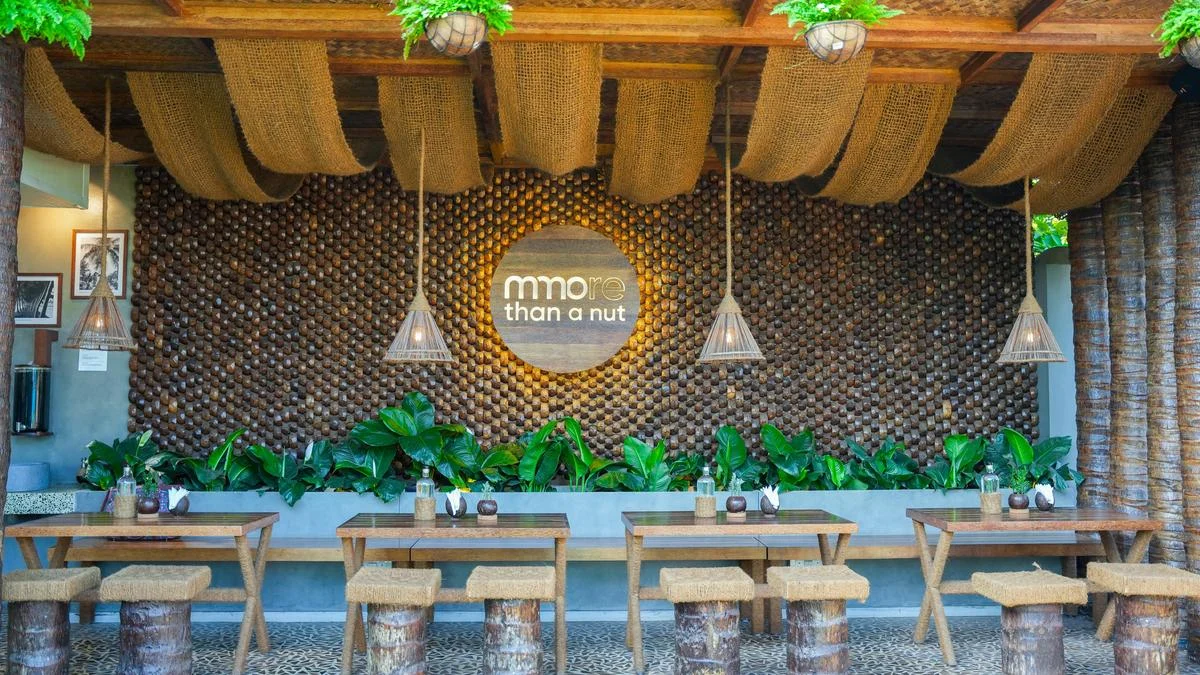
ALUVA, KERALA – In the bustling town of Aluva, near the industrial and healthcare hub of Rajagiri Hospital, a new architectural and culinary experiment is challenging the traditional perception of Kerala’s most ubiquitous resource. To the casual passerby, "MMore Than A Nut" might appear to be another boutique coffee shop dotting the Kochi-Aluva corridor. However, for founder Ubais Ali, the establishment represents a radical manifesto for the coconut tree—the Kalpavriksham—and a blueprint for the future of value-added agriculture in South India.
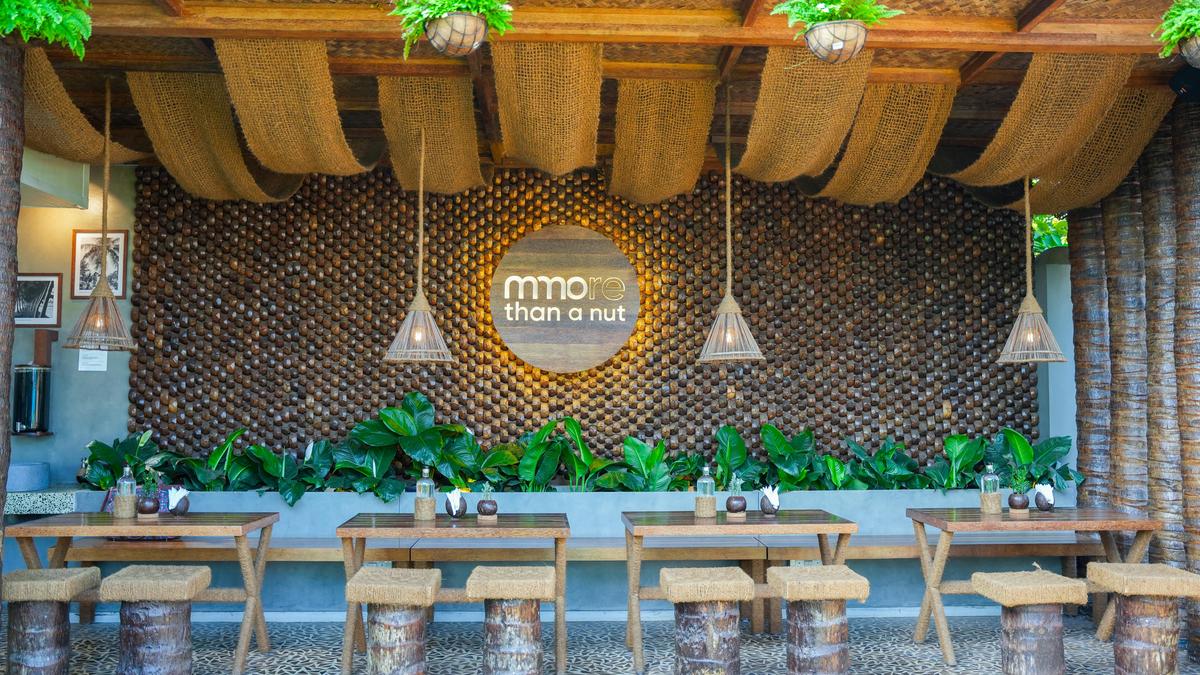
The cafe is an immersive environment where the coconut is not merely an ingredient on the menu but the very fabric of the building itself. From the tables and benches to the lampshades, wall cladding, and even the dustbins and garden lights, every element is derived from the coconut tree. This holistic approach aims to elevate the coconut from a humble commodity to a sophisticated lifestyle brand, bridging the gap between traditional farming and modern consumerism.
Main Facts: A 360-Degree Coconut Experience
"MMore Than A Nut" is the retail and experiential face of Mezhukkattil Mills, a name long associated with coconut processing in Kerala. The cafe serves as a living showroom for the versatility of the coconut tree, demonstrating that every part of the plant—the fruit, the husk, the shell, and the wood—has high-value applications in the modern economy.
Architectural Innovation
The interior design of the cafe serves as a masterclass in sustainable architecture. The flooring features intricate mosaic patterns created from coconut shells, while the walls are clad in tiles made from coconut wood. This use of "senile" coconut wood (wood from trees that have passed their fruit-bearing age) provides a sustainable alternative to traditional hardwoods. The aesthetic is organic yet polished, proving that agricultural byproducts can meet the standards of high-end interior design.
A Dairy-Free Culinary Frontier
On the culinary front, the cafe functions as a laboratory for coconut-based gastronomy. The menu is intentionally designed to replace traditional dairy and wheat components with coconut derivatives.
- Beverages: The menu features hot chocolate made with rich coconut milk, smoothies blending avocado or mango with tender coconut pulp, and "Neera"—the sweet, non-alcoholic sap collected from coconut flowers.
- Confections: The bakery section offers "travel cakes" (designed for long shelf-life without refrigeration), muffins, cookies, and even a signature baklava featuring a pistachio and roasted coconut filling.
- Innovation: Much of the menu relies on coconut flour and coconut butter, developed through intensive research and development to ensure that the flavor profiles appeal to a contemporary palate without being overpowered by the scent of oil.
Chronology: From 1976 Oil Mill to 21st-Century Lifestyle Brand
The journey of "MMore Than A Nut" is inextricably linked to the history of Mezhukkattil Mills (MMO), reflecting the broader evolution of Kerala’s coconut industry.
1976: The Foundation
The story begins in 1976, when Ubais Ali’s father established Mezhukkattil Mills. In its early decades, the mill functioned as a traditional processing unit, focusing primarily on the extraction of coconut oil. During this period, the coconut industry in Kerala was largely focused on bulk commodities, with little emphasis on branding or diversified value addition.
The Export Era and Product Diversification
As the second generation took the reins, Mezhukkattil Mills began looking beyond the local market. They recognized that while coconut was a staple in Kerala, the global market was beginning to wake up to the health benefits of virgin coconut oil (VCO) and coconut water. The mill transitioned into a large-scale factory-like unit, eventually becoming a significant exporter of coconut-based products.
The R&D Pivot
In recent years, the company established a dedicated Research and Development (R&D) kitchen on the second floor of their Aluva facility. This was the birthplace of the cafe’s unique recipes. The goal was to solve the technical challenges of coconut-based baking—such as managing the high fat content and achieving the right crumb texture in gluten-free coconut flour cakes.
May 2024: The Launch of "MMore Than A Nut"
The opening of the cafe represents the final stage of this evolution: moving from B2B (Business-to-Business) manufacturing to B2C (Business-to-Consumer) experiential retail. By placing the cafe on the roadside outside the factory, Ubais Ali created a gateway for the public to interact with the brand’s innovations directly.

Supporting Data: The Economic and Nutritional Case for Coconut
The push to promote coconut is backed by significant economic and health data. Kerala, often called the "Land of Coconuts," has seen its traditional industry face stiff competition from cheaper palm oil and a lack of innovation in product diversification.
The Value-Addition Gap
According to agricultural economists, the "value-addition" of coconut in India has historically been lower compared to countries like the Philippines or Thailand. While Kerala produces billions of nuts annually, a large percentage is still sold as raw copra or basic oil. "MMore Than A Nut" addresses this by showcasing products like:
- Coconut Flour: A high-fiber, gluten-free alternative to wheat.
- Coconut Vinegar: A natural ferment with a lower glycemic index than synthetic vinegars.
- Coconut Milk Powder: A shelf-stable alternative for the global dairy-free market.
Health and Lifestyle Trends
The cafe taps into the global "superfood" trend. Coconut products are rich in Medium-Chain Triglycerides (MCTs), which are linked to improved energy metabolism. By positioning coconut alongside almonds and raisins—as Ubais Ali suggests—the brand aims to recapture the domestic health-conscious market that has recently favored imported nuts.
Official Responses and Founder’s Perspective
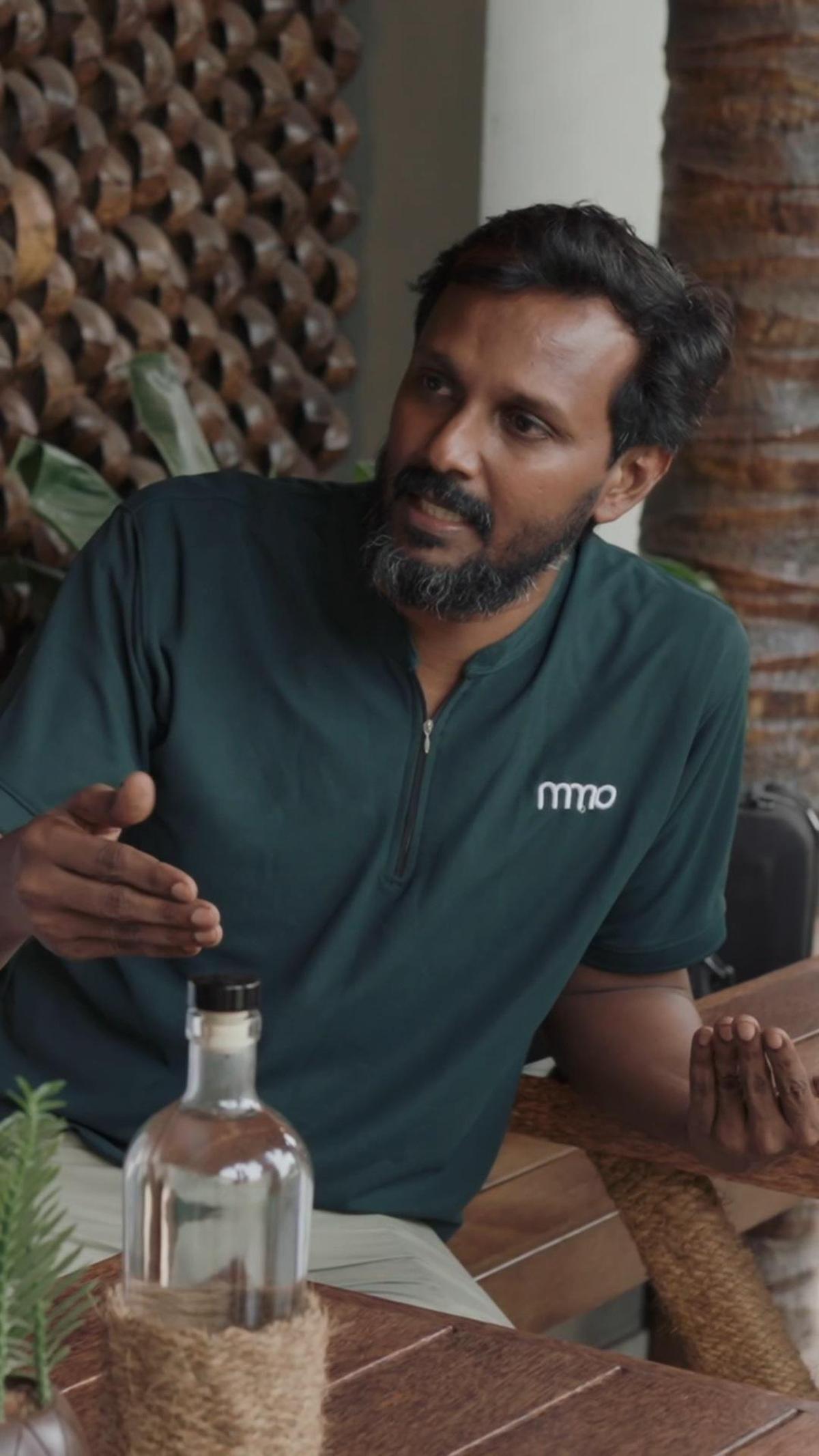
Ubais Ali’s vision for the cafe is rooted in a sense of cultural advocacy. He argues that the coconut has been undervalued by the very people who grow it.
"We see a lot of content about raisins and almonds from other countries. How about we push our produce? Like coconuts, in this case," Ali says. He emphasizes that the term Kalpavriksham is not just a poetic label but a practical description of a tree that provides food, shelter, and livelihood.
Government Recognition
The innovation at Mezhukkattil Mills has not gone unnoticed. The company has received several awards from the Government of India and the State Government of Kerala for its excellence in product innovation and packaging design. These accolades highlight the mill’s role in modernizing the MSME (Micro, Small, and Medium Enterprises) sector in Kerala.
The cafe also serves an educational purpose. Note cards placed around the establishment explain the journey of the coconut, from the farm to the shelf, resonating with a local population that is increasingly disconnected from its agricultural roots.
Implications: Sustainability, Tourism, and the Future of Farming
The success of "MMore Than A Nut" has several long-term implications for the region and the industry.
1. Environmental Sustainability
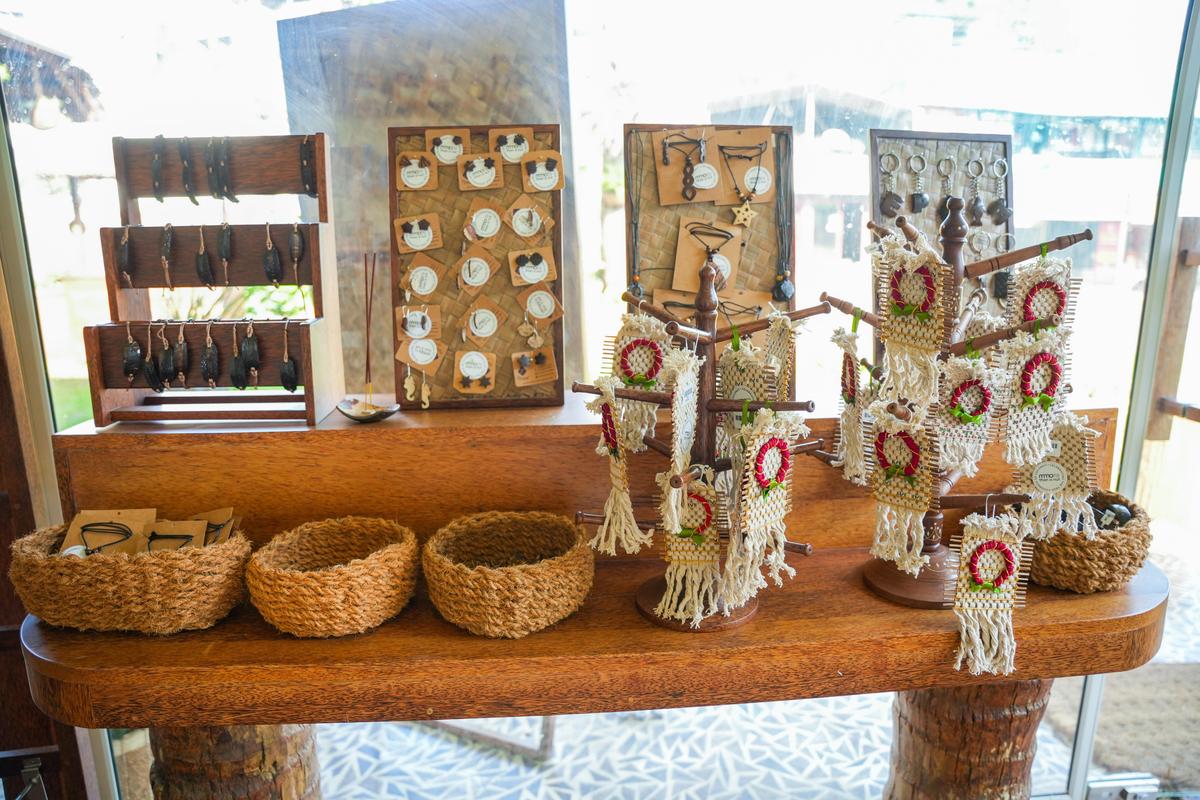
The cafe is a prototype for "zero-waste" processing. By utilizing coconut shells for flooring and husks for mats and accessories, the business model demonstrates how industrial waste can be converted into luxury goods. This circular economy approach is crucial for reducing the environmental footprint of agricultural processing.
2. Agricultural Rejuvenation
By creating high-value demand for coconuts, entrepreneurs like Ali provide a more stable income for local farmers. When a coconut is used for "Neera" or high-end confectionery rather than just oil, the profit margins increase, allowing for better procurement prices at the farm gate.
3. The Rise of "Agri-Tourism"
The cafe, located near a major hospital and on a transit route, acts as a micro-tourism destination. It suggests a future where Kerala’s factories are not just closed industrial zones but open spaces where tourists and locals can learn about the state’s heritage through food and design.
4. Challenging the Dairy Monopoly
As veganism and lactose intolerance become more prevalent in urban India, "MMore Than A Nut" provides a local, sustainable alternative to imported soy or almond milks. This could lead to a shift in the regional beverage industry, where coconut-based drinks move from being "traditional" to "trendy."
Conclusion: More Than Just a Cafe
"MMore Than A Nut" is more than a culinary curiosity; it is a bold statement on the potential of indigenous resources. By blending the heritage of a 1976 oil mill with the aesthetics of a modern boutique, Ubais Ali has created a space that honors the past while looking firmly toward a sustainable, high-value future.
As the cafe continues to fine-tune its offerings—ranging from coconut baklava to shell-mosaic flooring—it serves as a reminder to Kerala and the world that the most revolutionary solutions are often found in one’s own backyard. In the shade of the Kalpavriksham, the next generation of Indian entrepreneurship is taking root, one coconut at a time.
