

Main Facts: The Three-Ingredient Phenomenon
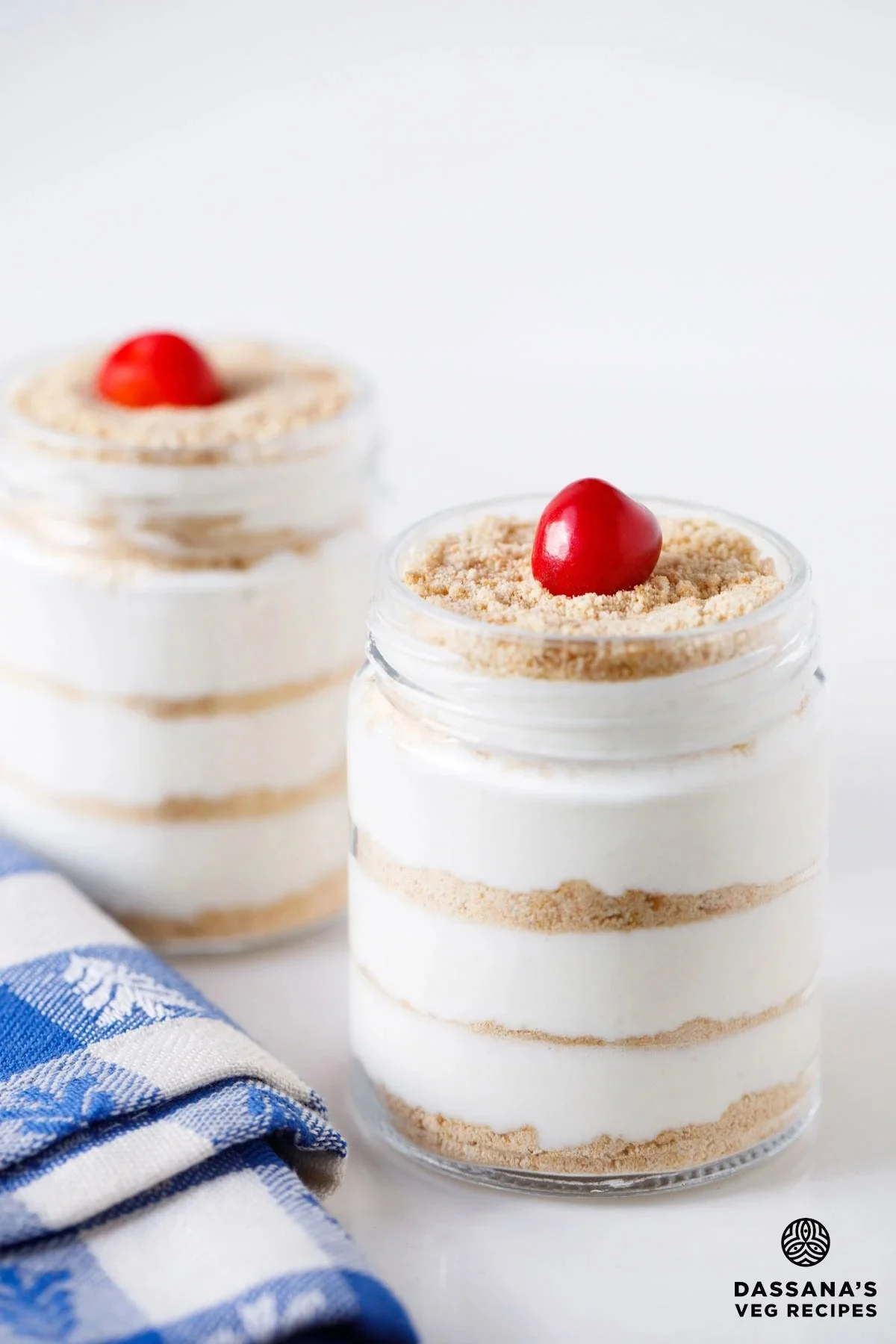
In an era of increasingly complex culinary techniques and molecular gastronomy, a humble, three-ingredient dessert is capturing the attention of professional pastry chefs and home cooks alike. Serradura, colloquially known as "Portuguese Sawdust Pudding," represents a masterclass in minimalist confectionery. At its core, the dish is a no-bake chilled pudding composed of alternating layers of sweetened whipped cream and finely pulverized tea biscuits.
The name "Serradura" is derived from the Portuguese word for "sawdust," a literal reference to the appearance of the biscuit crumbs that provide the dessert’s signature texture and aesthetic. While its ingredients—heavy cream, sweetened condensed milk, and Marie biscuits—are deceptively simple, the dish’s cultural footprint is vast, spanning from the cobblestone streets of Lisbon to the vibrant kitchens of Macau and the coastal eateries of Goa, India.

As global food trends shift toward "comfort fusion" and high-yield, low-effort recipes, Serradura has emerged as a frontrunner in the "no-bake" revolution. Its ability to be prepared in advance, its shelf-stability in refrigeration, and its versatile presentation—ranging from rustic family-style bowls to elegant individual glass parfaits—have solidified its status as a staple of Lusophone (Portuguese-speaking) culinary heritage.
Chronology: From Continental Portugal to the South China Sea
The history of Serradura is a roadmap of Portuguese maritime influence and colonial exchange. To understand the dish’s journey, one must look at the timeline of its geographic dispersion.

The European Genesis
The origins of the dessert lie in mainland Portugal. It was born out of a European tradition of "refrigerator cakes" and cream-based puddings. Unlike the complex custards that required precise temperature control and egg tempering, Serradura was accessible to the middle class, utilizing shelf-stable biscuits and dairy.
The Macanese Evolution (16th Century – Present)
While it originated in Portugal, Serradura found its spiritual home in Macau. During the centuries of Portuguese administration, the local palate merged with European techniques. In Macau, Serradura became more than a household treat; it became a tourist icon. Today, it is nearly impossible to visit the Cotai Strip or the historic Senado Square without encountering specialized "Serradura shops" that offer variations featuring sawdust infused with matcha, chocolate, or durian.

The Goan Integration
Similarly, in the Indian state of Goa, which was under Portuguese rule until 1961, Serradura integrated seamlessly into the local "Goan-Catholic" cuisine. It is frequently served at weddings and feast days, acting as a cooling counterpoint to the spicy, vinegar-heavy vindaloos and sorpotels of the region. In Goa, the use of the "Marie biscuit"—a British-origin tea biscuit—became the standard, showcasing a unique triple-fusion of Portuguese, British, and Indian influences.
Modern Global Proliferation
In the last decade, the recipe has migrated via social media and global diaspora communities into the United Kingdom, Australia, and North America. Its "Instagrammable" layered appearance and the accessibility of its ingredients have made it a viral sensation on digital platforms, leading to a renewed interest in Macanese and Goan gastronomy.

Supporting Data: The Science of Texture and Composition
The success of a Serradura is not merely in the assembly but in the specific chemical properties of its components. Professional bakers emphasize several technical benchmarks required to achieve the "classic" Serradura mouthfeel.
The Lipid Threshold
The recipe calls for whipping cream with a minimum of 35% milk fat. Data suggests that cream with lower fat content lacks the structural integrity to support the weight of the biscuit layers. At 35% to 40% fat, the cream forms stable air bubbles when whipped, creating a "medium-stiff peak" that remains airy even after the addition of heavy condensed milk.

The "Sawdust" Granulometry
The texture of the biscuits is the defining characteristic of the dish. Unlike a cheesecake base, which often features coarse crumbs, Serradura requires a fine, flour-like consistency.
- Particle Size: Ideal crumbs should be between 0.5mm and 1mm.
- Absorption Rate: Finer crumbs allow for a controlled absorption of moisture from the cream. Over a 4-to-5-hour chilling period, the "sawdust" softens to a cake-like consistency while the cream retains its fluffiness.
Nutritional Profile
Based on a standard serving size, Serradura is a calorie-dense dessert, reflecting its origins as a rich, celebratory treat. A typical portion contains:

- Calories: Approximately 508 kcal.
- Total Fat: 34g (with 20g of saturated fat).
- Carbohydrates: 46g.
- Sugars: 27g (primarily from the condensed milk).
- Micronutrients: Significant traces of Calcium (163mg) and Vitamin A (1190 IU) due to the high dairy concentration.
Official Responses and Culinary Expert Perspectives
Leading voices in the culinary world have weighed in on why Serradura remains a relevant force in modern dining.
Chef Maria Rodrigues, a specialist in Lusophone Gastronomy, notes: "The beauty of Serradura is its democratic nature. It doesn’t require an oven, a thermometer, or a degree in pastry arts. It only requires patience and high-quality dairy. In Macau, we see it as a bridge between the old world and the new."

Food Historian Dr. Ananya Sharma explains the cultural significance in the Indian context: "In Goa, Serradura represents the lingering ‘Portuguese nostalgia.’ While many colonial dishes have faded, Serradura survives because it adapted. The substitution of local tea biscuits for traditional Portuguese ‘Bolacha Maria’ shows how a recipe can maintain its soul while changing its ingredients to fit a new geography."
Institutional Recognition: Culinary boards in Macau have frequently promoted Serradura as a "Must-Eat" heritage dish, placing it alongside the famous Macanese Egg Tart. These organizations highlight the dish’s role in "Culinary Diplomacy," using the simple pudding to introduce international audiences to the complex history of the Pearl River Delta.

Implications: The Future of "No-Bake" Culture
The resurgence of Serradura carries several broader implications for the food industry and consumer behavior.
1. The Democratization of Gourmet Desserts
Serradura proves that "gourmet" does not have to mean "difficult." As inflation impacts food prices, the ability to create a sophisticated-looking dessert from three relatively affordable, shelf-stable ingredients (biscuits and condensed milk can be stored for months) is highly appealing to the modern consumer.

2. The Rise of "Make-Ahead" Entertaining
The post-pandemic social landscape has seen a shift toward home entertaining. Serradura’s requirement for a 4-to-24-hour chilling period makes it an ideal "make-ahead" dish. This reduces "host stress," a significant factor driving modern recipe searches.
3. Fusion and Customization
While the traditional recipe is sacrosanct to purists, the "Serradura Template" is being used for innovation. We are seeing the "sawdust" replaced with crushed Biscoff, Oreos, or toasted graham crackers. The cream is being infused with saffron, cardamom, or espresso. This versatility suggests that Serradura will continue to evolve, much like the tiramisu did in the 1980s, becoming a canvas for global flavors.

4. Storage and Sustainability
Unlike frozen desserts, Serradura is refrigerated, meaning it consumes less energy to maintain during a dinner service and doesn’t suffer from "thaw-drift" or ice crystal formation. However, its short shelf life (2 days) encourages immediate consumption and reduces long-term food waste in a commercial setting.
Conclusion: A Legacy in Layers
Serradura is a testament to the power of simplicity. By transforming the mundane—a dry tea biscuit and a tin of milk—into a luxurious, velvet-textured pudding, it captures the ingenuity of the cooks who first developed it centuries ago. Whether it is served in a high-end restaurant in Lisbon or a small cafe in Goa, the "Portuguese Sawdust Pudding" remains a vital link to a shared colonial past and a delicious harbinger of a more accessible culinary future.

As the culinary world continues to move toward more sustainable, less equipment-dependent cooking, the three-ingredient logic of Serradura offers a blueprint for the next generation of classic desserts: focus on the quality of the fat, the texture of the grain, and the patience of the chill. In the world of Serradura, less is truly more.
