

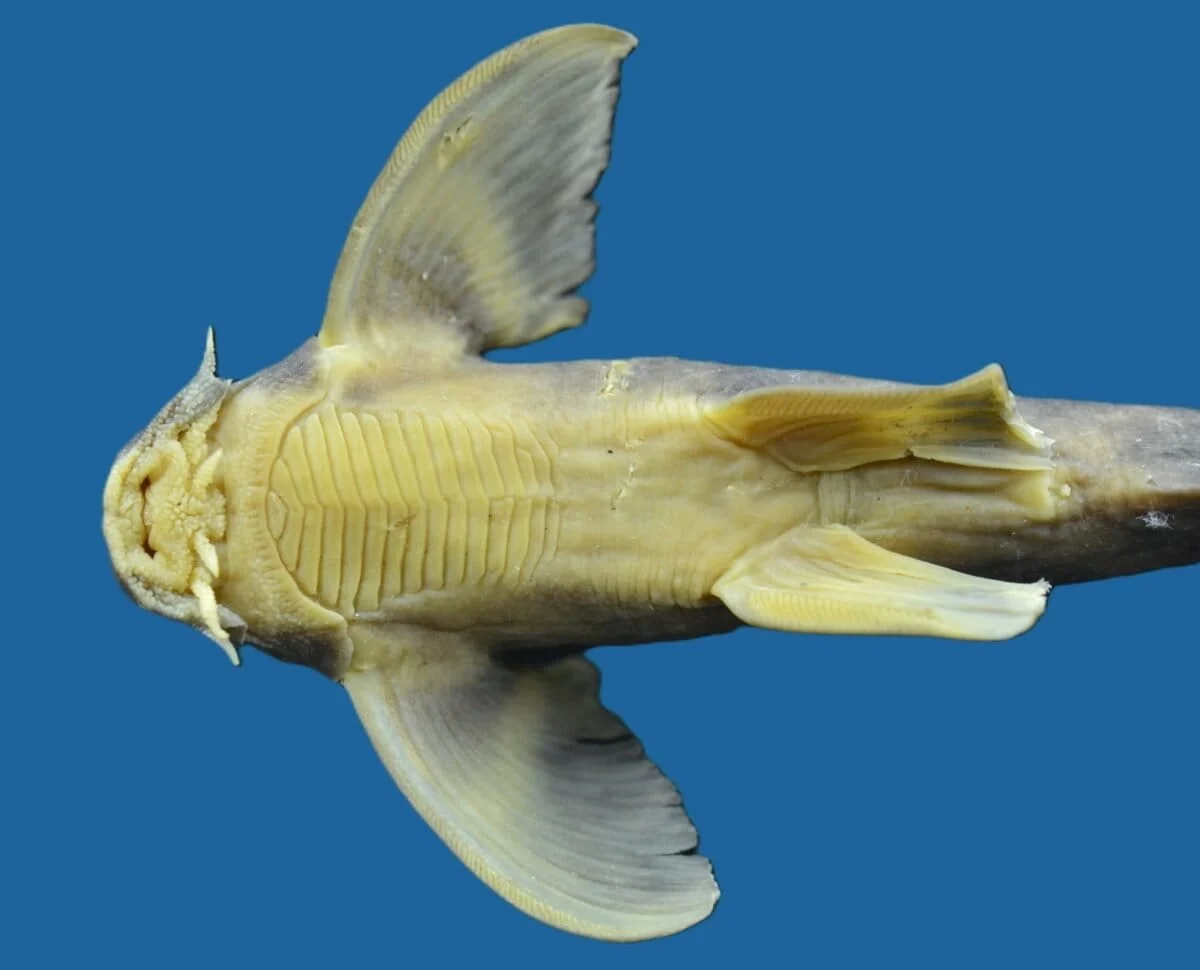
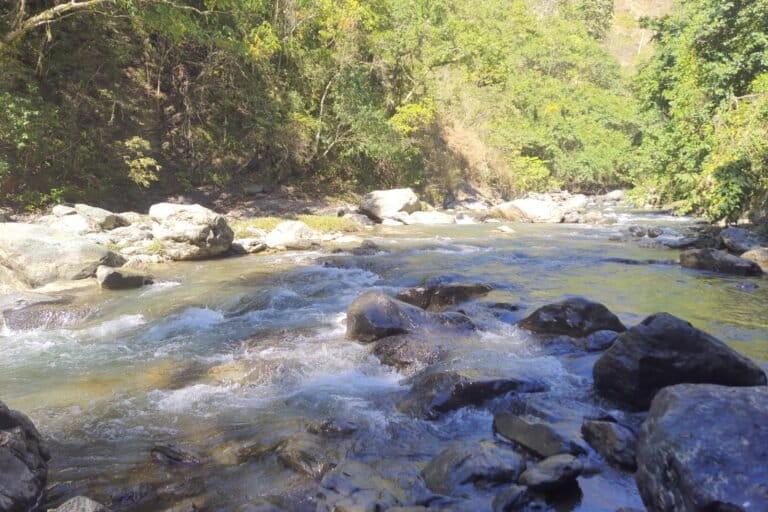
KIPHIRE, NAGALAND — In the churning, oxygen-rich waters of the Likimro River, tucked away in a remote corner of Northeast India, scientists have identified a new resident of the deep. A team of researchers recently described Pseudecheneis likimroensis, a specialized species of sisorid catfish uniquely adapted to the torrential mountain streams of Nagaland’s Kiphire district.
The discovery, published in the Journal of Ichthyology, underscores the biological richness of the Indo-Myanmar biodiversity hotspot and highlights the critical role of community-led conservation in protecting species that are often unknown to the scientific world until they are on the brink of ecological pressure.
Main Facts: A Specialized Marvel of Evolution
Pseudecheneis likimroensis is not your typical bottom-dweller. Belonging to a genus of rheophilic (current-loving) catfishes, this species has evolved specifically to survive in the high-velocity environments of mountain rapids. The fish was named after the Likimro River, a fast-flowing tributary within the Tizu–Chindwin basin, where the only known specimens have been recorded to date.
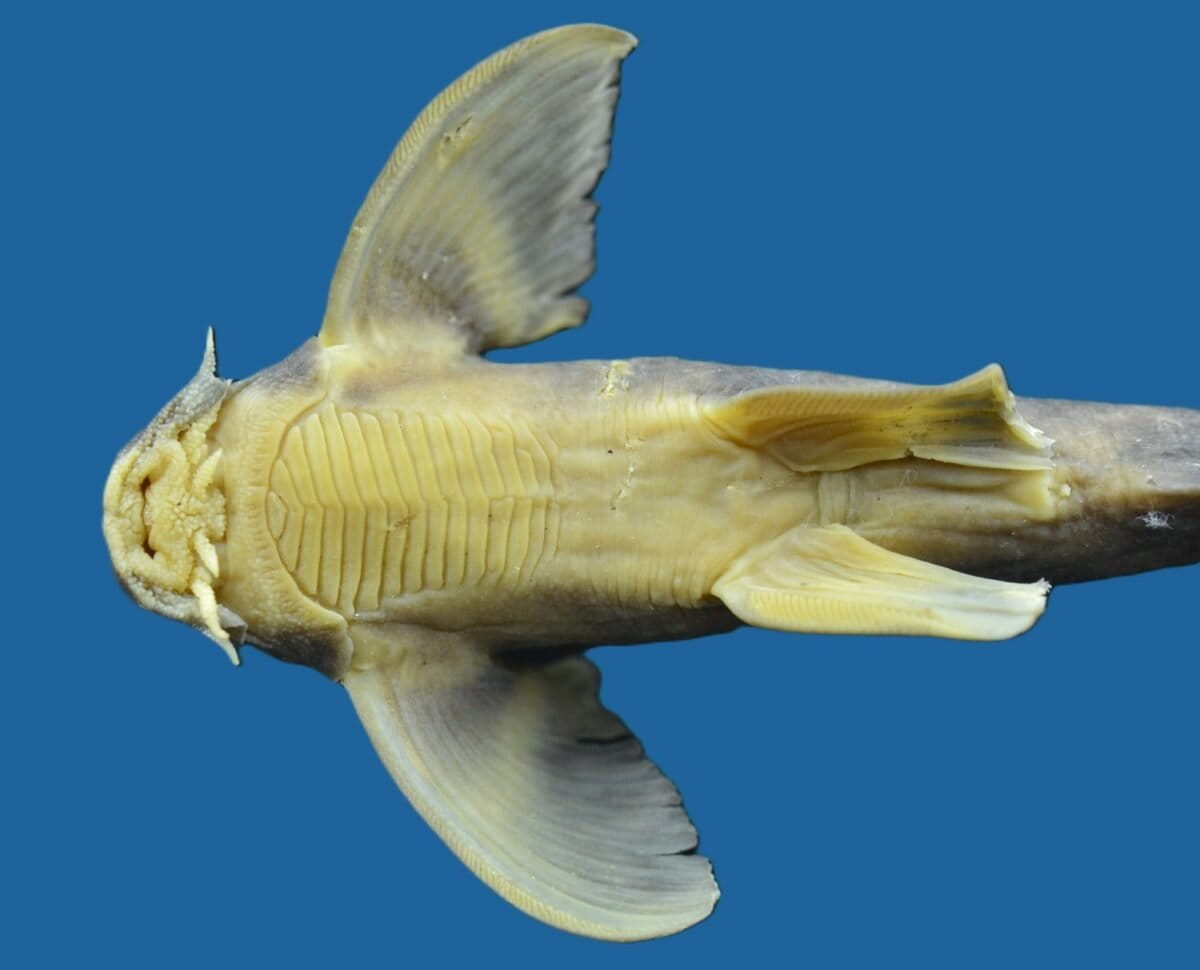
The species is characterized by its remarkable morphological adaptations. To prevent being swept away by the punishing current, P. likimroensis possesses a dorso-ventrally flattened body and a highly specialized thoracic adhesive organ. This "sucker-like" structure, featuring a series of transverse ridges separated by deep grooves, allows the fish to cling securely to submerged boulders and rocky substrates.
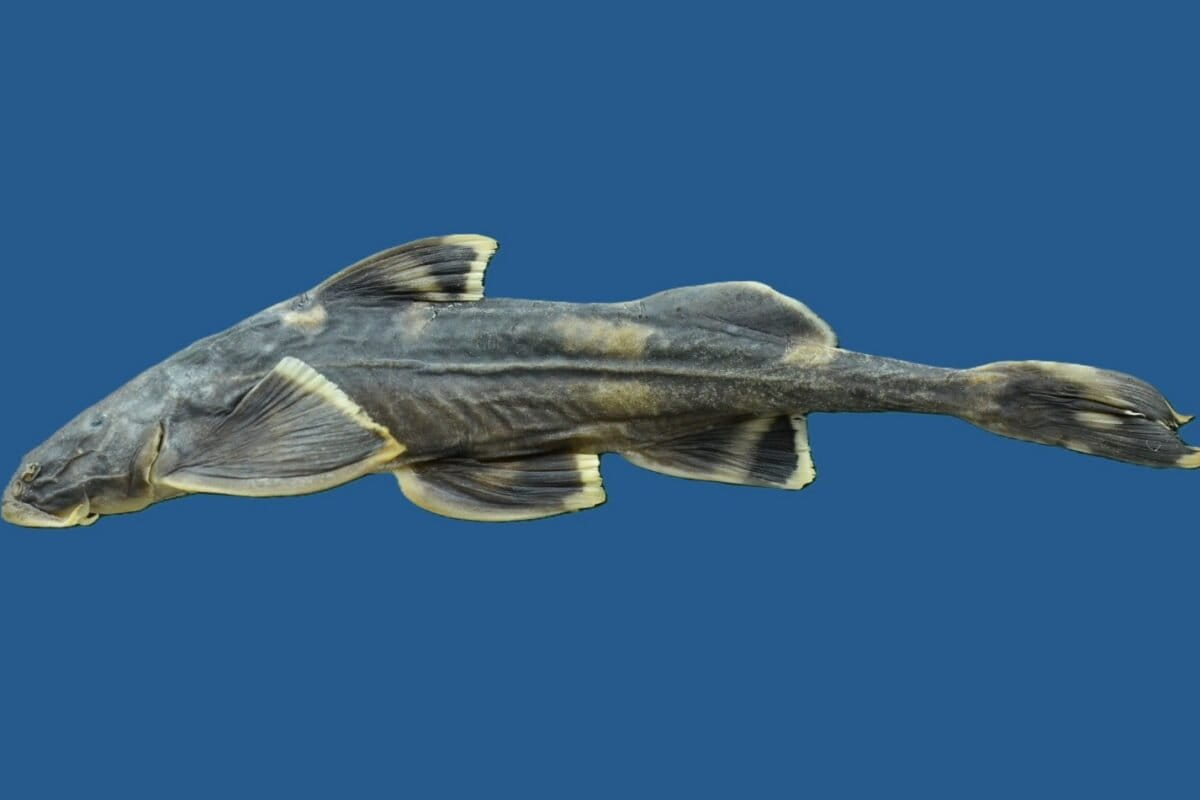
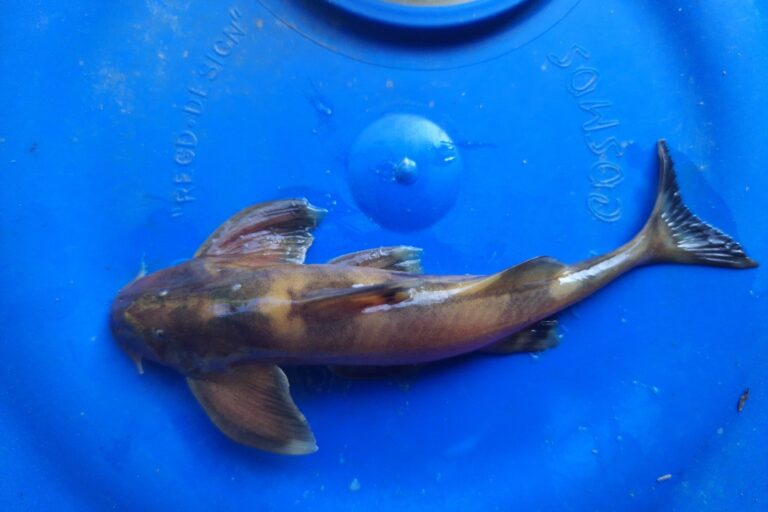
Measuring between 11 and 13 centimeters, the catfish is a specialized predator within its niche. It is carnivorous, subsisting primarily on aquatic insects, larvae, and other small organisms that cling to the river’s rocky floor. According to the research team, led by Professor Limatemjen of Kohima Science College and Dr. Laishram Kosygin Singh of the Zoological Survey of India (ZSI), the discovery is a testament to the "evolutionary ingenuity" required to inhabit the torrential waters of the Eastern Himalayas.
Chronology: The Journey to Discovery
The path to identifying P. likimroensis began in October 2024, during a routine ichthyological survey of the fish fauna in Nagaland’s easternmost reaches. The expedition was far from a simple field trip; it required navigating some of the most challenging terrain in the Indian subcontinent.
Phase 1: The Expedition (October 2024)
The research team set out from Kohima, the state capital, embarking on a grueling journey to the Kiphire district. Although the distance is roughly 100 kilometers, the region’s rugged topography and deteriorating road conditions meant the transit took significantly longer than expected. Upon reaching the town of Kiphire, situated along the India-Myanmar border, the team traveled another four hours by vehicle, followed by a strenuous one-hour hike on foot to reach the designated sampling sites on the Likimro River.
Phase 2: Sampling and Field Observation
Working alongside local fishermen who provided invaluable traditional knowledge of the river’s eddies and flows, the researchers used cast nets to sample the torrential stretches. It was here, at an elevation of 446 meters above sea level, that they pulled five unusual specimens from the water. While the team immediately noted the fish’s distinct appearance, the true significance of the catch remained unconfirmed.
Phase 3: Laboratory Analysis and Description (2025–2026)
The specimens were transported to the laboratory at Kohima Science College and the ZSI facilities for rigorous examination. Over the following months, researchers conducted comparative morphological studies and anatomical measurements. By analyzing the minute details of the adhesive apparatus and body proportions, the team confirmed that the specimens did not match any previously described species in the Pseudecheneis genus. The findings were formalized and published in May 2026.
Supporting Data: The Chindwin Basin as an Evolutionary Island
The discovery of P. likimroensis provides crucial data regarding the biogeography of the Tizu–Chindwin river system. Unlike most rivers in Northeast India, which drain westward into the Brahmaputra, the Tizu flows eastward into Myanmar. It eventually joins the Chindwin River, which merges with the Irrawaddy system.
Dr. Laishram Kosygin Singh explains that this drainage system is a "hotspot of freshwater endemism." The isolation of the Chindwin–Irrawaddy basin from the Brahmaputra and Mekong systems—driven by the tectonic uplift of the Indo-Burman Ranges—has created a "natural laboratory" for speciation.
"The complex geology and long-term isolation of these streams have created barriers to fish migration," says Dr. Singh. "This forced isolation leads to the development of endemic species—creatures found nowhere else on Earth. Pseudecheneis likimroensis is a prime example of this process."
Taxonomic data from the paper reveals that the holotype (the primary reference specimen) measured 11.53 cm, while the largest specimen reached 13.19 cm. These measurements, combined with the specific count of ridges on the thoracic organ, serve as the definitive markers separating this species from its cousins in Nepal or other parts of Southeast Asia.
Official Responses: Voices from the Field and Academy
The discovery has elicited a mix of scientific pride and environmental concern from the region’s academic community.
Professor Limatemjen, Kohima Science College:
"The discovery was unexpected but highlights how much we still don’t know about our own backyard. However, describing a species is an arduous process. We have three more potential new species in our queue, but the work requires DNA analysis and painstaking anatomical comparisons. We are racing against time because the habitats are changing faster than we can document them."
Dr. Pranay Punj Pankaj, Nagaland University (External Observer):
Dr. Pankaj, who has conducted extensive pathology and diversity studies in Nagaland’s rivers, warns that while the water quality in remote areas like Likimro remains "very good," the biodiversity is under threat. "In the Doyang River, we’ve seen species counts drop from 60 to 40 in recent years. Habitat destruction in shallow spawning zones is a major culprit. When we lose these habitats, we lose the next generation of fish before they even hatch."
Shekumcha Y., Research Scholar:
The lead field researcher emphasized the importance of local collaboration. "We couldn’t have found these specimens without the local fishermen. They know the river’s pulse. But even they are noticing changes. There is ecological pressure, though we haven’t fully quantified it for this specific catfish yet."
Implications: Conservation in the Age of Development
The description of Pseudecheneis likimroensis arrives at a critical juncture for Nagaland’s environmental policy. The state is increasingly looking toward "Community Conserved Areas" (CCAs) to bridge the gap between development and preservation.
The Role of Customary Law
In Nagaland, land and water resources are often managed by indigenous tribes under customary law. Aniruddh Soni, an Associate Fellow at The Energy and Resources Institute (TERI), notes that these traditional systems are often more effective than top-down government mandates.
"CCAs are ecosystems managed voluntarily by villagers," Soni explains. "In the case of the Likimro River, although it isn’t a formal CCA yet, the local village has already imposed strict rules barring destructive fishing practices like using dynamite or chemicals. This community-led ‘silent’ conservation is likely why this catfish still exists."
Threats to Survival
Despite local efforts, several "stressors" loom over the newly discovered species:
- Destructive Fishing: The use of poisons and dynamite, though banned by many villages, still occurs in unregulated stretches.
- Culinary Pressures: Egg-bearing females are often targeted as a delicacy, a practice Dr. Pankaj describes as "destroying potential mothers" and threatening population sustainability.
- Industrial Encroachment: Small-scale coal mining and river modification projects for infrastructure threaten to silt up the clear, rocky waters the catfish requires for its adhesive organ to function.
A Scientific "Blind Spot"
The discovery serves as a wake-up call regarding the "biodiversity blind spot" in the Eastern Himalayas. Scientists believe that dozens, if not hundreds, of aquatic species remain undocumented in the remote tributaries of the Chindwin basin.
"The fact that we are still finding new species of 13-centimeter fish in 2026 tells us our documentation of these rivers is woefully incomplete," says Dr. Pankaj.
As Nagaland continues to urbanize, the survival of Pseudecheneis likimroensis will depend on a delicate balance: the continued rigor of scientific exploration, the enforcement of tribal customary laws, and a shift in local consumption habits to protect the "mothers" of the river. For now, the Likimro catfish remains a symbol of the hidden wonders still thriving in India’s last wild frontiers.
