

HYDERABAD – In a significant move to enforce public health standards and ensure culinary hygiene, the Telangana Food Safety Department conducted a series of intensive inspections on Wednesday, May 20, 2026. The raids, targeting both high-end dining establishments in the capital and local bakeries in the districts, revealed a disturbing pattern of negligence, ranging from pest infestations and the use of expired ingredients to the distribution of food products prepared under highly unsanitary conditions.
The enforcement drive, which spanned across LB Nagar and Nagole in Hyderabad and Subhash Nagar in Karimnagar, has sent shockwaves through the state’s hospitality sector. Officials have seized substantial quantities of contaminated food and initiated legal proceedings against the management of the defaulting establishments under the Food Safety and Standards Act.
Main Facts: A Catalog of Culinary Negligence
The inspections, led by designated Food Safety Officers (FSOs), focused on three primary establishments: Urban Monk Fine Dine and Baking in LB Nagar, Meld Haus Brewery in Nagole, and Ganesh Bangalore Bakery in Karimnagar. While the establishments vary in their target demographics—ranging from craft beer enthusiasts to neighborhood bakery patrons—the violations discovered were universally concerning.
Key Findings at Hyderabad Establishments:
At Urban Monk Fine Dine and Baking and Meld Haus Brewery, inspectors documented a complete breakdown of food safety protocols. The primary violations included:
- Pest Infestation: Evidence of cockroaches and other pests in storage and kitchen areas.
- Expired and Mislabeled Products: Ingredients long past their "best before" dates were found being used in active food preparation.
- Improper Storage: Raw and cooked foods were stored without proper temperature controls or segregation, leading to a high risk of cross-contamination.
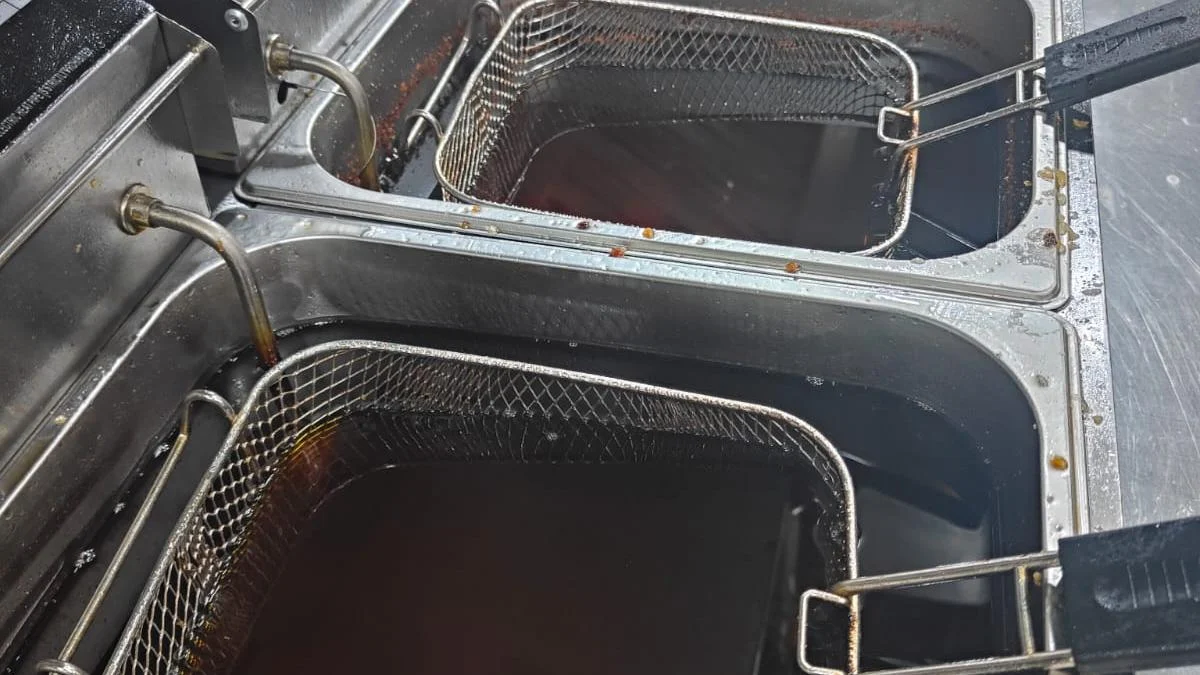
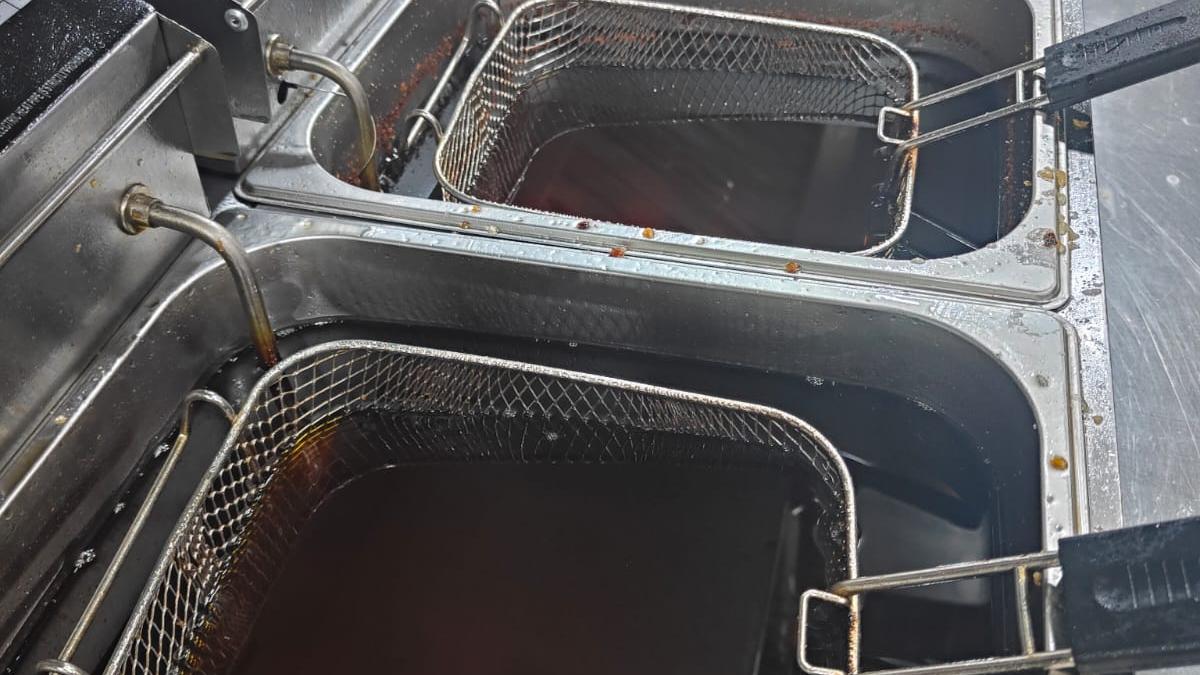
- Oil Adulteration: Suspected repeated reuse of cooking oil, a practice linked to the production of carcinogenic compounds.
Key Findings in Karimnagar:
The situation at Ganesh Bangalore Bakery in Subhash Nagar was described by officials as particularly egregious. The inspection yielded:
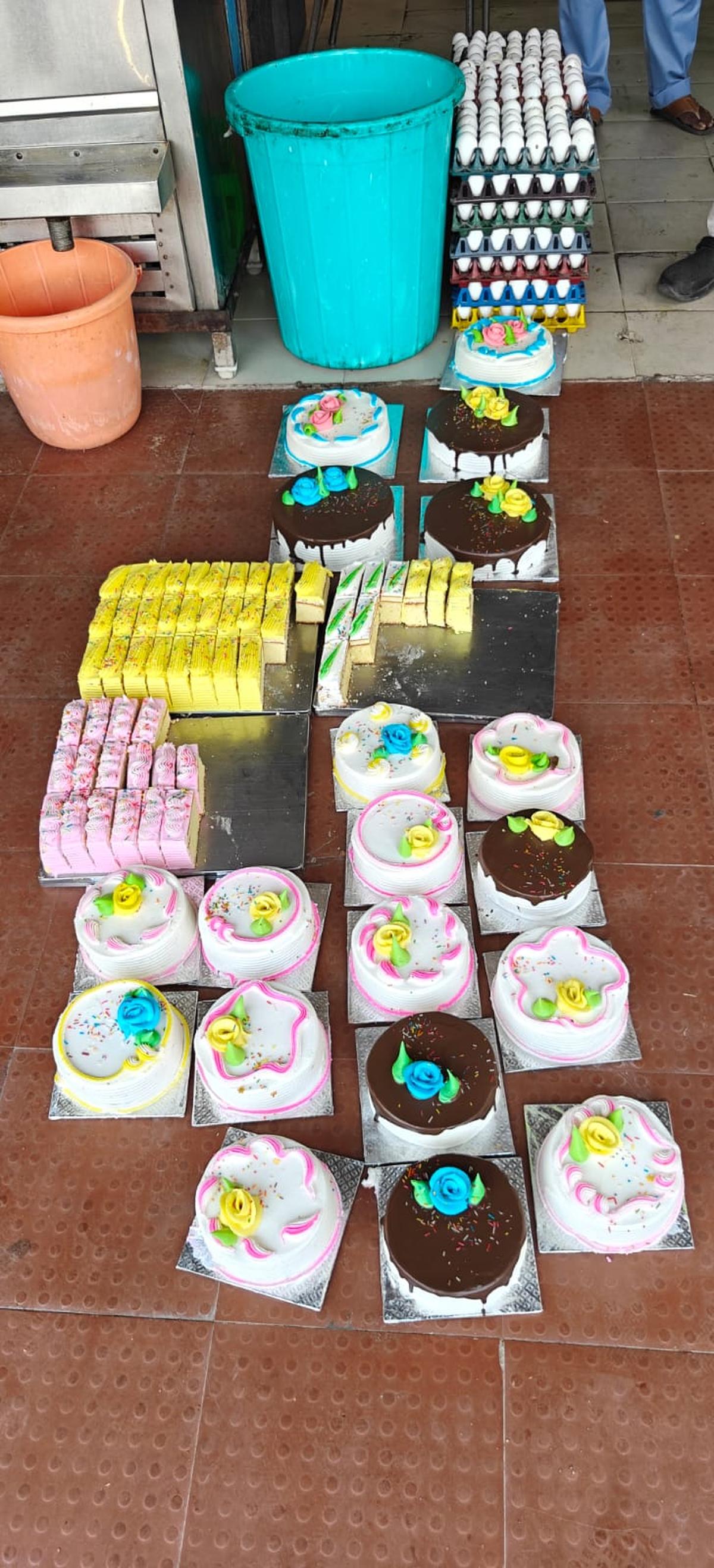
- Spoiled Raw Materials: Discovery of 750 damaged, foul-smelling eggs infested with houseflies.
- Contaminated Finished Goods: Approximately 20 kg of cakes, suspected to have been baked using the aforementioned spoiled eggs, were found ready for sale.
- Sanitary Violations: The overall environment of the baking unit failed to meet basic hygiene standards required for food production.
Chronology of the Enforcement Drive
The operation on May 20 was part of a coordinated "Special Drive" initiated by the Commissioner of Food Safety, Telangana. The timeline of the day’s events highlights the systematic approach taken by the authorities.
09:00 AM – 12:00 PM: The Hyderabad Inspections
The day began with simultaneous raids in the eastern parts of Hyderabad. A team of FSOs arrived at Urban Monk Fine Dine and Baking. Upon entering the kitchen, the team immediately noted the absence of proper pest control records. Moving to the storage units, they discovered shelves stocked with mislabeled sauces and condiments.
Simultaneously, at Meld Haus Brewery in Nagole, the focus shifted to the kitchen and the bar snacks section. Inspectors noted that the cooking oil in use had turned dark and viscous, indicating multiple reheat cycles. Samples of the oil were immediately bottled for laboratory testing.
02:00 PM – 05:00 PM: The Karimnagar Discovery
As reports from the capital were being filed, a separate enforcement wing in Karimnagar moved into Subhash Nagar. The target was Ganesh Bangalore Bakery, a popular local spot. The stench of rotting organic matter led inspectors to a crate containing 750 eggs. The eggs were in various stages of decay, with visible housefly activity. Realizing the immediate threat to public health, the officers halted all production and began an inventory of the baked goods produced that morning.
06:00 PM – Late Evening: Disposal and Documentation
Following the inspections, the department moved into the disposal phase. In Karimnagar, the 20 kg of suspected contaminated cakes and the 750 spoiled eggs were neutralized and discarded at a municipal waste site to prevent them from entering the food chain. In Hyderabad, expired items were confiscated, and "Enforcement Samples" were officially sealed in the presence of the establishment owners.
Supporting Data: The Health Risks of Non-Compliance
The violations uncovered are not merely bureaucratic lapses; they represent significant threats to human health. The Food Safety Department has emphasized the scientific basis for their stringent actions.
The Danger of Reused Cooking Oil
The "suspected reuse of cooking oil" at the Hyderabad establishments is a major point of concern. When vegetable oil is repeatedly heated, it undergoes a process called thermal oxidation. This leads to the formation of Total Polar Compounds (TPC). According to FSSAI regulations, TPC levels must not exceed 25%. Consuming food cooked in oil with high TPC levels is linked to:

- Hypertension and atherosclerosis.
- Increased risk of Alzheimer’s and Parkinson’s diseases.
- Potential carcinogenic effects due to the formation of acrylamide.
Salmonella and Spoiled Eggs
The 750 foul-smelling eggs found in Karimnagar are a textbook source of Salmonella and E. coli outbreaks. Salmonella can cause severe gastrointestinal distress, dehydration, and in vulnerable populations—such as children and the elderly—can be fatal. Using such eggs in cakes does not necessarily eliminate the risk, as toxins produced by bacteria can sometimes survive the baking process.
Pest Infestation and Vector-Borne Diseases
Cockroaches and houseflies are known vectors for pathogens including Shigella, Staphylococcus, and Salmonella. Their presence in food preparation areas indicates a failure of the "Hazard Analysis and Critical Control Points" (HACCP) system that all licensed food businesses are required to maintain.
Official Responses and Legal Action
The Telangana Food Safety Department has taken a hardline stance following these discoveries. A spokesperson for the department stated, "The health of the citizens is non-negotiable. Establishments that charge premium prices for ‘fine dining’ have an even greater responsibility to maintain the highest standards of hygiene."
The Food Safety and Standards Act (FSSA), 2006
The department confirmed that action is being initiated under several sections of the FSSA:
- Section 54: Penalty for food not of the nature or substance or quality demanded (Fines up to ₹5 lakh).
- Section 56: Penalty for unhygienic or unsanitary processing or manufacturing of food (Fines and potential suspension of license).
- Section 59: Punishment for manufacturing, selling, or distributing unsafe food (Involving imprisonment and heavy fines depending on the severity of the health impact).
The "Enforcement Samples" collected from Urban Monk, Meld Haus, and Ganesh Bangalore Bakery have been sent to the State Food Laboratory. The results of these tests will determine whether the owners will face criminal prosecution or administrative penalties.
Implications: A Wake-Up Call for the Industry
The recent raids highlight a growing disconnect between the aesthetic appeal of modern dining establishments and the "behind-the-scenes" reality of their kitchens.
Impact on Consumer Trust
In the age of social media, news of these violations spreads rapidly. The Telangana Food Safety Department’s decision to post photos of the inspections on ‘X’ (formerly Twitter) serves as a public service but also as a "naming and shaming" mechanism. For brands like Urban Monk and Meld Haus, the reputational damage may far outweigh the legal fines.
The Need for Continuous Monitoring
Industry experts argue that "surprise raids" are necessary because many establishments only maintain standards when an inspection is anticipated. There is a growing call for the implementation of "Hygiene Ratings" that must be prominently displayed at the entrance of every restaurant, similar to systems used in the UK and Singapore.
Advice for Consumers
The department has urged consumers to be vigilant. "If a kitchen is visible, take a look. If the staff is not wearing hairnets or gloves, or if the premises smell of decay, report it immediately through our official portal," the press note advised.
Conclusion
The May 20 inspections in Telangana serve as a grim reminder of the vulnerabilities in the food supply chain. While the state continues to grow as a culinary hub, the oversight of food safety must keep pace with the expansion of the hospitality industry. The discovery of 750 spoiled eggs destined for consumption in Karimnagar and the unhygienic practices in Hyderabad’s upscale neighborhoods prove that no sector is immune to negligence.
As the laboratory results for the collected samples are awaited, the Telangana Food Safety Department has signaled that this is only the beginning of a broader, statewide crackdown. Food Business Operators (FBOs) across the state are now on notice: compliance is not an option, but a legal and ethical mandate.
Contact Information for Reporting Violations:
Citizens of Telangana can report food safety concerns via the FOSCOS portal or by contacting the Commissioner of Food Safety’s office through their official social media handles (@cfs_telangana).
