

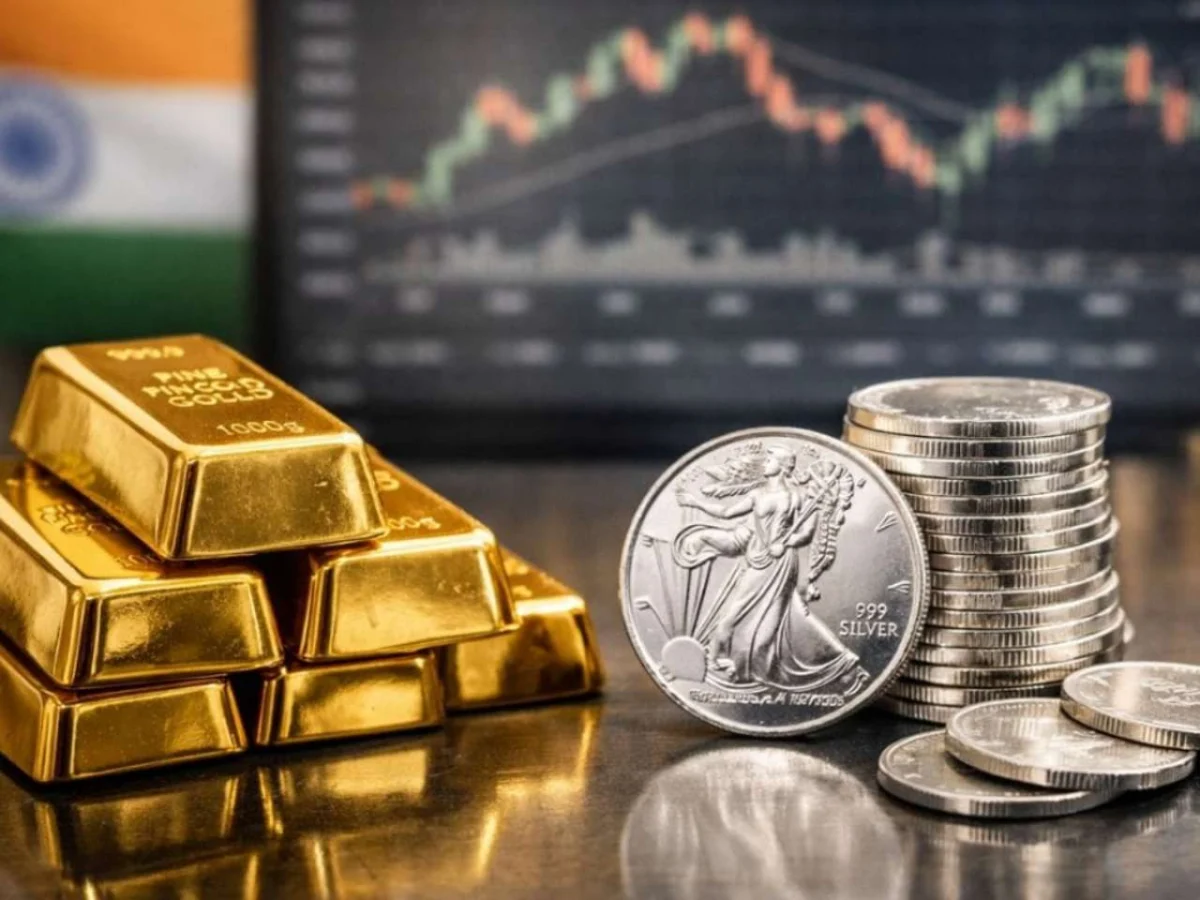
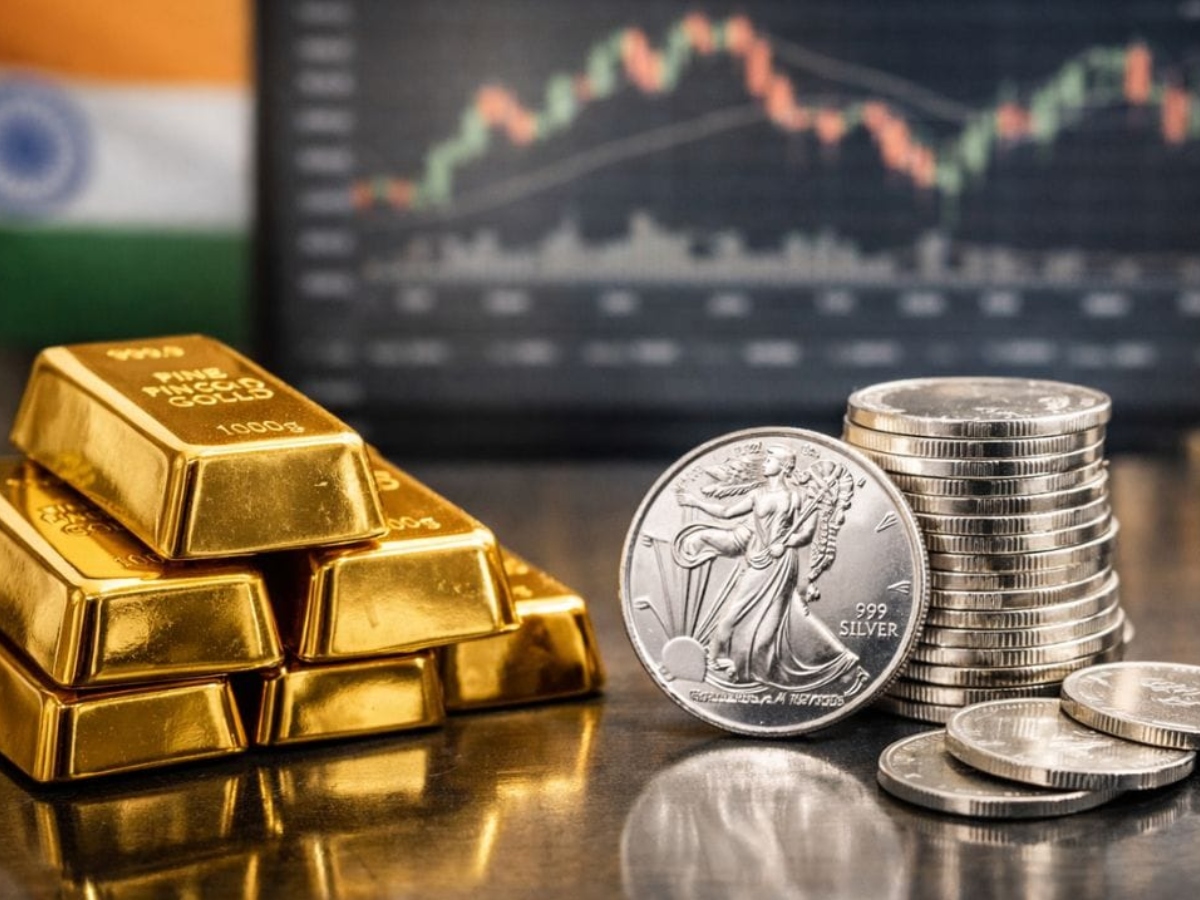
Mumbai, India – August 2, 2026 – The Indian precious metals market opened today with a nuanced performance, reflecting the ongoing interplay of global economic forces, domestic demand dynamics, and currency fluctuations. As of August 2, 2026, gold prices witnessed a marginal uptick, primarily driven by persistent global demand and underlying inflationary pressures, reaffirming its traditional role as a safe-haven asset. Silver, while generally experiencing less pronounced shifts than gold, maintained its appeal for both investment and industrial applications, showing minor city-specific variations.
The intricate dance between international gold prices, the US Dollar-Indian Rupee exchange rate, and India’s inherent cultural affinity for precious metals continues to shape daily market movements. With the festive season on the horizon, market watchers are keenly observing these trends, anticipating their potential impact on consumer sentiment and purchasing power across the nation.
I. Main Facts: A Snapshot of Today’s Market
On August 2, 2026, the Indian precious metals market presented a picture of cautious stability with a slight upward bias for gold. Investors and consumers alike are navigating an environment shaped by a confluence of global and local factors.
Gold Prices:
)
- National Average (approximate): 24K gold (999 pure) is priced at ₹14,350 per gram, while 22K gold (commonly used for jewellery, 91.67% pure) stands at ₹13,154 per gram.
- City-Wise Variations:
- Delhi: 24K gold at ₹14,365 per gram; 22K gold at ₹13,169 per gram.
- Mumbai: 24K gold at ₹14,350 per gram; 22K gold at ₹13,154 per gram.
- Kolkata: 24K gold at ₹14,350 per gram; 22K gold at ₹13,154 per gram.
- Chennai: 24K gold at ₹14,340 per gram; 22K gold at ₹13,154 per gram.
- Trend: A slight increase attributed to global demand and inflationary concerns, indicating continued investor confidence in gold as a hedge against economic instability.
Silver Prices:
- National Average (approximate): 999 pure silver is valued at ₹2,34,900 per kilogram (or ₹2,349 per 10 grams), with 925 sterling silver at ₹2,34,000 per kilogram.
- City-Wise Variations:
- Delhi: 999 pure silver at ₹2,349 per 10 grams.
- Mumbai: 999 pure silver at ₹2,349 per 10 grams.
- Kolkata: 999 pure silver at ₹2,348 per 10 grams.
- Chennai: 999 pure silver at ₹2,349 per 10 grams.
- Trend: Relatively stable with minor fluctuations, influenced significantly by global industrial demand and broader market sentiment.
The precious metals sector in India remains a critical indicator of economic health and consumer confidence, with its daily movements closely watched by a diverse range of stakeholders, from retail investors to large institutional funds.

II. Chronology: Tracing the Path to Today’s Prices
The current market scenario for gold and silver on August 2, 2026, is the culmination of several months of dynamic shifts influenced by a complex web of global economic, geopolitical, and domestic factors.
H3. A Quarter of Global Uncertainty and Resilience
The preceding quarter (roughly May to July 2026) was characterized by a push-pull dynamic for precious metals. Early in the period, escalating geopolitical tensions in Eastern Europe and concerns over persistent inflation in major economies like the United States and the Eurozone provided a strong impetus for gold prices. Central banks, particularly those in emerging markets, continued their strategic accumulation of gold reserves, further bolstering demand and price stability. Investors, seeking safe havens amidst equity market volatility and bond yield fluctuations, increasingly turned to gold, pushing its international spot prices upwards.
)
However, mid-quarter saw a period of consolidation. Stronger-than-expected economic data from the US, coupled with hawkish rhetoric from the Federal Reserve hinting at potential interest rate hikes, momentarily tempered gold’s rally. Higher interest rates typically increase the opportunity cost of holding non-yielding assets like gold, leading to some profit-taking. Similarly, the strengthening of the US Dollar against a basket of currencies also put downward pressure on gold, as it makes the dollar-denominated commodity more expensive for holders of other currencies.
H3. Silver’s Industrial and Investment Tug-of-War
Silver’s journey through the quarter was marked by greater volatility, owing to its dual nature as both a precious metal and an industrial commodity. Initial enthusiasm for silver stemmed from its safe-haven appeal, mirroring gold’s upward trajectory. However, its industrial demand component introduced additional complexities. Reports of slowing manufacturing output in China and parts of Europe, coupled with supply chain disruptions, intermittently weighed on silver prices. Conversely, robust growth in the renewable energy sector, particularly solar panel manufacturing, provided a strong underlying support for silver, preventing any significant downturns. The demand for silver in electric vehicles and 5G technology also remained a key driver, highlighting its indispensable role in modern industrial applications.
)
H3. Domestic Factors: The Rupee and Pre-Festive Buzz
Domestically, the Indian Rupee’s performance against the US Dollar played a crucial role. A depreciating Rupee makes imported gold and silver more expensive in local currency terms, contributing to higher domestic prices even if international prices remain stable or decline slightly. Throughout the quarter, the Rupee experienced moderate volatility, influenced by crude oil prices, foreign institutional investment flows, and the Reserve Bank of India’s monetary policy stance.
Furthermore, the anticipation of India’s major festive season (which typically begins around late August/September and peaks with Diwali) has begun to subtly influence the market. Jewelers and wholesalers often start accumulating inventory in the months leading up to these celebrations, creating a steady baseline demand that helps support prices. This pre-festive buzz, combined with the underlying investment demand from retail consumers, has provided a stable foundation for precious metal prices in India, allowing them to absorb some of the international market’s fluctuations and maintain their current levels as of August 2, 2026.
)
III. Supporting Data: Delving Deeper into Prices and Influences
The detailed breakdown of gold and silver prices across India on August 2, 2026, provides a granular view of the market, while a closer examination of the influencing factors reveals the underlying mechanisms driving these valuations.
H3. Gold Prices on August 2, 2026: A Detailed Look
As noted, gold prices today reflect a slight upward adjustment, primarily attributed to global market dynamics.
)
- 24K Gold (999 Purity): This is the purest form of gold, often preferred by investors in bullion or coins. The national average stands at ₹14,350 per gram.
- Delhi: ₹14,365 per gram
- Mumbai: ₹14,350 per gram
- Kolkata: ₹14,350 per gram
- Chennai: ₹14,340 per gram
- 22K Gold (91.67% Purity): This is the most common form for jewellery, alloyed with other metals to enhance durability. The national average is ₹13,154 per gram.
- Delhi: ₹13,169 per gram
- Mumbai: ₹13,154 per gram
- Kolkata: ₹13,154 per gram
- Chennai: ₹13,154 per gram
The minor variations across cities are typical, often reflecting local taxes, transportation costs, and specific market demand-supply dynamics within regional hubs. Mumbai and Kolkata, being major trading centers, often set the benchmark, with other cities following suit with slight adjustments.
H3. Silver Prices on August 2, 2026: A Closer Examination
Silver, with its dual role, exhibits a distinct pricing structure.
- 999 Pure Silver: The purest form, used for bullion and industrial applications. The national average is ₹2,34,900 per kilogram (or ₹2,349 per 10 grams).
- Delhi: ₹2,349 per 10 grams
- Mumbai: ₹2,349 per 10 grams
- Kolkata: ₹2,348 per 10 grams
- Chennai: ₹2,349 per 10 grams
- 925 Sterling Silver: Contains 92.5% pure silver, commonly used for ornaments and utensils, priced at ₹2,34,000 per kilogram. This grade is slightly less expensive due to its lower purity.
The uniformity in silver prices across major cities underscores its more liquid global market and less localized demand differentiation compared to gold jewellery.
H3. Key Influencing Factors Explained:
The price movements in both gold and silver are not arbitrary but are products of several intertwined factors:
)
-
Global Market Trends:
- Safe-Haven Demand: In times of economic uncertainty, geopolitical instability, or market volatility (e.g., stock market corrections, bond market distress), investors flock to gold as a store of value. This "flight to safety" directly pushes prices up.
- Inflationary Pressures: When inflation is high or anticipated to rise, the purchasing power of fiat currencies erodes. Gold is traditionally seen as a hedge against inflation, as its intrinsic value tends to preserve wealth.
- Interest Rates: Higher real interest rates (nominal rate minus inflation) increase the opportunity cost of holding non-yielding assets like gold, potentially leading to a decrease in demand. Conversely, lower rates make gold more attractive.
- Central Bank Policies: Monetary policies of major central banks (like the US Federal Reserve, European Central Bank) regarding interest rates, quantitative easing/tightening, and currency intervention significantly impact global liquidity and investor sentiment towards risk assets versus safe havens.
- Global Economic Outlook: A robust global economy might reduce safe-haven demand but could boost industrial demand for silver. A slowdown, however, typically favors gold.
-
Local Demand Dynamics:
)
- Festive and Wedding Seasons: India’s cultural landscape dictates a significant portion of gold and silver demand. Major festivals like Diwali, Akshaya Tritiya, and the year-round wedding season drive substantial purchases of jewellery and coins, providing a strong floor for prices.
- Investment vs. Ornamental Demand: A portion of Indian demand is purely for investment (bullion, coins), driven by wealth preservation motives, while a larger part is for ornamental purposes, heavily influenced by cultural traditions and gifting.
- Rural Demand: The agricultural sector’s prosperity, often linked to monsoon performance, significantly influences rural demand for gold, which serves as both an investment and a symbol of status.
-
Currency Rates (USD-INR):
- India imports almost all its gold and a significant portion of its silver. Therefore, the exchange rate between the Indian Rupee and the US Dollar is a critical determinant of local prices. A weaker Rupee makes imports more expensive in Rupee terms, pushing up domestic prices even if international Dollar-denominated prices remain constant.
-
Industrial Demand (Primarily Silver):
)
- Silver’s unique properties make it indispensable in various industries. The rapidly expanding solar energy sector is a major consumer, utilizing silver in photovoltaic cells.
- Other key industrial applications include electronics (conductors, switches), medical devices, photography, and water purification. Growth or contraction in these sectors directly impacts silver’s industrial demand and, consequently, its price.
-
Supply and Mining Output:
- Global mining output for both gold and silver, discoveries of new reserves, and changes in mining costs also play a role in the overall supply-demand balance, though these are typically longer-term factors.
The complex interplay of these factors creates the daily fluctuations observed in the Indian precious metals market, requiring constant monitoring by traders, investors, and consumers alike.
)
IV. Official Responses: Expert Insights and Market Sentiment
While no specific "official responses" were provided in the original content in the sense of government statements, the market’s current state and future outlook are continually shaped by expert analysis and the collective sentiment of industry leaders. Drawing upon common market perspectives, we can infer the likely ‘official responses’ from various stakeholders.
H3. Analysts’ Take: A Balanced Outlook Amidst Uncertainty
Market analysts widely concur that the current slight upward trend in gold prices is fundamentally sound, underpinned by enduring global uncertainties.
"The persistent inflationary pressures globally, coupled with a renewed sense of geopolitical fragilities, continue to reinforce gold’s role as a primary hedge," states Dr. Anjali Singh, Chief Economist at Zenith Capital. "Even as major central banks signal a cautious approach to monetary policy, the underlying economic anxieties, particularly regarding potential slowdowns in key global economies, keep the safe-haven appeal of gold very much alive. We anticipate gold to maintain its strong performance through the latter half of 2026, though with expected periods of consolidation."
)
For silver, experts highlight its dual identity. "Silver’s trajectory is a fascinating blend of investment sentiment and industrial demand," comments Mr. Rajeev Kumar, Head of Commodity Research at InvestRight Securities. "While it benefits from gold’s safe-haven rallies, its true potential often shines through in robust industrial growth periods. The ongoing global push for renewable energy, especially solar, is a significant tailwind for silver. However, any slowdown in global manufacturing indices could introduce volatility. Investors should view silver as a more dynamic asset than gold, offering both diversification and exposure to industrial growth."
H3. Industry Perspectives: Anticipating the Festive Surge
From the perspective of the Indian jewellery industry, the current price levels, while high historically, are not deterring the anticipation of robust demand.
Ms. Shweta Gupta, President of the All India Jewelers’ Federation (AIJF), expressed cautious optimism: "The slight increase in gold prices today is within expected parameters. Indian consumers have a deep-rooted cultural and traditional connection to gold, especially for weddings and festivals. We are already seeing preliminary interest pick up as we approach the major festive season. While prices are a factor, the sentiment for gifting and investment in gold remains incredibly strong." Ms. Gupta also noted the increasing trend towards lighter, more contemporary designs to make gold more accessible across different consumer segments.
)
H3. Government and Regulatory Stance (Inferred):
While direct government statements on daily price movements are rare, the broader policy environment influences the precious metals market. The Indian government typically monitors gold imports closely due to their impact on the current account deficit. Policies such as import duties and schemes like the Gold Monetization Scheme aim to manage demand and channel idle gold into productive use. These policies act as a long-term backdrop, influencing supply and demand dynamics without directly dictating daily prices. The Reserve Bank of India (RBI) also plays a role through its management of the Rupee and its own gold reserves, adding another layer of influence.
Overall, the ‘official responses’ from market participants and analysts suggest a consensus view: precious metals, particularly gold, are expected to remain robust due to their intrinsic value and safe-haven properties, while silver offers a more volatile but potentially rewarding opportunity linked to industrial growth.
)
V. Implications: Impact on Stakeholders and Future Outlook
The current prices and trends in the gold and silver markets on August 2, 2026, carry significant implications for various stakeholders across the Indian economy and beyond. Understanding these impacts is crucial for informed decision-making.
H3. Implications for Consumers:
)
- Wedding and Festive Budgets: For millions of Indian families, gold is an integral part of weddings and festivals. Higher gold prices directly translate to increased budgets for jewellery purchases, potentially leading some to opt for lighter designs, 22K gold over 24K, or even silver alternatives for certain items. The ongoing festive season will test the elasticity of this demand.
- Investment Decisions: For retail investors, the sustained high prices of gold reinforce its appeal as a long-term investment for wealth preservation. However, it also prompts questions about entry points for new investments. Silver, being more affordable per unit, remains an attractive option for those looking to start their precious metals portfolio or seeking exposure to industrial growth.
- Purchasing Power: Higher gold prices can impact disposable income for other goods and services, particularly in rural areas where gold often serves as a form of savings and liquidity.
H3. Implications for Jewelers and Businesses:
- Inventory Management: Jewelers must skillfully manage their inventory amidst fluctuating prices. Buying low and selling high becomes a daily challenge. Hedging strategies become critical to mitigate price risks.
- Pricing Strategies: Transparent and competitive pricing is essential to attract customers. Jewelers need to clearly communicate the various components of gold jewellery pricing (metal cost, making charges, wastage).
- Demand Forecasting: Accurately forecasting demand for different purities and designs is vital, especially leading up to peak seasons. The shift towards lighter jewellery or increasing interest in silver ornaments could influence manufacturing strategies.
- Financing and Capital: The high value of gold and silver means that carrying inventory requires substantial capital, impacting working capital management and financing costs for businesses.
H3. Implications for Investors:
)
- Portfolio Diversification: Gold and silver continue to serve as crucial tools for portfolio diversification, often acting as a hedge against inflation and equity market downturns. Their low correlation with other asset classes makes them attractive, particularly in uncertain economic climates.
- Long-Term vs. Short-Term Strategy: Long-term investors may view current prices as part of a sustained upward trend, accumulating assets for wealth preservation. Short-term traders, however, will focus on daily volatility, currency movements, and technical indicators to capitalize on price swings.
- Digital Gold and ETFs: The growing popularity of digital gold platforms and Gold Exchange Traded Funds (ETFs) offers investors convenient and cost-effective ways to invest in precious metals without the need for physical storage, democratizing access to these markets.
H3. Broader Economic Implications for India:
- Current Account Deficit: As a major importer of gold, India’s import bill is significantly impacted by rising gold prices and strong domestic demand. This can widen the current account deficit, putting pressure on the Rupee.
- Inflationary Impact: While gold itself acts as an inflation hedge, its higher prices can contribute to overall inflationary pressures if it filters into consumer spending and expectations.
- Foreign Exchange Reserves: The RBI’s management of foreign exchange reserves is influenced by gold imports and the need to maintain currency stability.
H3. Future Outlook: Key Indicators to Watch
The trajectory of precious metals in the coming months will hinge on several critical global and domestic indicators:
)
- Global Inflation Data: Sustained high inflation figures from major economies will continue to support gold prices.
- Central Bank Policies: Any shifts in interest rate guidance or quantitative easing/tightening policies from the US Fed, ECB, or RBI will have a profound impact.
- Geopolitical Developments: Any escalation or de-escalation of international conflicts or trade disputes will directly affect safe-haven demand.
- USD-INR Exchange Rate: The Rupee’s performance against the dollar remains a crucial domestic determinant of prices.
- Industrial Growth Data: Global manufacturing PMIs and specific sector growth (e.g., solar, electronics) will dictate industrial demand for silver.
- Monsoon Performance: A strong monsoon in India could boost rural demand for gold, while a weak one could dampen it.
- Upcoming Festivals: The actual turnout of consumer demand during the Ganesh Chaturthi, Durga Puja, and Diwali seasons will provide real-time insights into market strength.
As India approaches its peak festive season, the precious metals market on August 2, 2026, stands at a pivotal juncture. While global forces provide the macroeconomic backdrop, local cultural significance and economic conditions will ultimately shape the daily valuations of gold and silver, cementing their enduring role in the Indian financial and cultural landscape.
