

NEW DELHI – Hero MotoCorp, the world’s largest manufacturer of motorcycles and scooters, has announced its sales performance for July 2026, revealing a significant double-digit growth trajectory that underscores the company’s resilience in an evolving automotive landscape. Bolstered by a resurgence in domestic demand and a strategic pivot toward premiumization and electric mobility, the New Delhi-headquartered giant dispatched 5,33,416 units in July 2026, marking an 18.6% year-on-year (YoY) increase from the 4,49,755 units recorded in the same month of the previous year.
While the domestic market served as the primary engine of growth, the company faced headwinds in its international business, reflecting the complex geopolitical and economic realities of global trade. Nevertheless, the overall performance paints a picture of a company successfully navigating the transition from a traditional internal combustion engine (ICE) powerhouse to a diversified mobility leader.
Detailed Sales Performance: Domestic Strength vs. Export Challenges
The cornerstone of Hero MotoCorp’s July success was its performance within India. Domestic dispatches surged by 21.6%, reaching 5,01,403 units compared to 4,12,397 units in July 2025. This growth is largely attributed to a healthy recovery in the rural and semi-urban markets, where Hero’s commuter segment remains the undisputed leader. Analysts suggest that favorable monsoon patterns and improved agricultural sentiments have revitalized the purchasing power of the "bottom of the pyramid" consumer base.
Conversely, the export segment witnessed a contraction. Hero reported a 14.3% decline in international shipments, with 32,013 units sent to overseas markets compared to 37,358 units in July 2025. This dip is indicative of broader economic volatility in key markets across Africa and Latin America, where currency fluctuations and inflationary pressures have momentarily dampened consumer demand for two-wheelers.
On a sequential basis, total dispatches saw a marginal decline of approximately 1.4% from June 2026, where the company had moved 5,41,159 units. Industry experts view this minor month-on-month (MoM) dip as a standard inventory recalibration following a high-volume June, rather than a sign of waning demand.
Product Segment Analysis: The Rise of Scooters and Premium Commuters
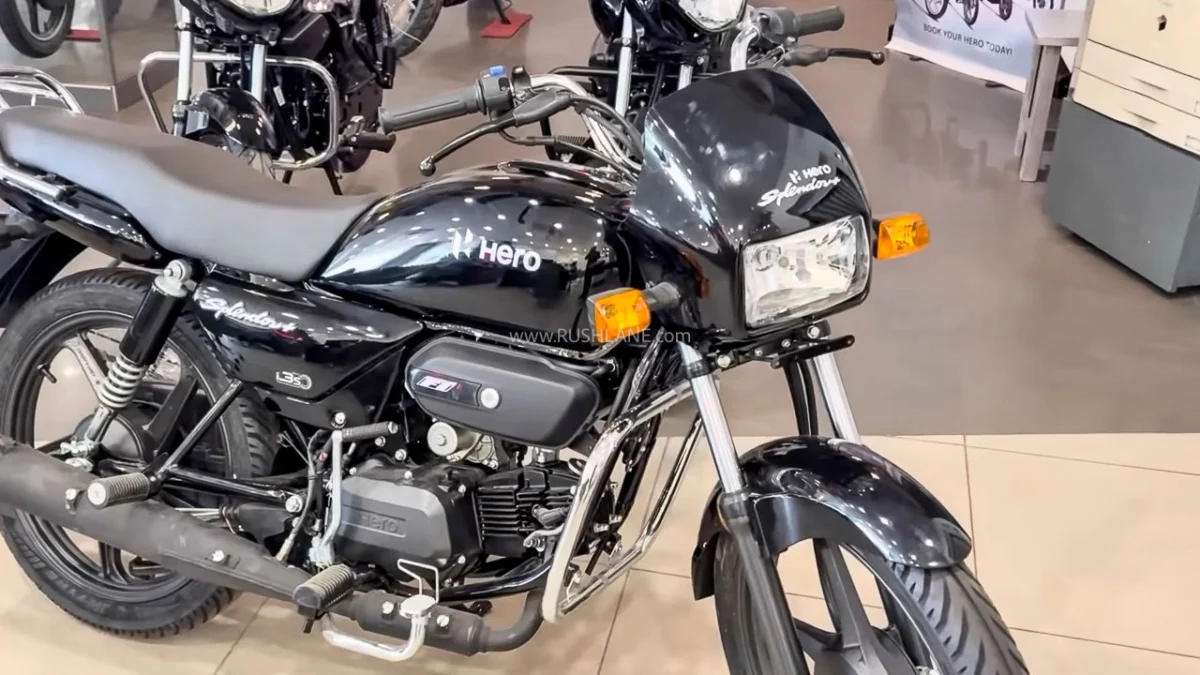
Hero MotoCorp’s portfolio continues to be dominated by its motorcycle division, which remains the backbone of the company’s volume. In July 2026, motorcycle sales grew by 17% YoY, totaling 4,68,565 units. This growth was spearheaded by the "Big Three" of the commuter world: the Hero Splendor, Passion, and Glamour series.
However, the most striking data point in the July report is the rapid acceleration of the scooter segment. Hero dispatched 64,851 scooters during the month, representing a staggering 32% growth over the 49,140 units sold in July 2025. This outsized growth suggests that Hero’s efforts to reinvent its image in the scooter market—traditionally a stronghold of its competitors—are finally yielding high-yield results. The Destini and the youth-centric Xoom have emerged as significant volume drivers, appealing to urban commuters looking for a blend of style and fuel efficiency.

Within the motorcycle category, the "XTEC" variants—featuring digital instrument clusters, Bluetooth connectivity, and LED lighting—have seen increased take-up. Models like the Super Splendor XTEC 2.0 and Glamour X have successfully bridged the gap between basic utility and modern aspiration, allowing Hero to maintain its market share while increasing its average selling price (ASP).
Chronology of Growth: FY2027 Performance and Global Footprint
The July performance contributes to a highly successful first four months of the 2026-27 fiscal year (FY2027). For the April-July period, Hero MotoCorp has dispatched a cumulative 22,10,729 units, marking a 21.7% growth over the 18,16,825 units sold during the same period in the previous fiscal year.
A breakdown of the FYTD (Fiscal Year-to-Date) figures shows:
- Domestic Sales: 20,73,510 units (up 20.9%).
- Exports: 1,37,219 units (up 34.8%).
Despite the monthly dip in July exports, the four-month cumulative export data remains overwhelmingly positive, suggesting that the company’s long-term international strategy is working. July also marked a significant milestone in Hero’s global expansion as it officially entered the German market, making it the company’s 53rd global destination. This move into Europe is seen as a "statement of intent," proving that Hero’s latest products meet the stringent Euro 5+ emission standards and the high-performance expectations of Western riders. Additionally, the company solidified its presence in South America by launching operations in Ecuador.
The EV Transformation: VIDA, VOOM, and Strategic Investments
The most transformative aspect of Hero MotoCorp’s current strategy is its Electric Vehicle (EV) vertical. Under the "VIDA" brand, Hero has carved out a premium niche in the electric scooter market. In July 2026, the company dispatched 22,714 electric units, maintaining a strong upward momentum.
Several factors have contributed to this EV surge:
- New Product Variants: The introduction of a 4.4 kWh battery variant has addressed "range anxiety," a primary concern for Indian EV adopters. This new high-performance variant has significantly expanded VIDA’s appeal to long-distance commuters.
- Brand Identity: Hero recently unveiled its refreshed "VOOM" brand identity, aimed at a younger, tech-savvy demographic. This rebranding is part of a broader strategy to separate its legacy ICE reputation from its future-forward electric mobility solutions.
- Ather Energy Synergy: Hero’s strategic investment in Ather Energy continues to pay dividends. By leveraging shared learnings in charging infrastructure and battery management systems, Hero has been able to scale its EV ecosystem faster than many of its traditional rivals.
- Nepal Entry: The VIDA brand also went international this month, entering the Nepalese market, which is increasingly pivoting toward sustainable transport due to high fuel import costs.
Infrastructure and Future Readiness: The Tirupati Hub
To support this massive scale of operations, Hero MotoCorp is investing heavily in logistics and manufacturing infrastructure. The company recently laid the foundation stone for its second Global Parts Center (GPC) in Tirupati, Andhra Pradesh.
This facility is strategically critical for two reasons:

- Spare Parts Logistics: As Hero’s global and domestic fleet grows, the GPC will streamline the distribution of genuine parts, reducing downtime for customers and increasing after-sales revenue.
- EV Manufacturing Hub: The Tirupati plant is the primary manufacturing site for the Vida electric range. The expansion of this facility will allow Hero to double its EV production capacity by the end of 2027, preparing the company for the eventual tipping point where EV sales begin to rival ICE volumes.
Implications: What This Means for the Industry
Hero MotoCorp’s July 2026 performance carries several implications for the broader automotive industry and the Indian economy.
1. Rural Economic Recovery:
The 21.6% growth in domestic sales is perhaps the strongest indicator yet that the Indian rural economy is in a state of robust health. Two-wheelers are often viewed as a lead indicator of rural financial stability; Hero’s numbers suggest that discretionary spending is returning to pre-pandemic levels in the heartland.
2. The "Scooterization" of the Portfolio:
For decades, Hero was seen almost exclusively as a motorcycle brand. The 32% growth in scooters signifies a successful brand repositioning. By capturing a larger share of the scooter market, Hero is insulating itself against shifts in urban consumer preferences, where scooters are often preferred for their storage and ease of use in traffic.
3. The Global Ambition:
Entering Germany and Ecuador in the same month demonstrates a "pincer movement" strategy—targeting both high-end developed markets and high-volume emerging markets. This diversification will be crucial as the Indian domestic market eventually reaches a plateau.
4. The EV War Heating Up:
With 22,714 units in a single month, VIDA is no longer a "pilot project." It is a serious contender in the EV space, challenging the dominance of startups like Ola Electric and established players like TVS and Bajaj. The battle for the EV crown will likely be won by those who can provide the best charging infrastructure and battery reliability—areas where Hero’s Tirupati expansion and Ather partnership provide a distinct advantage.
Conclusion
Hero MotoCorp’s July 2026 results reflect a company in the midst of a successful metamorphosis. By maintaining its iron grip on the entry-level motorcycle segment while simultaneously aggressively pursuing the scooter and EV markets, the company is effectively hedging its bets for the future. While export volatility remains a point of concern, the sheer scale of domestic growth and the strategic entry into the European market suggest that Hero is well-positioned to remain the dominant force in the global two-wheeler industry for the foreseeable future.
As the company moves into the second half of FY2027, the focus will likely shift to the festive season, where Hero typically sees its highest volumes. If the current momentum holds, the company is on track to set new annual sales records, further solidifying its status as a cornerstone of India’s industrial landscape.
