

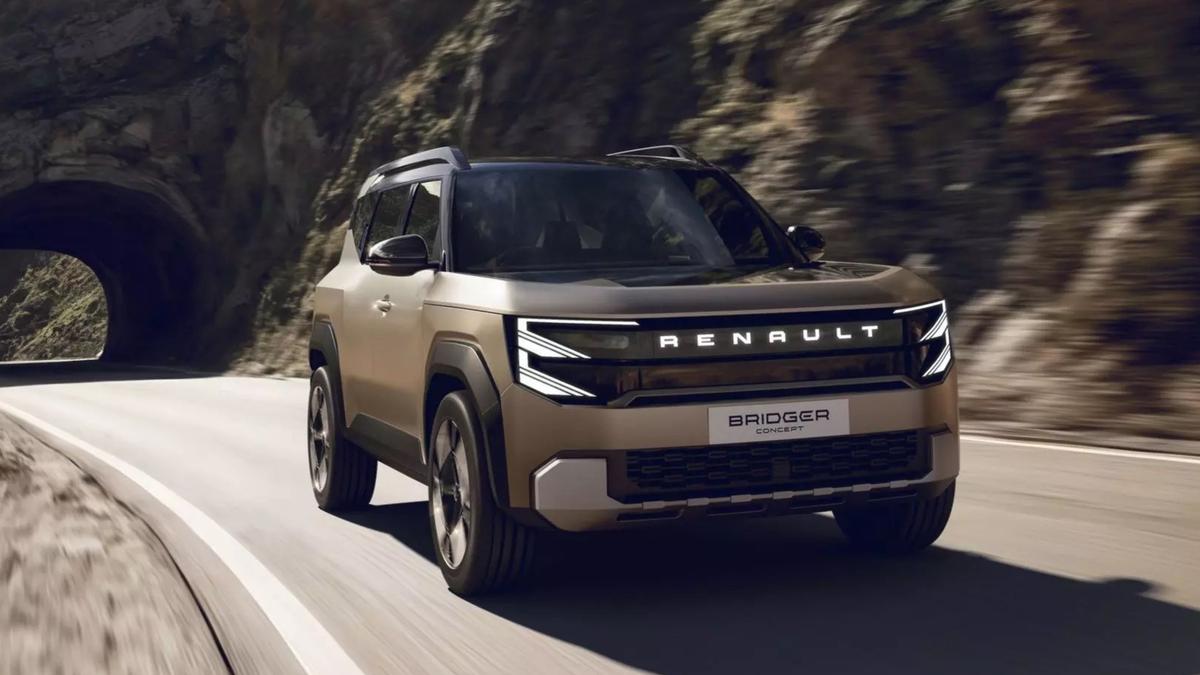
The Indian automotive landscape is currently undergoing a seismic shift. As the world’s third-largest auto market, India has transitioned from a price-sensitive outpost to a sophisticated arena where technology, lifestyle branding, and powertrain flexibility dictate success. Amidst this evolution, Renault Group has unveiled a comprehensive, layered strategy designed to reclaim its position as a dominant force in the subcontinent. At the heart of this "Renaulution" is the Renault Bridger Concept—a vehicle that is more than just a prototype; it is a manifesto for the brand’s future.
Main Facts: The Blueprint for a New Era
Renault’s strategy for India is no longer predicated on the success of a single "silver bullet" product like the original Duster or the Kwid. Instead, it is built upon a robust dual-platform architecture and a roadmap to launch seven new models by 2030.
The Bridger Concept serves as the vanguard of this movement. Positioned in the hyper-competitive B-SUV segment, the Bridger is designed to bridge the gap between rugged utility and urban sophistication. However, the most significant "fact" of Renault’s new direction lies beneath the sheet metal. The company is pivoting to a multi-energy approach, utilizing the Renault Group Modular Platform (RGMP). This architecture is engineered to support Internal Combustion Engines (ICE), flex-fuel, strong hybrids, and Battery Electric Vehicles (BEVs) on the same production line.
Furthermore, Renault has elevated India’s status within its global hierarchy. The country is now ranked among Renault’s top three global markets. The group anticipates that India will contribute approximately 35% of its global sales in the coming years, transforming the Chennai manufacturing facility and engineering center into a critical hub for both domestic consumption and international exports.
Chronology: From Market Disruptor to Strategic Powerhouse
To understand Renault’s current trajectory, one must look at the phases of its Indian journey:
The Early Success (2012–2017)
Renault entered the Indian consciousness with the Duster, which single-handedly created the midsize SUV segment. This was followed by the Kwid, which challenged the entry-level monopoly with SUV-inspired styling. These models established Renault as a "disruptor."
The Consolidation Phase (2018–2023)
Recognizing the need for volume, Renault introduced the Triber (a compact MPV) and the Kiger (a compact SUV) on the Renault Group Entry Platform (RGEP). These models focused on affordability and space efficiency, maintaining Renault’s presence while the brand worked behind the scenes on a more advanced architecture.
The New Dawn (2024 and Beyond)
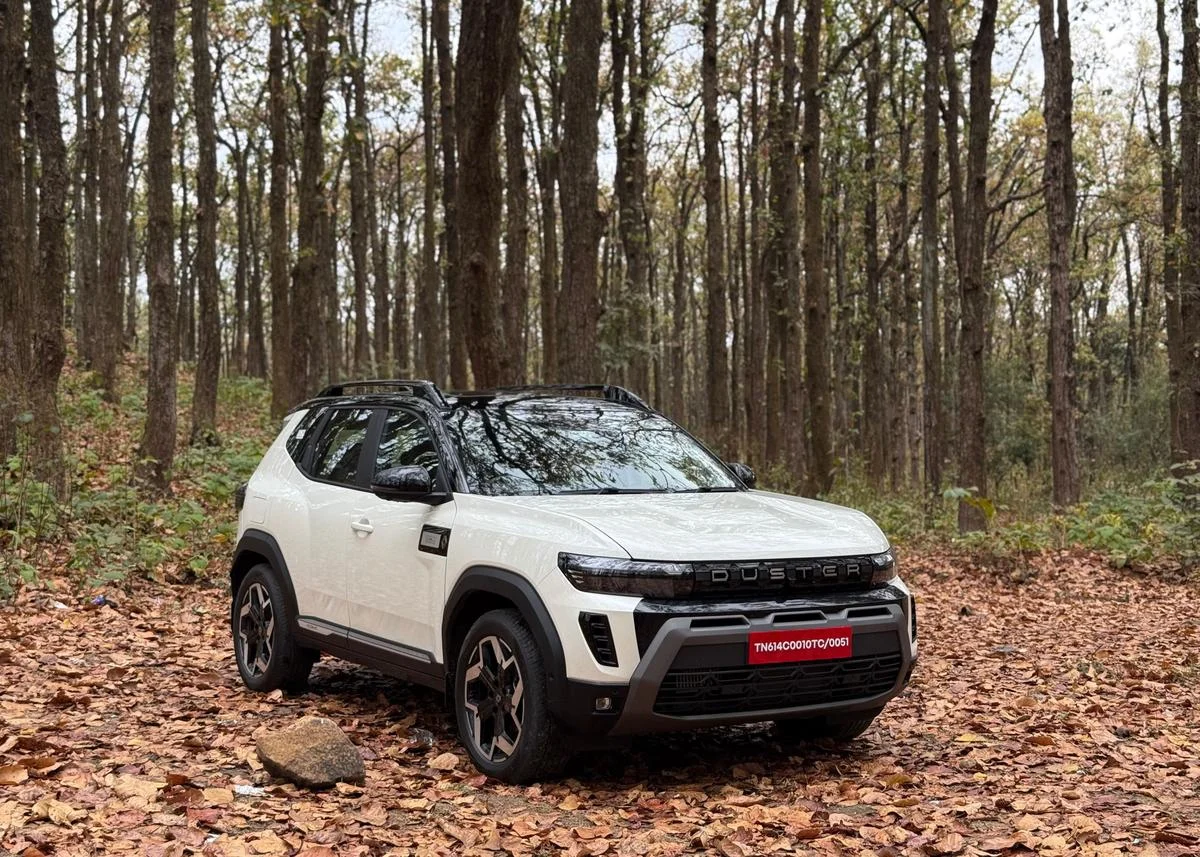
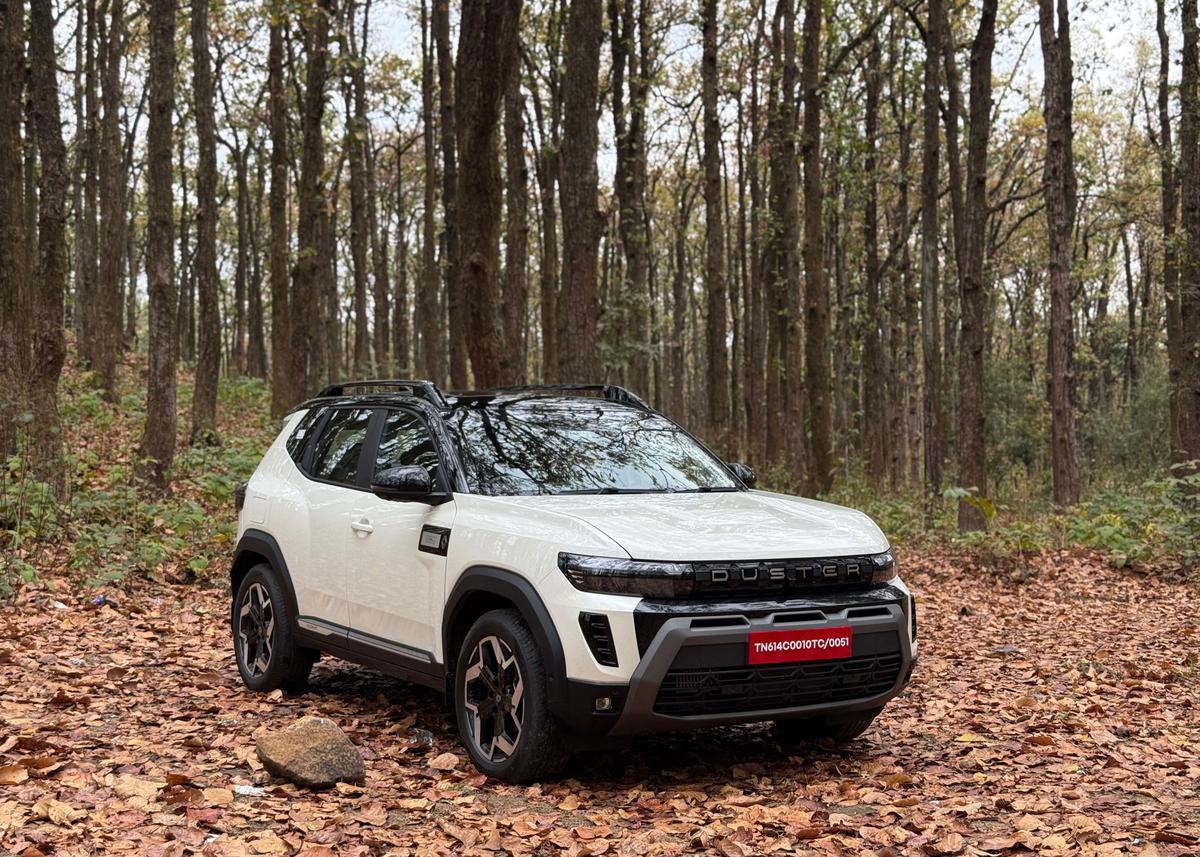
The current phase began with the re-introduction of the all-new Duster, built on the global RGMP. This marked the shift from "cost-optimized" products to "global-standard" products adapted for India. The unveiling of the Bridger Concept in late 2024 represents the second major pillar of this RGMP-led expansion.
Looking ahead, the chronology includes the launch of a strong hybrid Duster in the 2024 festive season, followed by the production version of the Bridger, and a series of EV and CNG launches culminating in a seven-model portfolio by 2030.
Supporting Data: The Power of Two Platforms
Renault’s ability to scale in India rests on its dual-platform strategy. By segregating its lineup into two distinct architectures, the company can target different price points without compromising on technology where it matters most.
1. The RGEP (Renault Group Entry Platform)
This platform remains the backbone of Renault’s volume play. It currently supports the Kiger and Triber.
- Target: Value-conscious buyers.
- Updates: Renault has confirmed the introduction of CNG variants for both the Kiger and Triber to combat rising fuel costs.
- Performance: The Triber is slated to receive a more powerful engine option (likely a 1.0L Turbo) to address consumer feedback regarding highway performance.
2. The RGMP (Renault Group Modular Platform)
The RGMP is Renault’s "next-generation toolkit." It is a more sophisticated, high-tensile architecture that allows for:
- Multi-Energy Flexibility: It can house large battery packs for EVs or complex hybrid systems without requiring a total redesign of the chassis.
- Advanced Electronics: The platform supports a more complex Electrical/Electronic (E/E) architecture, enabling better infotainment, ADAS (Advanced Driver Assistance Systems), and over-the-air (OTA) updates.
- Safety: Engineered to meet global crash test standards, which is increasingly a priority for Indian buyers.
Market Projections
Renault’s goal to have seven models by 2030 is backed by a massive investment in the Chennai ecosystem. By leveraging local engineering (which comprises thousands of Indian engineers), Renault aims to achieve over 90% localization for its upcoming models, ensuring that the Bridger and the new Duster remain price-competitive against rivals like Hyundai, Kia, and Maruti Suzuki.
Official Responses: Insights from Leadership
The scale of Renault’s ambition was recently articulated by the group’s top brass during a visit to their Chennai operations.
Mr. Francois Provost, CEO of Renault Group (International Development & Partnerships), emphasized that India is no longer a peripheral market. "India is a pillar of our international growth. The flexibility of the RGMP allows us to bring the best of global technology to India while ensuring the products are ‘born’ in India for Indian conditions," Provost noted.
Mr. Stephane Deblaise, CEO of Renault India, highlighted the technical robustness of the new strategy. "We are not just launching cars; we are building an ecosystem. From our engineering base in Chennai, we are developing architectures that will serve both the domestic market and global programs. The Bridger Concept is a testament to this—it is rugged, it is tech-forward, and it is ready for the future of mobility, whether that be petrol, hybrid, or electric."
The leadership also addressed the transition to green energy, stating that while EVs are the future, the "bridge" (aptly reflected in the Bridger name) will be provided by strong hybrids and flex-fuel options, allowing consumers to transition at their own pace.
Technical Deep Dive: The Bridger Concept
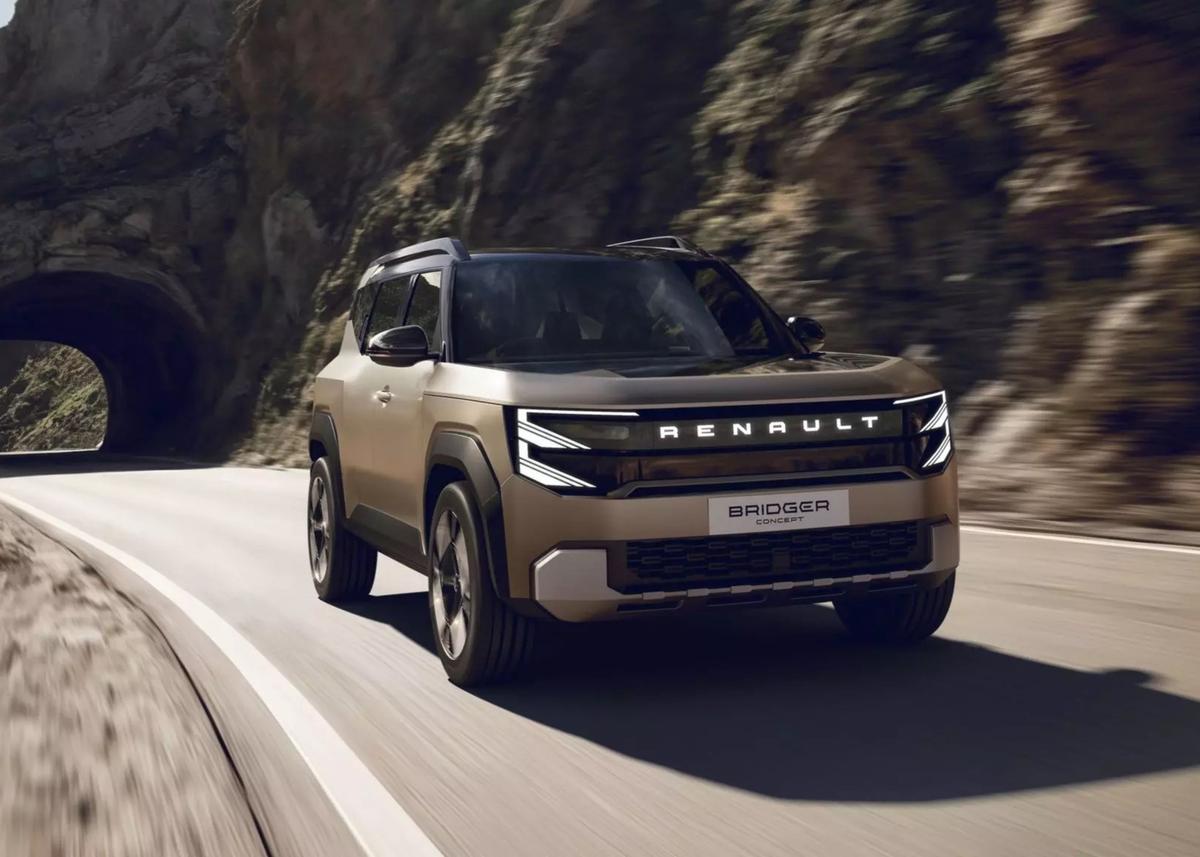
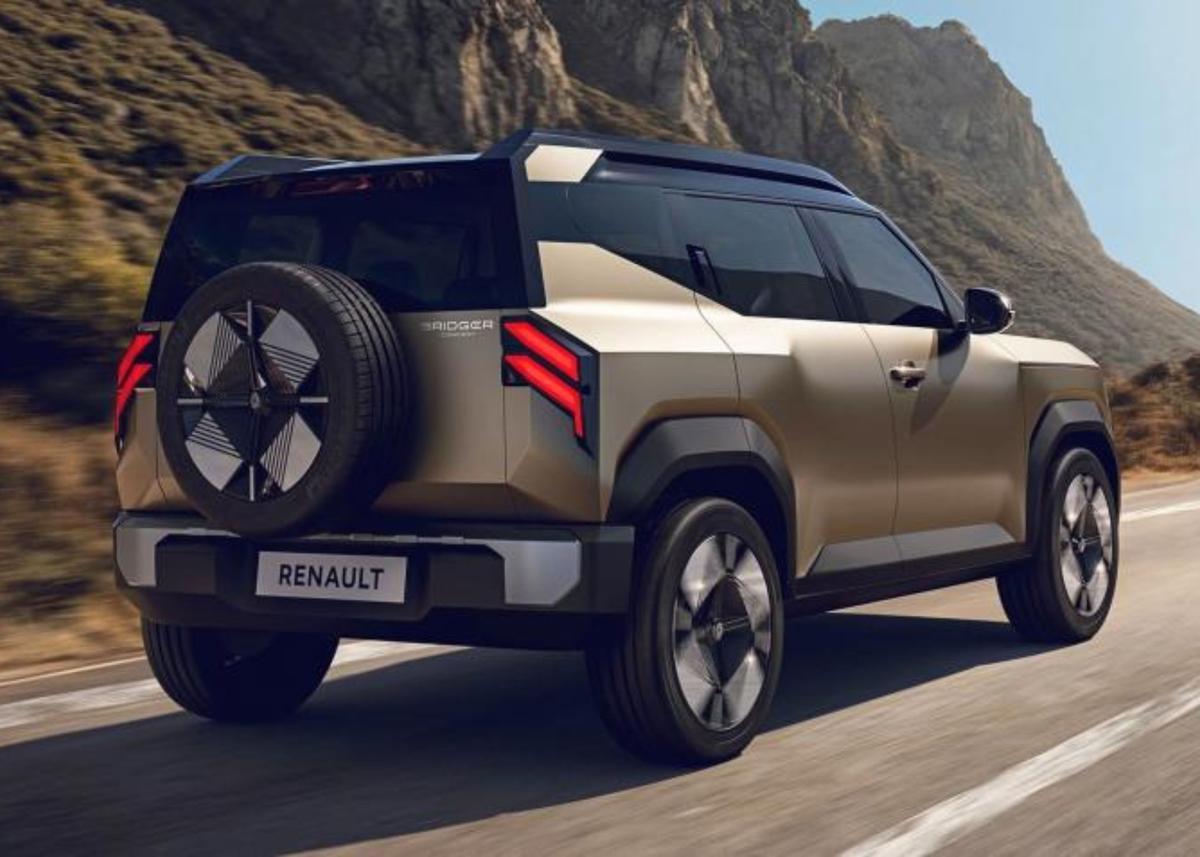
The Bridger Concept is not merely a design study; it is a preview of a production-ready B-SUV. Its design language moves away from the soft curves of previous Renaults toward a more "Neo-Rugged" aesthetic.
- Exterior Design: The Bridger features an upright nose, squared-off wheel arches, and a high ground clearance. The short overhangs suggest excellent approach and departure angles, catering to the "lifestyle" SUV buyer who might venture off the beaten path.
- Packaging: Despite its rugged appearance, the footprint is optimized for urban India. It is compact enough for tight city traffic but offers a commanding driving position.
- Powertrain Readiness: Because it sits on the RGMP, the production version of the Bridger is expected to debut with a turbo-petrol engine, with a high probability of an electric version following shortly after. This "future-proofing" is a key differentiator for Renault in a market where emission norms (like BS7) are on the horizon.
Implications: What This Means for the Indian Market
Renault’s renewed push has several far-reaching implications for the Indian automotive industry and consumers.
1. Intensified Competition in the B-SUV Segment
The B-SUV segment is currently the most crowded in India, featuring heavyweights like the Maruti Suzuki Brezza, Tata Nexon, and Hyundai Venue. The Bridger’s focus on "presence" and "platform sophistication" suggests Renault is moving away from purely price-based competition toward "value-plus" competition. This will likely force competitors to further innovate in terms of platform safety and powertrain diversity.
2. The Hybrid vs. EV Debate
By offering a strong hybrid variant of the Duster and potentially the Bridger, Renault is taking a middle path in the EV vs. ICE debate. In a country where charging infrastructure is still maturing, strong hybrids offer the fuel efficiency of an EV without range anxiety. This move could potentially shift market share away from brands that are skipping hybrids to go straight to EVs.
3. India as an Export Hub
The focus on the RGMP platform means that the vehicles produced in Chennai will be of a global standard. This allows Renault to use India as a primary export hub for Right-Hand Drive (RHD) markets in Africa, Southeast Asia, and potentially Latin America. This aligns with the Indian government’s "Make in India" and "Self-Reliant India" (Atmanirbhar Bharat) initiatives.
4. Consumer Choice and Longevity
For the consumer, Renault’s dual-platform strategy means more choices. Those looking for affordable, reliable transport can stick with the evolved RGEP models (Kiger/Triber), while those looking for premium tech and future-proof powertrains can opt for the RGMP models (Duster/Bridger).
Conclusion: A Measured and Robust Future
Renault’s strategy for India, as showcased in Chennai, feels significantly more measured than its previous efforts. By investing in foundational architectures rather than just "top-hat" designs, the company has built a technical moat that allows it to adapt to whatever the Indian market demands next.
The Bridger Concept is the visual hook, but the real story is the 35% global sales contribution target and the engineering prowess housed in India. As the automotive world moves toward an uncertain future of fluctuating fuel prices and evolving regulations, Renault’s "multi-energy" modular approach appears to be one of the most pragmatic and robust plans on the table. For the Indian car buyer, the next few years will bring a Renault that is more sophisticated, more rugged, and more integrated into the global automotive stage than ever before.
