

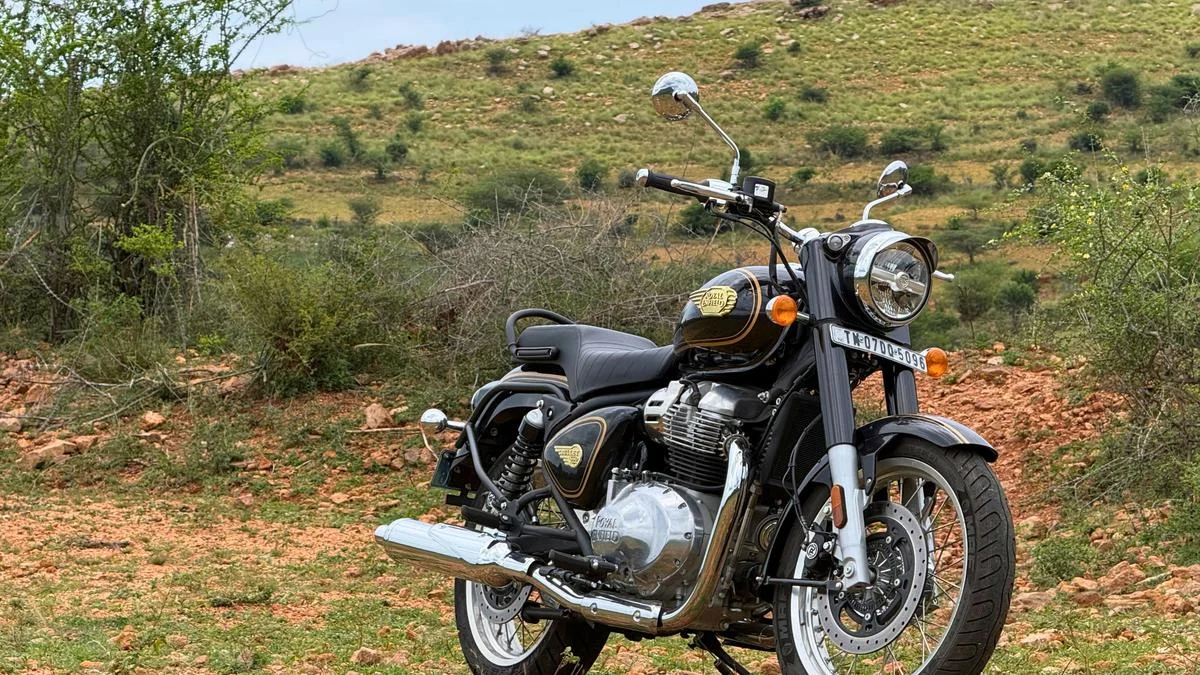
The Royal Enfield Bullet is not merely a motorcycle; it is a cultural phenomenon that has spanned nearly a century of automotive history. Since its inception in 1932, the Bullet has served as the backbone of the Indian motorcycling landscape, surviving world wars, economic shifts, and the relentless march of technological advancement. However, the arrival of the Bullet 650 marks perhaps the most significant milestone in the model’s storied lineage. By marrying the iconic silhouette of the "old school" Bullet with the sophisticated 648cc parallel-twin engine, Royal Enfield has created a machine that seeks to bridge the gap between nostalgic charm and modern-day performance.
Main Facts: The New Standard in Middleweight Cruising
The Royal Enfield Bullet 650 has officially entered the market with a starting price of ₹3.64 lakh (ex-showroom). Positioned as the flagship of the Bullet range, it utilizes the globally acclaimed 650cc platform that already powers the Interceptor, Continental GT, Super Meteor, Shotgun, and the recently launched Classic 650.
Key Specifications at a Glance:
- Engine: 648cc, air-oil cooled, parallel-twin, SOHC.
- Power Output: 47 PS at 7,250 rpm.
- Peak Torque: 52.3 Nm at 5,650 rpm.
- Transmission: 6-speed gearbox with a slipper clutch.
- Weight: 243 kg (kerb).
- Seat Height: 800 mm.
- Fuel Capacity: 13.8 liters (approximate).
- Braking: Dual-channel ABS with 320mm front and 300mm rear discs.
The Bullet 650 represents a strategic move by Royal Enfield to offer a more accessible, upright, and traditional alternative to the sportier Interceptor 650 and the more ornate Classic 650. It targets a demographic that values the "Standard" motorcycle aesthetic—clean lines, a comfortable bench seat, and an imposing road presence—without the vibrations and mechanical limitations of the older 350cc and 500cc single-cylinder iterations.
Chronology: The Journey to the Twin-Cylinder Bullet
The path to the Bullet 650 began in 2018 with the launch of the Interceptor 650 and Continental GT 650. These models proved that Royal Enfield could produce a world-class, vibration-free parallel-twin engine that appealed to both domestic and international markets. Following the success of the twins, the company embarked on a modular strategy, expanding the platform to include the Super Meteor 650 (a pure cruiser) and the Shotgun 650 (a bobber-style factory custom).

The most recent phase of this evolution saw the introduction of the Classic 650, which set the stage for the Bullet 650. While many wondered if a 650cc Bullet would be redundant alongside the Classic, Royal Enfield’s design philosophy has always been about nuances. The Bullet 650 is the final piece of the puzzle, bringing the brand’s oldest nameplate into its most modern era of engineering.
Supporting Data: Design, Engineering, and Performance
Visual Identity and Craftsmanship
The design of the Bullet 650 is a masterclass in "evolutionary" styling. Royal Enfield’s designers have retained the unmistakable "tall" stance of the Bullet. The teardrop-shaped fuel tank remains the centerpiece, adorned with the signature hand-painted gold pinstripes—a craft still performed by a select group of artisans at the Chennai factory.
The "Casquette" headlamp housing, a staple of the Bullet since the 1950s, houses the main LED unit and the iconic "tiger eye" pilot lamps. Moving to the rear, the squared-off mudguard provides a distinct visual departure from the rounded fenders of the Classic 650. The use of chrome is extensive but tasteful, appearing on the engine casings, the dual peashooter exhausts, and the mirrors, ensuring the bike gleams under streetlights.
The Heart of the Machine: The 648cc Parallel-Twin
The engine is the defining feature of this motorcycle. Unlike the traditional single-cylinder "thump" that defined the Bullet for decades, the 648cc unit utilizes a 270-degree firing order. This configuration provides a characterful, "burbling" exhaust note that transforms into a purposeful roar under heavy acceleration.

Performance Metrics:
- Low-end Torque: The bike produces 80% of its torque as low as 2,500 rpm, allowing for effortless "chugging" in city traffic.
- Highway Capability: The 6-speed transmission allows the Bullet 650 to cruise at 100–120 km/h with virtually zero stress on the engine.
- Refinement: Counter-balancers within the engine eliminate the hand-numbing vibrations that were synonymous with older Bullets, making it a viable long-distance tourer.
Chassis and Suspension Dynamics
Underneath the retro skin lies a steel tubular spine frame developed in conjunction with Harris Performance. The suspension duties are handled by 43mm telescopic front forks and twin "Emulsion" shock absorbers at the rear, featuring adjustable preload.
While the 243 kg weight is substantial, the motorcycle’s geometry is designed for stability. The 1,480mm wheelbase ensures that the bike remains planted even when buffeted by crosswinds on the highway. However, the suspension is tuned for a "plush" feel, meaning it excels at soaking up minor road imperfections but may feel slightly soft during aggressive, high-speed cornering.
Comfort, Ergonomics, and Daily Usability
The Bullet 650 is arguably the most comfortable 650cc Royal Enfield for the pillion and rider alike. The single-piece "step-up" bench seat is wide and well-padded, providing ample support for multi-hour rides. The footpegs are centrally mounted, and the tall handlebars allow for a completely neutral, upright spine position.

The Challenge of Mass
One area where prospective owners must be cautious is the bike’s physical scale. At 243 kg, the Bullet 650 is one of the heaviest motorcycles in its class. For riders under 5’8", the 800mm seat height combined with the bike’s width may make "duck-walking" the motorcycle in parking lots a strenuous task. The weight is balanced well once in motion, but low-speed maneuvers require a confident hand.
Real-World Efficiency
In terms of fuel economy, the Bullet 650 reflects its displacement. While the company claims upwards of 25 kmpl, real-world testing in mixed conditions—including heavy traffic and spirited highway bursts—yields figures closer to 18–22 kmpl. With a 13.8-liter tank, riders can expect a range of approximately 250–280 km between fuel stops.
Official Responses and Market Positioning
Royal Enfield has positioned the Bullet 650 as a "heritage flagship." During various interactions, company representatives have emphasized that the Bullet is not intended to be a spec-sheet warrior. Instead, it is designed to offer a "pure" motorcycling experience where the "feel" of the machine takes precedence over 0-100 km/h timings.
The decision to price the Bullet 650 at ₹3.64 lakh places it in a unique spot. It is more expensive than the Interceptor 650 but offers a more substantial, "big bike" feel. Compared to the Classic 650, the Bullet is for the "purist" who finds the Classic’s extra chrome and rounded aesthetics a bit too ornate.

Implications: What the Bullet 650 Means for the Industry
The release of the Bullet 650 has several far-reaching implications for the Indian and global motorcycle markets:
- The End of the "Vibration" Era: By successfully transitioning its most "old-school" brand to the 650cc twin platform, Royal Enfield has signaled that refinement is no longer optional. The era of accepting mechanical flaws as "character" is coming to an end.
- Premiumization of the Indian Market: The success of a ₹3.6-lakh-plus Bullet indicates that the Indian consumer is ready to pay a premium for heritage combined with modern performance. This opens the door for other manufacturers to bring more middleweight retros to the market.
- Global Appeal: The Bullet 650 is not just for India. In markets like the UK, Europe, and North America, there is a growing demand for "Standard" motorcycles that are easy to ride and maintain. The Bullet 650 fits this "A2-compliant" niche perfectly.
- Brand Loyalty: This model provides a natural upgrade path for the millions of Bullet 350 owners who were previously forced to look at other brands (like Triumph or Honda) when they wanted more power.
Verdict: The Legend, Refined
The Royal Enfield Bullet 650 is a triumph of restraint. It would have been easy for the company to add digital screens, riding modes, and aggressive styling to "modernize" the bike. Instead, they focused on what matters: the soul of the machine.
It retains the "big-bike" presence, the artisanal pinstriping, and the relaxed riding posture that made the Bullet famous. By adding the 650cc parallel-twin, they have simply removed the limitations of the past. The result is a motorcycle that is as comfortable on a 500-km highway run as it is on a Sunday morning ride to a local café.
For those who grew up with the heavy crank and the slow-revving nature of the old cast-iron or UCE Bullets, the 650 will be a revelation. It is faster, safer, and infinitely more refined, yet it still feels like a Bullet. In an industry often obsessed with "more"—more tech, more plastic, more speed—the Bullet 650 stands as a testament to the enduring power of "enough." It is enough motorcycle for any road, and more than enough legacy for any rider.
