

Introduction: The Renaissance of Seasonal Baking
As the culinary world pivots increasingly toward seasonal, farm-to-table practices, few ingredients capture the ephemeral beauty of the harvest quite like the cherry. In the realm of home baking, the transition from heavy, preserved ingredients to vibrant, fresh produce has sparked a renewed interest in "tea cakes"—simple, elegant bakes designed to highlight a single fruit. Among these, the Fresh Cherry Cake stands out as a triumph of texture and flavor, particularly within the growing niche of egg-free patisserie.

This article explores the technical composition, nutritional profile, and culinary significance of the egg-free Fresh Cherry Cake, a recipe that has gained traction for its accessibility and its sophisticated use of fresh stone fruits.

Main Facts: Defining the Egg-Free Aesthetic
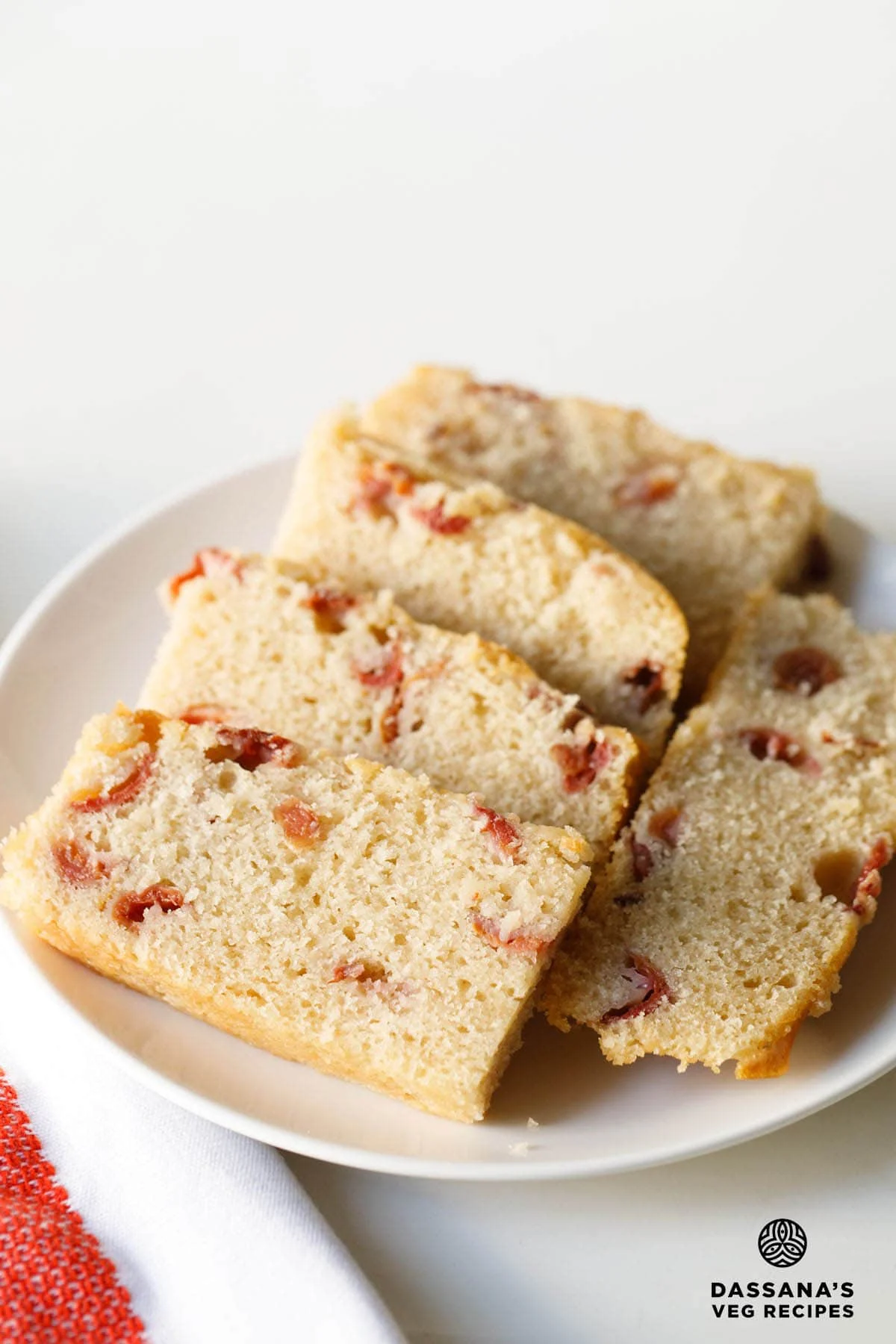
The Fresh Cherry Cake is a soft, moist, and structurally sound dessert that eschews traditional binders like eggs in favor of a scientifically balanced chemical reaction. At its core, the cake is a vanilla-scented sponge enriched with oil and aerated through the interaction of milk and vinegar.

Key Characteristics:
- Freshness Over Preservation: Unlike many commercial cherry cakes that rely on glacé or maraschino cherries, this version utilizes 200 grams of fresh, pitted cherries. This provides a natural tartness that balances the sugar content.
- The "Tender Crumb" Mechanism: The inclusion of cornstarch (cornflour) alongside all-purpose flour serves to lower the overall protein content of the batter. This mimics the properties of cake flour, resulting in a more delicate, melt-in-the-mouth texture.
- Fat Source: By utilizing neutral-flavored oil rather than butter, the cake maintains a superior moisture level even when refrigerated. Oil remains liquid at lower temperatures, preventing the "staling" sensation common in butter-based cakes.
- Leavening Strategy: The recipe employs a "homemade buttermilk" technique—mixing milk with apple cider vinegar or lemon juice. The acidity reacts with the baking powder to provide the necessary lift that eggs would traditionally offer.
Chronology: A Step-by-Step Masterclass in Seasonal Baking
The production of a Fresh Cherry Cake follows a precise sequence of events designed to ensure fruit distribution and structural integrity.

Phase 1: Fruit Preparation and Pre-Processing
The process begins with the selection of high-quality cherries. Whether using local Indian varieties or imported sweet cherries, the fruit must be rinsed, de-stemmed, and pitted. For home bakers lacking specialized equipment, a "twist-and-release" method—similar to pitting an avocado—is employed.

Crucially, the halved cherries are tossed in a small amount of all-purpose flour. In the chronology of baking, this is a vital preventative measure; the flour coating increases surface friction, preventing the heavy fruit from sinking to the bottom of the pan during the early stages of the bake.

Phase 2: The Activation of Wet Ingredients
Simultaneously, the oven is preheated to 180°C (356°F). The "buttermilk" mixture is created by combining 3/4 cup of milk with one tablespoon of vinegar. A ten-minute rest period is mandatory, allowing the milk to curdle or thicken. This chemical activation ensures that when the dry ingredients are eventually introduced, the leavening agents react immediately.

Phase 3: Sifting and Integration
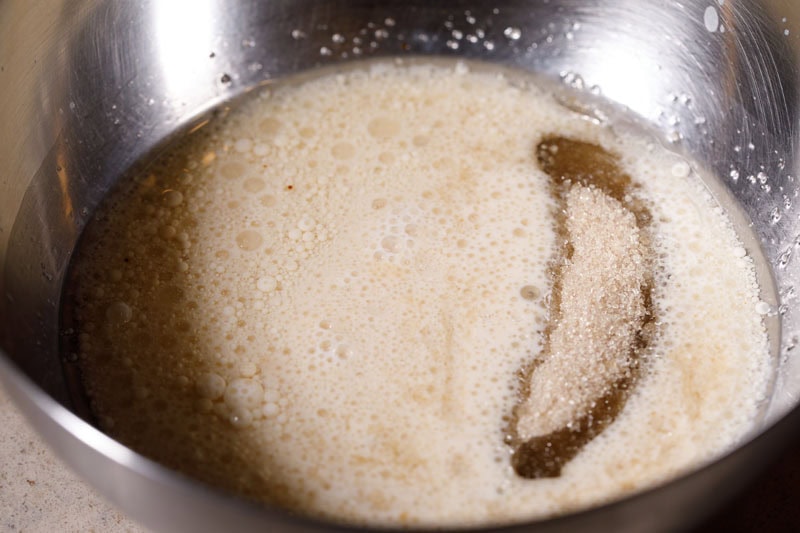
Dry ingredients—flour, cornstarch, baking powder, and a pinch of salt—are sifted to aerate the mixture and remove lumps. In the mixing bowl, sugar and vanilla extract are whisked into the buttermilk-oil base until fully dissolved. The integration of dry and wet components is handled with care; over-mixing at this stage would develop gluten, leading to a tough, bread-like texture rather than a light cake.

Phase 4: The Bake and Cooling Cycle
The batter is poured into a 7-inch pan, and the remaining cherries are scattered across the surface. The cake undergoes a 50 to 55-minute bake. This extended time at a moderate temperature allows the moisture from the cherries to steam the surrounding batter while the exterior develops a golden-brown crust. Post-bake, a cooling period on a wire rack is essential to allow the crumb to set before unmolding.

Supporting Data: The Nutritional and Technical Blueprint
To understand the Fresh Cherry Cake’s place in a balanced diet, one must examine the empirical data provided by the recipe’s nutritional analysis.

Nutritional Breakdown (Per Serving)
The following data is based on a standard yield of eight servings:

- Caloric Content: 262 kcal
- Carbohydrates: 44g (primarily from flour and sugar)
- Sugars: 23g
- Fat Content: 8g (with only 1g of Saturated Fat, thanks to the use of vegetable oil)
- Fiber: 1g
- Protein: 3g
Micronutrient Profile
Beyond basic macros, the inclusion of fresh cherries introduces essential vitamins and minerals. Cherries are known for their antioxidant properties, and this cake provides:
- Vitamin A: 53 IU
- Vitamin C: 2mg
- Potassium: 173mg
- Folate (B9): 44µg
- Calcium: 59mg
Technical Specifications
The recipe’s success hinges on specific measurements. The use of 1.5 cups of all-purpose flour against 3/4 cup of sugar creates a 2:1 ratio that provides enough structure to support the weight of the fruit without becoming overly dense. The inclusion of 1/2 teaspoon of salt is a critical technical detail, as it enhances the perception of both the vanilla and the cherry’s natural acidity.

Official Expert Advice: Optimization and Troubleshooting
Culinary experts and seasoned bakers, including Dassana (the developer of this specific recipe), offer several "official" recommendations to ensure the highest quality output.

1. Ingredient Substitutions
While the recipe is designed for flexibility, experts suggest that dairy milk provides the most consistent curdling for the buttermilk effect. However, for those seeking a vegan alternative, soy or almond milk can be used, though the thickening effect will be less pronounced.

2. Pan Selection and Heat Distribution
The choice of pan significantly impacts the cake’s height and moisture retention.

- 7-inch Pan: Results in a taller, more traditional "tea cake" aesthetic.
- 8-inch Pan: Results in a flatter, wider cake that may bake slightly faster.
- Loaf Pan: An acceptable alternative for those seeking a "sliceable" breakfast-style cake.
3. Aesthetics and Presentation
A common issue in fruit-based baking is the "floury" appearance of the top cherries after they emerge from the oven. Experts recommend a simple sugar syrup glaze (1:1 ratio of sugar and water) brushed onto the warm cake. This provides a professional, glossy finish and masks any residual flour from the pre-coating process.

4. Storage Protocols
Due to the high moisture content of fresh fruit, the cake is susceptible to mold if left in humid conditions. Experts recommend a 24-hour limit for room-temperature storage. For longer durations (up to 5 days), refrigeration is mandatory, though the cake should be brought to room temperature or gently microwaved before consumption to restore its soft texture.

Implications: The Evolution of Modern Home Baking
The popularity of the Fresh Cherry Cake reflects several broader shifts in global culinary culture.

The Rise of Eggless Innovation
Historically, eggless baking was often viewed as a compromise—a "lesser" version of traditional cakes. However, the development of recipes like this one demonstrates that through the clever application of chemistry (acid-base reactions and starch manipulation), egg-free desserts can achieve, and sometimes exceed, the quality of their egg-based counterparts. This has significant implications for inclusive catering, particularly for those with allergies or religious dietary restrictions (such as Lacto-vegetarianism).

The Sustainability of Seasonal Sourcing
By emphasizing "fresh" over "canned," the recipe encourages consumers to engage with local agriculture. In regions like India, where cherry season is a brief but celebrated window, such recipes promote a more sustainable, cyclical relationship with food. This move away from heavily processed, syrup-laden canned fruits aligns with the global trend toward "cleaner" eating.

Versatility in Occasion
The Fresh Cherry Cake blurs the line between a casual snack and a formal dessert. Its identity as a "tea cake" makes it a staple for mid-afternoon social gatherings, while its ability to be paired with vanilla ice cream or whipped cream allows it to transition seamlessly into a post-dinner finale. This versatility is a hallmark of modern recipe development, where the goal is to provide maximum utility for the home cook.

Conclusion
The Fresh Cherry Cake is more than a simple dessert; it is a technical exercise in balance. Between the tartness of the stone fruit and the sweetness of the vanilla sponge, and between the science of leavening and the art of fruit preparation, it represents the pinnacle of modern, accessible home baking. As more bakers look to reduce their reliance on animal products while maintaining high culinary standards, recipes of this caliber will continue to define the future of the domestic kitchen.
