

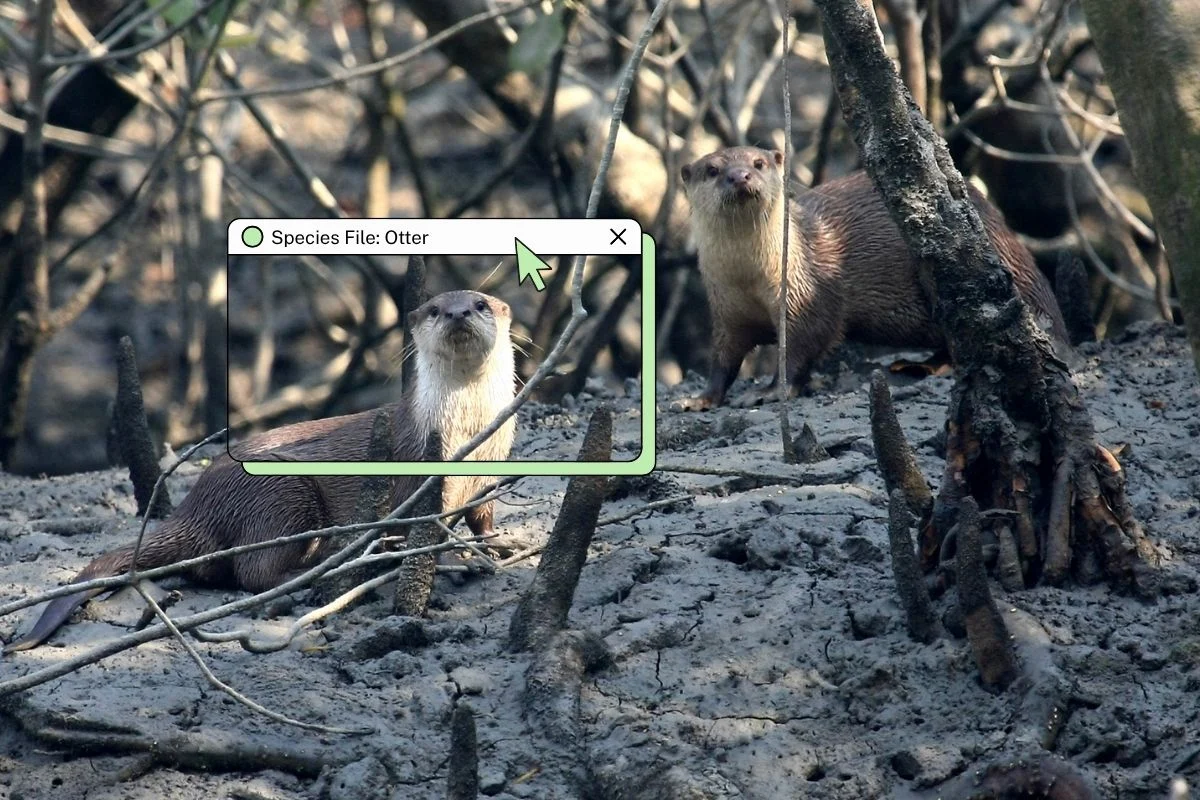
In the intricate tapestry of India’s riparian ecosystems, few creatures are as charismatic yet overlooked as the otter. Often referred to as the "river wolf," these semi-aquatic mammals serve as vital indicators of a river’s health. Recent findings from the banks of the Kaveri River in Tamil Nadu have cast a spotlight on these elusive predators, revealing a surprisingly robust population of smooth-coated otters in the Mettur region. However, this discovery comes at a precarious time, as habitat fragmentation, poaching, and human-wildlife conflict continue to threaten the three species of otters that call the Indian subcontinent home.
Main Facts: The Mettur Discovery and Species Overview
A comprehensive survey recently conducted in the Mettur Dam and surrounding stretches of the Kaveri River in Salem district, Tamil Nadu, has identified a significant stronghold for the smooth-coated otter (Lutrogale perspicillata). Local reports from fishers and residents suggest a population exceeding 1,000 individuals—a figure that, if verified by long-term scientific census, marks the region as one of the most critical habitats for the species in Southern India.
The Three Sisters: India’s Otter Diversity
India is home to three of the world’s thirteen otter species, each occupying distinct ecological niches:
- The Smooth-Coated Otter (Lutrogale perspicillata): The largest of India’s otters, characterized by its smooth, short hair and social nature. They are widely distributed across the major river systems south of the Himalayas, including the Ganges, Brahmaputra, and Kaveri.
- The Asian Small-Clawed Otter (Aonyx cinereus): The smallest otter species globally, these are found in the high-elevation streams of the Western Ghats, the Himalayan foothills, and Northeast India. Unlike their larger cousins, they have reduced claws and highly sensitive paws used for foraging for mollusks and crustaceans.
- The Eurasian Otter (Lutra lutra): The most elusive and solitary of the three, the Eurasian otter has a massive global range but remains rare in India. It is found in the cold-water torrents of the Himalayas and has isolated populations in the Western Ghats and central India.
Ecological Significance
Otters are apex predators in their aquatic environments. By preying on fish, crustaceans, and amphibians, they help regulate prey populations, ensuring that no single species dominates the ecosystem. Their presence is a "biological seal of approval"; because otters are sensitive to water pollution and habitat degradation, a thriving otter population generally indicates a healthy, productive river system.
Chronology: From Neglect to Conservation Focus
The history of otter conservation in India has long been overshadowed by the "charismatic megafauna" like tigers and elephants. However, the timeline of the last two decades shows a shifting tide in scientific interest and conservation urgency.
- Pre-2000s: The Era of Data Deficiency: For much of the 20th century, otters were largely ignored by mainstream conservation efforts in India. They were often viewed by local communities either as pests (for stealing fish from nets) or as a source of fur.
- 2000–2010: The Rise of the Fur Trade: During this decade, the illegal wildlife trade saw a massive surge. Investigations revealed that otter skins were being trafficked alongside tiger and leopard pelts. By the mid-2000s, it was estimated that otter skins accounted for nearly 30% of the illegal fur trade in India, with most of the demand coming from China and Southeast Asia.
- 2016: The TRAFFIC Report Milestone: A seminal report by TRAFFIC (the wildlife trade monitoring network) highlighted the scale of the crisis. It noted that despite legal protections, hundreds of otter skins were being seized annually, indicating a systematic poaching network operating across the Himalayan foothills and the Northeast.
- 2021–2024: Community-Based Resurgence: Recent years have seen a move toward community-led conservation. In Maharashtra’s Western Ghats and along the Kaveri in Karnataka and Tamil Nadu, NGOs began working with fisherfolk to mitigate conflict and promote otters as "guardians of the river."
- 2025: The Mettur Survey: The latest survey in Salem district represents a high point in recent monitoring efforts, suggesting that despite decades of pressure, the Kaveri remains a resilient lifeline for the smooth-coated otter.
Supporting Data: Conservation Status and Threats
Despite the positive news from Mettur, the broader data regarding otter populations in India remains concerning. The lack of a centralized, nationwide census makes it difficult to pinpoint exact numbers, but the trends observed by the International Union for Conservation of Nature (IUCN) provide a sobering outlook.
IUCN Red List Classifications
- Smooth-coated Otter: Vulnerable (Population declining due to habitat loss and pollution).
- Asian Small-clawed Otter: Vulnerable (Threatened by deforestation and the pet trade).
- Eurasian Otter: Near Threatened (Showing signs of recovery in Europe, but remaining precarious in Asia).
Legal Protections
In India, all three species are protected under the Wildlife (Protection) Act, 1972. They are typically listed under Schedule I or II, providing them the highest level of legal protection, equivalent to that of the tiger. This makes hunting, trapping, or trading otters a non-bailable offense.
Primary Threats
- Poaching: Katrina Fernandez, director of Wild Otters Research, notes that the demand for otter fur remains a primary driver of decline. The skins are prized for their density and water-resistant properties.
- Habitat Alteration: The construction of large dams—such as the Mettur Dam itself—changes the flow of rivers, destroying the sandy banks where smooth-coated otters dig their dens (holts).
- Pollution: Industrial runoff and agricultural pesticides accumulate in the fish that otters eat, leading to "bioaccumulation" which can impair reproductive health or lead to death.
- Conflict with Fisheries: In regions like Mettur, where fishing is a primary livelihood, otters are often seen as competitors. They frequently damage expensive nylon nets to reach the fish trapped inside, leading to retaliatory killings by fishers.
Official Responses and Expert Perspectives
The response to the otter crisis has been a mix of legislative enforcement and grassroots research. Government officials from the Tamil Nadu Forest Department have acknowledged the Mettur findings, emphasizing the need for a more formal "Otter Conservation Plan" for the Kaveri basin.
Expert Insights
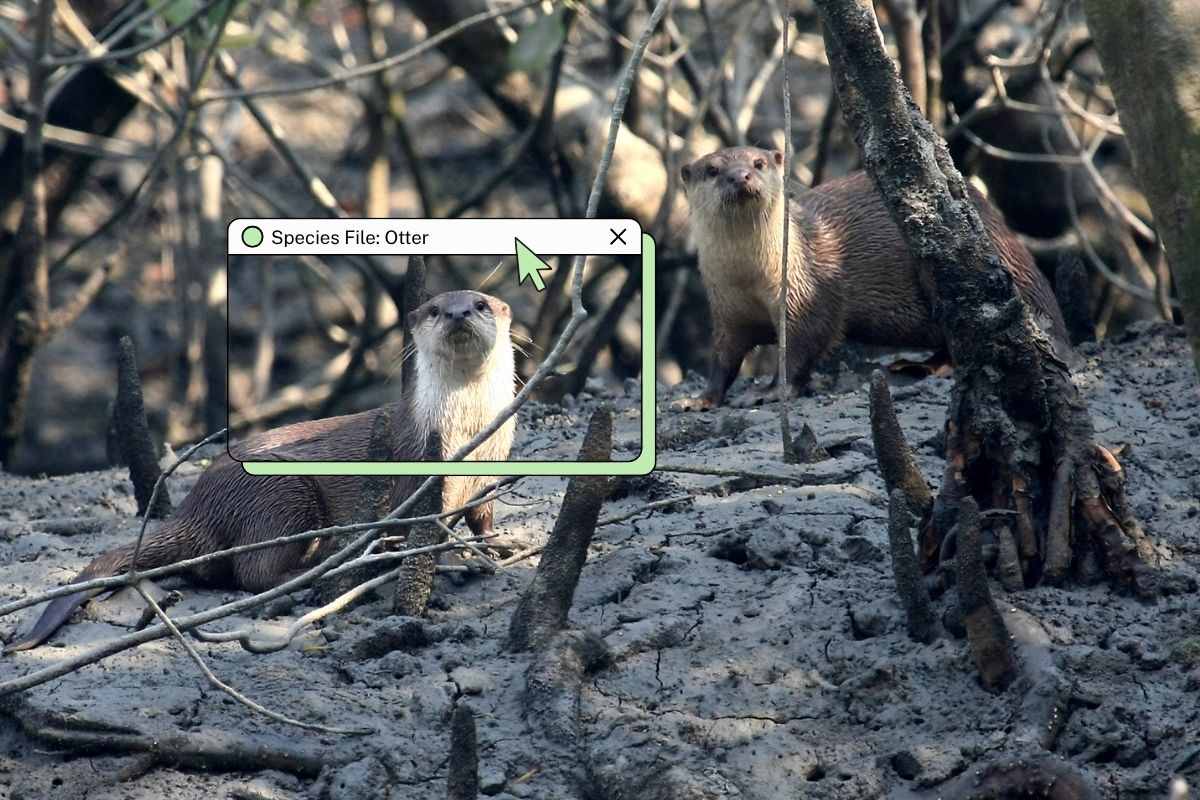
Katrina Fernandez, a leading voice in Indian otter conservation, has emphasized that the "invisible" nature of the otter trade makes it particularly dangerous. "The otters are relentlessly hunted for their body parts," Fernandez stated in a 2024 interview. She highlighted that the trade is often opportunistic; poachers targeting other species will trap otters if the opportunity arises, knowing there is a lucrative market across the border.
Furthermore, researchers from organizations like Wild Otters Research and various Tamil Nadu-based colleges are advocating for "otter-friendly" fishing gear. By providing fishers with sturdier nets or compensation for damages, conservationists hope to turn former enemies of the otter into their primary protectors.
Implications: The Future of India’s Riparian Biodiversity
The discovery of a thousand-strong otter population in the Mettur region carries profound implications for the future of river conservation in India.
The "Umbrella Species" Concept
Conservationists argue that the otter should be treated as an "umbrella species" for river restoration. By protecting the habitats required for otters—clean water, abundant fish stocks, and undisturbed riverbanks—authorities inadvertently protect thousands of other species, from aquatic insects to migratory birds.
The Need for Transboundary Cooperation
Because rivers like the Kaveri, Ganges, and Brahmaputra cross state and national borders, otter conservation cannot be localized. The movement of poachers and the flow of pollutants require a coordinated effort between state forest departments and national security agencies to monitor trade routes effectively.
Tourism and Awareness
The Mettur region has the potential to become a hub for eco-tourism. Controlled, ethical "otter safaris" could provide an alternative income for local fishers, incentivizing them to keep the river healthy. However, experts warn that such initiatives must be carefully managed to avoid disturbing the sensitive breeding cycles of the animals.
Conclusion
The smooth-coated otters of Mettur are a testament to the resilience of nature. Despite the towering concrete of dams and the constant threat of the snare, these "river wolves" continue to thrive in the heart of Tamil Nadu. Their future, however, depends on a shift in human perspective: moving from seeing the river as a resource to be exploited, to viewing it as a living system that requires its sentinels to remain on guard. As India continues to develop its water infrastructure, the survival of the otter will be the ultimate litmus test for the country’s commitment to its biodiversity.
