

New Delhi, India – In a world grappling with escalating environmental challenges, the story of Satyam Dixit emerges as a beacon of hope, demonstrating the profound impact one individual’s unwavering dedication can have. What began as a personal response to the disruptions of the COVID-19 pandemic has blossomed into a powerful, citizen-led environmental movement, affectionately known as "My Earth, My Duty." This initiative, spearheaded by the young Satyam, has transcended its humble origins to become a national force, championing cleanliness, effective waste management, and crucial public awareness across over 200 cities in India.
On the occasion of World Nature Conservation Day, Zee Media’s "My Earth, My Duty" campaign proudly shines a spotlight on Satyam Dixit, a testament to how adversity can forge purpose and how ordinary citizens can ignite extraordinary change. His journey is a compelling narrative of resilience, selflessness, and a deep-seated commitment to safeguarding the planet.
The Crucible of Early Life: Forging Resilience and Responsibility
Satyam Dixit’s story is rooted in a background far removed from privilege. Raised in a modest household, his formative years were shaped by the unwavering hard work of his parents. His father, a pedal rickshaw puller who later transitioned to a watchman, instilled in Satyam a profound understanding of the value of labor and perseverance. Growing up in a rented accommodation, the young Satyam learned early on the necessity of contributing to the family’s well-being. Even while still a student, he took on the responsibility of earning, selling momos to supplement their income. His college years saw him further dedicate himself to supporting his family, working as a delivery executive. These early experiences were not merely about financial necessity; they were instrumental in cultivating in Satyam a strong sense of responsibility, empathy, and an innate desire to serve.
This upbringing, characterized by a spirit of hard work and a keen awareness of societal needs, laid the groundwork for the impactful environmental advocacy that would define his future. It provided him with an understanding of the struggles faced by many and a deep-seated respect for the community he aimed to serve.
)
The Pandemic Pivot: A Catalyst for Environmental Action
The year 2020, marked by the unprecedented global disruption of the COVID-19 pandemic, proved to be a watershed moment in Satyam Dixit’s life. Like many young individuals, he harbored aspirations of pursuing a career in public service, with plans to prepare for the demanding UPSC examinations. However, the unfolding crisis presented a different calling. The pandemic’s impact on communities, coupled with the stark visibility of environmental degradation in the face of human vulnerability, compelled Satyam to redirect his focus.
Instead of immersing himself in academic preparation, he chose to dedicate his time and energy to actively assisting communities in need. This period of intense civic engagement allowed him to witness firsthand the interconnectedness of social well-being and environmental health. It was during this transformative phase that the seeds of "My Earth, My Duty" were sown. The initiative, born out of a genuine desire to contribute meaningfully during a time of crisis, began as a small, localized effort to address pressing environmental concerns.

The Birth of a Movement: From Local Action to National Reach
What began with a handful of like-minded volunteers, driven by Satyam’s vision, has burgeoned into a formidable, citizen-led environmental movement. "My Earth, My Duty" has, with remarkable speed and scale, expanded its reach to encompass over 200 cities across India. This organic growth is a testament to the resonance of its core message and the effectiveness of its grassroots approach.
The initiative’s operational framework is built on a multi-pronged strategy that tackles environmental issues from various angles:
)
-
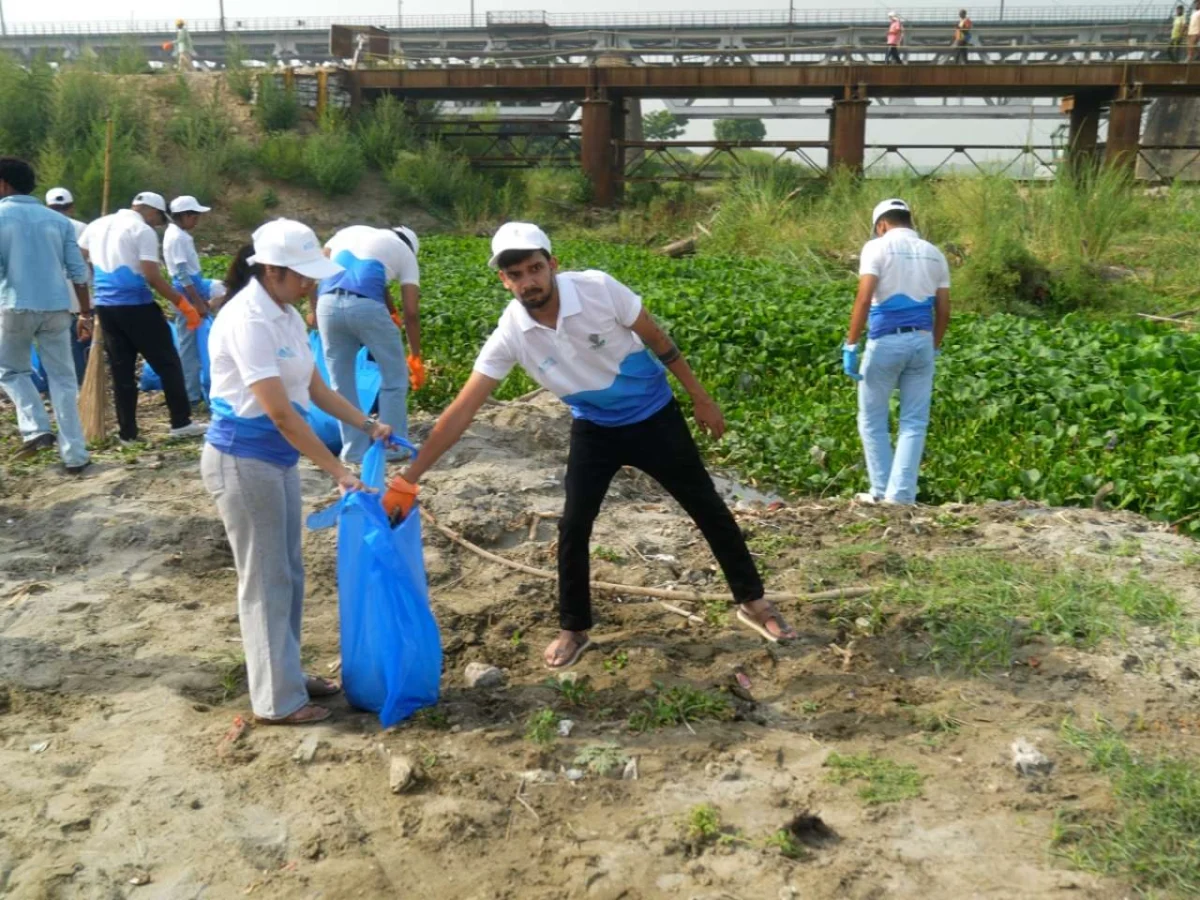
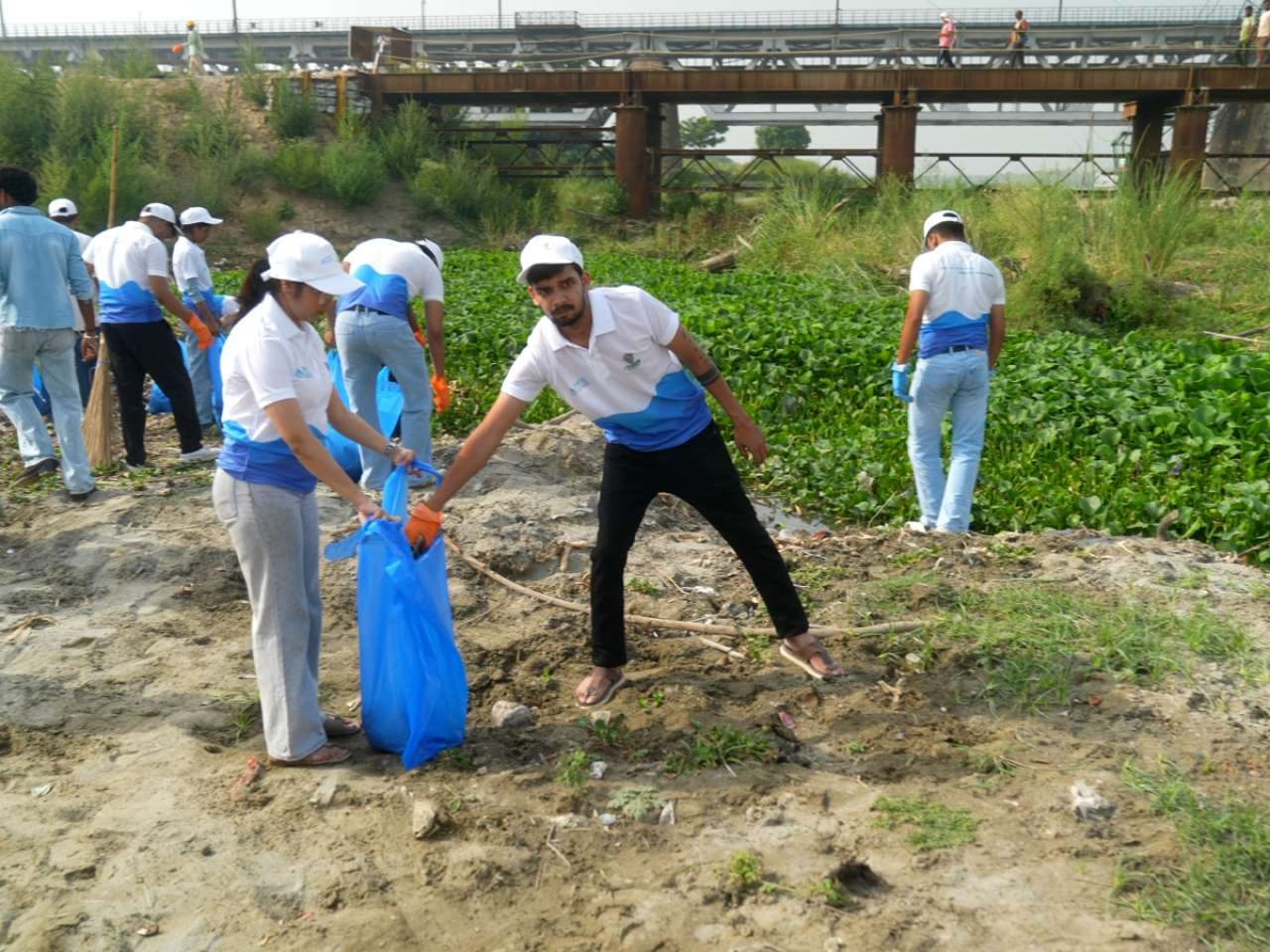
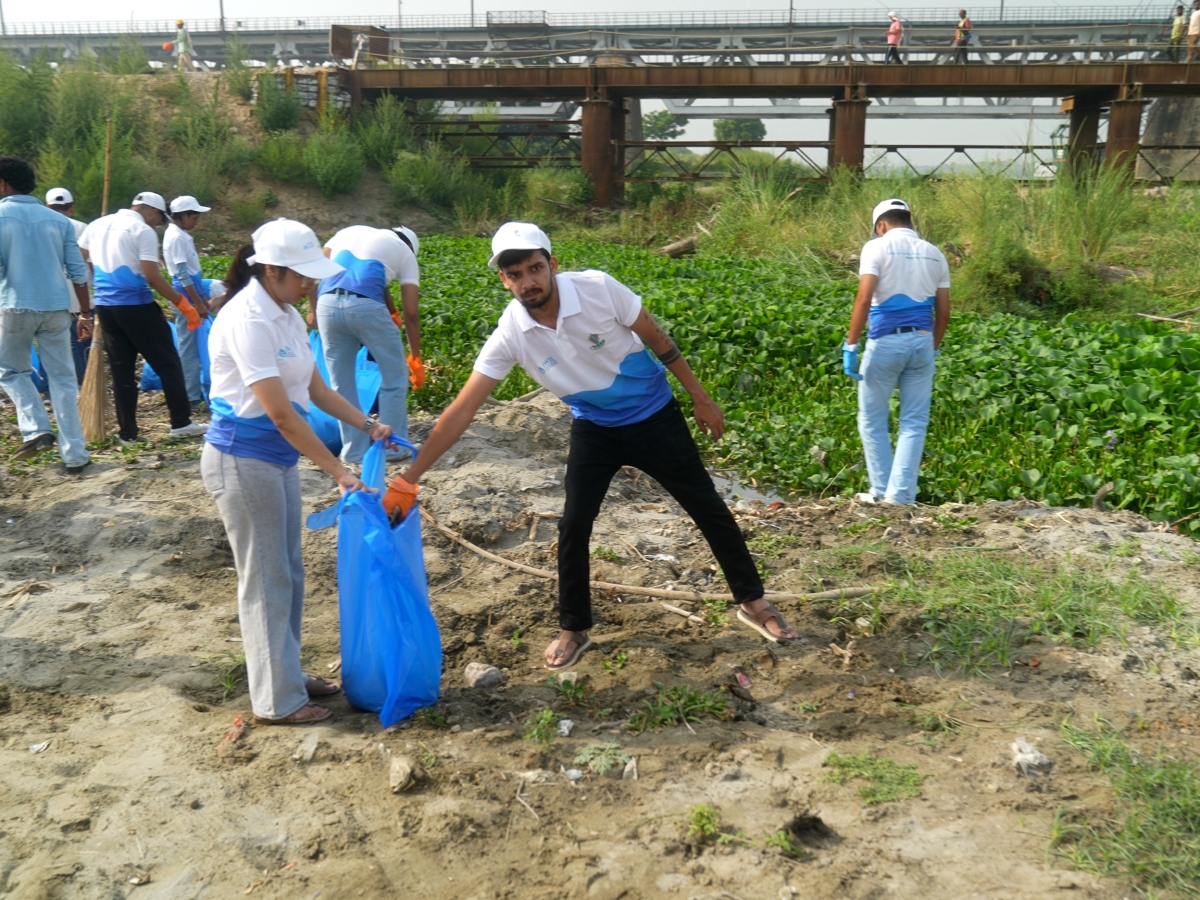
Extensive Cleanup Drives: At the heart of the movement are its regular and widespread cleanup drives. These meticulously organized events target public spaces, riverbanks, and other ecologically sensitive areas that have been marred by waste accumulation. Volunteers, fueled by a shared sense of purpose, work tirelessly to remove vast quantities of garbage, restoring the natural beauty and health of these locations. The sheer volume of waste collected during these drives underscores the pervasive nature of the problem and the critical need for such interventions.
-
Waste Management Innovations: Beyond mere removal, "My Earth, My Duty" actively promotes sustainable waste management practices. This includes a strong emphasis on recycling, encouraging citizens to segregate their waste effectively, and advocating for responsible disposal methods. The initiative recognizes that long-term environmental sustainability hinges on efficient and conscious waste management, moving beyond the traditional "out of sight, out of mind" approach.
)
-
Addressing Specific Waste Streams: The movement has also demonstrated a keen understanding of specific waste challenges. It actively works to promote the sustainable disposal of plastic waste, a persistent environmental pollutant, and religious waste, which often poses unique management and environmental risks. By developing and advocating for practical solutions, Satyam Dixit and his team are addressing critical and often overlooked environmental concerns.
-
Public Awareness and Behavioral Change: Perhaps the most crucial aspect of "My Earth, My Duty" is its unwavering focus on fostering a shift in public consciousness. The initiative understands that lasting environmental change cannot be achieved solely through cleanup operations. It actively engages in awareness campaigns, utilizing various platforms to educate citizens about the importance of environmental stewardship, the consequences of pollution, and the power of individual action. Community participation is actively encouraged, fostering a sense of collective ownership and responsibility for the local environment. This focus on behavioral change is vital for creating a sustainable future.
)
The Power of Collective Action: Inspiring a Nation
The remarkable growth of "My Earth, My Duty" is not just a story of Satyam Dixit’s leadership; it is a powerful narrative of how one individual’s unwavering determination can galvanize collective action. His journey exemplifies the central tenet of the "My Earth, My Duty" campaign: that meaningful and lasting change begins when ordinary individuals choose to embrace their responsibility for the world around them.
The initiative’s success can be attributed to several key factors:
)
-
Relatability and Authenticity: Satyam’s own background, marked by humble beginnings and a life of hard work, makes him a relatable figure for a vast segment of the Indian population. His authentic commitment to environmental causes, stemming from personal experience and a genuine desire to improve his surroundings, resonates deeply with people.
-
Empowerment of Citizens: "My Earth, My Duty" empowers citizens by providing them with a tangible platform to contribute to environmental solutions. It demystifies environmental action, making it accessible and achievable for everyone, regardless of their background or resources.
)
-
Scalability and Adaptability: The movement’s ability to scale from a local initiative to a national force demonstrates its inherent adaptability and the universal appeal of its mission. The strategies employed are practical and can be replicated and tailored to diverse local contexts.
-
Focus on Solutions, Not Just Problems: While acknowledging the severity of environmental issues, the initiative consistently emphasizes proactive solutions and positive action. This constructive approach fosters optimism and encourages sustained engagement.
)
Supporting Data and Impact: Quantifying the Change
While specific, comprehensive data on the total waste collected and the precise number of individuals mobilized across all 200+ cities is still being compiled and regularly updated, the anecdotal evidence and the sheer scale of operations paint a compelling picture of impact.
-
Volume of Waste: Cleanup drives often result in the removal of tons of waste in a single event. For instance, riverbank cleanups have seen volunteers clearing significant amounts of plastic, debris, and other pollutants that would otherwise continue to harm aquatic ecosystems.
)
-
Geographic Reach: The expansion to over 200 cities signifies a widespread adoption of the "My Earth, My Duty" philosophy. This includes major metropolitan areas, smaller towns, and rural communities, demonstrating the initiative’s ability to connect with diverse populations.
-
Volunteer Mobilization: The movement relies on a dedicated cadre of volunteers who consistently participate in cleanup drives and awareness campaigns. While exact numbers fluctuate, the consistent mobilization of hundreds, and often thousands, of individuals across different cities for each event highlights the strong community engagement.
)
-
Behavioral Shifts (Qualitative): Reports from participating communities often highlight observed changes in public behavior. Increased awareness about waste segregation, a more conscientious approach to littering, and a greater sense of community ownership over public spaces are frequently cited as positive outcomes.
-
Partnerships and Collaborations: "My Earth, My Duty" has also fostered collaborations with local authorities, educational institutions, and other non-governmental organizations, further amplifying its reach and impact. These partnerships often provide logistical support, access to resources, and a broader platform for advocacy.
)
Implications for Environmental Governance and Citizen Engagement
The rise of "My Earth, My Duty" has significant implications for environmental governance and the broader concept of citizen engagement in India.
-
Augmenting Government Efforts: The initiative serves as a powerful supplement to the efforts of government bodies responsible for environmental protection and waste management. By mobilizing citizens and addressing localized issues, it alleviates pressure on official resources and brings about visible improvements on the ground.
)
-
Democratizing Environmental Action: Satyam Dixit’s journey underscores the potential for individuals, even those from non-traditional backgrounds, to become powerful agents of change. It demonstrates that environmental action is not solely the purview of policymakers or large organizations, but a responsibility that can be embraced by every citizen.
-
Fostering a Culture of Ownership: The emphasis on "My Duty" in the campaign’s name is critical. It shifts the narrative from passive complaint to active participation, encouraging individuals to take ownership of their surroundings and their role in preserving the environment. This fosters a more proactive and engaged citizenry.
)
-
Inspiration for Future Leaders: Satyam’s story serves as an inspiring example for young people across India, encouraging them to identify environmental challenges in their communities and to take initiative in addressing them. It provides a roadmap for turning personal convictions into impactful collective action.
-
Highlighting the Interconnectedness of Social and Environmental Issues: The initiative implicitly highlights how environmental degradation disproportionately affects marginalized communities. Satyam’s own background, coupled with the focus on community-level interventions, brings this crucial intersection to the fore, advocating for a more inclusive and equitable approach to environmentalism.
)
Looking Ahead: Sustaining the Momentum
The journey of Satyam Dixit and "My Earth, My Duty" is far from over. The movement’s continued success will depend on its ability to sustain the momentum, adapt to evolving challenges, and deepen its impact. Key areas for future focus may include:
- Policy Advocacy: Translating grassroots success into tangible policy changes at local and national levels.
- Technological Integration: Leveraging technology for better waste tracking, data analysis, and broader awareness campaigns.
- Sustainable Funding Models: Developing robust funding mechanisms to ensure the long-term viability of the initiative’s operations.
- Capacity Building: Training and empowering local leaders within the movement to ensure its continued growth and resilience.
In conclusion, Satyam Dixit’s "My Earth, My Duty" is more than just an environmental initiative; it is a powerful testament to the indomitable spirit of humanity and the transformative power of collective action. From his humble beginnings to leading a nationwide movement, Satyam has proven that dedication, empathy, and a commitment to our planet can indeed ignite a green revolution, one responsible citizen at a time. His story is a vital reminder that the Earth is our shared home, and its well-being is indeed, our collective duty.
