

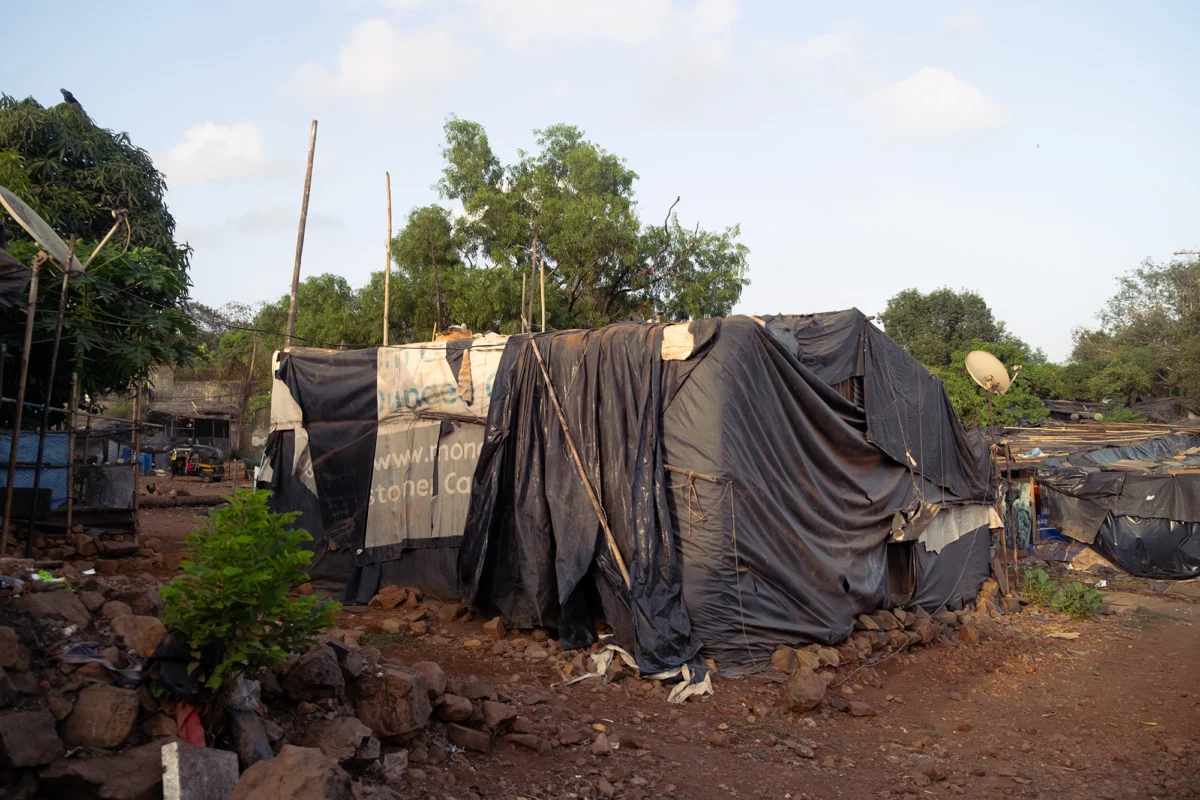
In the shadows of Mumbai’s glitzy skyscrapers and burgeoning infrastructure projects, a silent climate emergency is unfolding. For the millions of residents inhabiting the city’s informal settlements, the struggle for survival is no longer just about food and shelter; it is about the right to breathe in a rapidly warming world. At the heart of this crisis lies a complex web of official negligence, legal loopholes, and the predatory "light mafias" that exploit the city’s most vulnerable.
Main Facts: The High Cost of "Stolen" Light
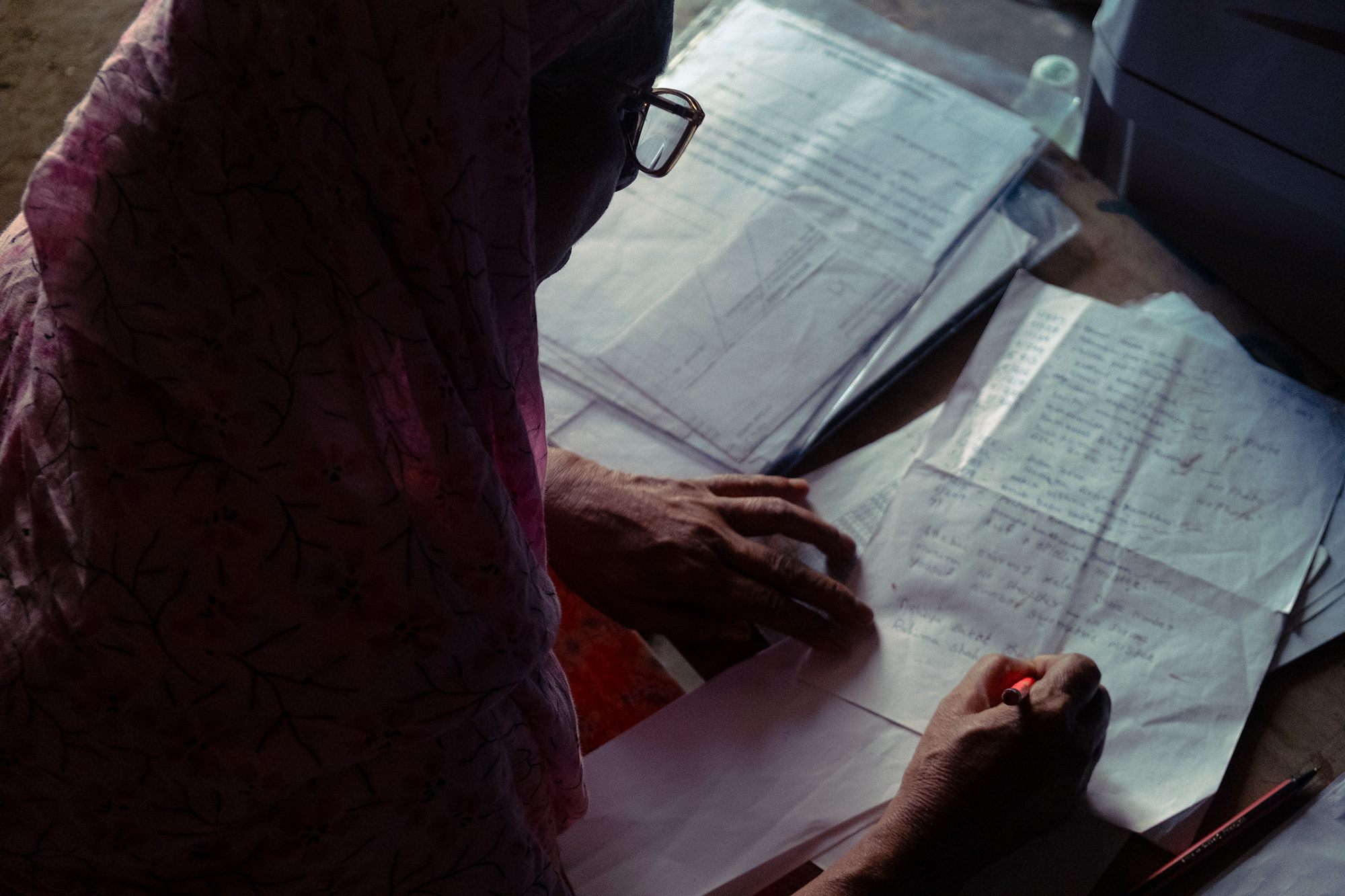
In the suburb of Mankhurd, 63-year-old social worker Ajuma Sheikh lives in Patra Chawl, a settlement built on land contested by the Indian Railways and the state government. For 25 years, Sheikh has been a witness to the evolving power dynamics of Mumbai’s electricity sector. Today, she and her neighbors are caught in a pincer movement between the government’s refusal to recognize their residency and the local "electricity mafias" that provide a flickering, dangerous alternative.
"We pay ₹600 every month whether we get electricity or not," Sheikh explains. "We used to pay more, but there are now two electricity mafias competing in this area."

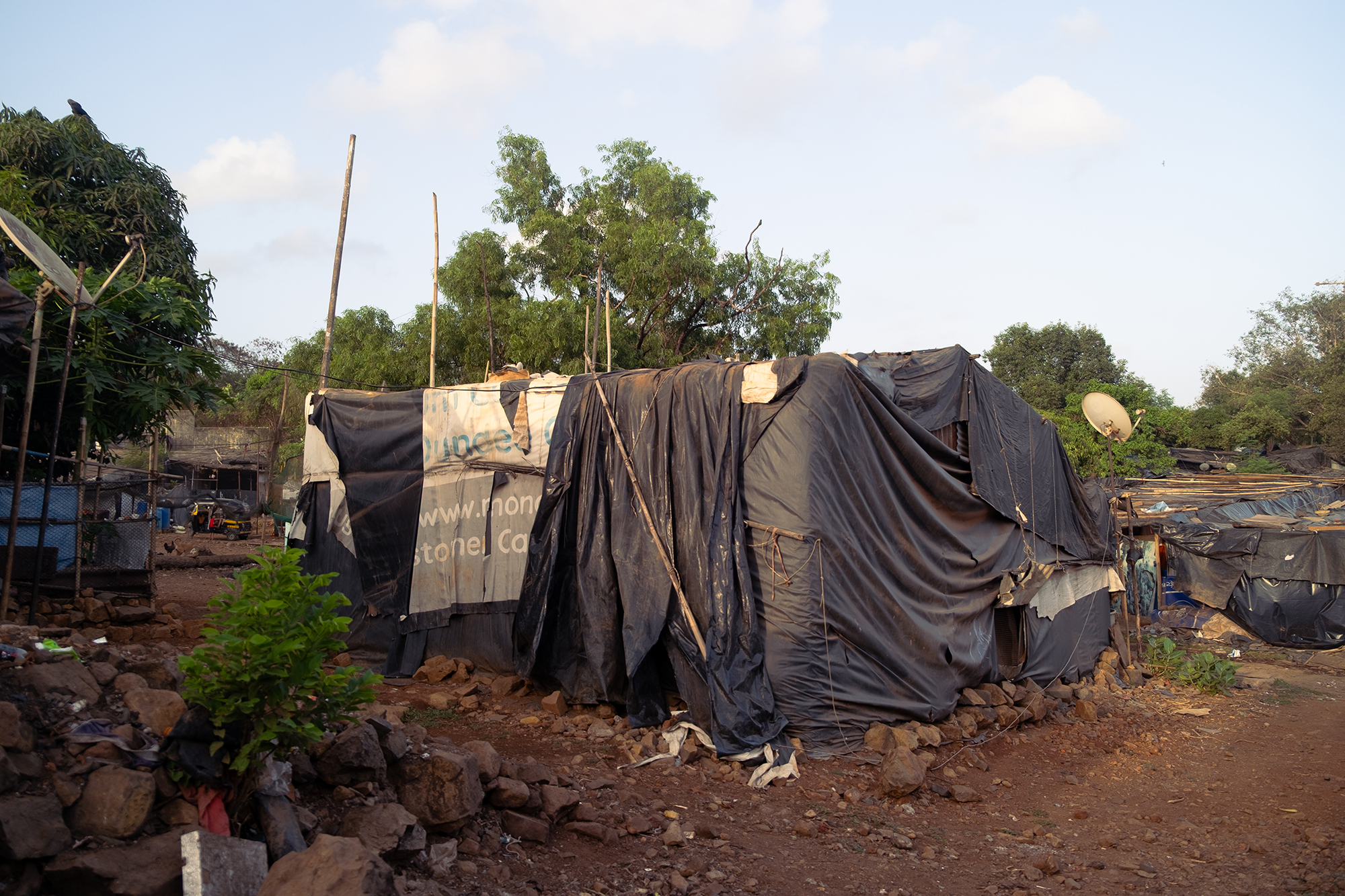
The reality of life in Patra Chawl—and dozens of similar settlements like Ambedkar Nagar in Malad—is defined by "heat-induced poverty." These homes are primarily constructed from tin sheets and plastic tarpaulins. While these materials are cheap and easy to assemble, they act as thermal traps. During Mumbai’s increasingly frequent heatwaves, indoor temperatures in these dwellings often exceed 40°C (104°F), frequently surpassing the temperatures recorded outdoors.
Without reliable electricity, residents cannot operate fans, let alone air coolers. The result is a public health crisis that remains largely unrecorded in official statistics. Residents report a litany of heat-related ailments: dehydration, chronic skin rashes, fainting spells, low blood pressure, and asthma. For Ajuma Sheikh, the cost is personal. Her 64-year-old husband was recently hospitalized with heat stroke and heart palpitations. Between doctor’s fees, medication, and diagnostic tests, the couple spends approximately ₹3,000 a month on heat-related medical expenses—one-third of her husband’s monthly income of ₹9,000.
Chronology: A Decades-Long Struggle for Recognition
The crisis of electricity access in Mumbai’s informal settlements is not a new phenomenon, but a structural failure that has intensified over forty years.

The 1980s: The Birth of Settlements
Settlements like Ambedkar Nagar were established on protected forest lands or buffer zones near railway tracks. As the city’s population boomed, the labor force required to build and maintain the financial capital found no affordable housing, leading to the expansion of these "non-notified" slums.
2007: The Great Disconnection
For years, residents survived by "tapping" into the legal electricity lines of adjacent, authorized settlements. However, in 2007, distribution companies launched a massive crackdown, cutting these unauthorized wires. This created a vacuum that was quickly filled by local strongmen—the "light mafia."
The Mafia Era (2007–Present)
In Ambedkar Nagar, a precarious truce was reached. Neighbors in regularized settlements upgraded their residential connections to commercial ones. The mafia then brokered tapped connections from these commercial lines to the informal shacks. While this pacified distribution companies (who were now being paid at higher commercial rates), it left the slum dwellers paying exorbitant prices—between ₹14 and ₹18 per unit, nearly double the maximum legal rate of ₹8.55 charged by Adani Electricity.

2022: The Eviction Crisis
The Indian Railways issued mass eviction notices to thousands of residents in informal settlements on land earmarked for railway expansion, including Patra Chawl. This move stripped residents of their precarious sense of security and further complicated their attempts to get legal utility connections.
2024–2026: The New Climate Reality
As global temperatures surged, the 2026 heatwave saw Indian cities touching 50°C. Electricity transitioned from a luxury of the middle class to a biological necessity for the poor. In response, organizations like the Jan Haq Sangharsh Samiti (JHSS) began mobilizing thousands of households to demand electricity as a fundamental right.
Supporting Data: The Thermal and Economic Burden
The disparity between the "two Mumbais" is most visible through the lens of data. A survey across several South Asian cities, including those in Maharashtra, confirmed that tin-roofed homes are significantly more dangerous during heatwaves than concrete structures.
The Temperature Gap
In settlements like Patra Chawl, the lack of ventilation means that heat absorbed by tin roofs during the day is radiated back into the living space at night. "We go indoors at 2 a.m. but get bit by mosquitoes all night," Sheikh says. "We can’t put up a net or light a coil because there’s no ventilation. We’ll suffocate." This lack of "nocturnal cooling" prevents the human body from recovering from daytime heat stress, leading to cumulative health failures.
The Economic Drain
The "light mafia" operates with high-profit margins and zero accountability.
- Legal Rate (Adani Electricity): Max ₹8.55 per unit.
- Mafia Rate: ₹14.00 – ₹18.00 per unit.
- Reliability: Extremely low. Voltage fluctuations in Ambedkar Nagar are so severe that they frequently destroy motherboards of laptops and internal components of basic appliances.
- Risk: Wires are often poor quality, taped together haphazardly, and run overground, posing massive fire and electrocution risks during Mumbai’s monsoon season.
The Social Impact
The lack of power has a gendered and generational impact. Parents in these settlements are often hesitant to let their daughters study outside near railway stations or under streetlights after dark for safety reasons. Consequently, girls in these communities fall further behind in their education compared to those with domestic electricity.

Official Responses and Legal Hurdles
The primary barrier to legal electricity is not technical, but bureaucratic. Under the Electricity Act of 2003 and the Maharashtra Electricity Regulatory Commission (MERC) Supply Code, distribution companies are technically not required to establish land ownership before providing a connection. The law stipulates that any occupier who submits an application with the necessary documentation is entitled to a supply of electricity.
However, in practice, the reality is different:
- The NOC Barrier: Major distributors like Adani Electricity have consistently insisted on a No Objection Certificate (NOC) from the landowners (such as the Railways, Forest Department, or Port Trust). Since these departments view the residents as "encroachers," they refuse to grant the NOC.
- Land Ownership Disputes: In many cases, like Patra Chawl, there is a dispute between different government departments over who actually owns the land. This "jurisdictional limbo" prevents residents from even identifying who they should petition for an NOC.
- The Regulatory Gap: While the Consumer Grievance Redressal Forum exists, it is often inaccessible to those without legal representation or the ability to navigate complex paperwork.
Currently, the Jan Haq Sangharsh Samiti (JHSS), supported by researchers like Sanjana Krishnan, is challenging these barriers. They have taken the case of Patra Chawl to the Consumer Grievance Redressal Forum, arguing that the right to electricity is an extension of the right to life under the Indian Constitution.

Implications: Electricity as Climate Adaptation
The situation in Mumbai’s chawls highlights a critical shift in the discourse on climate change: electricity is no longer just about development; it is the primary tool for climate adaptation.
1. Public Health Emergency
As heatwaves become the "new normal," the lack of cooling in informal settlements will lead to a spike in mortality and morbidity. The current medical expenses of families like the Sheikhs represent a massive "hidden tax" on the poor, preventing upward social mobility.
2. The Rise of Shadow Economies
The persistence of "light mafias" demonstrates how state absence creates room for criminal exploitation. By refusing to regularize electricity connections, the state effectively subsidizes these mafias, who extract millions of rupees from the city’s poorest residents—money that could otherwise be entering the formal economy through legal utility payments.
3. Urban Resilience
For Mumbai to remain a functional financial capital, its "backbone"—the drivers, domestic workers, and street vendors—must be able to survive the climate. If the working class is incapacitated by heat-induced illnesses, the city’s economy will face significant disruptions.
4. A New Legal Precedent
The ongoing legal battle led by JHSS could set a precedent for millions of "non-notified" slum dwellers across India. If the courts rule that electricity must be provided regardless of land-title status, it would represent one of the most significant victories for urban housing rights in decades.
As Ajuma Sheikh prepares for her next meeting at the Bandra District Collector’s Office, she remains focused on the immediate goal. "We are not asking for the land for free," she says. "We are asking for the right to live without suffocating." In the sweltering heat of Mumbai, that right now depends on a single wire of legal electricity.
