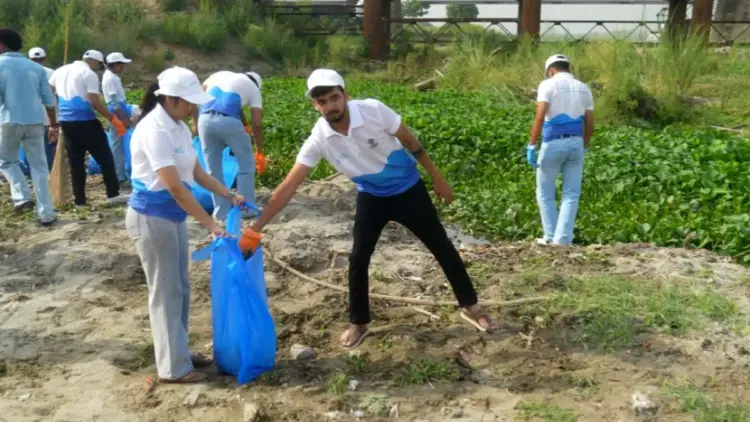
New Delhi, India – In a world increasingly grappling with the escalating environmental crisis, the story of Satyam Dixit stands as a beacon of hope and a testament to the power of individual initiative. What began as a personal response to the disruptions of the COVID-19 pandemic has blossomed into a sprawling, citizen-led environmental movement, igniting a passion for cleanliness, responsible waste management, and widespread public awareness across India. Featured as the inaugural narrative in Zee Media’s impactful "My Earth, My Duty" campaign, Dixit’s journey, celebrated on World Nature Conservation Day, underscores the profound truth that meaningful change often emerges from the most unexpected quarters and is driven by individuals who dare to embrace responsibility.
The Genesis of a Changemaker: Humble Roots and Early Responsibilities
Satyam Dixit’s formative years were shaped by a background of profound modesty. Raised in a modest household, he is the son of a father who began his working life as a pedal rickshaw puller and later transitioned to a role as a watchman. Their existence was one of constant striving, living in rented accommodation, a reality that deeply ingrained in young Satyam a keen understanding of financial precarity and the importance of contributing from an early age.
Even while still in school, the nascent entrepreneurial spirit within Satyam was evident. He began supplementing the family income by selling momos, a popular street food, demonstrating an early aptitude for resourcefulness and a willingness to take initiative. This commitment to familial support continued into his college years, where he juggled his academic pursuits with the demanding role of a delivery executive. These early experiences, far from being mere economic necessities, served as invaluable life lessons, fostering a deep-seated sense of responsibility, a profound empathy for those in similar circumstances, and a powerful inclination towards service. These were the foundational pillars upon which his later environmental advocacy would be built, providing him with an intrinsic understanding of community needs and the challenges faced by ordinary citizens.
The COVID-19 Catalyst: A Pivot Towards Environmental Stewardship
The advent of the COVID-19 pandemic in early 2020 marked a profound turning point in Satyam Dixit’s life, a period of global upheaval that irrevocably altered his personal trajectory. Like many aspiring young individuals in India, Satyam had harbored ambitions of preparing for the highly competitive Union Public Service Commission (UPSC) examination, a path often associated with securing a career in public service and contributing to national development through established governmental channels. However, the unprecedented circumstances of the lockdown, the widespread disruption to daily life, and the stark visibility of community vulnerabilities compelled him to re-evaluate his priorities.

Instead of immersing himself in academic preparation, Satyam found himself drawn to the immediate needs of his community. He began dedicating his time and energy to assisting those most affected by the pandemic, offering support and contributing to relief efforts in whatever capacity he could. This period of intense community engagement proved to be a powerful catalyst, awakening a deeper calling within him. It was during this time, witnessing firsthand the impact of neglect and the challenges faced by local environments, that the seed of his environmental initiative was sown. He recognized that while immediate crises demanded attention, the underlying systemic issues, particularly those related to environmental degradation, also required urgent and dedicated action. This realization, born out of personal experience and a heightened sense of social responsibility, led him to pivot from his initial academic plans and channel his energies into building a citizen-led environmental movement. The pandemic, in essence, served as an unexpected but ultimately transformative catalyst, redirecting his focus from individual ambition to collective well-being and environmental stewardship.
The Birth of a Movement: From Local Action to National Impact
What began as a nascent idea, born from the urgent needs observed during the pandemic, quickly gained momentum and evolved into a significant environmental undertaking. Satyam Dixit’s initiative, initially a small-scale endeavor driven by a handful of like-minded volunteers, has since burgeoned into a comprehensive movement that now spans over 200 cities across India. This remarkable expansion is a testament to the resonant appeal of its core message and the tangible impact of its on-ground activities.

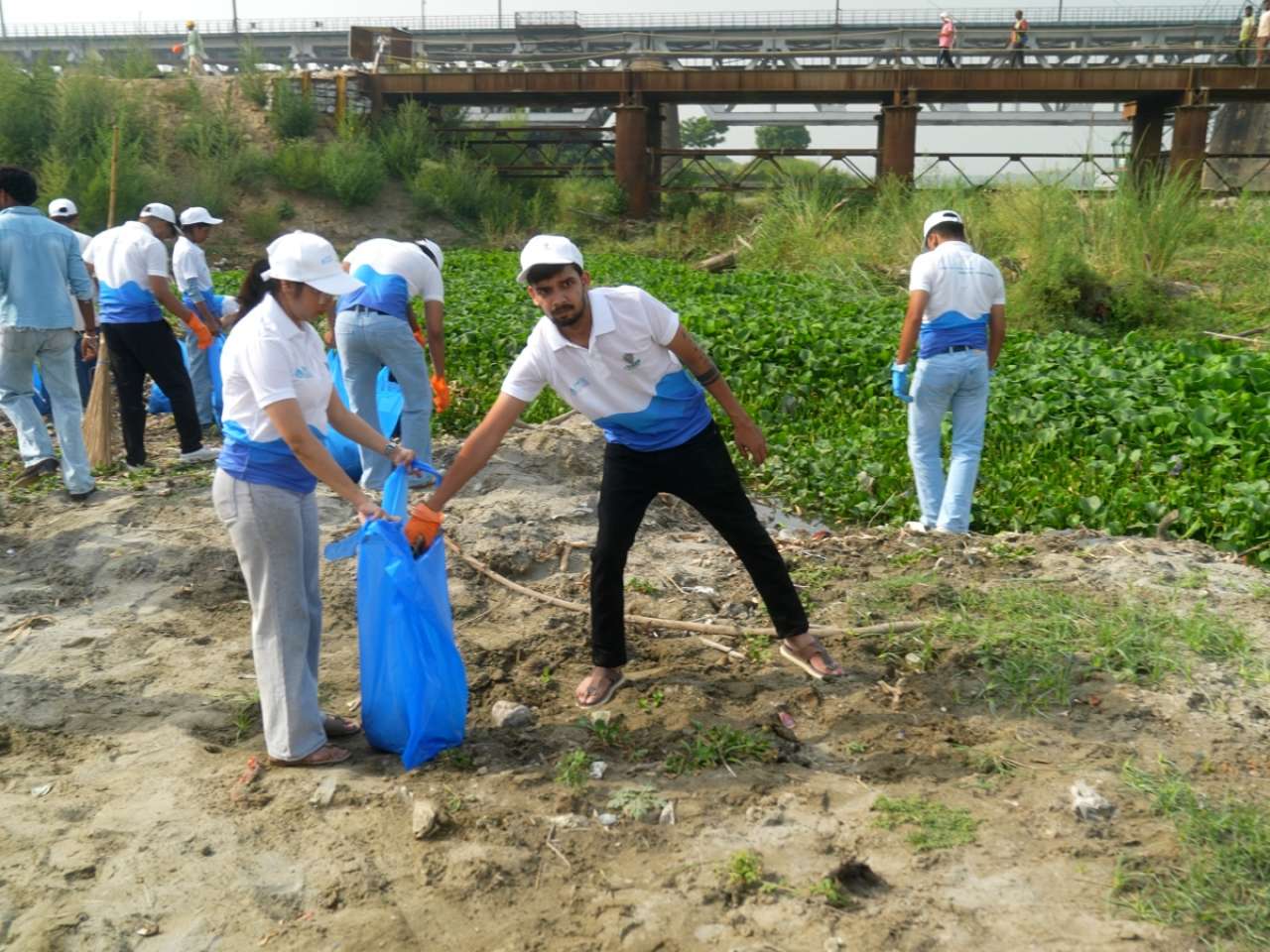
The cornerstone of the movement’s work lies in its consistent and impactful cleanup drives. These initiatives are meticulously organized and executed in public spaces, with a particular focus on riverbanks, parks, and other areas that bear the brunt of environmental neglect. Through these regular drives, the volunteers, under Dixit’s leadership, have collectively removed substantial quantities of waste, tackling everything from everyday litter to more hazardous accumulations.
Beyond mere cleanup, the movement is deeply committed to fostering sustainable practices. A significant aspect of their work involves promoting recycling and advocating for the responsible disposal of various forms of waste, including plastics and religious offerings, which often pose unique environmental challenges. They champion innovative and eco-friendly methods to manage these materials, aiming to reduce their ecological footprint.

However, the ambition of Satyam Dixit’s initiative extends far beyond the physical act of cleaning. A crucial and equally vital component of their strategy is the focus on behavioral change and public awareness. Recognizing that lasting environmental improvement necessitates a shift in societal attitudes, the movement actively engages with communities to cultivate a sense of ownership over their surroundings. Through a variety of awareness campaigns, workshops, and community participation programs, they strive to educate citizens about the importance of environmental conservation, the consequences of pollution, and the simple yet profound actions individuals can take to make a difference. This holistic approach, combining direct action with long-term educational outreach, is what distinguishes this initiative and positions it as a potent force for environmental transformation.
"My Earth, My Duty": A Philosophy of Collective Responsibility
The "My Earth, My Duty" campaign, of which Satyam Dixit’s story is the inaugural highlight, encapsulates a powerful and resonant philosophy that lies at the heart of his environmental advocacy. The campaign’s central message is that meaningful and sustainable change in the world begins not with grand pronouncements or top-down directives, but with the conscious and collective decision of ordinary individuals to take personal responsibility for the environment that sustains them.

This philosophy is deeply intertwined with Satyam’s own journey. Having experienced firsthand the struggles of a modest upbringing and the importance of contributing to the community, he understands that environmental stewardship is not an abstract ideal but a practical necessity that affects everyone, particularly those most vulnerable to its degradation. His initiative is built on the premise that every citizen, regardless of their socio-economic background, has a role to play and a duty to fulfill in protecting the planet.
The "My Earth, My Duty" campaign seeks to inspire this sense of ownership by showcasing the transformative power of individual action amplified by collective effort. It aims to demystify environmentalism, making it accessible and actionable for all. By highlighting the successes of individuals like Satyam, who have leveraged their passion and dedication to create tangible change, the campaign encourages others to step forward and embrace their own environmental responsibilities. It is a call to action, urging people to see the environment not as an external entity to be managed, but as an intrinsic part of their lives, deserving of care, respect, and active protection. The campaign, through such inspiring narratives, aims to foster a nationwide culture where environmental consciousness is not an obligation, but a deeply ingrained sense of personal duty.

Supporting Data and Impact Assessment
While specific quantitative data on the scale of waste removed and the precise number of participants in each city is still being meticulously compiled and aggregated, the anecdotal evidence and the visible impact of Satyam Dixit’s initiative speak volumes. The movement’s expansion to over 200 cities is a significant indicator of its reach and growing influence.
Key areas of impact and observable outcomes include:

- Visible Improvement in Public Spaces: Numerous reports and visual evidence from participating cities highlight cleaner parks, more pristine riverbanks, and generally tidier public areas as a direct result of the consistent cleanup drives.
- Increased Community Engagement: The initiative has demonstrably fostered a sense of community involvement. In many locations, local residents, schools, and community groups have actively joined the cleanup efforts, demonstrating a growing awareness and willingness to participate.
- Promotion of Sustainable Practices: The focus on recycling and responsible waste disposal has led to increased adoption of these practices in participating localities. Awareness campaigns have educated citizens on segregation of waste and the importance of reducing single-use plastics.
- Behavioral Shift: While difficult to quantify precisely, the ongoing awareness campaigns are designed to foster a long-term shift in public behavior. The emphasis on "My Earth, My Duty" encourages a sense of personal accountability, moving away from a passive attitude towards environmental issues.
- Inspiration for Further Action: The success of Satyam Dixit’s initiative serves as a powerful inspiration for other individuals and groups to initiate similar environmental projects in their own communities, creating a ripple effect of positive change.
The movement’s leadership is committed to developing more robust data collection mechanisms to track the volume of waste collected, the number of trees planted (where applicable), and the reach of awareness programs in the future. This will provide a more concrete measure of the environmental benefits being generated and help in strategizing for even greater impact.
Official Responses and Recognition
The growing influence and demonstrable impact of Satyam Dixit’s environmental initiative have not gone unnoticed. While formal government endorsements and large-scale policy integrations are still evolving, there has been a growing appreciation and recognition from various stakeholders.

- Media Recognition: The featured story by Zee Media’s "My Earth, My Duty" campaign is a significant recognition, bringing national attention to Satyam’s work and the broader environmental cause. This media spotlight is crucial for amplifying the message and inspiring wider participation.
- Local Authority Support: In many of the cities where the movement operates, local municipal bodies and district administrations have begun to acknowledge and, in some cases, provide logistical support for the cleanup drives. This can include assistance with waste disposal, access to public spaces, and promotion of the initiative within local communities.
- Environmental Organizations: Various non-governmental organizations (NGOs) and environmental advocacy groups have expressed their admiration for Satyam’s grassroots approach and have sought collaborations or offered guidance. These partnerships can be instrumental in scaling the initiative and accessing resources.
- Public Acclaim: The most significant form of recognition comes from the public itself. The enthusiastic participation in cleanup drives and the positive feedback received from communities highlight the resonance of the movement’s efforts and the public’s appreciation for individuals taking proactive steps towards environmental betterment.
The "My Earth, My Duty" campaign itself, by dedicating its platform to such inspiring stories, signifies a broader acknowledgment from media houses of the importance of grassroots environmental action. As the movement continues to grow and its impact becomes more deeply embedded, it is anticipated that official responses will evolve to include more substantial support, policy integration, and recognition at higher governmental levels.
Implications and Future Outlook
Satyam Dixit’s journey from a young man facing personal uncertainty during a global crisis to the architect of a nationwide environmental movement carries profound implications for India and beyond. His story serves as a powerful microcosm of how individual resolve, coupled with a commitment to community welfare, can catalyze significant social and environmental change.

Key implications include:
- Empowerment of Youth: Dixit’s initiative demonstrates the immense potential of young people to be agents of change. It challenges the notion that leadership and impactful action are solely the domain of experienced professionals or established institutions, inspiring a new generation to take ownership of pressing issues.
- Grassroots Mobilization: The success of the movement underscores the power of grassroots mobilization. By fostering a sense of shared responsibility and providing a platform for collective action, it proves that bottom-up approaches can be incredibly effective in tackling complex environmental challenges.
- Shifting the Narrative on Environmentalism: Satyam’s focus on practical, hands-on action and community engagement makes environmentalism relatable and accessible. It moves the conversation beyond abstract scientific discourse to everyday responsibilities and tangible improvements.
- The "My Earth, My Duty" Paradigm: The campaign’s core message is crucial for fostering a culture of environmental stewardship. By framing environmental protection as a personal duty rather than a distant obligation, it encourages proactive engagement and a deeper connection to the natural world.
- Scalability and Replication: The model of citizen-led cleanup drives, coupled with robust awareness campaigns, is highly scalable and replicable. This offers a blueprint for similar initiatives to emerge in other regions facing environmental challenges.
The future outlook for Satyam Dixit’s environmental movement is exceptionally promising. As the "My Earth, My Duty" campaign continues to highlight his efforts and inspire others, the movement is poised for further expansion and deeper impact. The ongoing focus on both direct action and behavioral change suggests a long-term vision for sustainable environmental improvement. The potential for greater collaboration with governmental agencies, corporations, and other civil society organizations holds the key to unlocking even greater resources and influence. Satyam Dixit’s story is not just a narrative of one individual’s journey; it is a compelling testament to the fact that with courage, conviction, and a collective spirit, even the most daunting environmental challenges can be met, one responsible citizen at a time. His journey exemplifies the profound truth that our planet’s future rests not in the hands of a few, but in the dedicated actions of many.