

The dining table has long been considered the psychological and social anchor of the home. However, the days when a dining set was strictly defined as a standard rectangular wooden block accompanied by six uniform chairs are a relic of the past. As modern architecture pivots toward open-plan living, minimalist aesthetics, and multi-functional spaces, the dining area has emerged as a primary focus for interior designers and homeowners alike.
Today, the market offers an unprecedented variety of designs, materials, and configurations. Choosing the right dining table is no longer merely a functional necessity; it is a statement of lifestyle, a reflection of architectural taste, and a critical decision that influences the flow of daily life. This report explores the current landscape of dining table design, material science, and the practical considerations necessary for selecting the perfect centerpiece.
The Contemporary Shift: Why Dining Design is Changing
The transformation of the dining table is driven by several demographic and architectural shifts. In urban centers, the rise of "micro-apartments" has necessitated space-saving, foldable, and multi-purpose furniture. Conversely, in luxury real estate, the dining table has become a "showpiece" intended to bridge the gap between the kitchen and the living room.
Modern living often blurs the lines between work and leisure. For many, the dining table now doubles as a home office, a crafting station, and a communal gathering spot. Consequently, contemporary designs prioritize a synthesis of durability, ergonomics, and visual appeal.
A Taxonomy of 22 Contemporary Dining Table Designs
To navigate the vast options available, we categorize the leading contemporary designs into four primary pillars: Luxury Classics, Space-Optimizers, Minimalist Moderns, and Avant-Garde Statements.
1. The Luxury Classics
These designs lean into high-quality materials and timeless silhouettes, often serving as the primary investment piece in a home.
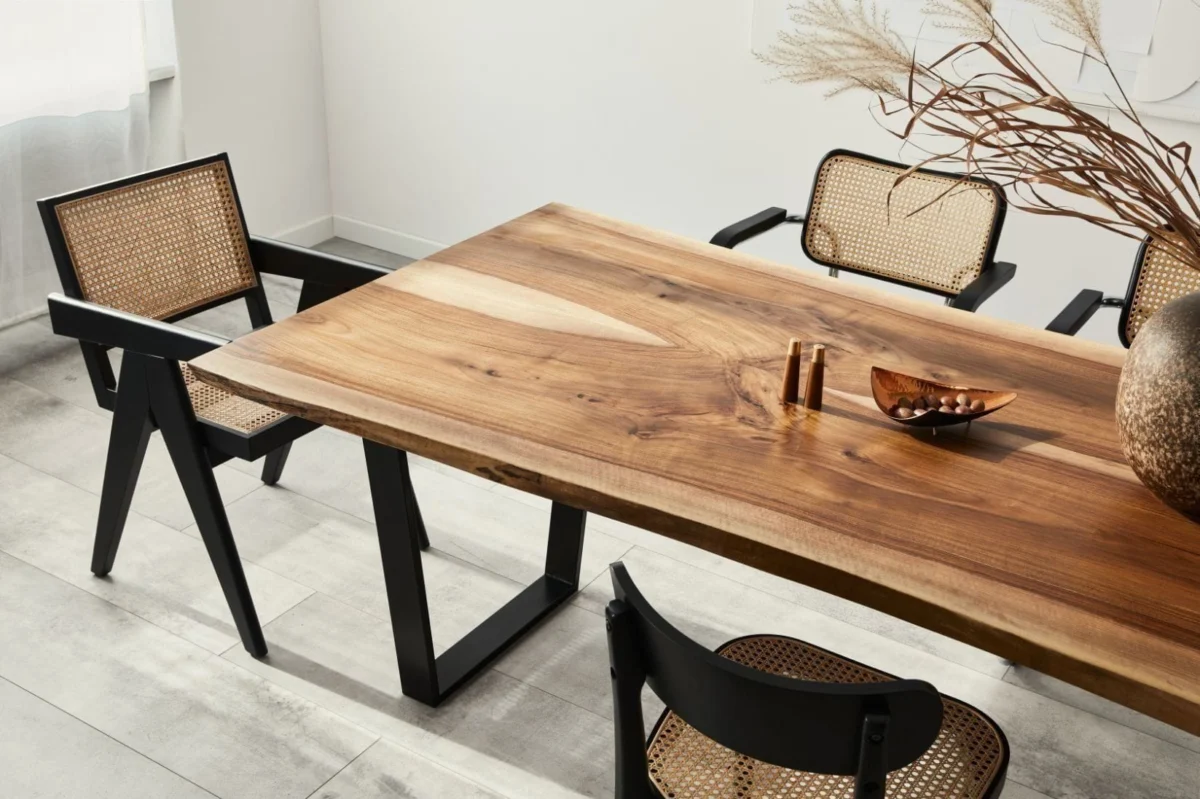
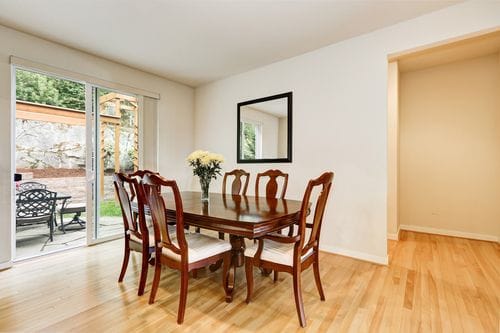
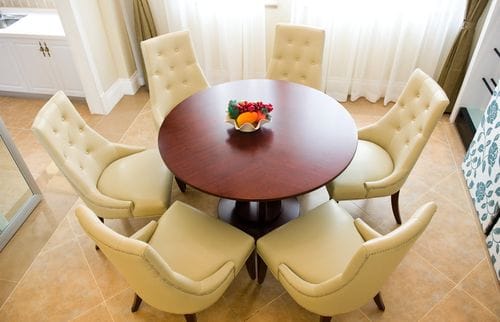
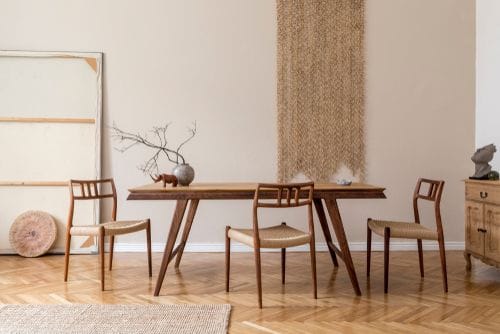
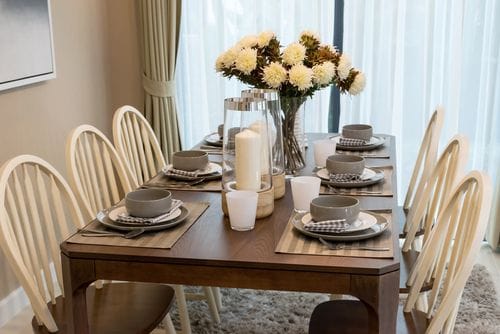
- Premium Crafted Wood: Typically finished in dark chocolate or walnut tones, these tables utilize solid hardwoods to evoke a sense of heritage and permanence. They are particularly effective in vintage or "transitional" decor styles.
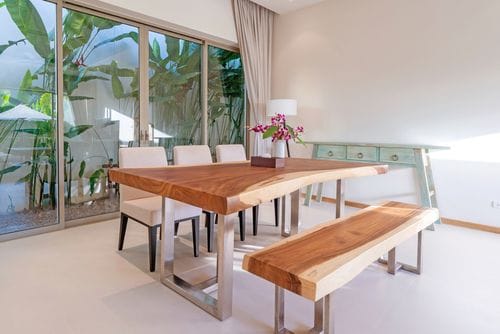
- Solid Wood Masterpieces: Unlike veneers, solid wood tables showcase the inherent grain and "imperfections" of the timber, celebrating the organic beauty of nature.
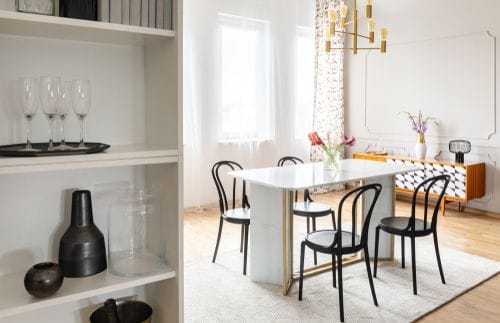
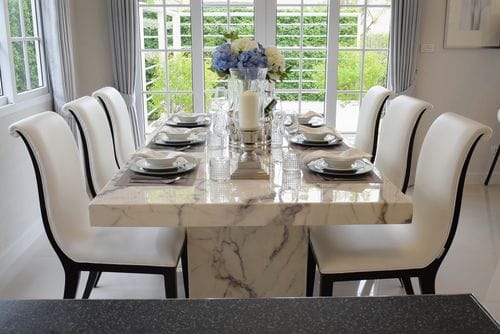
- Marble-Top Elegance: Utilizing a polished marble slab over a wooden or metal frame, these tables offer a cool, sophisticated surface that screams luxury.
- Vintage Style with Modern Polish: These often feature ornate legs or pedestal bases paired with contemporary finishes, bridging the gap between historical grandeur and modern utility.
- Leaf-Shaped Wooden Designs: A recent trend in luxury furniture involves organic, non-geometric shapes. A leaf-shaped table with golden vein inlays provides a unique, biophilic touch that acts as a conversation starter.
2. Space-Optimizers
As urban living spaces shrink, furniture must become more intelligent.
- Slide-In Chair Configurations: These sets are engineered so that the chairs fit perfectly flush under the table when not in use, minimizing the footprint.
- Dining Table with Bench Seating: Replacing chairs on one side with a bench allows for more seating in a tighter area and creates a clean, unobstructed sightline.
- Folding and Extendable Tables: Essential for those who host occasionally, these tables can be tucked away or expanded using "leaves" or hinges.
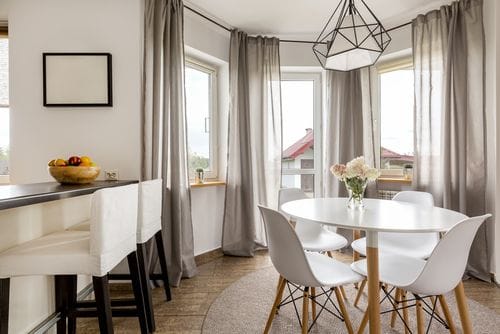
- Round Tables for Nooks: Round designs lack sharp corners, making them easier to navigate in tight spaces while fostering better conversation.
- White Plastic Minimalism: Affordable, lightweight, and surprisingly chic in the right context, high-grade plastic tables are the go-to for temporary housing or student apartments.
3. Minimalist Moderns
These designs focus on "less is more," using color and simple geometry to create impact.
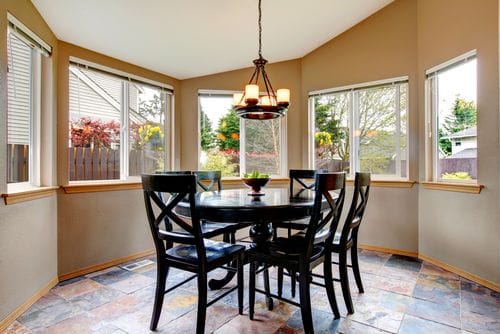
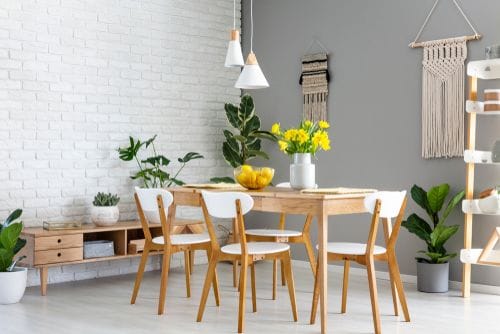
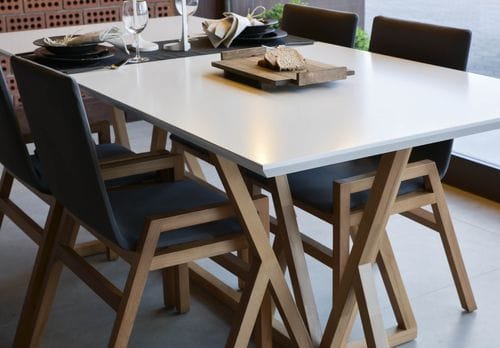
- Black and White Contrast: Pairing a light wood or white table with high-contrast black chairs creates a sharp, monochromatic look that fits well in high-end "industrial-chic" homes.
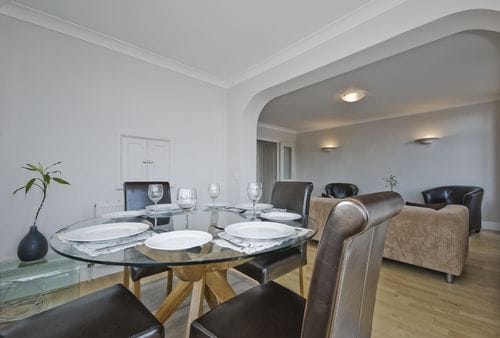
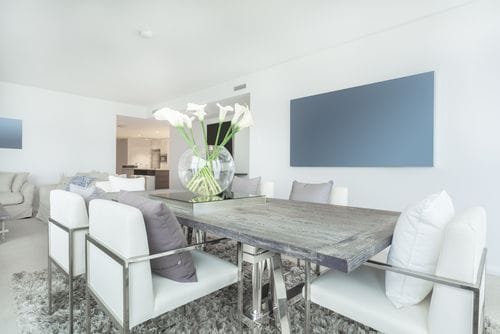
- Glass Top Sophistication: Glass creates the illusion of space. By providing a transparent surface, it allows the rug or the floor’s texture to shine through, preventing the room from feeling "heavy."
- Grey Tonal Designs: Moving away from traditional browns, grey tables offer a neutral, sophisticated palette that complements modern "greige" interior trends.
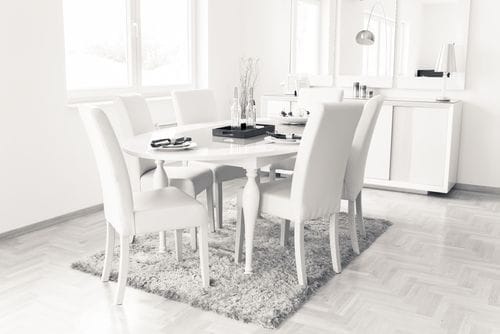
- All-White Granite and Wood: A white granite top paired with a white wooden frame creates a seamless, ethereal look perfect for minimalist enthusiasts.
4. Avant-Garde and Functional Statements
For the homeowner looking to break the mold, these designs offer something unexpected.
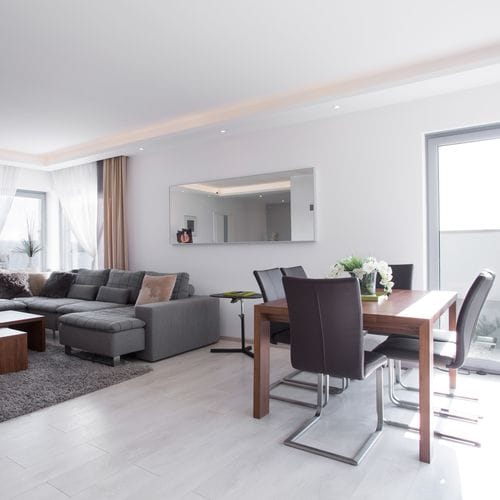
- Low-Rise Dining: Taking inspiration from traditional Japanese dining, low-rise tables create a grounded, intimate atmosphere.
- Square Symmetries: While less common than rectangular tables, square tables are excellent for medium-sized rooms, offering an equal distance between all diners.
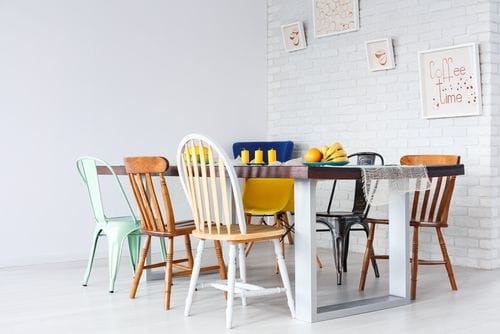
- Multi-Element Fusion: This involves combining different chair styles, colors, and materials (e.g., two metal chairs, two wooden chairs, and a bench) around a single table to create a curated, eclectic vibe.
- Metal-Frame Industrials: Combining wood tops with raw metal legs, these tables are durable and fit the popular "loft" aesthetic.
Material Science: Supporting Data for Durability
The longevity of a dining table is dictated almost entirely by its material composition. Industry data suggests that consumers are increasingly moving toward "honest" materials that age gracefully.
Wood: The Versatile Standard
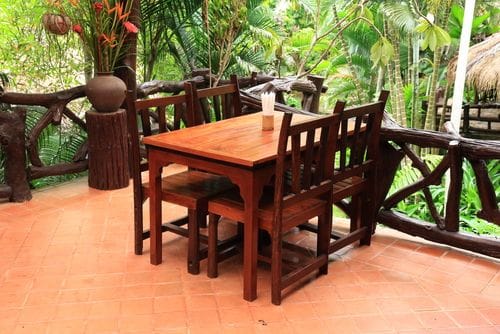
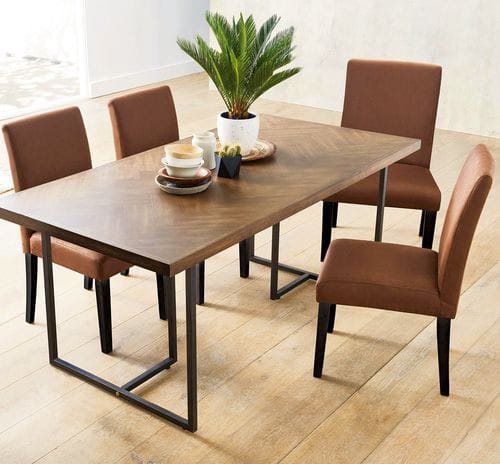
Hardwoods like Sheesham (Indian Rosewood), Teak, and Mango wood are the gold standard. They are resistant to warping and can be refinished multiple times over decades. Composite woods (MDF or Plywood) offer a lower price point but lack the generational lifespan of solid timber.
Stone: Marble vs. Granite
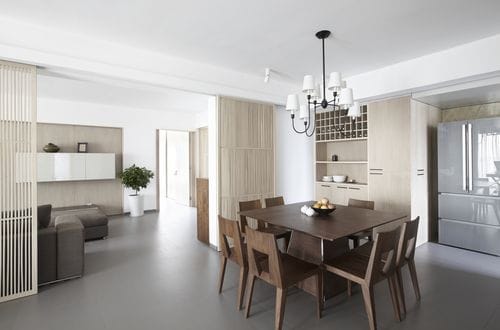
While both are prestigious, they perform differently. Granite is highly resistant to heat, scratches, and stains, making it ideal for high-use family tables. Marble, while stunning, is porous and susceptible to "etching" from acidic liquids like lemon juice or wine.
The Rise of Concrete
Concrete has moved from the sidewalk to the dining room. It is exceptionally heavy and durable, offering a stone-like aesthetic that is heat and scratch-resistant. It is particularly favored in modern-industrial architecture.
Glass and Metal
Tempered glass is the industry standard for safety. While it requires frequent cleaning to remove fingerprints, its ability to "open up" a room is unmatched. Metal tables, often made of stainless steel or powder-coated aluminum, offer an indestructible option for both indoor and outdoor use.
Practical Guidelines: How to Choose the Right Table
Professional interior decorators suggest a "function-first" approach to selection. Before purchasing, one must consider the following technical parameters:
- The Three-Foot Rule: To ensure comfortable movement, there should be at least 36 inches (3 feet) of space between the edge of the table and the walls or other furniture. This allows diners to pull out chairs and walk behind others without obstruction.
- Occupancy vs. Occasion: Buy for your daily reality, not your annual party. A table that is too large for the household’s daily needs can make a room feel cramped and the atmosphere feel cold.
- Shape Synergy:
- Rectangular: Best for long, narrow rooms and larger families.
- Round/Oval: Best for small, square rooms; facilitates better eye contact.
- Square: Best for four people in a square-shaped room.
Vastu Shastra: Harmonizing the Dining Space
In many cultures, the placement and shape of the dining table are believed to influence the health and prosperity of the household. According to Vastu Shastra:
- Shape: Square or rectangular shapes are preferred for stability. Circular tables, while socially conducive, are sometimes avoided in traditional Vastu for formal dining.
- Direction: The dining area should ideally be located in the West, Southeast, or North side of the house.
- Placement: The table should not be directly facing the main entrance or a toilet door, as this is believed to drain the home’s positive energy.
Implications and Trends for the Future
As we look toward the future of home design, several implications emerge for the dining table market:
The Hybridization of Furniture: With the "Work from Home" (WFH) era becoming a permanent fixture for many, we expect to see more dining tables with integrated cable management, hidden power outlets, and heights adjustable for ergonomic sitting or standing.
Sustainability as a Priority: There is a growing demand for reclaimed wood and "cradle-to-cradle" manufacturing. Consumers are willing to pay a premium for furniture that does not contribute to deforestation and uses non-toxic, water-based finishes.
The Death of the "Matching Set": The trend toward "Multi-Element" design suggests that the traditional matching set is losing favor. Consumers are becoming more confident in mixing and matching chairs and tables, leading to a more personalized and less "showroom-like" home environment.
Conclusion
The dining table remains the ultimate centerpiece of domestic life. Whether it is a space-saving folding table in a city studio or a grand marble slab in a suburban estate, the choice of design reflects a deeper understanding of how we live, eat, and connect. By balancing material durability with architectural form and following practical spatial guidelines, homeowners can ensure that their dining area remains a functional and beautiful hub for years to come. In the contemporary era, the "right" table is the one that fits your space, your style, and your soul.
