

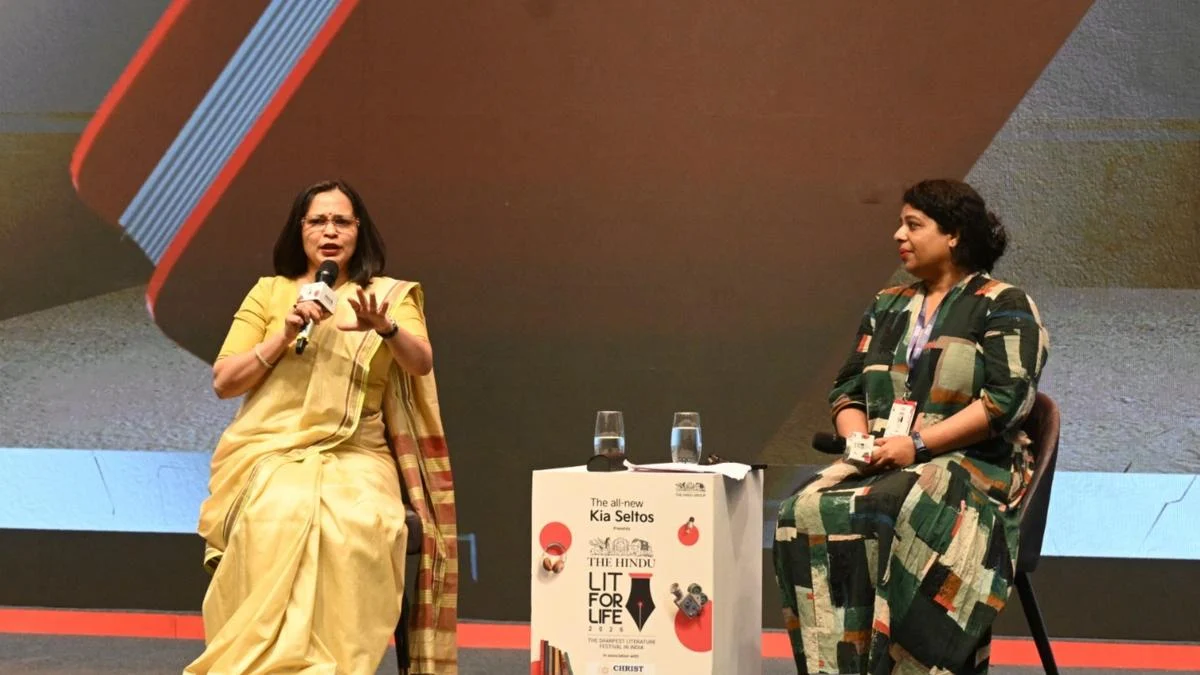
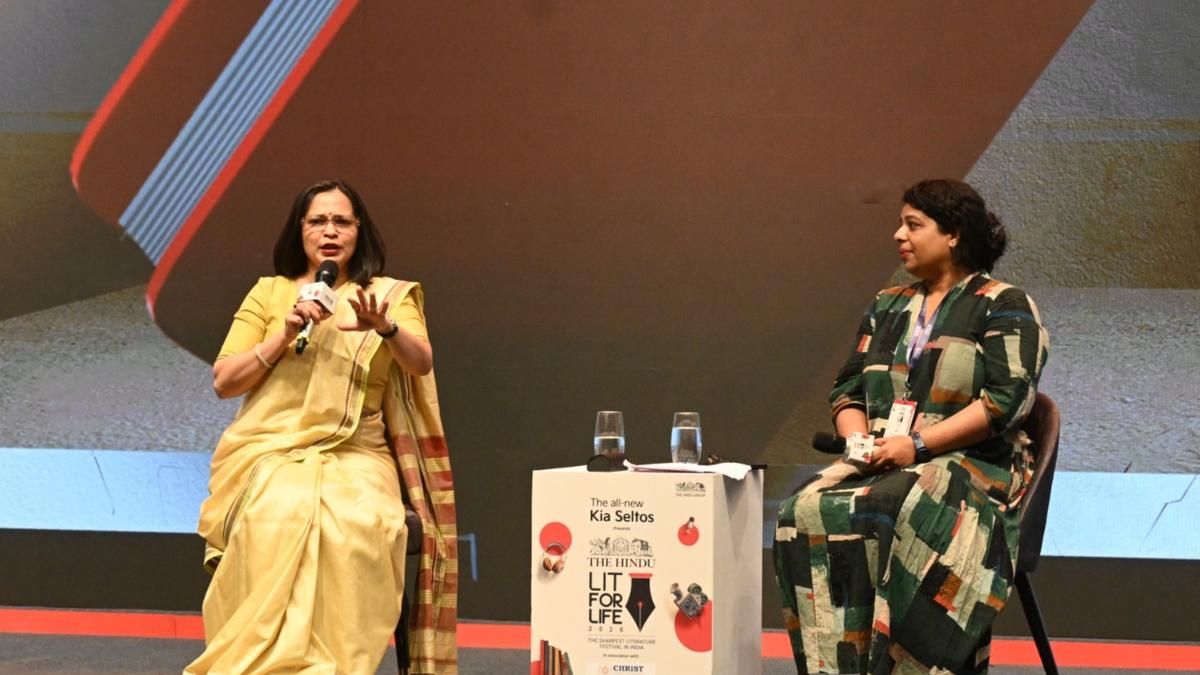
Chennai, January 19, 2026 – In a powerful address at The Hindu Lit for Life Festival 2026, celebrity nutritionist and acclaimed author Rujuta Diwekar delivered a resonant message, challenging the ever-shifting landscape of modern health trends and firmly advocating for a return to foundational principles of well-being. Speaking with Shonali Muthalaly, Editor of The Hindu MetroPlus, The Hindu Weekend, and The Hindu Cinema, Diwekar articulated her enduring philosophy: embrace local, traditional, whole foods, prioritize regular physical activity, and ensure adequate rest. Her core argument, encapsulated in the session titled "Why Dieting Made Us Fat: On Weight Loss, Metabolism and Why Food is Not the Enemy," is that the relentless pursuit of fleeting health fads has not only failed to deliver lasting results but has actively contributed to a decline in overall health.
The Erosion of Trust: A Deluge of Conflicting Health Narratives
Diwekar’s enduring message, which has remained consistent for over fifteen years since the publication of her seminal work, was a point of admiration for Muthalaly. “We have known each other for 15 years since your first book. And I admire the fact that your messaging hasn’t changed at all,” Muthalaly remarked, setting the stage for Diwekar’s critique of contemporary health culture.
In response, Diwekar underscored the critical importance of promoting "local, seasonal, traditional" food practices. She observed a concerning trend where the messaging from the weight loss, food, pharmaceutical, and beauty industries constantly fluctuates, imposing a new set of arbitrary standards on individuals almost daily. This constant flux, she argued, has left the public more confused and, consequently, less healthy than ever before.
A significant culprit identified by Diwekar is the pervasive influence of social media. She lamented the proliferation of health advice offered by Instagram influencers who, in her estimation, possess "no clue" about genuine well-being. This, she warned, fosters a dangerous herd mentality, where individuals blindly follow one trend after another, ironically leading to the very outcome the session title suggested: "getting fatter."
Beyond the Scale: A Holistic Approach to Well-being
The conversation extended beyond the singular focus on weight loss, delving into a broader spectrum of health-related issues. Diwekar critically examined the distorting effects of Instagram filters on self-perception and expressed skepticism regarding the current obsession with elaborate skincare routines. She posited that the relentless pursuit of thinness often leads to a narrowing of one’s perspective and a diminished quality of life.
Furthermore, Diwekar addressed the contemporary "protein craze," questioning its underlying rationale and highlighting the potential pitfalls of an imbalanced focus on macronutrients. She reiterated the enduring relevance of age-old cultural practices surrounding food, emphasizing that true health is achieved by asking profound questions about well-being rather than fixating solely on the number on the weighing scale.
Challenging the Notion of Discipline: Policy Over Personal Sacrifice
A key point of contention for Diwekar was the prevailing belief that achieving fitness necessitates immense discipline and willpower. She asserted that this notion often stems from a privileged perspective and fails to acknowledge the systemic factors that impact health.
“This whole belief that we have that it takes discipline and willpower to get fit is a misunderstood one, coming out of privilege and not really understanding,” she insisted. Diwekar argued that genuine national health improvement is not driven by individual sacrifices at the gym or reliance on supplements like protein shakes and probiotics. Instead, she advocated for robust public policies that create healthier environments.
Supporting Data and the Case for Systemic Change
Diwekar’s critique is not merely anecdotal; it is rooted in an understanding of how societal structures influence individual health outcomes. The concept that "dieting made us fat" can be supported by various research findings that highlight the negative metabolic consequences of restrictive eating patterns and the "yo-yo effect" of weight cycling. Studies have shown that prolonged calorie restriction can slow down metabolism, making it harder to lose weight and easier to regain it. Furthermore, the constant barrage of diet trends, often promoted by industries with vested financial interests, creates a cycle of failed attempts and growing frustration.
The rise of social media and its impact on body image and health perceptions is also a well-documented phenomenon. Research from institutions like the American Psychological Association has indicated that excessive social media use can be linked to increased body dissatisfaction and disordered eating patterns, particularly among young adults. The curated and often unrealistic portrayals of bodies and lifestyles online can foster a sense of inadequacy and promote unhealthy comparisons.

Diwekar’s emphasis on systemic factors aligns with broader public health discourse. Policies that address environmental pollution, improve access to quality maternal healthcare, promote gender equality, and regulate the marketing and availability of junk food, alcohol, and tobacco are crucial for creating a healthier society. For instance, the World Health Organization (WHO) consistently advocates for a multi-sectoral approach to tackling non-communicable diseases, recognizing the interplay of individual behaviors, environmental factors, and socioeconomic determinants.
Official Responses and the Broader Implications
While the session itself did not involve direct official responses from the industries Diwekar critiqued, her message resonates with a growing global movement advocating for more sustainable and ethical approaches to health and wellness. Public health organizations worldwide are increasingly recognizing the limitations of individual-focused interventions and are calling for policy changes that support healthier environments and equitable access to resources.
The implications of Diwekar’s message are far-reaching. By challenging the prevailing diet culture and the uncritical acceptance of social media trends, she encourages a paradigm shift in how individuals approach their health. This shift involves:
- Reclaiming Food Traditions: Encouraging the consumption of local, seasonal, and traditional foods not only supports local economies and agricultural practices but also ensures a more nutrient-dense and sustainable diet, often less processed and more aligned with ancestral eating patterns.
- Prioritizing Lifestyle Over Quick Fixes: Shifting the focus from rapid weight loss to sustainable lifestyle changes, encompassing regular physical activity, adequate sleep, and stress management, is crucial for long-term health and well-being.
- Critical Media Consumption: Fostering a critical approach to health information encountered online and elsewhere, encouraging individuals to question the source, intent, and scientific backing of health claims.
- Advocating for Policy Change: Recognizing that individual health is inextricably linked to societal conditions and actively advocating for policies that promote public health at a systemic level.
The Hindu Lit for Life Festival, presented by The all-new Kia Seltos and supported by a robust consortium of educational institutions, corporate partners, and government entities, provides a vital platform for such critical discussions. By bringing together thought leaders like Rujuta Diwekar, the festival underscores the importance of engaging with complex issues that shape our lives, encouraging informed dialogue and inspiring positive change. As the festival continues, the resonance of Diwekar’s timeless wisdom serves as a potent reminder that true health is a journey rooted in tradition, informed by critical thinking, and sustained by collective well-being.
