

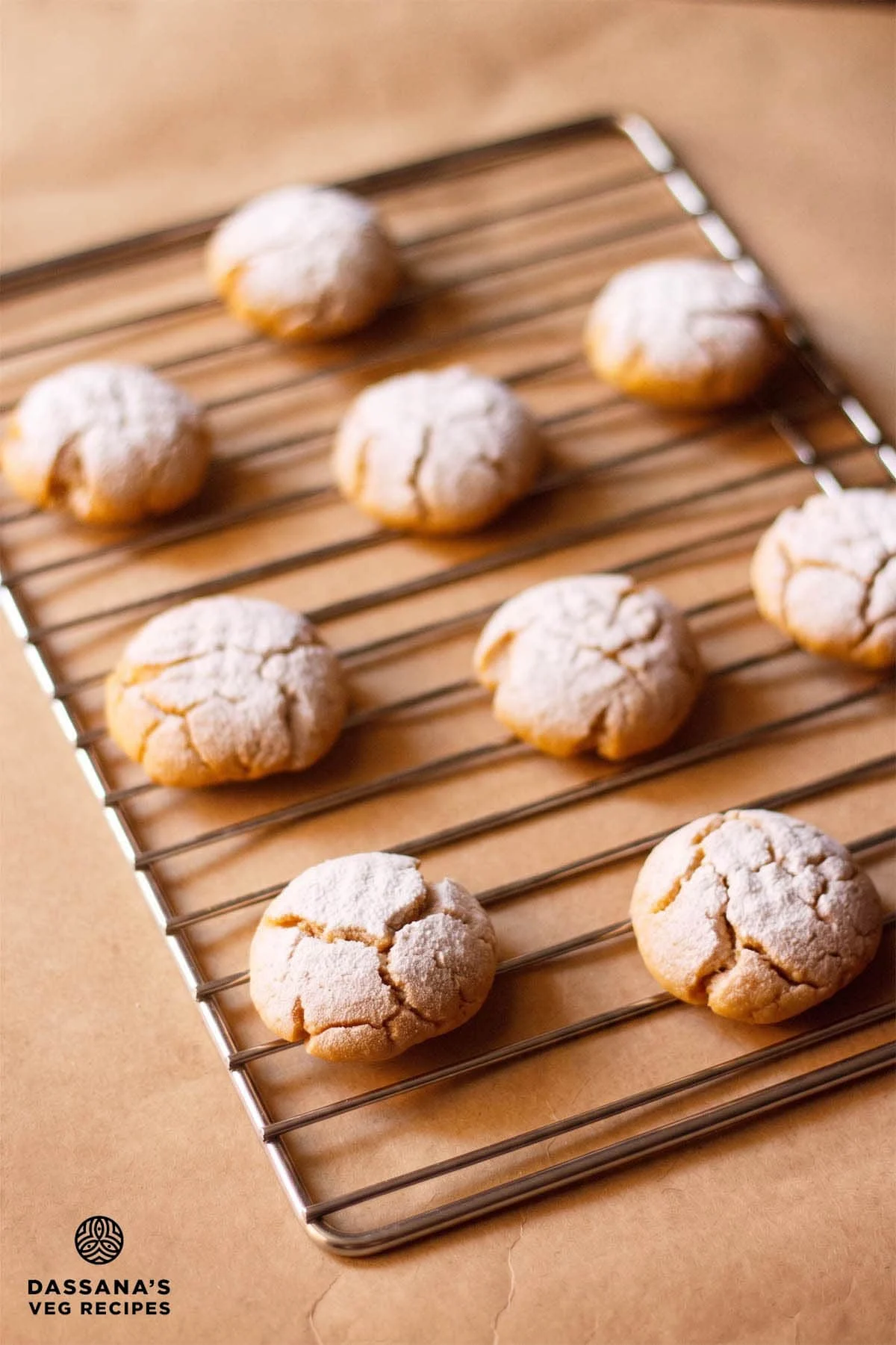
In an era where the intersection of health-consciousness and culinary indulgence is more prominent than ever, a new standard for home-baked goods is emerging. The recent spotlight on the "Orange Biscuit"—a hybrid creation blending traditional Indian pantry staples with modern vegan baking techniques—has captured the attention of nutritionists and gastronomy enthusiasts alike. Far from a standard store-bought snack, these cookies represent a shift toward "clean-label" baking, utilizing whole grains and fresh citrus to redefine the expectations of the tea-time accompaniment.

Main Facts: The Composition of a Modern Classic
The Orange Biscuit, as conceptualized by culinary experts such as Dassana from Veg Recipes of India, is characterized by its soft, moist texture and a sophisticated flavor profile that eschews excessive sweetness for aromatic depth. Unlike the traditional "biscuit" found in Western markets—which typically implies a hard, snappy texture—or the American "cookie," which often leans toward the chewy or crumbly, this orange-infused variant occupies a unique middle ground.
The recipe is fundamentally built upon four pillars:

- Nutritional Fortification: The use of whole wheat flour (atta) and gram flour (besan) provides a complex carbohydrate base with a higher protein and fiber content than refined white flour.
- Vegan Lipid Profile: By replacing butter with sunflower oil, the recipe achieves a lighter crumb and caters to the burgeoning demand for dairy-free alternatives without sacrificing moisture.
- Fresh Extraction: The flavor is derived from 100% fresh orange juice and zest, ensuring a natural vitamin C presence and an authentic olfactory experience.
- Minimalist Chemistry: The leavening and structural integrity rely on simple interactions between the citrus acidity and traditional baking agents, making it accessible for amateur bakers.
Chronology: From Grove to Cooling Rack
The lifecycle of the Orange Biscuit is a study in precision and timing. The process begins with the careful selection of seasonal oranges, a critical step that determines the final acidity and sweetness of the dough.
Phase 1: The Extraction (0–15 Minutes)
The process commences with the zesting of the fruit. Journalistic culinary standards emphasize the importance of avoiding the white pith, which contains bitter alkaloids that can ruin the delicate citrus profile. Following the zest collection, the fruit is blended and strained to produce exactly one-third of a cup of fresh juice. This "liquid gold" serves as both the flavoring agent and the primary hydrating element for the dough.

Phase 2: Emulsification and Integration (15–30 Minutes)
In a departure from the "creaming" method used in traditional cookie baking (where butter and sugar are beaten), this method utilizes a direct whisking of sunflower oil, sugar, and orange juice. This creates a uniform emulsion. The dry ingredients—whole wheat flour, baking powder, and a pinch of salt—are sifted directly into the wet mixture to prevent aeration loss. The final addition is the gram flour, which provides a nutty undertone and stabilizes the soft dough.
Phase 3: Thermal Transformation (30–60 Minutes)
The dough, which requires no chilling—a significant time-saver in the baking world—is divided into 12 to 14 portions. The oven is preheated to a rigorous 200 degrees Celsius (392 degrees Fahrenheit). During the 20-to-25-minute baking window, the cookies undergo a "crinkling" process. As the moisture evaporates from the surface, the top cracks, creating a rustic, artisanal aesthetic that has become the hallmark of this specific recipe.

Phase 4: Stabilization (60 Minutes+)
Post-baking, the biscuits are transferred to a wire rack. This allows for air circulation, preventing the bottom from becoming soggy due to residual steam. The final touch—a light dusting of icing sugar—is applied only once the cookies reach room temperature to prevent melting.
Supporting Data: Nutritional and Economic Analysis
The shift toward ingredients like gram flour (besan) is backed by significant nutritional data. According to the recipe’s nutritional breakdown, a single serving (approximately one cookie) contains 177 calories, with a balanced macro-profile of 22g of carbohydrates, 9g of fat, and 3g of protein.

Key Nutritional Metrics:
- Micronutrients: Each cookie provides approximately 5mg of Vitamin C and 29µg of Folate (Vitamin B9), contributing to the daily recommended intake.
- Mineral Content: The inclusion of whole wheat and gram flour boosts the mineral profile, offering 1mg of Iron and 28mg of Magnesium per serving.
- Sodium Control: At only 28mg of sodium per serving, these homemade biscuits offer a 70–80% reduction in salt compared to commercial, processed orange-flavored snacks.
Economically, the recipe leverages "seasonal availability." In regions like India, where oranges are a winter staple, the cost of production for a batch of 14 cookies is significantly lower than purchasing premium, organic vegan cookies from retail outlets. The use of sunflower oil, which is a shelf-stable and cost-effective fat, further democratizes the ability to produce high-quality snacks at home.

Official Responses: Culinary Experts and Community Feedback
The reception of the Orange Biscuit recipe within the digital culinary community has been overwhelmingly positive, particularly regarding its "beginner-friendly" architecture. Dassana, the lead developer of the recipe, notes that the "soft texture" is a deliberate design choice to accommodate the use of whole wheat flour, which can often result in a dry or "cardboard-like" finish if not balanced with sufficient hydration and fat.
Expert Insights:
Professional bakers have commented on the "crinkle" effect, noting that it is an indicator of the perfect sugar-to-moisture ratio. "The natural cracking on top suggests that the exterior set quickly under the high heat of 200°C while the interior continued to expand, a sign of a well-leavened dough," says one independent pastry chef.

User Testimonials:
Community feedback highlights the versatility of the recipe. Many home bakers have reported success in substituting sunflower oil with melted butter for a "richer, shortbread-like" experience, or using packaged juice when fresh oranges are out of season. However, the consensus remains that the "zest" is the non-negotiable component for achieving the signature aroma.
Implications: The Future of Homemade Snacking
The popularity of the Orange Biscuit carries broader implications for the food industry and public health.

1. The "De-processing" of the Pantry:
This recipe serves as a blueprint for the "de-processing" movement. By showing that a professional-grade "biscuit" can be made with five or six basic ingredients, it challenges the necessity of preservatives, artificial colors (like Sunset Yellow FCF), and synthetic flavorings commonly found in commercial orange cookies.
2. Cultural Fusion in Baking:
The use of besan (gram flour) in a cookie is a nod to traditional Indian sweets like Besan Ladoo, yet the application is distinctly Western. This fusion represents a globalization of flavors where local ingredients are repurposed for international formats.

3. Sustainability and Veganism:
As consumers become more aware of the environmental impact of the dairy industry, "accidental vegan" recipes—those that are vegan by design rather than through expensive processed substitutes—are becoming the gold standard. The use of oil instead of butter reduces the carbon footprint of the snack while remaining accessible to those with lactose intolerance or egg allergies.
4. Educational Value for Beginner Bakers:
The straightforward "no-knead, no-chill" instructions lower the barrier to entry for home baking. As more individuals take up baking as a hobby, recipes that provide consistent results with minimal equipment (no electric mixers required) are vital for sustaining this domestic revival.

Conclusion
The Orange Biscuit is more than a simple tea-time treat; it is a manifestation of the modern baker’s desire for transparency, nutrition, and sensory satisfaction. By prioritizing fresh citrus and unrefined flours, the recipe bridges the gap between the nostalgic "bakery-style" biscuits of the past and the health-forward requirements of the future. As the culinary landscape continues to evolve, the success of such simple, ingredient-focused recipes suggests that the future of food may lie not in complex laboratory innovations, but in the thoughtful reimagining of the natural harvest.
