

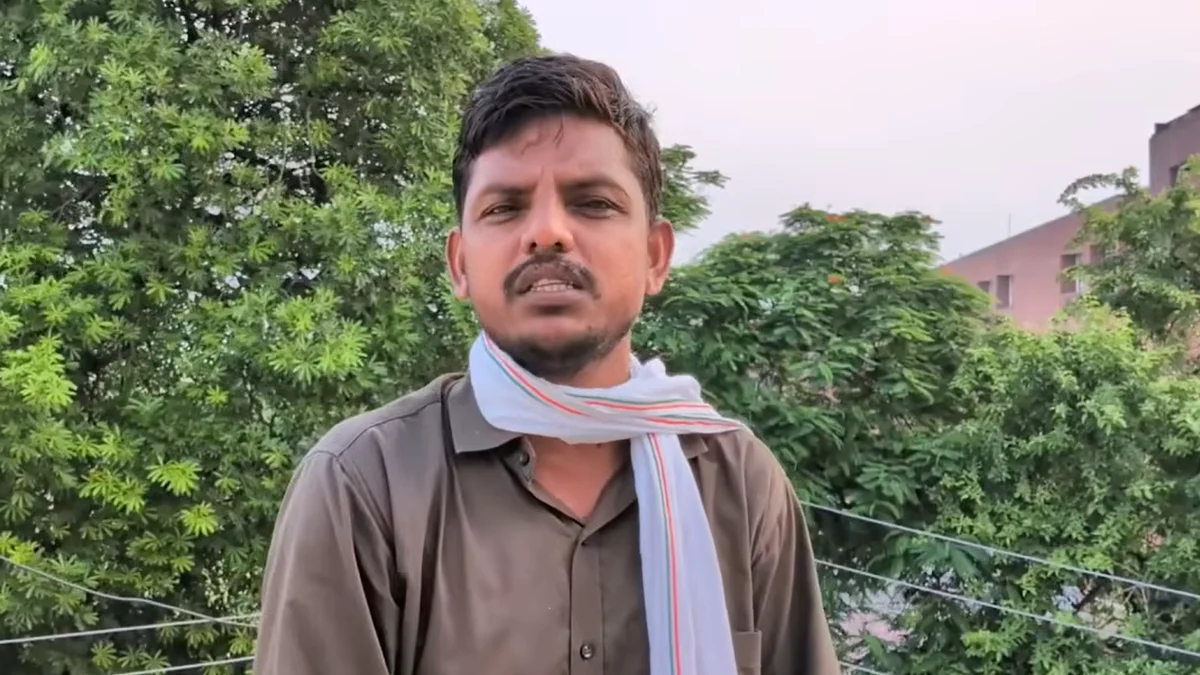
NEW DELHI, August 2, 2026 – In a development that has ignited a firestorm across social media and sparked urgent calls for transparency, Mohammad Irfan, a resident of a Delhi slum whose YouTube channel "Main Irfan" rapidly amassed over 70,000 subscribers overnight, has seen his burgeoning platform abruptly terminated by the video-hosting giant. The termination, citing a violation of Google’s Terms of Service, has been met with widespread disbelief and outrage, with users and prominent figures demanding immediate reinstatement and a clear explanation from YouTube India.
Irfan’s channel, which had become a powerful voice for the marginalized, gained national prominence after his compelling recitation of the Preamble to the Constitution during a recent protest. His sudden rise and subsequent silencing have thrust the critical issues of digital free speech, algorithmic fairness, and platform accountability into the national spotlight, prompting a crucial debate about who controls the digital public square and the mechanisms by which emerging voices can be amplified – or suppressed.
The Unprecedented Rise and Sudden Fall of ‘Main Irfan’
The story of Mohammad Irfan is a compelling narrative of how grassroots activism can leverage digital platforms to gain unprecedented reach, only to collide with the opaque mechanisms of online content moderation. Irfan, hailing from an underserved community in Delhi, first captured national attention during the recent "Cockroach Janta Party (CJP)" protest at Jantar Mantar, a traditional hub for demonstrations in the capital. His impassioned delivery of the Preamble to the Constitution resonated deeply with many, symbolizing a potent appeal to India’s foundational democratic principles amidst discussions of socio-economic disparity.
Beyond the symbolic recitation, Irfan used the platform of the protest to articulate the severe hardships faced by workers in the unorganised sector. He spoke with conviction about the urgent need for accessible education, equitable healthcare, and the safeguarding of fundamental democratic rights for all citizens. His authentic and unvarnished perspective, rooted in lived experience, struck a chord with a public often fatigued by conventional political discourse.
His powerful advocacy did not go unnoticed by mainstream political figures. On July 28, 2026, just days before his channel’s meteoric rise, Mohammad Irfan met with Rahul Gandhi, the Leader of the Opposition in the Lok Sabha. Following their interaction, Gandhi publicly lauded Irfan, stating that his outlook profoundly reflected "the strength and promise of India’s youth." This high-profile endorsement further amplified Irfan’s visibility and legitimized his message, setting the stage for his foray into digital content creation.
Capitalizing on this newfound recognition and the organic swell of public support, Irfan launched his YouTube channel, "Main Irfan." The channel was conceived as a platform to continue his advocacy, sharing his insights and experiences directly with a wider audience. The response was immediate and overwhelming. In less than 24 hours, between the evening of August 1st and the morning of August 2nd, the "Main Irfan" channel experienced an explosive surge in popularity, attracting over 70,000 subscribers. This rapid growth was a testament to the powerful resonance of his message and the public’s hunger for authentic, grassroots voices.
However, this extraordinary success was short-lived. On the morning of August 2, 2026, attempts to access the "Main Irfan" channel were met with a stark message: "This account has been terminated for violating Google’s Terms of Service." The sudden, unexplained removal of a channel that had garnered such rapid, seemingly organic support triggered an immediate and widespread outcry across social media platforms, transforming Irfan’s personal ordeal into a national debate on digital rights.
The Voices of Protest and Plea
The termination of "Main Irfan" sent shockwaves through the digital community, prompting a wave of support for Mohammad Irfan and a chorus of demands for YouTube to reverse its decision. At the forefront of this digital protest was Irfan himself, who took to X (formerly Twitter) to express his distress and appeal directly to the platform.
"My channel was completely new, and I have honestly followed all of YouTube’s guidelines," Mr. Irfan posted on X shortly after the termination. "People really liked my content, which is why my subscribers increased. It seems like there was a mistake by your automatic system. Please review my channel again and restore it." His plea underscored a common frustration among content creators: the opaque nature of algorithmic moderation and the perceived difficulty in appealing what they believe to be erroneous decisions.
Adding significant weight to the growing movement was veteran journalist Ajit Anjum, a vocal supporter of Irfan even before the channel’s termination. Anjum, known for his incisive commentary and strong advocacy for democratic values, posted multiple times on X, not only celebrating Irfan’s initial success but also vehemently questioning YouTube’s subsequent action.
"A young man named Mohammad Irfan, who lives in a slum in Delhi, started his YouTube channel just yesterday with our support," Mr. Anjum posted on X on Sunday, August 2, 2026. "From yesterday evening until this morning, his channel gained more than 70,000 subscribers." He then posed a critical question that resonated with thousands: "Suddenly this morning, his YouTube channel was terminated. How did a working-class young man manage to gain so many subscribers in such a short time? That in itself is an extraordinary achievement. So why did YouTube terminate his channel so abruptly?" Anjum’s posts highlighted the extraordinary nature of Irfan’s achievement and cast serious doubt on the legitimacy of YouTube’s swift action.

The sentiment articulated by Irfan and Anjum was echoed by countless other social media users. Many pointed to the authenticity of Irfan’s content and the genuine nature of his rapid subscriber growth, dismissing any notion of foul play. The consensus among supporters was that the termination was a grave error, likely triggered by YouTube’s automated systems misinterpreting the sudden surge in popularity as suspicious activity, rather than recognizing it as legitimate, organic engagement. Digital rights activists, other content creators, and concerned citizens alike urged YouTube, a Google-owned entity, to prioritize human review over algorithmic judgments in such sensitive cases, particularly when fundamental issues of free expression are at stake.
The Silence from YouTube and Broader Implications
As of the latest reports, YouTube India has remained notably silent, offering no specific clarification beyond the generic termination message. This lack of transparency has further fueled public frustration and intensified calls for accountability from the tech giant. While Google’s Terms of Service encompass a wide range of prohibited activities, including spam, misleading content, impersonation, and hate speech, the absence of a detailed explanation leaves the public to speculate about the specific violation attributed to Irfan’s channel, especially given its focus on civic discourse and constitutional principles.
The incident surrounding Mohammad Irfan’s channel carries profound implications for the landscape of digital democracy, free speech, and content moderation in India and globally.
Freedom of Expression and Digital Gatekeepers: At its core, this event highlights the immense power wielded by digital platforms like YouTube, which act as de facto public squares in the 21st century. The ability of these platforms to unilaterally terminate channels, often without immediate, transparent justification, raises serious questions about the extent of their control over public discourse and the potential for chilling effects on dissenting or emerging voices. For individuals like Irfan, who lack traditional media access, YouTube offered a vital avenue for expression. Its sudden removal effectively silences a voice that was just beginning to find its stride.
Algorithmic Bias and Error: Many believe that the rapid, organic growth of "Main Irfan" might have inadvertently triggered YouTube’s automated systems, which are designed to detect and curb spam, bot activity, or artificial engagement. While these systems are crucial for maintaining platform integrity, this case suggests a potential flaw in their ability to distinguish genuine viral phenomena from malicious activity. The risk of "false positives" in content moderation, where legitimate content is erroneously flagged, is a significant concern for creators, particularly those from marginalized communities whose content might not fit established patterns.
The Voice of the Marginalized: Mohammad Irfan’s background as a resident of a Delhi slum and his focus on the hardships of the unorganised sector lent his channel a unique authenticity and perspective. His story underscores the critical role digital platforms can play in amplifying voices that are traditionally unheard in mainstream media. The termination of his channel, therefore, is not merely a technical issue but a socio-political one, as it potentially curtails the ability of marginalized communities to articulate their grievances and participate in national conversations.
Political Dimensions and Endorsement: The involvement of a prominent opposition leader like Rahul Gandhi further elevates the political stakes of this incident. Gandhi’s endorsement of Irfan’s message underscored the political relevance of his content. The termination, therefore, can be viewed through a lens of potential political censorship or, at the very least, as a politically sensitive action by a platform that strives to remain neutral. It raises questions about how platforms manage content that garners significant political attention.
Platform Accountability and Transparency: The incident serves as a stark reminder of the urgent need for greater transparency and accountability from global tech companies in their content moderation practices. While terms of service are necessary, the lack of specific details regarding Irfan’s alleged violation makes it difficult for him to appeal effectively or for the public to understand the rationale behind the decision. Digital rights advocates consistently call for clearer communication, robust appeals processes, and human oversight, especially for channels that gain significant public interest.
Precedent and Chilling Effect: The abrupt termination of "Main Irfan" could set a troubling precedent for other emerging content creators, particularly those who achieve rapid, unexpected success. It might instill fear among new voices, leading to self-censorship or a reluctance to address sensitive topics, lest they too fall victim to an opaque algorithmic judgment. This "chilling effect" can stifle innovation and diversity of thought on platforms that claim to champion open expression.
The Role of Public Pressure: The overwhelming public outcry, spearheaded by influential figures like Ajit Anjum and amplified across social media, demonstrates the power of collective digital activism. It remains to be seen whether this sustained pressure will compel YouTube to review Irfan’s case with greater scrutiny and provide a more detailed explanation or, ideally, reinstate his channel. This incident highlights the ongoing tension between platform autonomy and public demands for fairness and transparency.
In conclusion, the termination of Mohammad Irfan’s "Main Irfan" YouTube channel is more than just a content moderation dispute; it is a critical case study in the evolving dynamics of digital free speech, the challenges of algorithmic governance, and the imperative for accountability from powerful tech entities. As India, and indeed the world, grapples with the complexities of its digital future, the story of Mohammad Irfan serves as a poignant reminder of the fragile balance between innovation, regulation, and the fundamental right to be heard. The public now awaits a definitive response from YouTube, hoping that the digital platform will uphold the very democratic ideals that Irfan himself championed.
