

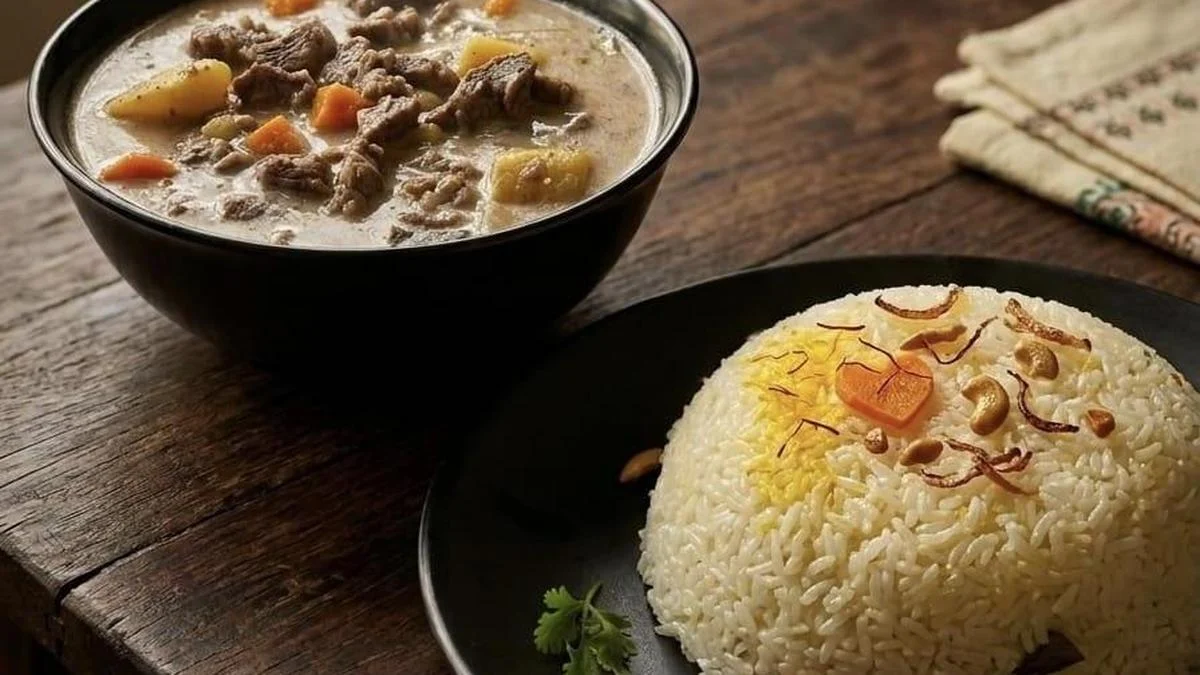
KOCHI — In the humid, spice-scented air of Kerala’s coastal hub, a culinary transformation is simmering. What was once a humble, home-cooked accompaniment to breakfast staples is now taking center stage as a standalone gastronomic phenomenon. The Kerala stew—locally known as ishtew or ishtoo—is undergoing a commercial and cultural renaissance, evolving from a nostalgic holiday memory into a thriving business model for food trucks, cloud kitchens, and specialty restaurants.
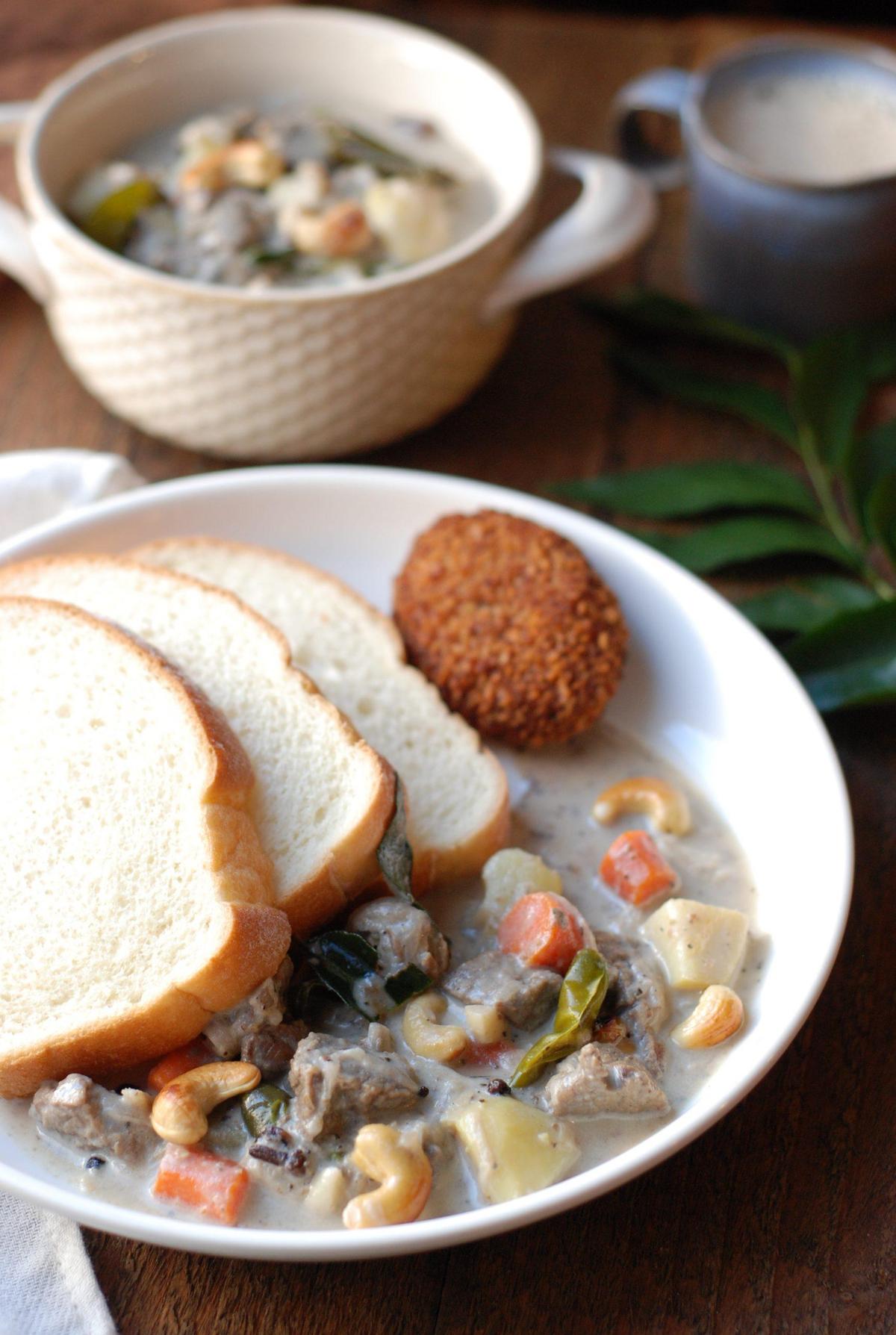
For the average Malayali, the mention of chicken stew evokes a specific sensory tapestry: the sight of lacy, fermented rice crepes (appams) soaking up a pale, creamy gravy; the mild, warming aroma of cinnamon, cardamom, and cloves; and the tender bite of cubed potatoes and carrots bathed in fresh coconut milk. It is a dish that defines the "warm hug" of Kerala’s culinary identity. Today, however, that hug is being delivered via food trucks in Kochi’s IT corridors and specialized delivery platforms, signaling a shift in how the state consumes its heritage.
Main Facts: The Commercialization of Nostalgia
The rise of the "stew-centric" eatery marks a departure from the traditional Kerala restaurant model, where stew was merely one of many side dishes in a breakfast combo. In the current landscape, entrepreneurs are betting on the dish’s versatility and its deep-seated emotional resonance.
The Rise of the Stew Truck
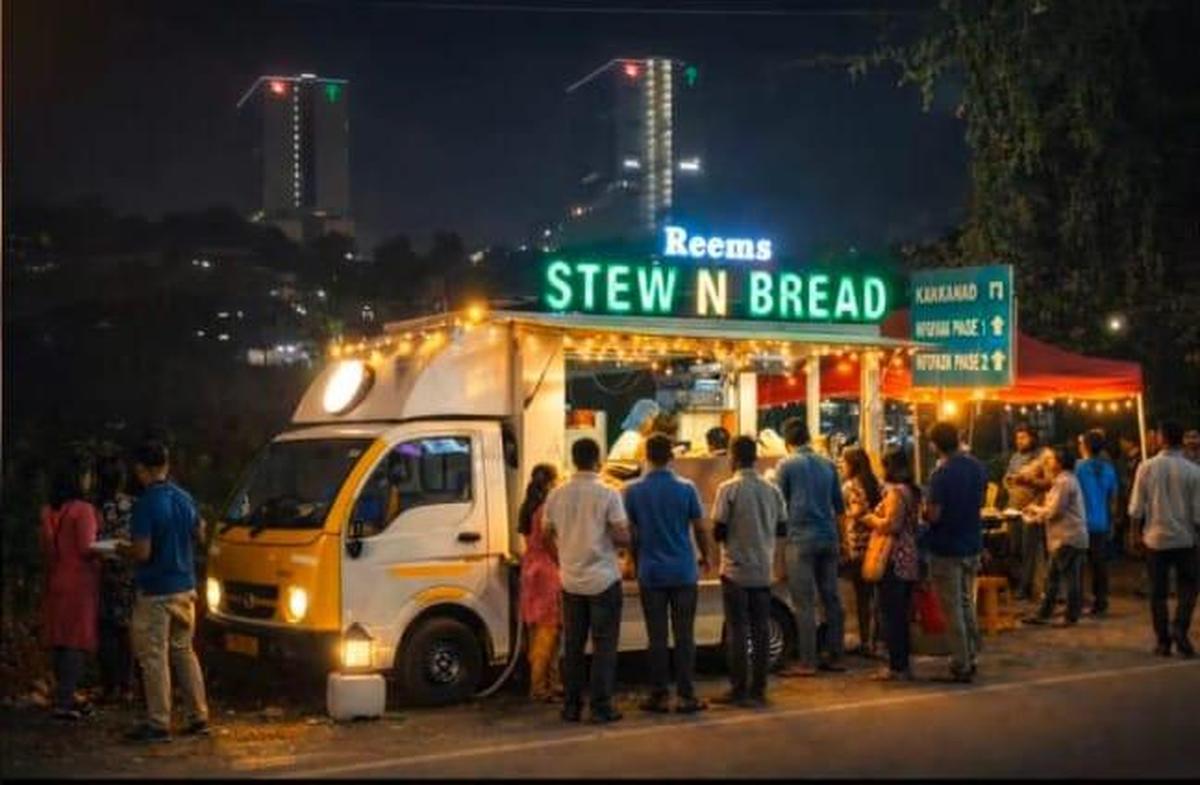
One of the most visible symbols of this trend is Reems Stew and Bread, a mobile food unit that has captured the imagination of Kochiites since January 2024. Operating in the bustling neighborhoods of Kakkanad (the city’s tech hub) and Panampilly Nagar, the truck focuses on a singular, high-quality pairing: artisanal bread and rich, coconut-based stew.
Founded by Ajoy ET and his wife Reema, the venture has tapped into a vein of "pure nostalgia." By positioning the truck near Infopark during the week, they cater to a young workforce that craves the comforts of home amidst a fast-paced corporate environment. Their success highlights a key market insight: in an era of hyper-spicy "fusion" foods, there is a massive, underserved demand for the subtle, balanced flavors of traditional Kerala cuisine.
The Cloud Kitchen Evolution
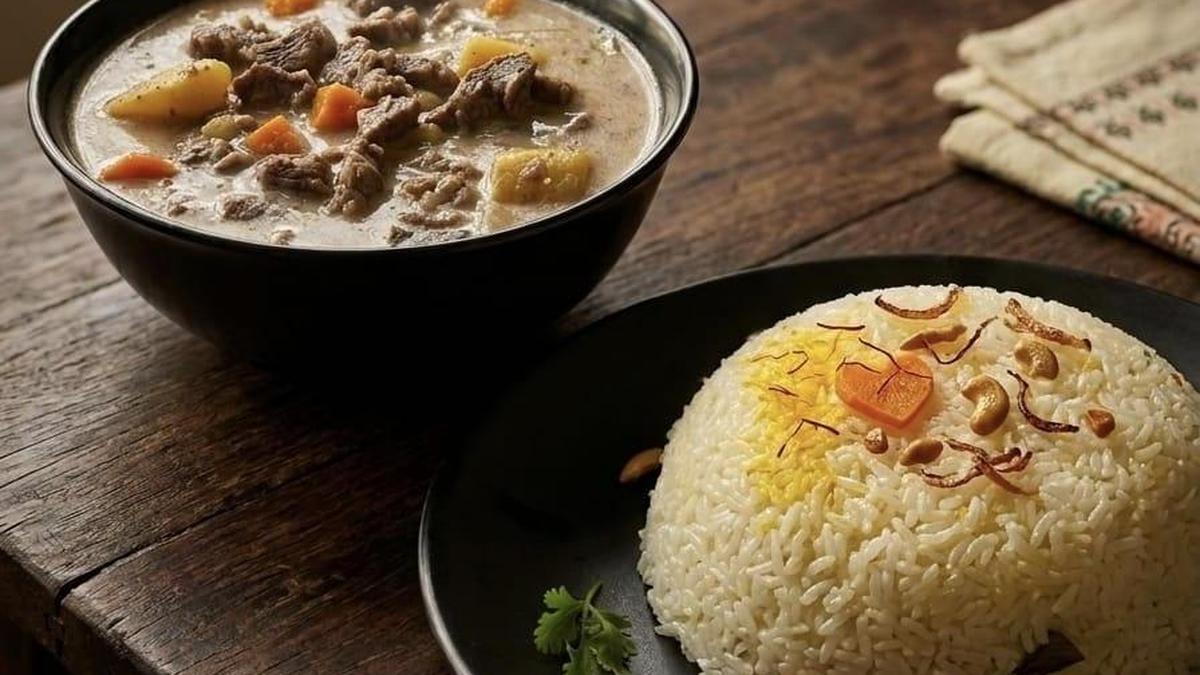
Parallel to the food truck movement is the emergence of dedicated cloud kitchens like Stewmuch. Founded by Jishnu KP, who hails from Kozhikode, Stewmuch was born from three years of research into the dish’s universal appeal. Unlike many traditional outlets that restrict stew to the breakfast hours, Stewmuch promotes it as a 24-hour meal.
"I chose stew because its spices and warmth are balanced," Jishnu explains. "It is not a heavy dish; it feels light on the palate and comforting to eat. Another thing I love about stew is that it fits every meal—breakfast, lunch, and dinner. Very few foods carry that versatility."
Chronology: A Layered History of Trade and Tradition
The Kerala ishtoo is not merely a local recipe; it is a historical document in a bowl. Its evolution follows the timeline of Kerala’s interactions with global powers, making it a "fusion" dish centuries before the term became trendy.
The Colonial Influence (15th – 19th Century)
The origins of the stew are deeply intertwined with the arrival of European powers. The Portuguese, who landed on the Malabar Coast in 1498, are credited with introducing New World vegetables like potatoes and carrots to the region. Before their arrival, local "stews" were likely simpler, vegetable-based broths.
The British influence in the 18th and 19th centuries further refined the dish. The English "beef stew" typically relied on a brown roux or cornstarch for thickening and was often a heavy, broth-like meal. When this concept met the kitchens of Kerala, local cooks performed a brilliant act of subrogation: they replaced dairy and flour-based thickeners with the abundant local resource—coconut milk.
The Community Adaptation
As the dish evolved, it became a cornerstone of specific Kerala communities:
- The Syrian Christians (Surianis): They adapted the stew into a festive staple, particularly for Christmas and Easter. Their version often emphasizes the use of black pepper and ginger, providing a "kick" that balances the sweetness of the coconut milk.
- The Anglo-Indians: In Kochi’s Fort Kochi and Mattancherry areas, mutton stew became a non-negotiable item on wedding menus, served with thick slices of local bread.
- The Jewish Community: Historians suggest that the use of coconut milk may have been reinforced by Kerala’s ancient Jewish population. Under Kosher laws, meat and dairy cannot be mixed. Coconut milk provided a creamy, rich alternative to milk or cream, allowing for a succulent meat gravy that adhered to religious dietary restrictions.
Supporting Data: Regional Variations and Culinary Nuances
While the basic components of ishtoo remain consistent—coconut milk, whole spices, and vegetables—the dish varies significantly as one travels across the state. The current commercial boom is bringing these regional nuances to the forefront.
Malabar vs. Kochi Styles
Jishnu KP of Stewmuch notes that the distinction between Northern (Malabar) and Central (Kochi) stews is pronounced:
| Feature | Malabar (Kozhikode/Kannur) | Kochi (Central Kerala) |
|---|---|---|
| Consistency | Generally thicker and richer | Lighter and more fluid |
| Spice Level | Higher; strong notes of black pepper | Milder; slightly sweeter profile |
| Color | Often has a mild yellow tone (turmeric) | Usually pristine white or cream |
| Traditional Pairing | Often served with Ghee Rice (Neychoru) | Served with Appam or Bread |
The "Thickening" Debate
A point of pride for traditionalists is how the stew achieves its velvety texture. While some modern commercial kitchens use cornflour to save time and cost, premium outlets like Reems Stew and Bread use a traditional "hack" passed down through generations: cashew paste. This not only thickens the gravy but adds a subtle nutty depth that cornstarch cannot replicate.
Official Responses: Insights from the Experts
To understand the cultural weight of this trend, one must look to those who document Kerala’s culinary history. Tanya Abraham, author of Eating with History: Ancient Trade Influenced Cuisines of Kerala, emphasizes that the stew is a product of "layered history."
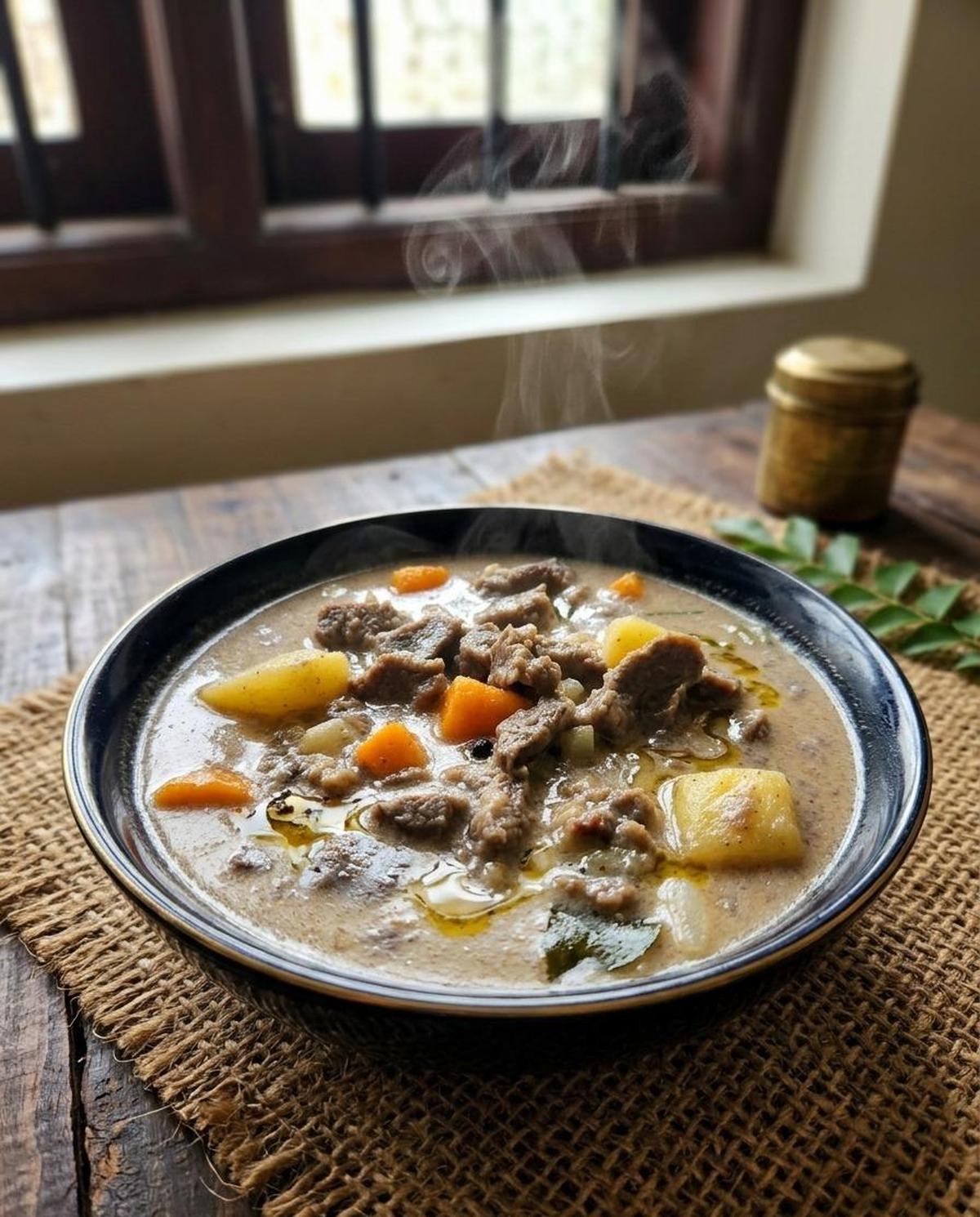
"The stew is often connected to the Surianis, who specifically used pepper and ginger to make it," Abraham notes. She points out that the addition of meat as a prominent ingredient transformed the dish from a simple vegetable broth into a symbol of hospitality and celebration.
From the entrepreneurial side, the response has been overwhelmingly positive. Ajoy ET of Reems reports that the demand is so high they receive daily inquiries about their truck’s location. "The response has been sensational," he says. "The bread-stew combination is more than food for the Kochiite. It is part of our celebrations. It is a taste of home that has people coming to us in droves."
Social media has also played a pivotal role. Outlets like Hamza’s Kitchen on Pipeline Road became viral sensations by showcasing the simple pleasure of dipping fresh bread into a bowl of mutton stew, prompting a wave of "hole-in-the-wall" shops to add the dish to their menus to keep up with the trend.
Implications: The Future of Kerala’s Culinary Identity
The transition of ishtoo from the domestic kitchen to the "stew truck" carries several implications for the future of the region’s food industry.
1. The Global Potential of "Light" Curries
As global palates shift away from heavy, oil-laden curries toward lighter, aromatic, and dairy-free options, the Kerala stew is perfectly positioned for international appeal. Its reliance on coconut milk makes it naturally lactose-free, and the vegetable version is easily adaptable for vegan diets.
2. The Preservation of Micro-Traditions
The success of businesses like Stewmuch, which purposefully integrates Malabar and Kochi traditions, ensures that regional culinary dialects are not lost. By serving stew with ghee rice—a combination common in Kozhikode but rare in Kochi—entrepreneurs are cross-pollinating Kerala’s food culture.
3. Economic Opportunities for Small-Scale Entrepreneurs
The "stew truck" and "cloud kitchen" models prove that one doesn’t need a massive multi-cuisine restaurant to succeed in the modern market. A focus on a single, perfected dish—grounded in authenticity and nostalgia—can create a sustainable and highly loyal customer base.
Conclusion
The Kerala ishtoo is a testament to the power of culinary fusion and the enduring nature of comfort food. It has survived centuries of colonial rule, adapted to religious laws, and transitioned through the kitchens of various communities to emerge as a modern-day staple of Kochi’s street food scene.
Whether it is the cashew-thickened gravy from Reema’s kitchen or the pepper-forward Malabar version from a cloud kitchen, the stew remains a "warm hug" in a bowl. As Kochi continues to grow as a cosmopolitan center, the humble ishtoo serves as a reminder that sometimes, the most sophisticated flavors are the ones that have been simmering in our own homes for generations. Through the lacy holes of an appam or the crust of a hand-baked loaf of bread, the story of Kerala’s history continues to be told, one spoonful at a time.
