

TECHNOLOGY
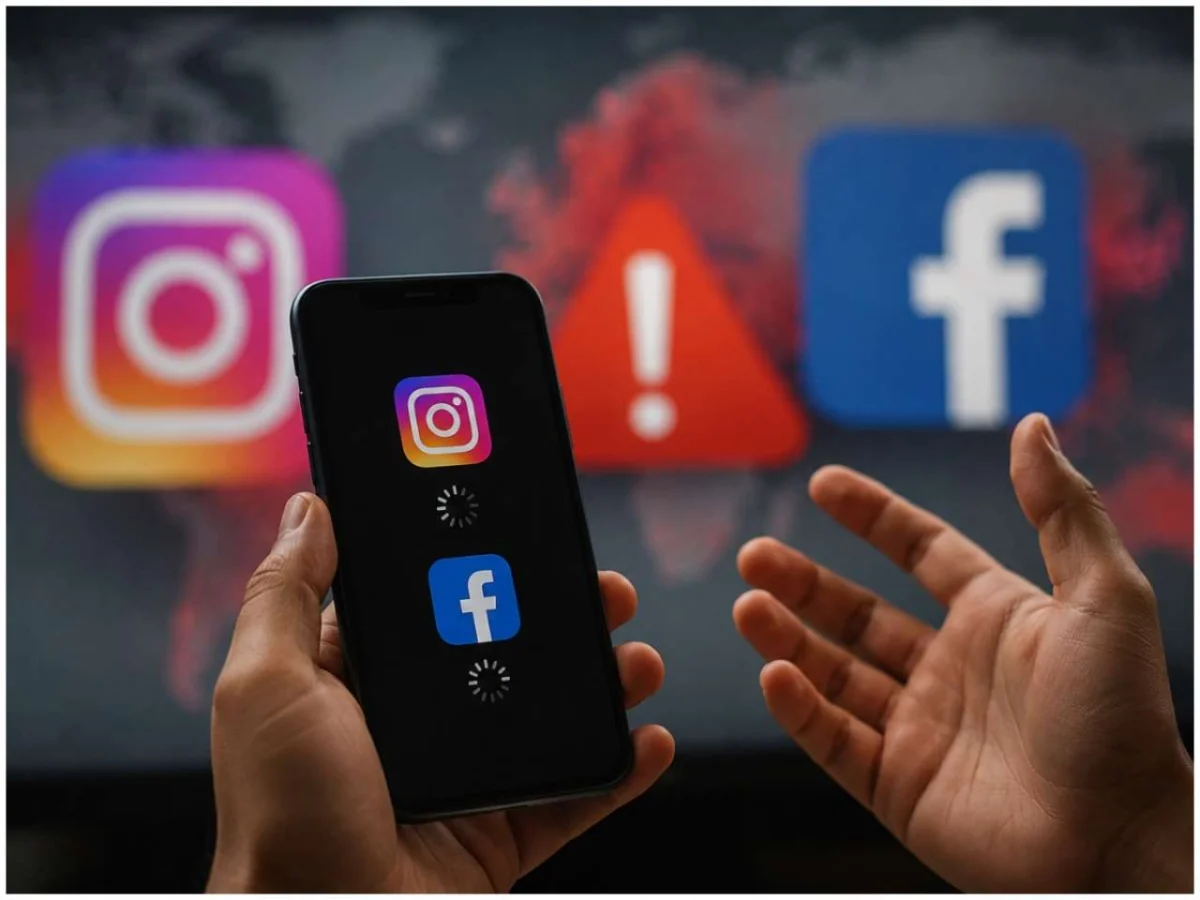
In a significant disruption to global digital communication, Meta’s flagship platforms, Instagram and Facebook, experienced a widespread outage on Sunday afternoon, July 19, 2026. Millions of users across numerous countries reported severe issues with logging in, posting new content, and updating their news feeds, effectively plunging them into a period of digital darkness. The sudden and comprehensive nature of the disruption left users frustrated and disconnected, scrambling for alternative communication channels. Despite the immense scale of the problem and the ensuing global outcry, Meta, the parent company of both platforms, has yet to issue an official statement or acknowledge the cause of the outage, leaving a vast user base in limbo.
The incident underscores the profound dependence of modern society on interconnected digital services and highlights the vulnerabilities inherent in such vast and complex infrastructures. As the digital world ground to a halt for a significant portion of the day, the economic and social ramifications, though still being assessed, are anticipated to be considerable, particularly for the countless businesses and content creators who rely heavily on these platforms for their daily operations and outreach. The silence from Menlo Park has only amplified user anxiety, with many questioning the robustness and contingency plans of one of the world’s largest technology companies.
Main Facts: A Digital Silence Descends
The core issue revolved around the inability of users to access fundamental functionalities across both Instagram and Facebook. From approximately 1 PM GMT (Greenwich Mean Time) on July 19, reports began to flood in, indicating a systemic failure. Users attempting to log into their accounts were met with error messages, while those already logged in found themselves unable to refresh their feeds or publish any new content, including photos, videos, or text updates. This paralysis extended across multiple device types, including smartphones, tablets, and desktop computers, confirming a server-side or infrastructure-level problem rather than localized client issues.
)
The outage was not confined to a single region but manifested as a truly global event, with reports surging from continents including North America, Europe, Asia, and parts of Africa. This geographical breadth suggested a major underlying issue affecting Meta’s central network infrastructure. For many, these platforms are not merely social tools but integral parts of their professional and personal lives, serving as primary communication channels, marketing tools, and sources of information. The sudden cessation of service therefore represented a significant disruption, triggering immediate concerns about missed communications, lost business opportunities, and a general sense of digital isolation.
Crucially, Meta’s official channels and status pages remained conspicuously silent throughout the initial hours of the outage. This lack of communication from the company itself added a layer of uncertainty and frustration for users and media outlets alike, who typically expect swift and transparent updates during such widespread service interruptions. The absence of an explanation or even an acknowledgment of the problem intensified speculation regarding the severity and potential causes of the disruption, ranging from technical glitches to more sinister possibilities.

Chronology: The Unfolding of a Digital Disruption
The digital disruption began subtly before rapidly escalating into a full-blown crisis. The first tremors of the outage were felt shortly before 1 PM GMT on Sunday afternoon, with isolated reports emerging from individual users experiencing minor glitches. These initial reports, though scattered, quickly coalesced into a discernible pattern. Users first noticed delays in loading content, followed by intermittent failures to post updates or refresh their feeds.
By 1 PM GMT, the trickle of individual complaints transformed into a torrent. Downdetector, a real-time online platform that monitors the status of websites and services based on user-submitted reports, registered a sharp and unprecedented surge in complaints. The platform’s outage map, typically showing minor localized issues, quickly lit up with a concentrated cluster of reports indicating widespread problems across Meta’s ecosystem.
)
The peak of reported issues, according to Downdetector’s data, occurred between 1 PM and 4 PM GMT. During this three-hour window, the number of complaints surged into the tens of thousands, reaching critical levels that far exceeded typical baseline fluctuations. The sheer volume of reports from diverse geographical locations painted a clear picture of a global service degradation. Even as the initial peak subsided slightly after 4 PM GMT, the number of ongoing complaints continued to rise steadily, suggesting a persistent and unresolved issue rather than a transient anomaly.
As the outage extended into the evening hours in many parts of the world, user frustration migrated to alternative social media platforms, most notably X (formerly Twitter). Hashtags like #InstagramDown and #FacebookDown quickly began trending globally, serving as impromptu forums where users shared their experiences, vented their frustrations, and sought confirmation that they were not alone in facing the issues. The absence of official communication from Meta during these critical hours only fueled the online discourse and user anxiety, transforming a technical problem into a significant public relations challenge for the tech giant.
)
Supporting Data: The Digital Aftershocks and User Response
The data collected by Downdetector provided a stark illustration of the outage’s immediate and widespread impact. The platform, which aggregates problem reports from users, showed an exponential rise in complaints for both Instagram and Facebook. While typical daily fluctuations might see a few hundred reports, the surge between 1 PM and 4 PM GMT registered tens of thousands of individual problem submissions, painting a vivid picture of the scale of the disruption. The sheer volume of these reports, originating from diverse IP addresses and geographical locations, offered compelling evidence of a fundamental infrastructure failure.
Geographically, the outage appeared to be truly global. While specific country-by-country breakdowns were not immediately available from Meta, user reports and Downdetector’s heat map indicated significant impact across major population centers in North America (including the United States and Canada), Western Europe (such as the UK, France, Germany), parts of Eastern Europe, and key markets in Asia (including India, Indonesia, and Japan). This widespread geographical reach suggested that the issue was not localized to a specific data center or regional network but rather affected core services that underpin Meta’s global operations.
)
The user reaction, particularly on X, provided a compelling narrative of the human element behind the technical malfunction. Initially, there was a sense of confusion, as individuals checked their own internet connections and devices. This quickly transitioned into collective frustration and, in many cases, humor as users realized the widespread nature of the problem. Hashtags became rallying points for shared experiences.
One user, identified as Ashok Mor (@_techibee), posted a video on X showcasing a screenshot of his smartphone struggling to upload a Reel to Instagram. The clip vividly illustrated the real-time difficulties users faced when attempting to engage with the platforms’ core functionalities. This shared experience of technological failure resonated deeply, fostering a sense of camaraderie among the digitally disenfranchised.
)
Another popular reaction came from a user named Oreo (@TigerVishkit), who shared a humorous video depicting the concept of "enjoying a ‘normal life’" without the distractions of social media. The video, showing a parent oblivious to their child falling from a stroller, satirically highlighted the intense focus many have on their devices and the potential for real-world interactions (or lack thereof) during a digital detox. These humorous takes, while lighthearted, subtly underscored the pervasive influence of Instagram and Facebook on daily life and the sudden void created by their absence.
Beyond humor, many small businesses and content creators expressed genuine concern and frustration. For independent entrepreneurs, artists, and marketers who rely on Instagram and Facebook as their primary storefronts, communication channels, and advertising platforms, the outage represented an immediate cessation of business. Orders couldn’t be placed, customer queries went unanswered, and scheduled marketing campaigns were disrupted, leading to potential financial losses and damage to client relationships. The economic ripple effect, though difficult to quantify in the short term, was undeniably felt across a vast segment of the digital economy.
)
Official Responses: Awaiting Word from Menlo Park
One of the most striking aspects of the widespread outage was the prolonged silence from Meta Platforms, Inc. As reports of the disruption escalated globally and Downdetector’s charts soared, the company’s official communication channels — including its corporate newsroom, social media accounts, and investor relations pages — remained notably quiet. This lack of immediate acknowledgment or explanation stood in stark contrast to typical protocols for major service disruptions within the technology industry.
In an era where transparency and swift communication are paramount, especially for companies whose services are deeply embedded in the daily lives of billions, Meta’s silence was a significant point of contention for users, media, and analysts. Industry best practices during such events typically involve an initial statement acknowledging the issue, even if details are scarce, followed by periodic updates as the situation evolves and root causes are identified. Such communication serves to reassure users, manage expectations, and mitigate widespread panic or misinformation.
)
The reasons behind Meta’s delayed response are subject to speculation. It could indicate the extreme severity and complexity of the underlying technical problem, requiring extensive internal investigation before any credible statement could be formulated. Alternatively, it might suggest a breakdown in internal communication protocols or a deliberate strategy to refrain from commenting until a definitive solution or a comprehensive explanation is ready. However, in the absence of any official word, the void was quickly filled by user frustration and media conjecture, potentially exacerbating the negative perception of the company’s handling of the crisis.
The absence of an official update left users with no clear timeline for resolution, nor any insight into the nature of the problem. This not only added to the inconvenience but also created a sense of uncertainty about the reliability and resilience of Meta’s infrastructure. For a company that commands such a dominant position in the global digital landscape, the expectation for immediate and transparent communication during a major service interruption is inherently high, and the failure to meet this expectation inevitably led to increased scrutiny and criticism.
)
Implications: The Broader Ripple Effect of Digital Silence
The widespread Meta outage carries far-reaching implications, extending beyond mere inconvenience for individual users. It highlights profound dependencies, exposes vulnerabilities in global digital infrastructure, and raises questions about corporate responsibility and communication in crisis.
Impact on Individual Users: The Digital Disconnect
For billions, Instagram and Facebook are not just apps but essential conduits for social connection, personal expression, and information consumption. The outage created an immediate sense of digital disconnection. Many users reported feeling isolated, unable to communicate with friends and family, share moments, or even access news and updates that frequently propagate through these platforms. This abrupt severance from their digital communities can induce feelings of "Fear of Missing Out" (FOMO), anxiety, and even a form of digital withdrawal for those heavily reliant on constant connectivity. The psychological impact, though often underestimated, underscores the deep integration of these platforms into modern identities and social fabrics.
)
Economic Repercussions: Businesses and Content Creators
The economic toll of such a widespread outage is significant. Small and medium-sized businesses (SMBs) that rely on Instagram and Facebook as their primary marketing, sales, and customer service channels faced immediate disruptions. E-commerce stores lost sales, local businesses couldn’t promote their services, and customer inquiries went unanswered. For many, these platforms are virtual storefronts, and their sudden unavailability translates directly into lost revenue and damaged customer trust.
Similarly, content creators, influencers, and digital marketers experienced a sudden halt to their income-generating activities. Sponsored posts, live streams, and engagement-driven revenue streams were all suspended. The interruption of scheduled campaigns and promotional activities can have cascading effects, impacting contracts, partnerships, and long-term financial stability for individuals and agencies whose livelihoods are inextricably linked to Meta’s ecosystem. The outage served as a stark reminder of the inherent risks of building an entire business model on third-party platforms.
)
The Fragility of Digital Infrastructure: A Systemic Vulnerability
This outage, like previous large-scale tech disruptions, underscores the inherent fragility of the vast, interconnected digital infrastructure that underpins modern life. Meta operates one of the most complex and extensive networks globally, serving billions of users. Even a minor technical glitch, if propagated through such a massive system, can have catastrophic consequences. Potential causes for such widespread outages can include:
- DNS (Domain Name System) failures: Issues with the "phonebook of the internet" that translates website names into IP addresses.
- BGP (Border Gateway Protocol) misconfigurations: Errors in the routing protocol that directs traffic across the internet.
- Server or data center failures: Physical or software issues within Meta’s vast server farms.
- Software bugs: Errors in newly deployed code that can destabilize systems.
- Human error: Mistakes made during routine maintenance or updates.
- Cyberattacks: While no evidence suggested this, it’s always a possibility considered during major outages.
The complexity of these systems means that pinpointing the exact cause can be a time-consuming process, explaining, in part, the delay in official communication. This incident serves as a powerful reminder that despite advances in redundancy and resilience, no digital infrastructure is entirely immune to widespread failure.
)
Historical Context: Echoes of Past Outages
This isn’t Meta’s first rodeo with significant outages. A particularly notable incident occurred in October 2021, when Facebook, Instagram, and WhatsApp went offline for nearly six hours. That outage was attributed to a configuration change on the backbone routers that coordinate network traffic between Meta’s data centers, effectively disconnecting them from the global internet. The current outage, while occurring on a different date, evokes similar concerns about the architectural vulnerabilities of such massive, centralized digital empires. These recurring events highlight the ongoing challenge for tech giants to maintain uninterrupted service for a global user base and the critical need for continuous investment in infrastructure robustness and fail-safes.
The Role of Alternative Platforms: A Digital Migration
During the outage, there was a noticeable migration of users to alternative platforms. X (formerly Twitter) became the primary hub for real-time updates, complaints, and shared experiences. Other messaging apps like Telegram and Signal likely saw increased usage as individuals sought to maintain communication channels. This immediate pivot underscores the competitive landscape of digital communication and the vital role played by diverse platforms in providing redundancy during service failures. However, it also highlights the concentration of power in a few tech giants, as even these alternatives are often owned by or reliant on similar underlying internet infrastructure.
)
Navigating the Digital Downtime: User Guidance During Outages
When popular platforms like Instagram and Facebook experience widespread outages, it can be frustrating and disorienting. While the underlying issues are typically beyond individual user control, there are sensible steps one can take to troubleshoot and confirm the nature of the problem, as well as manage expectations.
1. Verify the Widespread Nature of the Issue:
The very first step is to ascertain whether the problem is isolated to your device or if it’s a broader systemic outage.
)
- Check Downdetector: This website is an invaluable resource. By visiting Downdetector.com and searching for "Instagram" or "Facebook," you can quickly see if a surge in reports from other users confirms a widespread issue.
- Monitor Other Social Media: Platforms like X (formerly Twitter) are often the first place users flock to discuss and confirm outages. Searching for hashtags like #InstagramDown or #FacebookDown can provide real-time updates and collective confirmation.
- Ask Friends/Family: A quick text or call to someone else can confirm if they are experiencing similar difficulties.
2. Avoid Repeated Login Attempts:
Once you’ve confirmed a widespread outage, resist the urge to repeatedly try logging in, resetting your password, or uninstalling/reinstalling the app multiple times.
- Why it helps: Repeated attempts can inadvertently add to the server load during an already strained period, potentially delaying recovery for everyone. It can also sometimes trigger security measures that temporarily lock your account if multiple failed login attempts are detected.
3. Basic Troubleshooting Steps (for isolated issues, or while waiting for recovery):
If you’re unsure if it’s a global outage or a local problem, these steps can sometimes resolve minor glitches.
)
- Toggle Wi-Fi and Mobile Data: Switch between your Wi-Fi connection and cellular data. This helps determine if the issue is with your internet service provider or your specific Wi-Fi network.
- Restart the Application: Close the Instagram or Facebook app completely (force quit) and then reopen it. This can clear temporary software glitches.
- Restart Your Device: A full restart of your smartphone, tablet, or computer can resolve various underlying system issues that might be affecting app performance.
- Clear App Cache (Android) / Reinstall (iOS): On Android, you can go to your app settings and clear the cache for the problematic app. On iOS, clearing the cache often requires uninstalling and reinstalling the app (but avoid this during a confirmed global outage).
- Check for App Updates: Ensure your Instagram and Facebook apps are updated to the latest version. Developers often release updates to fix bugs and improve performance.
- Try a Different Browser (for Facebook): If you’re accessing Facebook via a web browser, try using a different browser (e.g., Chrome, Firefox, Edge, Safari) to rule out browser-specific issues.
4. Exercise Patience:
Ultimately, for widespread outages originating from Meta’s servers, the only effective course of action is patience. Tech giants typically work around the clock to resolve such critical issues. Stay informed by checking Downdetector or other news sources, and wait for official announcements or a noticeable return to service.
Conclusion: The Enduring Quest for Digital Resilience
The widespread outage affecting Instagram and Facebook on July 19, 2026, served as a potent reminder of the fragility of even the most robust digital infrastructures and the profound impact such disruptions have on a globally interconnected society. From individual users feeling isolated to businesses facing economic losses, the ripple effects of Meta’s digital silence were immediate and far-reaching.
)
While the technical cause of this specific outage remains unconfirmed by Meta, the incident underscores the critical need for continuous investment in system resilience, redundancy, and robust communication protocols during crises. As billions worldwide increasingly rely on a handful of powerful tech companies for their daily communication, commerce, and information, the expectation for uninterrupted service and transparent accountability during failures will only grow. The digital world awaits not only the restoration of service but also a comprehensive explanation from Meta, hoping that lessons learned from this widespread disruption will contribute to a more resilient and reliable digital future.
