

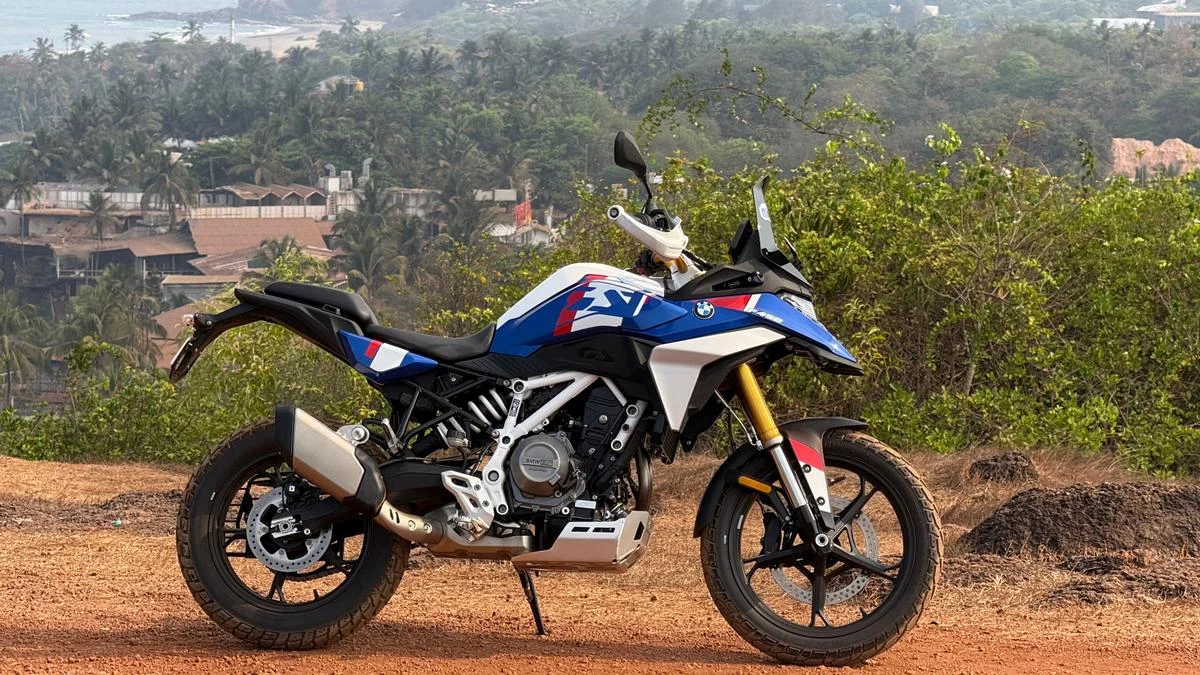
The Indian motorcycling landscape has undergone a seismic shift over the last decade. No longer satisfied with mere utility, the Indian rider has pivoted toward aspiration, versatility, and the "go-anywhere" ethos of the adventure (ADV) segment. Into this fiercely competitive arena, BMW Motorrad has introduced the F 450 GS—a motorcycle designed to bridge the gap between the entry-level G 310 GS and the legendary, heavyweight R 1300 GS.
Following an extensive testing period in the varied landscapes of Goa, from the high-speed coastal highways to the punishing dirt tracks of the Vagator hilltop, the F 450 GS reveals itself as a surgical instrument of German engineering tailored for the complexities of the Indian subcontinent.
I. Main Facts: Defining the Mid-Capacity Premium Segment
The BMW F 450 GS is not merely a bored-out version of a smaller bike or a stripped-down version of a larger one. It is a ground-up development aimed at the "Goldilocks" zone of adventure motorcycling.
Technical Specifications at a Glance
- Engine: 420 cc parallel-twin, liquid-cooled.
- Output: 48 hp of peak power and 43 Nm of maximum torque.
- Crankshaft: Unique 135° offset for reduced vibration and a distinct exhaust note.
- Seat Height: 845 mm (standard).
- Key Features: Easy Ride Clutch (ERC), Shift Assistant Pro, 6.5-inch TFT display, and Enduro Pro riding mode.
- Pricing:
- Base Variant: ₹4,70,000
- Exclusive Variant: ₹4,90,000
- GS Trophy Variant: ₹5,30,000 (Ex-showroom, India).
The motorcycle positions itself as a premium alternative to the likes of the KTM 390 Adventure and the Royal Enfield Himalayan 450. While its price point sits at the higher end of the mid-capacity spectrum, BMW justifies the premium through a combination of sophisticated electronics, superior build quality, and a twin-cylinder refinement that is often absent in this displacement class.
II. Chronology: From the Coastal Tarmac to the Vagator Dirt
The evaluation of the F 450 GS was structured to simulate the real-world usage of a modern ADV rider: a blend of urban commuting, high-speed touring, and technical off-roading.
First Impressions and Design Language
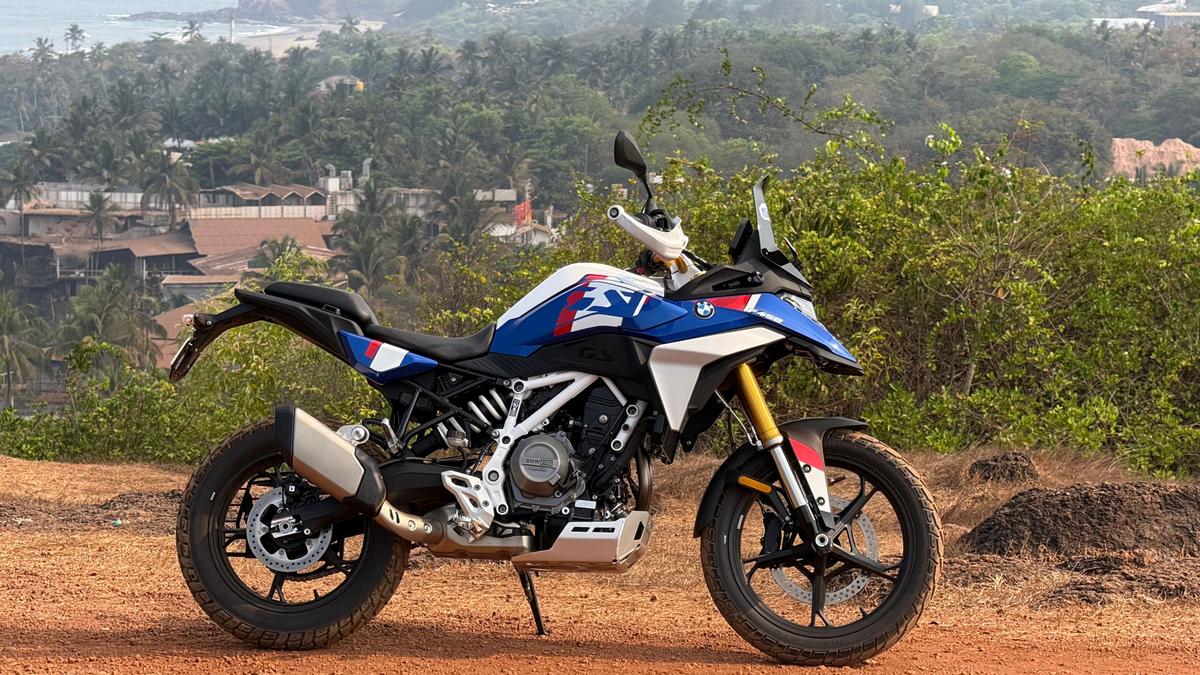
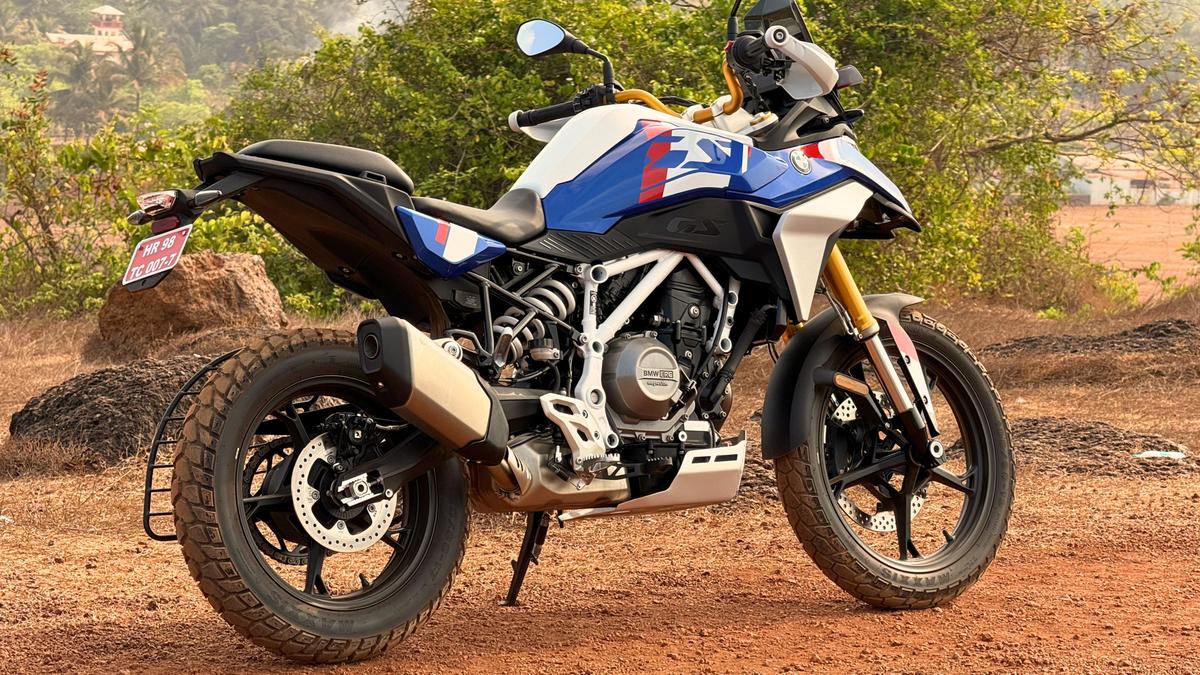
Upon first encounter in the humid air of Goa, the F 450 GS strikes an "authentically GS" silhouette. It retains the iconic "beak" and the purposeful, front-heavy stance of its larger siblings. However, BMW has managed to wrap these cues in a package that feels significantly more compact. Unlike the R 1300 GS, which can be intimidating to the uninitiated, the F 450 GS feels approachable.
The ergonomics are designed for "all-day" capability. The upright riding position is natural, with the handlebars falling easily to hand. However, the 845 mm seat height serves as a reminder of its off-road DNA. While manageable for average-height riders, those on the shorter side may find the bike a challenge in stop-and-go traffic or when navigating uneven, rutted surfaces where a firm "foot-down" is required.
On-Road Performance: The Refinement of the Twin
The journey began on the winding roads of North Goa. Here, the 420 cc parallel-twin engine immediately established itself as the motorcycle’s centerpiece. The 135° crankshaft is more than a technical footnote; it provides a smoothness that defies the typical expectations of a sub-500cc machine.
As the needle climbs the rev range, the vibrations—the traditional enemy of long-distance touring—remain remarkably absent. The handlebars and footpegs stay calm, allowing the rider to focus on the road rather than managing fatigue. The 48 hp output is delivered with a linear predictability that makes high-speed cruising feel effortless.
The Vagator Test: Off-Road Evolution
The most rigorous phase of the test took place at the Vagator hilltop. Transitioning from tarmac to dirt, the bike was switched into "Enduro Pro" mode. This electronic intervention sharpens the throttle response and recalibrates the ABS and traction control to allow for more rear-wheel slip—essential for navigating loose soil and gravel.
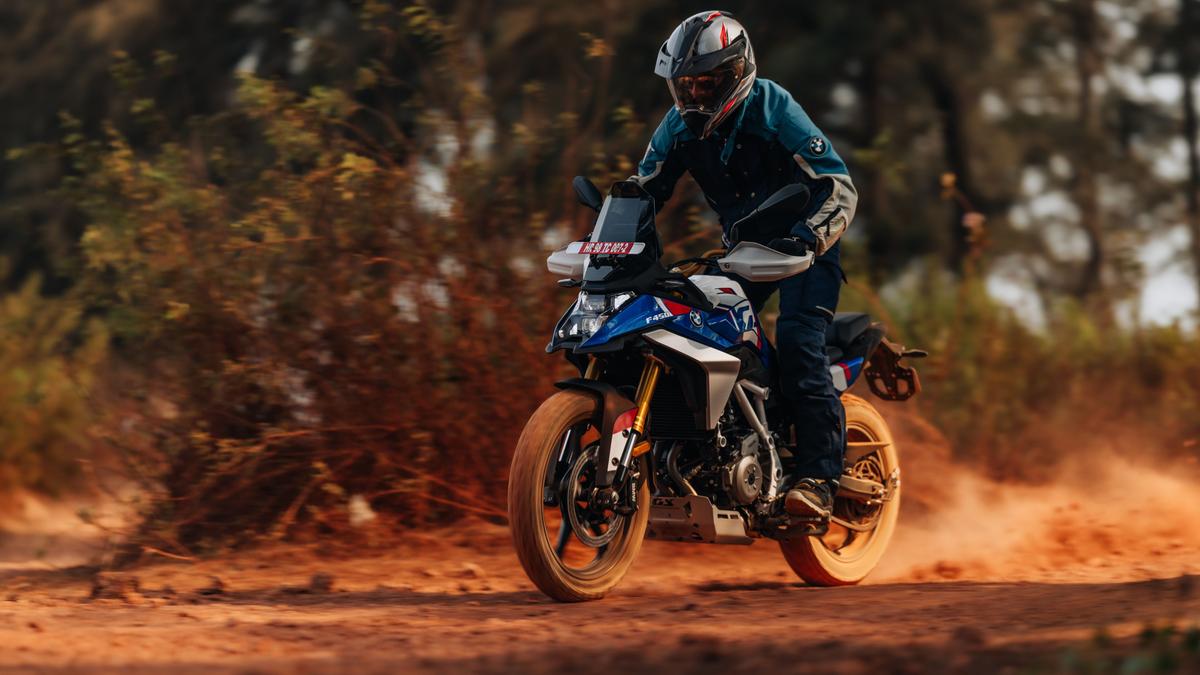
Standing on the pegs, the bike’s narrow waist allows for excellent knee grip, providing the rider with a sense of control over the machine’s center of gravity. The suspension—comprising USD forks and a rear monoshock with progressive damping—performed admirably, soaking up sharp rocks and sudden drops without bottoming out or unsettling the chassis.
III. Supporting Data: Engineering and Technological Innovations
The F 450 GS stands out not just for its badge, but for the specific mechanical and electronic choices made by BMW Motorrad engineers.
The Easy Ride Clutch (ERC) and Shift Assistant Pro
One of the most discussed features of the F 450 GS is the Easy Ride Clutch (ERC). This system allows the rider to come to a complete stop and pull away without manually engaging the clutch lever. When paired with the Shift Assistant Pro (a bi-directional quickshifter), the rider can essentially navigate the entire gearbox without the clutch.
Field Observations on ERC:
- Convenience: In slow-moving Goa traffic, the system significantly reduces rider fatigue.
- Learning Curve: It requires a recalibration of throttle control. Novice riders might find the initial engagement slightly abrupt until they master the "rolling-on" technique.
- Off-Road Utility: While purists may prefer manual modulation for technical climbs, the ERC prevents stalling in tricky situations, a major boon for intermediate riders.
Chassis and Suspension Dynamics
The bike utilizes a steel bridge frame designed for torsional rigidity. The suspension travel is optimized for a balance between road manners and trail capability. During testing, the bike maintained a "planted" feel at speeds exceeding 110 km/h, yet remained "flickable" enough to navigate the tight, narrow lanes of Goan villages.
Fuel Economy and Thermal Management
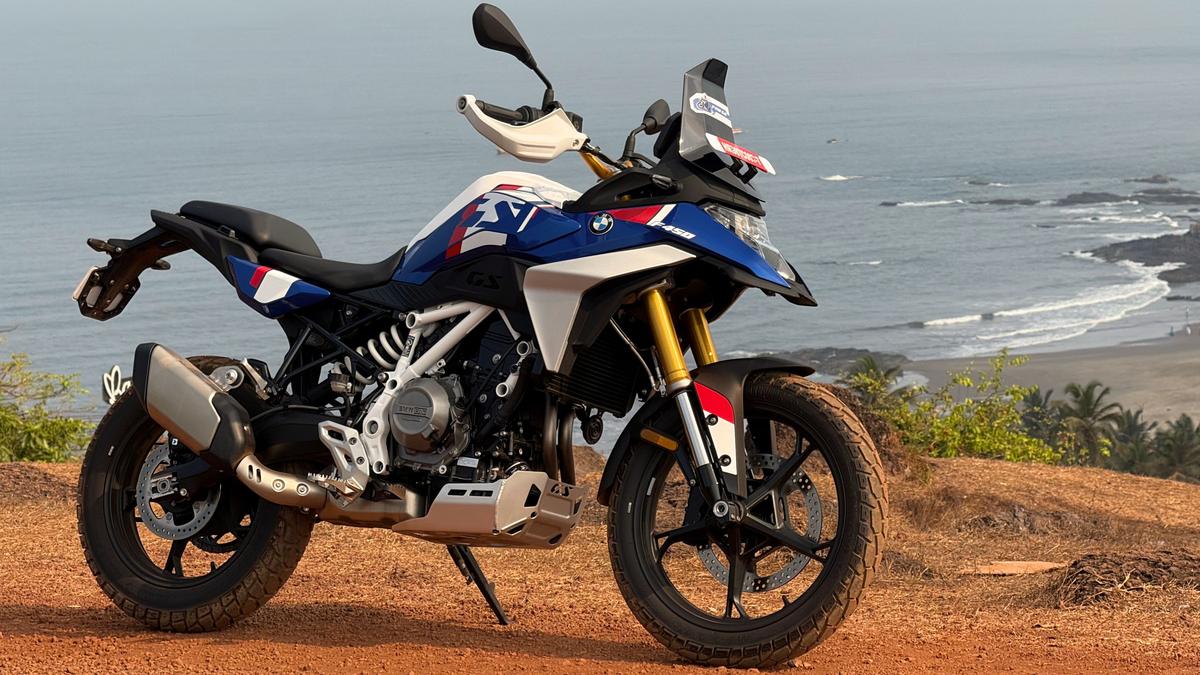
In a country where engine heat can be a deal-breaker, the F 450 GS showcased impressive thermal efficiency. Despite the tropical heat and low-speed off-roading, the engine did not radiate excessive heat toward the rider’s legs. Fuel efficiency hovered around the 26–27 km/l mark, which, combined with its fuel tank capacity, offers a respectable touring range.
IV. Official Responses and Brand Positioning
BMW Motorrad India has been clear about its strategy with the F 450 GS. According to the brand’s positioning, this motorcycle is intended to be the "ultimate bridge." It targets two specific demographics:
- The Upgraders: Riders moving up from 150cc–250cc commuters who want a "forever bike" that is premium but not unmanageable.
- The Downsliders: Experienced riders who are tired of the weight and bulk of 1000cc+ ADVs and want a lighter, more agile machine for technical trails without sacrificing the BMW "feel."
Official feedback from the testing event suggests that BMW has prioritized "rideability" over "raw power." By capping the power at 48 hp, the bike remains compliant with A2 licensing requirements in Europe while providing more than enough punch for Indian highways, where sustained speeds above 120 km/h are rarely safe or legal.
V. Implications: The Future of the Mid-Size ADV Market
The arrival of the BMW F 450 GS has significant implications for the Indian motorcycle market and the adventure segment at large.
Competition and Market Pressure
The F 450 GS enters a segment currently dominated by the Royal Enfield Himalayan 450 (valued for its ruggedness and price) and the KTM 390 Adventure (valued for its electronics and high-revving nature). BMW is banking on the fact that a significant portion of the market is willing to pay a premium for refinement. The twin-cylinder configuration of the F 450 GS offers a level of "sophistication" that the single-cylinder competition cannot match.
The Democratization of Technology
By bringing features like the 6.5-inch TFT with full connectivity, Enduro Pro modes, and the ERC to the 450cc class, BMW is forcing other manufacturers to elevate their technological offerings. What was once reserved for ₹15-lakh superbikes is now becoming standard in the mid-capacity segment.
Conclusion: A New Benchmark?
The BMW F 450 GS is a masterclass in balance. It is powerful enough to be exciting, light enough to be capable, and tech-heavy enough to feel modern. While the pricing—particularly for the GS Trophy variant—places it in a luxury bracket, the sheer breadth of its capability makes it a compelling proposition.
For the Indian rider, the F 450 GS represents more than just a new model; it represents the maturation of the ADV segment. It is a machine that is as comfortable in the urban sprawl of Mumbai or Bangalore as it is on the dusty trails of the Himalayas or the beaches of Goa. BMW Motorrad hasn’t just built another motorcycle; they have built a gateway to the GS legacy that is finally within reach of a much broader audience.
This report was compiled in association with Motorscribes and The Hindu. For further updates on the latest in automotive engineering, follow @motorscribes on Instagram.
