

Visakhapatnam, a city long synonymous with a frenetic pace of life, is experiencing a profound cultural and social recalibration. The familiar rhythms of quick meals, action-packed weekends, high-intensity fitness regimes, and checklist-driven travel are gradually giving way to a burgeoning appreciation for experiences that demand time, attention, and presence. This shift, while subtle, is deeply resonant, with residents increasingly seeking out activities that prioritize participation and genuine connection over spectacle and superficial engagement. From intimate supper clubs fostering deep conversation to unhurried nature walks that encourage mindful observation, and strength training that emphasizes awareness over sheer exertion, a growing segment of Visakhapatnam’s population is embracing the philosophy of slow living.
This movement is not a rejection of modernity, but rather a conscious recalibration of priorities. Many residents articulate this shift as a profound "need to feel grounded again," a desire to move beyond passive consumption and embrace experiences that cultivate listening, patience, and meaningful dialogue. The city’s vibrant cultural tapestry is now being rewoven with threads of intentionality, creating a richer, more enduring fabric of community and personal well-being.
A Table Set for Connection: The Rise of Supper Clubs and Shared Stories
At the heart of this transformative trend lies Vantammayilu Supper Social Occurrences, a home-based supper club launched in 2025 by Hyndavi Onimi from her residence in Kirlampudi. More than just a culinary gathering, Vantammayilu curates evenings around specific cuisines and regions, intentionally extending the focus beyond mere sustenance. Guests are invited to contribute a piece of their own creative output – be it a photograph, a poem, or a small handcrafted item – to be displayed during the event.
"When we confirm a booking, we ask guests to bring something they have created themselves," explains Hyndavi. "The effort people make is deeply moving. We put the works up on our walls, and that gesture alone changes the energy in the room. People feel seen, not judged." This act of personal contribution fosters an immediate sense of vulnerability and shared humanity, setting the stage for deeper connections.

The dinners themselves unfold at a deliberate pace, often stretching for close to three hours. Conversations, sparked by the shared meal, naturally meander through travel memories, significant life turning points, and reflections on various life stages. Hyndavi recounts one particularly memorable evening where a couple in their seventies captivated the table with stories from decades past. "When the man spoke about discovering Vanjangi (a peak in the Eastern Ghats) as a teenager in 1968, it felt like listening to a story from another time. No one wanted to leave." These moments highlight the profound human need for connection and the power of shared narratives to transcend generational divides.
Hyndavi believes the burgeoning interest in such gatherings is a direct response to the exhaustion felt from social interactions driven by image and performance. "People are exhausted by constant stimulation. Many talk about wanting to step away from screens and do something real with their time," she observes. "Over the course of an evening, you can see strangers ease into friendships. The food matters, but it is the atmosphere of candour that brings them back." The shared experience of vulnerability and authenticity cultivates an environment where genuine friendships can blossom, reinforcing the appeal of these slower, more intentional social encounters.
Following these evenings, participants are often added to a shared online group, "The Long Table Society," where conversations continue to flourish around themes of food, travel, and lived experiences. "There is no hierarchy at the table," Hyndavi emphasizes. "Age, profession, social standing dissolve when people speak honestly." This inclusive and egalitarian approach further strengthens the sense of community and belonging fostered by the supper club.
(For those interested in joining the supper club, inquiries can be directed to 9494958181.)

The Symphony of Stillness: Rediscovering Nature Through Bird Walks
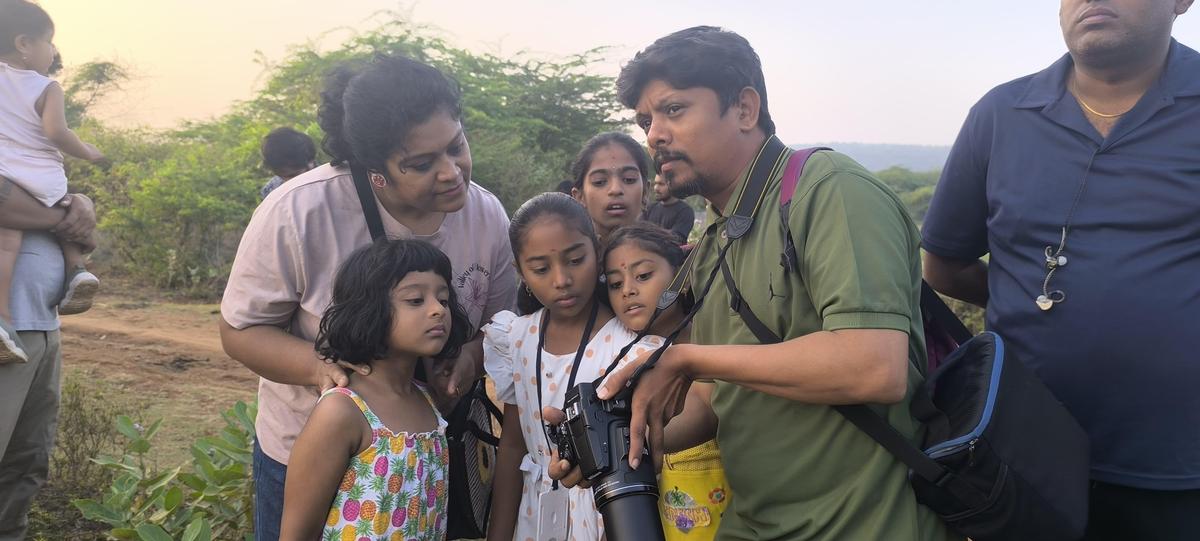
A parallel movement towards slowing down is evident in the burgeoning popularity of bird walks organized by Wildlife Conservation Through Research & Education (WCTRE). Once the domain of seasoned ornithologists and wildlife students, these walks now attract a diverse demographic, including families, first-time participants, college students, and working professionals seeking a much-needed respite from their demanding schedules.
"Many people come simply to be outside at dawn," says Vivek Rathod of WCTRE. "The sound of birds and the stillness of early morning help reset the mind." These walks traverse varied landscapes around Visakhapatnam, including wetlands, reservoirs, coastal stretches, and forest patches, all of which harbor remarkable avian diversity. Participants have had the opportunity to observe species such as the Asian openbill, Eurasian curlew, terek sandpiper, Pacific golden plover, yellow-wattled lapwing, and purple-rumped sunbird, among many others.
"Birding changes how you pay attention," Vivek explains. "You listen more carefully, wait longer, and observe closely. That attentiveness gradually turns inward. People find their thoughts slowing, and they begin to move at the same pace as their surroundings." The appeal for many lies not in the mere act of identifying and ticking off species, but in the cultivation of a disciplined and patient approach to observation. These walks offer a structured yet gentle pathway to engage with the natural world, aligning perfectly with the broader societal desire to be present rather than perpetually rushed. The immersive experience of nature, coupled with the quiet focus required for birdwatching, provides a powerful antidote to the constant digital stimulation of modern life.
(To participate in these enriching bird walks, WCTRE can be contacted at 9052797234.)
Strength, Not Strain: Redefining Fitness for Holistic Well-being
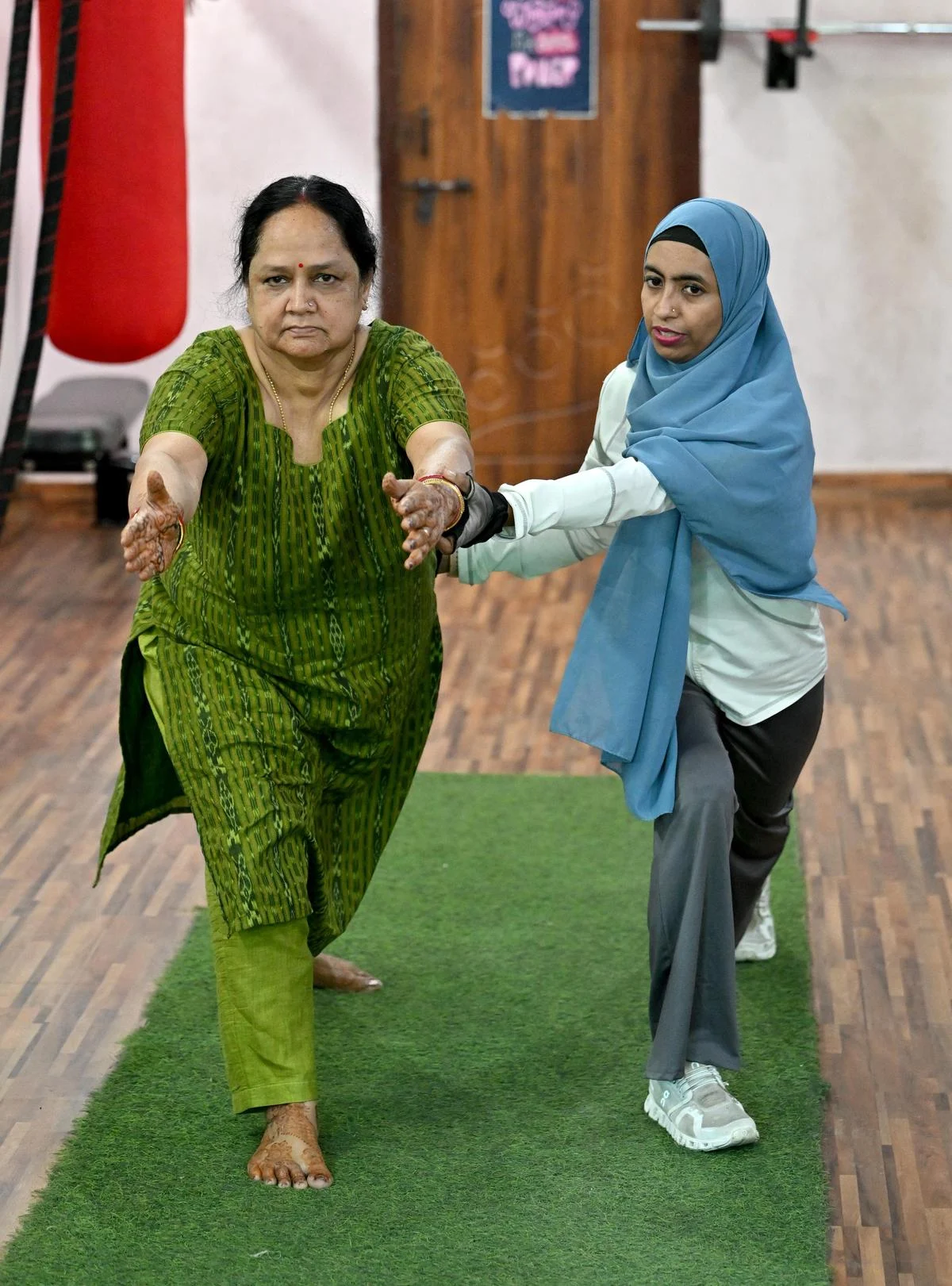
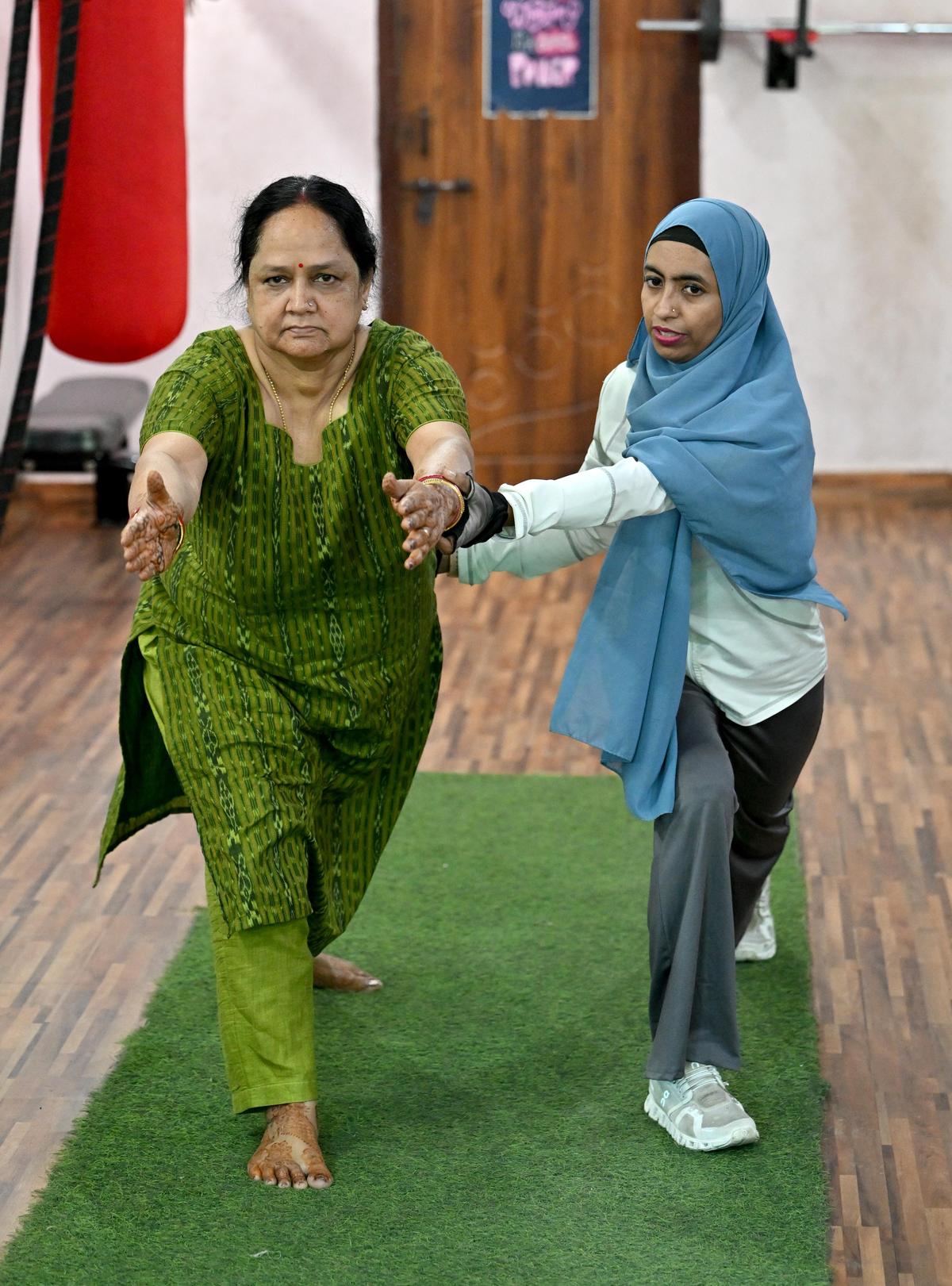
The shift towards mindful living is also reshaping the fitness landscape. At Fit With Fab, a women’s gym founded by Farzana Begum, there’s a discernible growing preference for strength training sessions that prioritize form, breathing, and consistency over sheer intensity.
"These sessions approach movement through the mind, body, and emotional state," Farzana explains. "They are not built around constant cardio or exhaustion." The clientele at Fit With Fab comprises women navigating various health concerns, hormonal transitions, or demanding professional lives. Farzana notes that these grounding workouts empower individuals to maintain a consistent fitness discipline without the risk of injury. "Women going through perimenopause or menopause cannot train the same way all year. Movement needs to adjust to the body’s changing requirements." This personalized and adaptive approach acknowledges the unique physiological needs of women, fostering a more sustainable and supportive fitness journey.
The gym’s programs incorporate challenges that extend beyond physical exertion, including nutrition resets, step goals, and lifestyle routines designed to cultivate sustainable habits. "Exercise does not need to be fast or punishing," Farzana asserts. "When people learn to listen to their bodies, anxiety reduces, and performance in daily life improves." The gym’s innovative New Year challenge, for instance, encourages participants to adhere to five simple rules over three months: follow a diet of their choice with zero alcohol, engage in two 45-minute workouts daily (including an outdoor session), maintain sufficient water intake, read 10 pages of non-fiction or self-development literature, and document daily progress with the help of a partner. This holistic approach underscores the understanding that true fitness encompasses mental, emotional, and physical well-being.
(To join the Fit With Fab community, individuals can reach out at 7338698707.)
Grounded Journeys: Embracing Terrain and Place-Based Knowledge
In the realm of travel, a departure from rushed, content-driven excursions is also underway. Wilded, a nature group, is meticulously designing treks in the Eastern Ghats near Visakhapatnam that place a premium on attention, learning, and the acquisition of place-based knowledge. Each walk and trek is thoughtfully structured to immerse participants in the agro-ecology of the region through slow, deliberate observation, rather than focusing on covering vast distances.
"We help people understand how agriculture and ecology intersect here," says Vimal Raj of Wilded. "We talk about what grows naturally, what people cultivate, and how the landscape supports both." Participants are encouraged to notice the intricate details often overlooked, from the delicate patterns of spider webs and the subtle nuances of bird calls to the texture of the soil and the play of shade. A self-guided, bingo-style exploration sheet ignites curiosity, prompting individuals to engage in conversations with local residents and farmers, thereby fostering a deeper connection with the community and its traditions.
A significant highlight of these treks is a visit to a seed museum near Araku. Here, participants are introduced to heirloom seed varieties meticulously preserved by local communities. This experience offers invaluable insights into native crops, traditional farming knowledge, and the age-old practice of seed saving, practices that predate the advent of commercial agriculture. "People are often surprised to see how many indigenous varieties exist, and how closely they are tied to climate, food habits, and culture," Vimal shares, underscoring the rich biodiversity and cultural heritage embedded within these seeds.
The culinary aspect of these journeys also becomes an integral part of the learning process. "We do not encourage packaged trekking meals," Vimal elaborates. "Local teams cook with participants, using regional ingredients." These unhurried, immersive treks are attracting individuals who seek to understand a landscape in its entirety, not merely traverse it, and to return with profound knowledge rather than just a collection of photographs. This approach to travel redefines the concept of exploration, prioritizing depth of understanding and authentic engagement over superficial sightseeing.

(For inquiries regarding Wilded’s immersive treks, contact them at 7330880274.)
The collective movement towards slow living in Visakhapatnam signifies a profound societal shift. It is a testament to the enduring human desire for genuine connection, mindful engagement with the world, and a deeper understanding of oneself and one’s surroundings. As the city continues to embrace these unhurried rhythms, it is not merely changing its pace, but enriching its very soul, fostering a more grounded, connected, and fulfilling way of life for its residents. This awakening to the value of time, attention, and presence promises to leave an indelible mark on Visakhapatnam’s cultural and social future.
