

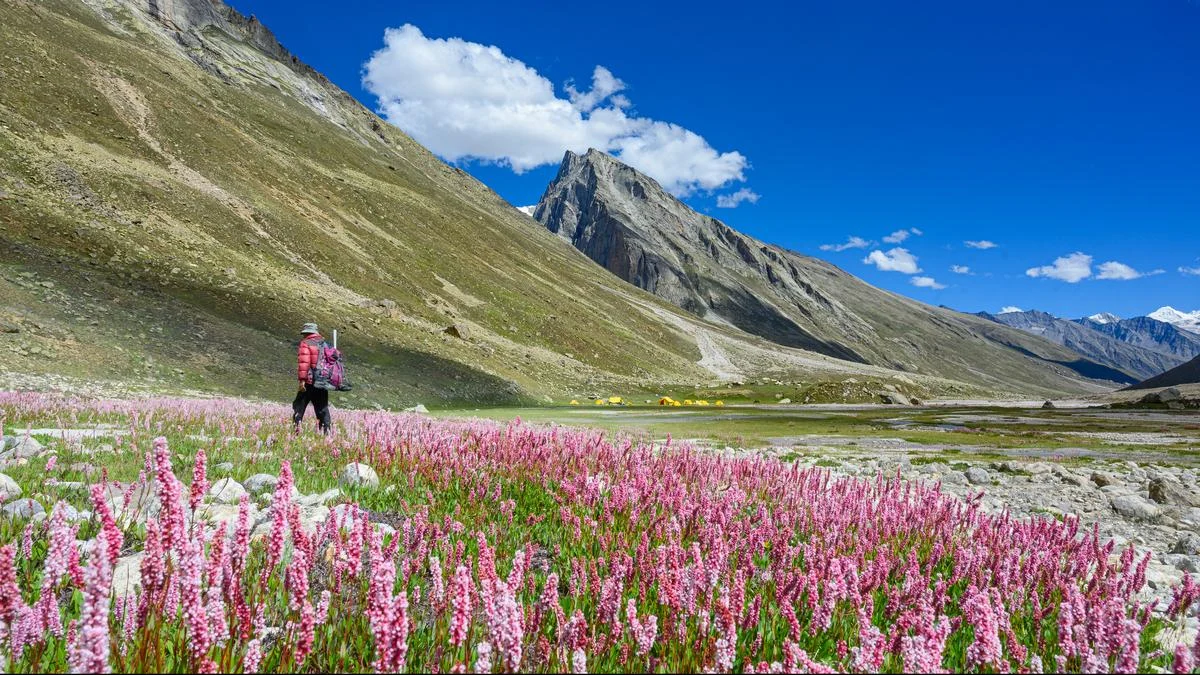
The high altitudes of the Indian subcontinent and the Himalayas are undergoing a vibrant transformation. As the monsoon mist recedes or settles into the valleys, a brief but spectacular window opens for "botanical tourism." From the volcanic plateaus of the Western Ghats to the rugged, rain-shadow valleys of Lahaul, the mountains are currently in various stages of bloom.
This year, travel experts and conservationists are noting a significant shift in trekking demographics. No longer just the domain of hardcore mountaineers, these "flower trails" are attracting a younger, eco-conscious cohort of travelers seeking immersive, slow-travel experiences. However, this surge in popularity brings with it a delicate balance between economic opportunity and ecological preservation.

The Seasonal Calendar: A Chronology of Blooms
Navigating the floral seasons requires precise timing, as many species bloom for only a few weeks. The following timeline represents the peak windows for South Asia’s most iconic floral treks:
- June – Early August: The Dzukou Lily takes center stage in Nagaland, while Hydrangeas begin to color the lower slopes of the Northeast.
- June – September: The "Monsoon Wildflowers" season in Nepal and the Hampta Pass in Himachal Pradesh. This is when Himalayan balsam, bistort, and blue poppies emerge.
- August – September: The Kaas Plateau in Maharashtra reaches its zenith, with over 170 species of wildflowers carpeting the basalt rock.
- October – November: The "Autumn Bloom" in Nepal, characterized by marigolds and cosmos, alongside the rhododendrons of the Japfu Peak in Nagaland.
- October – December: Clear mountain views in Nepal coincide with the cultural significance of marigolds during the Dashain and Tihar festivals.
Regional Deep Dives: Supporting Data and Destinations
1. The Volcanic Canvas: Kaas Plateau, Maharashtra
Located 25 kilometers from the northern reaches of the Koyana Sanctuary, the Kaas Plateau—popularly known as "Kas Pathar"—is a UNESCO World Heritage site. Unlike the lush soil of the Himalayas, this is a fossilized volcanic plateau.

Randhir Jaya Naidu, founder of Deccan Drifts, notes that the plateau is home to over 170 species of wildflowers, including the rare Karvi flower. The ecosystem here is fragile; the plants grow in a thin layer of soil over basalt rock. The trekking experience here is unique—rather than a vertical ascent, visitors traverse three distinct zones on a flat, high-altitude plain.
Economic Data: Guided day trips are currently priced at approximately ₹2,400 per head, providing vital revenue for the local Forest Department, which manages the shuttle services and zone access.

2. The Emerald Sanctuary: Dzukou Valley, Nagaland
The Dzukou Valley, straddling the border of Manipur and Nagaland, is famous for the endemic Dzukou Lily (Lilium chitrangadae). Khriebu Zhasa and Nino Zhasa, founders of Explore Nagaland, have watched the valley evolve from a local secret to a global destination.
Beyond the lily, the region offers a diverse botanical portfolio:

- Japfu Peak: Home to some of the world’s tallest rhododendron trees, blooming from October to April.
- Kigwema Village: Famous for June-July hydrangeas.
- Mosen View Point: A hotspot for cosmos in the late autumn.
The management of Dzukou has shifted toward a communal model. Camping in the valley is now restricted to designated sites to prevent environmental degradation, with options ranging from rustic dormitories to private cabins.
3. The Monsoon Underrated: The Nepal Highlands
While spring and autumn are the traditional trekking seasons in Nepal, Prashan Poudyal of Waves of Nature argues that the monsoon (June to September) is the country’s most underrated window.

Nepal hosts an estimated 6,000 species of flowering plants—nearly 3% of the global total—with 246 species endemic to the country. During the rains, regions like Khaptad National Park and the Langtang Valley erupt with Himalayan blue poppies, orchids, and Himalayan bistort. As the season transitions to autumn, the landscape shifts to a cultural bloom. Marigolds become ubiquitous, woven into the fabric of daily life and religious ceremonies.
4. The Great Crossover: Hampta Pass and Miyar Valley
Himachal Pradesh offers two contrasting floral experiences, according to Ravi Ranjan, Chief of Experience and Safety at Indiahikes.

- Hampta Pass (14,000 ft): Known as a "crossover trek," it transitions from the lush, mist-covered slopes of Kullu to the arid, desert-like terrain of Lahaul. In July, the valley becomes a "spectacular alpine garden" filled with pink Himalayan bistort, yellow Himalayan groundsel, and violet geraniums.
- Miyar Valley: Often called the "Yosemite of the Himalayas," this trek is defined by vastness. Lying in the rain shadow of the Pir Panjal range, its beauty is more subtle. The flora includes marsh marigolds and the elusive blue poppy, set against a backdrop of Buddhist gompas and glacial lakes.
Expert Insights: Conservation and the "UNESCO Effect"
While the rise in tourism has bolstered local economies, experts are raising alarms regarding ecological sustainability. The "UNESCO effect"—a surge in visitors following a World Heritage designation—has been particularly visible at the Kaas Plateau.
"The number of blooms has dropped sharply," Randhir Jaya Naidu warns. He attributes this to a combination of climate change and human interference. "Recent climate changes and rains continuing through September have affected the flowering cycle. Furthermore, people plucking flowers, littering plastic, and trampling flower beds for photographs have hampered the growth rate."

In Nagaland, the Zhasa sisters emphasize that "maintenance is a communal effort." The shift from wild camping to regulated campsites in Dzukou Valley was a direct response to the need for better waste management and soil preservation.
In the Himalayas, the challenge is more physical. Ravi Ranjan points out that the popularity of these treks often leads travelers to underestimate the terrain. "Rushing through high-altitude regions significantly increases the risk of Acute Mountain Sickness (AMS)," he notes, emphasizing that the "floral experience" should not come at the cost of safety.

Implications: The Future of Botanical Trekking
The enrichment of these trails suggests several long-term implications for the travel industry and the environment:
1. The Economic Shift
There is a clear move toward "hyper-local" tourism. Travelers are increasingly encouraged to use local guides and support village economies rather than booking through large, impersonal aggregators. This ensures that the financial benefits of tourism stay within the communities that protect these landscapes.

2. The Demographic Evolution
Prashan Poudyal notes a significant increase in trekkers from Southern and Western India (particularly Kerala and Maharashtra) visiting the Himalayas. This indicates a nationalizing of the trekking culture, which was previously dominated by North Indian or international travelers.
3. The Climate Reality
The flowering seasons are becoming less predictable. Trekkers are now advised to "go with the flow," as unseasonal rains can either delay a bloom or wash it out entirely. This requires a shift in traveler mindset—from a "checklist" approach to one of acceptance and environmental stewardship.

The Traveler’s Manual: Ethical Trekking Protocols
To ensure these valleys remain in bloom for future generations, travel organizations have established a strict code of conduct:
The Essential "Dos":

- Early Starts: Arrive at trailheads at dawn to minimize the impact of crowds and enjoy the best light for photography without trampling flora.
- Local Integration: Prioritize local guides who possess indigenous knowledge of the plant species.
- Self-Sufficiency: Carry reusable cutlery and avoid all packaged foods. The "Leave No Trace" policy is mandatory.
- Physical Preparation: High-altitude floral treks require a mix of cardio and strength training to handle the uneven, often slippery terrain.
The Mandatory "Don’ts":
- Acoustic Pollution: The use of loudspeakers or playing music on trails is strictly discouraged to avoid disturbing local wildlife and the serene trekking environment.
- Intoxicants: Consumption of alcohol or tobacco is prohibited on most organized treks due to health risks (dehydration/AMS) and environmental impact.
- Sanitary Waste: Wet wipes are discouraged due to their plastic content; hikers are urged to use biodegradable tissue or traditional methods.
- Route Deviation: Taking unknown routes for the sake of "exploration" can lead to the destruction of undiscovered micro-flora.
Conclusion
The seasonal blooms of India and Nepal are more than just a visual spectacle; they are a pulse check for the health of our high-altitude ecosystems. Whether it is the ₹2,400 day trip to Kaas or the ₹14,950 week-long expedition through Miyar Valley, the value of these treks lies in their ability to reconnect the modern traveler with the ephemeral beauty of nature. As we move into the 2026 season, the message from the mountains is clear: come and witness the bloom, but leave only footprints, and take only memories.
