

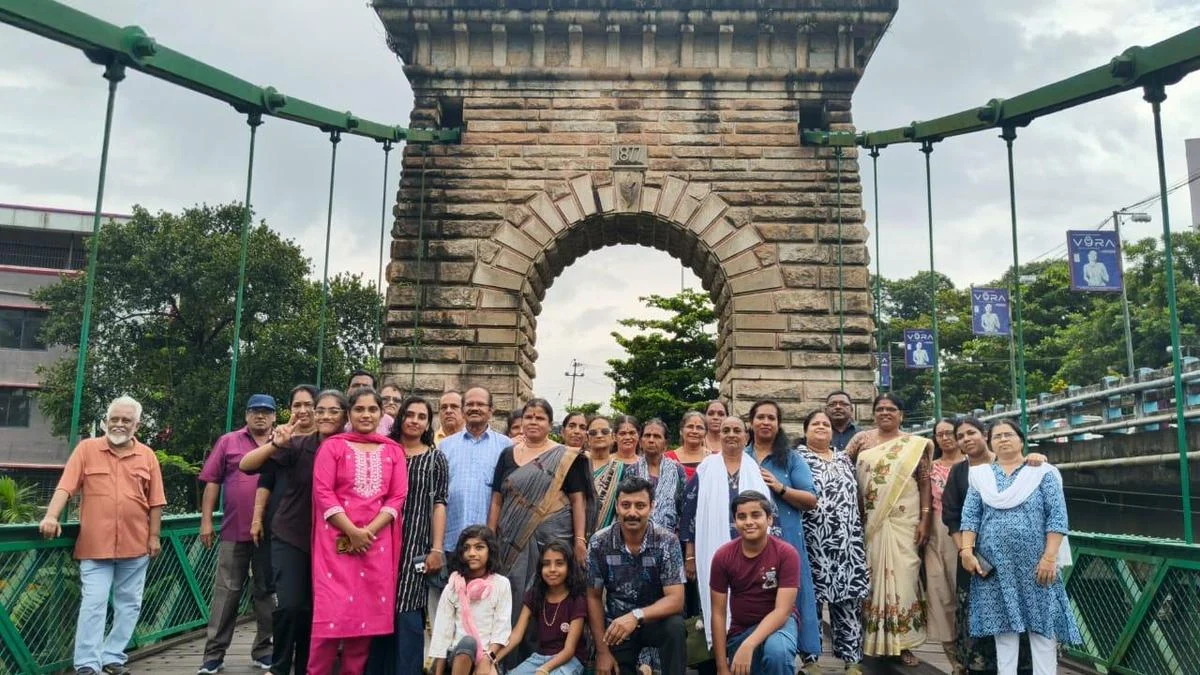
THIRUVANANTHAPURAM — In the traditional landscape of group travel, the journey typically ends when the bus returns to the depot. For most, the camaraderie shared between seatmates is a fleeting byproduct of a weekend excursion. However, a unique phenomenon is unfolding within the ripples of Kerala’s public transport sector. What began as a series of affordable sightseeing tours organized by the Kerala State Road Transport Corporation (KSRTC) has evolved into a self-sustaining social ecosystem known as Yathra Kudumbam (Travel Family).
This collective, now boasting over 300 members, represents a significant shift in how domestic tourism is consumed and organized in South India. It is a story of how a cash-strapped state utility found a soul in its passengers, and how those passengers, predominantly senior citizens, found a new lease on life through the windows of a red-and-yellow transport bus.
I. Main Facts: A New Model of Participatory Tourism
Yathra Kudumbam is not a travel agency, nor is it a formal wing of the government. Instead, it is a grassroots community born from the Budget Tourism Cell (BTC), a specialized vertical of the KSRTC launched to leverage the corporation’s fleet for tourism during off-peak hours.
The group’s operational model is a hybrid of public infrastructure and private initiative. While the BTC provides the standard itinerary for most citizens, Yathra Kudumbam has moved toward a "bespoke" model. The members collectively decide on off-beat destinations—often locations tucked away in deep forest reserves or tribal hamlets that are not part of the standard KSRTC tour catalog. Once a destination is finalized, they utilize the BTC’s "charter" provision to book a dedicated KSRTC bus, ensuring that the revenue stays within the public sector while the passengers enjoy a curated experience.
The group is anchored by two pivotal figures: Thomas TC, a Level 10 Google Local Guide whose expertise in mapping and reviews provides the logistical backbone for scouting new locations, and Sajith S, a KSRTC conductor from the Thiruvananthapuram city depot. Sajith’s role transcends that of a government employee; he acts as a facilitator, safety coordinator, and bridge between the state machinery and the aspirations of the travelers.
II. Chronology: From State Initiative to Social Movement
The Genesis (The BTC Era)
The story began in the post-pandemic recovery phase when the KSRTC, facing severe financial headwinds, sought to diversify its income streams. The Budget Tourism Cell was established to offer low-cost travel packages to the common man, focusing on temple circuits, hill stations, and historical monuments.
Among the thousands who signed up for these initial trips were a core group of individuals who found that their shared interests went beyond mere sightseeing. Many were retirees, former government officials, and solo travelers seeking companionship.

The Formation of the "Family"
As the frequency of BTC trips increased, a recurring cast of characters began to emerge. By early 2023, the bond between these regular commuters had strengthened to the point where the standard itineraries felt restrictive. They wanted to see the "unseen" Kerala—the interiors of the Western Ghats and the remote riverside hamlets.
The group officially solidified into "Yathra Kudumbam," creating a digital and social network to coordinate their own adventures. Their first major independent foray was to Bonacaud, the rugged base camp for the Agasthyarkoodam trekking trail. Known for its misty tea estates and the ruins of colonial-era bungalows, Bonacaud set the tone for the group’s future: adventurous, nature-centric, and deeply social.
Recent Milestones
Over the past year, the group has completed more than 10 major expeditions. These include:
- The Malarikkal Lily Bloom: A seasonal pilgrimage to Kottayam to witness the vast expanses of pink water lilies.
- The Vallasadya at Aranmula: A cultural immersion into the ritualistic feast of the Sree Parthasarathy Temple, where the group participated in the traditional reception of the snake boats.
- The Mayamkadavu Onam Celebration: A recent highlight where 60 members gathered at a riverside destination near Amboori. The event featured traditional sadya (feasts), country boat rides, and a campfire, marking the group’s transition from a travel club to a support network.
III. Supporting Data: The Demographics of Connection
The success of Yathra Kudumbam is backed by compelling demographic and economic trends within the Kerala tourism sector.
1. The Senior Citizen Factor
Approximately 70% of the group’s 300+ members are senior citizens. In a state with a rapidly aging population and a high rate of youth out-migration (the "Gulf phenomenon"), social isolation among the elderly is a growing concern. Yathra Kudumbam provides a "third space" outside of the home and the clinic. The presence of notable figures, such as Rosario, the former personal secretary to late President APJ Abdul Kalam, underscores the group’s appeal to intellectuals and retired professionals.
2. Economic Efficiency
By booking through the KSRTC BTC, the group keeps costs significantly lower than private tour operators. A typical one-day excursion costs between ₹600 to ₹1,000 per head, including transport and basic permits. This affordability allows members to travel monthly rather than once a year.
3. Geographic Diversity
The group’s itinerary reflects a sophisticated understanding of Kerala’s geography. Their visits to Kumbhavurutty waterfalls, Attayar, and the Achankovil river demonstrate a pivot toward "Slow Tourism," where the objective is environmental appreciation rather than ticking off "bucket list" landmarks.

IV. Official Responses: The KSRTC Perspective
The KSRTC administration has viewed the emergence of Yathra Kudumbam as a "win-win" scenario. While the corporation has often struggled with labor disputes and aging fleets, the Budget Tourism Cell has been a rare bright spot of innovation.
Sajith S, the conductor and coordinator, notes that the relationship is built on mutual trust. "It is heartening to note how the passengers became close to each other. They reached a point where they wanted to explore locations nestled within forest areas that aren’t on the standard BTC map. Since I had been their coordinator for many official trips, they requested me to continue guiding them. It’s no longer just a job; it’s a community service," Sajith stated.
Official BTC spokespersons have indicated that such groups help the KSRTC maximize the utility of their "Super Fast" and "Low Floor" buses during weekends when student ridership and office commutes are low. The "Yathra Kudumbam" model is now being studied as a potential template for other districts to encourage "Chartered Community Tourism."
V. Implications: Sociological and Environmental Impact
The rise of Yathra Kudumbam carries broader implications for the future of travel in the region.
1. Mental Health and Geriatric Care
Sociologists point to Yathra Kudumbam as a successful model for "active aging." By engaging in physically demanding activities like trekking in Braemore Estate or navigating the rocky paths of Peppara, senior members maintain physical mobility and cognitive alertness. The emotional support found in the group—celebrating birthdays, festivals like Onam, and witnessing celestial events like the moonrise over Puralimala Hills together—acts as a buffer against depression and loneliness.
2. Promotion of Hidden Gems
The group acts as an unofficial marketing arm for the Kerala Tourism Department. Thomas TC’s role as a Level 10 Google Guide ensures that these remote locations—like the Podiyakkala tribal hamlet—receive digital visibility. This brings sustainable footfall to local vendors and eco-development committees (EDCs) in forest areas who might otherwise be overlooked by mainstream tourism.
3. The "Neelakkurinji" and Seasonal Tourism
The group’s upcoming schedule highlights their focus on ecological phenomena. Their planned trip to Chokramudi on September 25 is specifically timed for the blooming of the Neelakkurinji (Strobilanthes kunthiana). This flower, which famously carpets the Western Ghats in blue once every 12 years (though some varieties bloom more frequently), attracts global attention. Having a disciplined, state-supported group visit these sensitive areas ensures that tourism remains regulated and environmentally conscious.

4. Public Sector Loyalty
In an era of privatization, Yathra Kudumbam reinforces the relevance of the KSRTC. It proves that public utilities can foster deep brand loyalty if they adapt to the emotional and social needs of the citizenry. The "Travel Family" doesn’t just want a bus; they want their KSRTC bus, driven by familiar faces and managed by staff who have become friends.
Conclusion: The Road Ahead
As Yathra Kudumbam prepares for its ambitious October schedule and its immediate treks to the 900-acre Braemore Estate and the Peppara Wildlife Sanctuary, the group stands as a testament to the power of shared experiences.
In the heart of Kerala, the "Ananthapuri" buses are no longer just carrying laborers and students; they are carrying a community of explorers who have proven that it is never too late to find a new family or a new horizon. For the 300 members of Yathra Kudumbam, the destination is merely an excuse; the true journey is the seat shared with a friend.
Contact Information for Inquiries:
- 9447148504
- 9072727254
This report was enriched with details regarding the sociological impact of senior citizen travel and the logistical framework of the KSRTC Budget Tourism Cell.
