

MADURAI — In the labyrinthine streets of Madurai, a city where the air is traditionally thick with the aroma of spicy kari dosas, roasted mutton, and the flaky, buttery layers of Parotta, a new olfactory signature is beginning to take hold. At Phil’s Bistro, located in the burgeoning culinary hub of KK Nagar, the pungent zest of galangal, the citrusy punch of kaffir lime, and the soothing creaminess of coconut milk are challenging the long-standing hegemony of traditional South Indian spices.
The ongoing Thai Food Festival at Phil’s Bistro represents more than just a seasonal menu change; it is a calculated cultural infusion. For a city that prides itself on a thousand-year-old culinary heritage, the introduction of authentic Thai staples like Tom Yum and Massaman Curry marks a significant shift in the local gastronomic landscape.
Main Facts: A Bold Venture into Pan-Asian Authenticity
Phil’s Bistro, a boutique eatery that has carved a niche for itself by offering global flavors in a cozy, minimalist setting, is currently hosting a festival dedicated to the nuanced flavors of Thailand. Founded by Philip Abraham, the bistro’s mission is to move beyond the "Indianized" version of Chinese and Asian food—often colloquially termed "Manchurian style"—and instead present the authentic, balanced profiles that define Southeast Asian cooking.
The festival features a curated selection of dishes that span the four pillars of Thai taste: sweet, sour, salty, and spicy. To maintain the integrity of these flavors, the bistro has bypassed local substitutes, opting instead to import essential pastes, sauces, and aromatics directly from Thailand. This commitment to authenticity is a rarity in Tier-2 Indian cities, where logistical hurdles often lead to diluted recipes.
Key Highlights of the Festival:
- Location: 444, 9th Main Rd, Managiri, KK Nagar, Madurai.
- Price Point: Approximately ₹1500 for a meal for two, positioning it as an accessible premium dining experience.
- Signature Dishes: Shrimp in a Blanket, Massaman Curry, and the iconic Tub Tim Krob (Red Ruby) dessert.
- Strategic Goal: To educate the Madurai palate on the diversity of global cuisines beyond traditional staples.
Chronology: A Multi-Sensory Journey Through the Menu
The experience at Phil’s Bistro is designed to be a progressive journey through the Thai landscape. The meal typically begins with the foundational element of Thai dining: the soup.
The Opening Act: Soups and Starters
The festival offers two distinct paths for the palate. The Tom Yum soup, available with chicken or prawn, serves as a fiery introduction. It is a clear, spicy, and sour broth that acts as a palate cleanser, awakening the taste buds with its high notes of lemongrass. In contrast, the Tom Kha soup provides a velvety alternative, utilizing a rich coconut milk base that mellows the heat of the chilies while highlighting the earthy tones of galangal.
Following the soups, the appetizers arrive with a focus on texture. The "Shrimp in a Blanket" has quickly emerged as a crowd favorite. The dish involves succulent prawns wrapped in a delicate pastry sheet and deep-fried to a precise golden hue. The result is a sensory contrast—a resounding crunch on the outside that gives way to a tender, juicy interior. For vegetarians, the Thai-style tofu offers a similar play on textures, tossed in a light, savory glaze that avoids the heaviness often associated with deep-fried appetizers.
The Main Event: Balancing Complexity
As the meal progresses to the main course, the bistro showcases the complexity of Thai curries. The Massaman Curry is the centerpiece here. Historically a dish influenced by Persian traders, it is milder than the green or red varieties, featuring a nutty, cardamom-infused profile. At Phil’s, the curry is served with a depth of flavor that suggests a slow-cooking process, allowing the spices to permeate the proteins thoroughly.
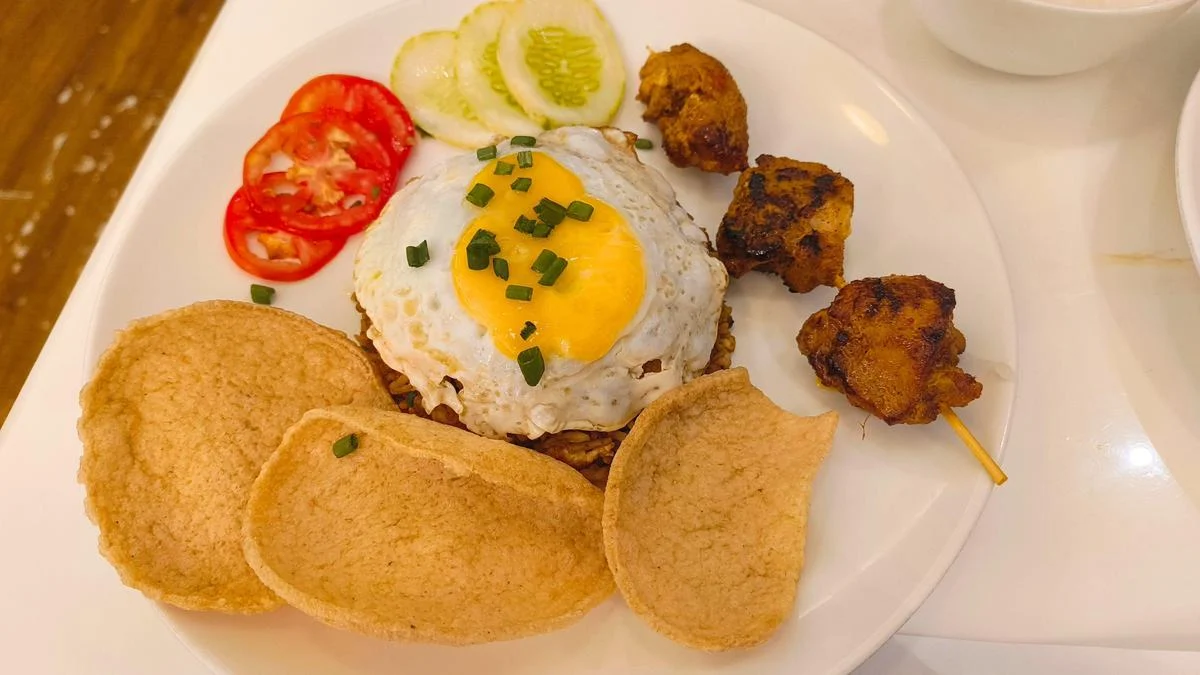
Complementing the curries is a stir-fry of Shiitake mushrooms and tofu, providing an umami-rich vegetarian option that doesn’t feel like an afterthought. However, the true showstopper for many diners is the Nasi Goreng. While technically of Indonesian and Malay origin, its inclusion in the Thai festival highlights the regional interconnectedness of Southeast Asian maritime trade. The bistro’s version is a colorful assembly of seafood-rich fried rice, topped with a perfectly prepared half-boiled egg and served with keropok (Thai crackers), providing a meal that is as visually striking as it is flavorful.
The Sweet Conclusion
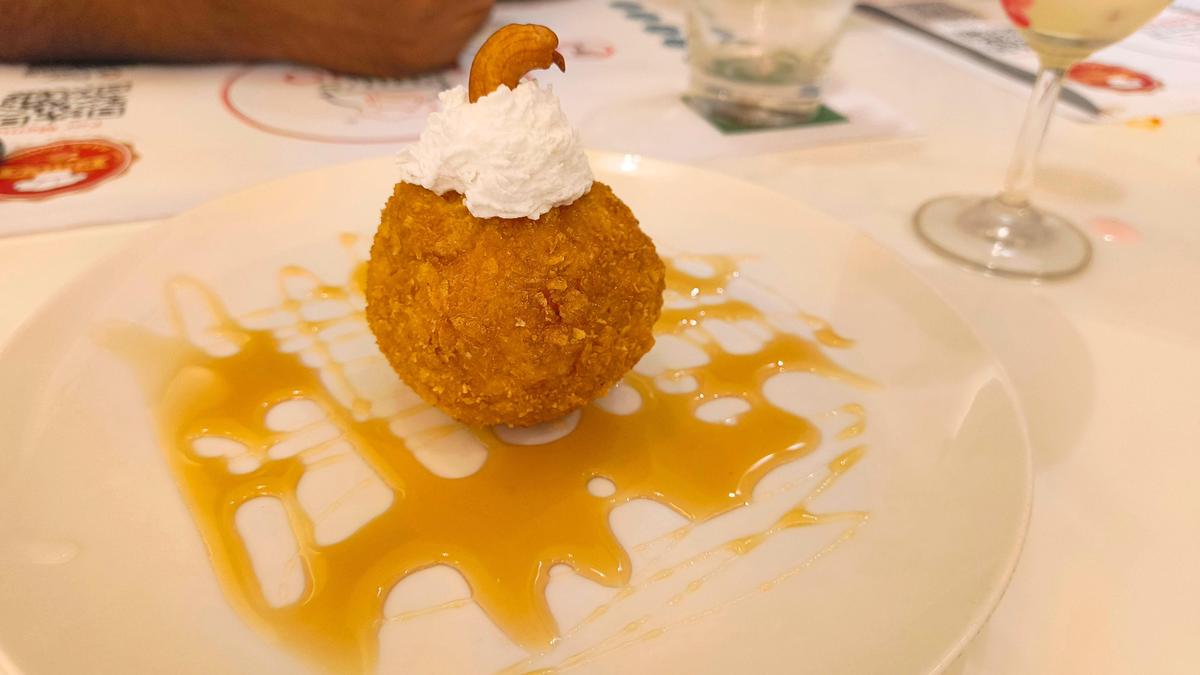
The meal concludes with a choice between two extremes of the dessert spectrum. The Tub Tim Krob, or "Red Ruby," is a sophisticated endnote. It consists of crunchy water chestnuts soaked in red syrup, served in chilled coconut milk. It is a dish defined by subtlety and is ideal for those who find traditional Indian sweets overwhelmingly sugary. For those seeking indulgence, the "Crispy Fried Ice Cream" provides a theatrical finish—a hot, breaded shell protecting a core of frozen vanilla, embodying the "fire and ice" theme that mirrors the complexity of Thai cuisine itself.
Supporting Data: The Logistics of Flavor
The success of a specialized food festival in a city like Madurai depends heavily on supply chain management. According to industry data, the demand for authentic international ingredients in Tamil Nadu’s Tier-2 cities has seen a 25% year-on-year increase. However, sourcing remains a challenge.
Philip Abraham’s decision to import sauces and pastes is a response to the "localization" trap. Many restaurants use local ginger instead of galangal or lemon zest instead of kaffir lime, which fundamentally alters the chemical profile of the dish. By using imported galangal, bird’s eye chilies, and shrimp paste, Phil’s Bistro ensures that the umami—the savory fifth taste—is present in every bite.
Furthermore, the pricing strategy of ₹1500 for two is a critical data point. In the context of Madurai’s economy, this places the bistro in the "bridge-to-luxury" category. It is high enough to signal quality and exclusivity, yet low enough to attract the city’s growing demographic of young professionals and well-traveled families.
Official Responses: The Vision of Philip Abraham
In an exclusive interaction, Philip Abraham, the founder of Phil’s Bistro, reflected on the challenges and motivations behind the festival.
"Madurai is a city with a very strong culinary identity, but it is also a city that is beginning to look outward," Abraham stated. "We introduced this Thai festival because we realized that while locals are adventurous eaters, they haven’t had much exposure to authentic Thai flavors. Most of what is available is a fusion that loses the soul of the original dish."

Abraham emphasized the educational aspect of the bistro. "We aren’t just serving food; we are introducing a new vocabulary of taste. When we explain why the Massaman is different from a local mutton curry, or why we use coconut milk in a savory soup, we are building a more informed foodie community. The response has been encouraging. People are moving past their comfort zones and embracing the heat and the herb-forward nature of these dishes."
Staff at the bistro also noted that the Nasi Goreng and Red Ruby have been the most photographed dishes, suggesting that "visual appeal" is a significant factor in the festival’s popularity among the city’s Gen Z and Millennial diners.
Implications: Madurai’s Evolving Culinary Identity
The arrival of a dedicated Thai food festival in KK Nagar carries several broader implications for the city of Madurai:
- Diversification of the Economy: The success of such ventures signals to investors that Madurai is ready for more diverse hospitality offerings. It moves the city away from being purely a "temple town" destination and toward being a modern urban center with a cosmopolitan lifestyle.
- The "Glocal" Shift: We are witnessing the "Glocalization" of Madurai. While the residents will always cherish their Idiyappam and Salna, there is now a parallel space for global standards. This creates a healthy competition that forces local restaurateurs to innovate in terms of hygiene, presentation, and service.
- Culinary Tourism: Festivals like this can attract visitors from neighboring districts like Dindigul, Sivakasi, and Virudhunagar, who travel to Madurai specifically for international dining experiences that are unavailable in their home districts.
- Health Trends: Thai cuisine, known for its use of fresh herbs, steamed vegetables, and lean proteins, aligns with the rising health consciousness among urban Indians. The shift from heavy, oil-based curries to herb-infused broths reflects a changing lifestyle priority.
Conclusion: A New Chapter for the City of Nectar
As the Thai Food Festival continues at Phil’s Bistro, it serves as a testament to the changing palate of Madurai. The city, often called "Thoonga Nagaram" (The City that Never Sleeps), is waking up to a world of flavor that exists far beyond its borders.
By prioritizing authenticity over adaptation, Philip Abraham and his team are not just serving meals; they are fostering a cultural exchange. For the price of a standard dinner, residents of Madurai can briefly transport themselves to the bustling streets of Bangkok or the serene shores of Koh Samui. As the "Red Rubies" glisten in their bowls of coconut milk and the steam rises from a fresh bowl of Tom Yum, it is clear that Madurai’s food scene is no longer just about tradition—it is about the exciting, spicy, and flavorful future.
If You Go:
- What: Thai Food Festival
- Where: Phil’s Bistro, KK Nagar, Madurai
- Must-Try: Shrimp in a Blanket, Massaman Curry, Tub Tim Krob
- Budget: ₹1500 for two (approx.)
