

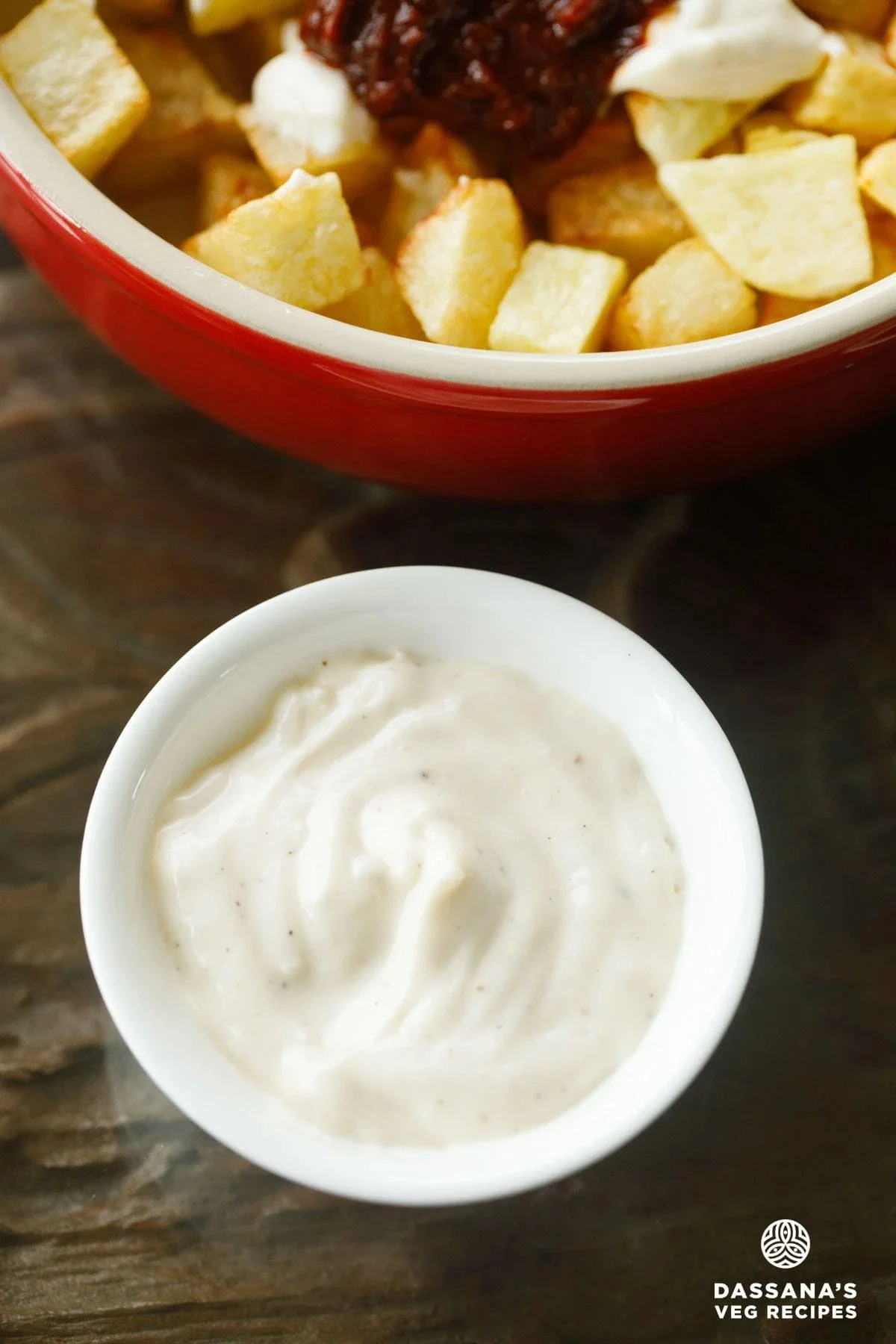
NEW DELHI – In an era where the boundary between professional gastronomy and home cooking continues to blur, the demand for accessible yet sophisticated condiments has reached a new zenith. Leading vegetarian culinary expert and Le Cordon Bleu-trained pastry chef, Dassana Amit, has recently released a refined blueprint for "Garlic Aioli," a cornerstone of Mediterranean cuisine. By pivoting away from the labor-intensive traditional emulsion of oil and garlic, Amit’s latest iteration utilizes a high-quality mayonnaise base, signaling a shift toward "quick-gourmet" solutions that do not sacrifice depth of flavor for speed.
The release of this recipe comes at a time when home cooks are increasingly seeking "fridge-staple" transformations—methods to elevate simple meals like roasted vegetables or sandwiches into restaurant-quality experiences with minimal equipment.
Main Facts: Redefining the Emulsion Standards
The newly unveiled Garlic Aioli recipe is characterized by its minimalist composition, requiring only four primary ingredients: mayonnaise, fresh garlic, lemon juice, and black pepper. While traditional aioli (historically allioli in Catalan or aïoli in Provençal) relies on the mechanical emulsion of garlic cloves and olive oil—a process that is notoriously temperamental and physically demanding—Amit’s version leverages the stable emulsion of existing mayonnaise to create a foolproof alternative.

Key Specifications of the Recipe:
- Base Component: 1/2 cup of high-quality or homemade mayonnaise.
- Aromatic Profile: 1/2 teaspoon of finely minced fresh garlic.
- Acidity Regulator: 1 teaspoon of fresh-pressed lemon juice (explicitly excluding bottled concentrates).
- Seasoning: 1/4 teaspoon of freshly cracked black pepper.
- Preparation Time: Approximately 3 to 5 minutes of active labor.
- Critical Phase: A mandatory 10-to-15-minute "resting period" to allow for enzymatic garlic infusion.
This "Go-To" version intentionally omits extra virgin olive oil, a common addition in many modern mayo-based aiolis. Chef Amit argues that the inherent richness of the mayonnaise provides sufficient lipid content, and the omission keeps the recipe streamlined and accessible for those who may find the bitterness of some olive oils distracting in a delicate dip.
Chronology: From Ancient Mortars to Modern Tables
The evolution of aioli is a testament to the migration of flavors across the Mediterranean basin. To understand the significance of Amit’s simplified version, one must look at the timeline of the sauce’s development.
The Ancient Origins (Pre-19th Century)
The roots of garlic-and-oil emulsions trace back to Roman times, potentially influenced by Egyptian garlic pastes. In the Mediterranean regions of Spain (specifically Catalonia and Valencia) and Southern France (Provence), the mortier et pilon (mortar and pestle) was the only tool available. The process involved crushing garlic into a fine paste and adding olive oil drop by drop until a thick, creamy clouds of sauce formed. This was a test of patience and skill; if the oil was added too quickly, the sauce would "break" or separate.

The Rise of "Cheat" Aioli (Mid-20th Century)
With the commercialization of shelf-stable mayonnaise in the 20th century, chefs began to realize that the egg-yolk base of mayonnaise acted as a powerful emulsifier. This allowed for the creation of "garlic mayonnaise," which many menus began labeling as "Aioli" for marketing purposes. While purists initially resisted, the convenience of this method made it a staple in bistros across the globe.
The Contemporary Refinement (2020s)
In the current culinary landscape, the focus has shifted toward "clean" shortcuts. Dassana Amit’s contribution to this timeline involves the optimization of ratios. Her methodology emphasizes the "resting period"—a step often skipped in fast-food environments—reintroducing a level of artisanal patience to a high-speed recipe. By documenting this process for a global audience through Veg Recipes of India, Amit has formalized a standard for home-made condiments that bridges the gap between traditional intensity and modern convenience.
Supporting Data: The Science of Infusion and Nutrition
The effectiveness of Amit’s Garlic Aioli is rooted in food chemistry, specifically the behavior of allicin in garlic and the pH-balancing properties of citrus.

The Chemistry of the "Rest"
When garlic is minced, the enzyme alliinase converts alliin into allicin, the compound responsible for garlic’s signature pungency. In Amit’s recipe, the instruction to let the sauce rest for 15 minutes is scientifically significant. During this time, the allicin permeates the fat globules of the mayonnaise. Because fat is an excellent carrier for flavor, this resting period rounds out the "sharp" bite of raw garlic, resulting in a more cohesive and mellow profile that does not overwhelm the palate.
Nutritional Profile (Per Serving)
Based on a standard serving size calculated for the recipe, the nutritional density is as follows:
| Metric | Value |
|---|---|
| Calories | 242 kcal |
| Total Fat | 24 g |
| Saturated Fat | 3 g |
| Sodium | 213 mg |
| Carbohydrates | 3 g |
| Protein | 0.1 g |
| Vitamin C | 1 mg |
The data indicates that while the sauce is calorically dense due to its lipid base, it remains extremely low in carbohydrates and sugars, making it compatible with various dietary frameworks, including ketogenic and low-carb diets, provided the mayonnaise base is compliant.

Ingredient Integrity
Amit’s insistence on "freshly cracked pepper" and "fresh lemon juice" is supported by volatile oil analysis. Bottled lemon juice often contains preservatives like sodium metabisulfite, which can introduce a metallic aftertaste when reacted with raw garlic. Fresh lemon juice provides citric acid that brightens the heavy fats of the mayonnaise, acting as a necessary "cleanser" for the taste buds between bites of fried or roasted foods.
Official Responses: A Chef’s Philosophy
Dassana Amit, a veteran chef with over 16 years of experience in documenting vegetarian cuisine, provided insights into the development of this specific formula. Her approach is rooted in the belief that vegetarian cooking should be "honest and soulful," utilizing techniques that maximize the potential of simple ingredients.
"Whenever I need a quick dipping sauce or sandwich spread, this is the garlic aioli I make," Amit stated. "I don’t add extra virgin olive oil to this recipe. Since the mayonnaise already provides a rich and creamy texture, I find it unnecessary and prefer to keep the recipe simple."

Amit further emphasized the importance of hygiene and storage, noting that because the recipe contains raw garlic and lemon juice, its shelf life is shorter than commercial condiments. "Store garlic aioli in an airtight container in the refrigerator for up to 1 to 2 days," she advised. "Always use a clean spoon while serving. Do not leave it at room temperature for long periods."
Culinary critics note that Amit’s background—trained at Le Cordon Bleu in plant-based patisserie—informs her precision. Even in a four-ingredient sauce, the emphasis on "finely minced" garlic and "evenly combined" textures reflects a professional standard adapted for the domestic kitchen.
Implications: The Impact on the Home Dining Experience
The release of this streamlined Garlic Aioli has broader implications for the "DIY" food movement and the democratization of gourmet flavors.

Versatility in Pairing
The recipe’s success lies in its versatility. Amit suggests a wide array of applications that move beyond the traditional Spanish Patatas Bravas. These include:
- Modern Appetizers: Peri Peri fries, crispy cauliflower, and onion rings.
- Main Courses: A spread for veggie burgers and wraps like Shawarma.
- Healthy Alternatives: A dip for roasted or grilled Mediterranean vegetables and steamed corn.
The Rise of "Condiment Culture"
Social media trends have shown a massive uptick in "sauce-focused" content. Consumers are no longer satisfied with standard ketchup or mustard; they seek complex flavor profiles. By providing a 5-minute solution to a complex sauce, Amit is empowering home cooks to reject highly processed, preservative-laden store-bought dips in favor of fresh, customizable alternatives.
Economic and Practical Efficiency
In an inflationary food market, the ability to create high-value condiments from basic pantry staples like mayonnaise and garlic represents a significant cost saving for families. Furthermore, the lack of "special equipment" (like blenders or food processors) required for this recipe makes it accessible to students, travelers, and those with minimalist kitchens.

Conclusion
Dassana Amit’s Garlic Aioli is more than just a recipe; it is a clinical study in culinary simplification. By respecting the history of the Mediterranean original while embracing the efficiency of modern ingredients, she has provided a blueprint that is likely to become a standard reference for vegetarian and mainstream home cooks alike. As the culinary world continues to prioritize "slow flavor" through "fast methods," such recipes serve as the essential bridge between tradition and the contemporary lifestyle.
