

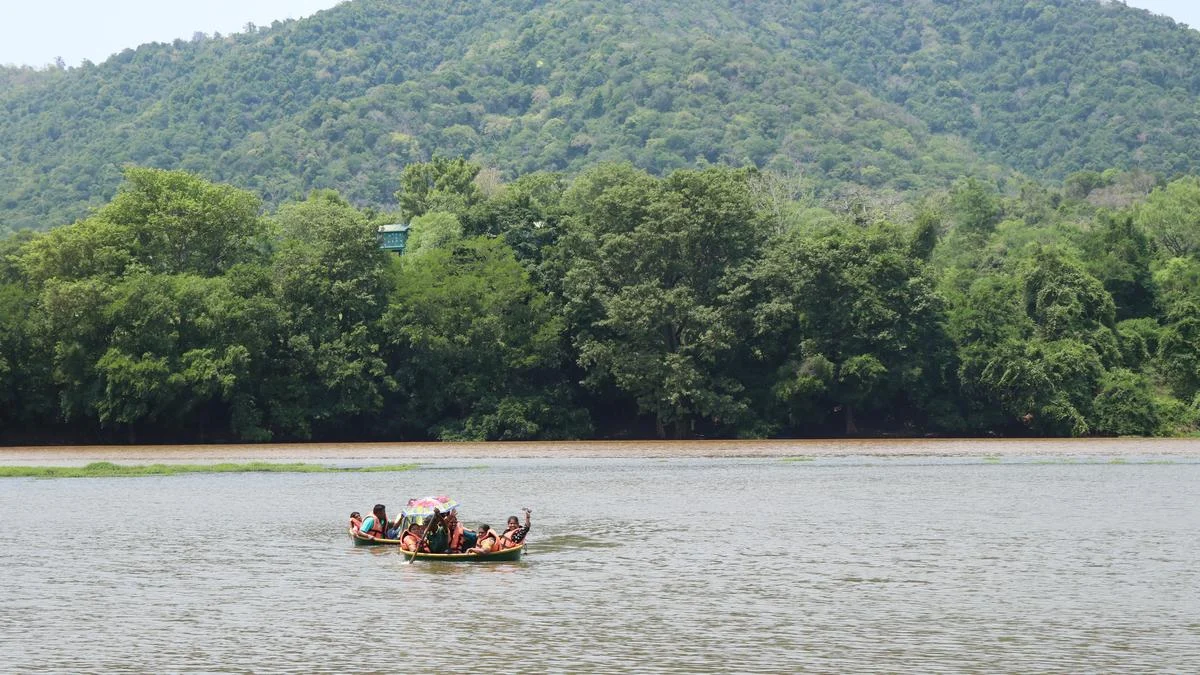
COIMBATORE – As the morning sun pierces through the mist of the Western Ghats, a two-hour drive from the bustling industrial hub of Coimbatore leads to a sanctuary where the rhythm of nature dictates the pace of life. Baralikadu, a serene eco-tourism destination nestled within the Karamadai Forest Range, has emerged as a gold standard for community-based conservation in Tamil Nadu. What began as a modest experiment in 2007 has now flourished into a multi-million rupee enterprise that balances environmental integrity with the socio-economic upliftment of the indigenous Irula tribes.
Main Facts: A Symphony of Nature and Community
Baralikadu is situated approximately 70 kilometers from Coimbatore, serving as a primary catchment area for the River Bhavani and the backwaters of the Pilloor Dam. The destination offers a curated experience that includes coracle rides, traditional tribal cuisine, and cultural performances, all managed by the local community in partnership with the Tamil Nadu Forest Department.
The project’s success is rooted in its "minimal impact" philosophy. Unlike commercial tourist spots, Baralikadu enforces a strict daily cap of 250 visitors, primarily on weekends, to ensure the fragile ecosystem remains undisturbed. The revenue generated—exceeding ₹7.5 crores since its inception—is systematically reinvested into tribal welfare, anti-poaching initiatives, and the mitigation of human-animal conflicts. For the 100-plus tribal families involved, the project has provided a steady monthly income ranging from ₹25,000 to ₹30,000, effectively ending their total dependence on precarious forest labor.

Chronology: From Survival Necessity to Sustainable Tourism
The story of Baralikadu is one of transformation. For generations, the Irula community viewed the River Bhavani and the dense forests of Karamadai through the lens of survival. Coracles (round, lightweight boats) were not a leisure activity but a vital mode of transport. For residents of remote hamlets like Poochamarathur, a 10-minute coracle crossing across the Bhavani was the only alternative to a grueling 20-kilometer trek by road to reach the nearest market or medical facility.
2007: The Genesis
The turning point came in 2007 under the vision of I. Anwardeen, then a senior forest official and currently the Principal Chief Conservator of Forests (Research and Education) in Chennai. Recognizing the breathtaking beauty of the landscape and the inherent skills of the tribal population, the Forest Department invested a seed capital of approximately ₹2 lakhs. The objective was clear: create a sustainable alternative income source to reduce the community’s pressure on forest resources.
2010–2020: Scaling the Model
Over the next decade, the project evolved from a weekend getaway into a structured eco-tourism model. The traditional bamboo and coconut frond coracles were replaced with modern fiber versions equipped with safety features and life jackets. The "Thamarai Self-Help Group" (SHG) was formed to manage the culinary aspect, while cultural troupes were organized to preserve and showcase Irula heritage.

2024: A Proven Success
Today, Baralikadu stands as a self-sustaining ecosystem. The digital age has brought online bookings and a global reputation, yet the core values of the 2007 initiative remain intact.
Supporting Data: The Socio-Economic Engine
The impact of Baralikadu is best understood through the data that underscores its operations. The initiative supports over 100 families across 20 tribal settlements.
Economic Metrics:
- Total Revenue Generated: Over ₹7.5 Crores.
- Average Family Income: ₹25,000 – ₹30,000 per month (for active participants).
- Initial Investment: ₹2 Lakhs (Return on investment: 375x).
- Visitor Cap: 250 persons per day (strictly enforced).
The Coracle Economy:
A dedicated team of 20 coracle operators, led by veterans like S. Nanjan, manages the water-based activities. Each 45-minute ride is more than a transit; it is an educational tour. Operators are trained to identify wildlife, from the Lesser Golden-backed Woodpecker to signs of elephant movement, turning every trip into a lesson in biodiversity.

Culinary and Cultural Infrastructure:
The Thamarai SHG utilizes traditional cooking methods—firewood stoves and ammikal (hand-grinding stones)—to serve authentic meals. The menu highlights local biodiversity, featuring kanthari (bird’s eye chillies), wild sweet potatoes, and foraged greens. This not only provides income but also creates a market for forest produce that was previously only for subsistence.
Official Responses: The Philosophy of Co-existence
The success of Baralikadu is attributed to the "partnership model" between the state and the people.
Joseph Stalin, the Karamadai Forest Range Officer, emphasizes the long-term vision of the project. "The idea was simple but profound," Stalin says. "If we wanted the forests to remain sustainable for future generations, we had to create alternative sources of income that didn’t involve depleting the forest’s natural wealth. We are not just selling a boat ride; we are selling a model of conservation."

I. Anwardeen, the architect of the project, recalls the moment of inspiration during an early inspection. "The crossing was effortless, and the landscape was breathtaking. Seeing women carrying babies while rowing coracles with remarkable ease made us realize that the community’s everyday skills were their greatest asset. We didn’t need to teach them tourism; we just needed to become their partners."
Officials also highlight that the project has facilitated infrastructure that the community lacked for decades. The revenue has funded the extension of electricity to remote settlements and improved agricultural irrigation using water from the Pilloor Dam—water that was ironically once inaccessible to the very people living on its banks.
The Visitor Experience: A Sensory Immersion
For the tourist, Baralikadu offers a stark contrast to the commercialized "hill station" experience of nearby Ooty. The journey begins with a welcome drink of sukku coffee—a warming blend of dry ginger and jaggery—served under a massive banyan tree that has stood witness to the region’s transformation.

The 45-minute coracle ride is the centerpiece. As the boat glides across the shimmering backwaters, visitors are enveloped in a silence broken only by the rhythmic splash of the oar and the calls of the Red-vented Bulbul. "For a Gen Z traveller like me, dipping my hand into an open stream and sitting in a coracle surrounded by forests was magical," says Anushka, a visitor from Mumbai.
The experience concludes with a cultural immersion. As dusk falls, the air fills with the sounds of the porai (drum), thavilu, jalra, and pogal. The songs performed by Raja and his troupe are oral histories of the Irula people, detailing weddings, farming cycles, and the movements of leopards and elephants. "Our songs give a peek into how our elders lived," Raja explains. "We want our culture to reach the next generation."
Implications: A Blueprint for the Future of Conservation
The implications of the Baralikadu model extend far beyond the borders of the Karamadai Forest Range. It serves as a vital case study for several key areas of environmental and social policy:

1. Human-Animal Conflict Mitigation
By providing stable livelihoods, the project has reduced the need for tribal members to enter deep forests for cattle grazing or firewood collection, thereby reducing accidental encounters with elephants and leopards. Furthermore, a portion of the tourism revenue is specifically earmarked for conflict mitigation measures, such as maintaining solar fences and funding anti-poaching camps.
2. Responsible Tourism Standards
Baralikadu’s strict "no plastic" and "no soap" policies in the River Bhavani protect the water quality of a river that is a lifeline for Coimbatore’s drinking water. This demonstrates that tourism can be a tool for environmental protection rather than a cause of degradation.
3. Cultural Preservation
In many parts of India, tribal languages and musical traditions are fading. By making these traditions a central part of the tourist experience, Baralikadu provides a financial and social incentive for the youth of the community to learn and preserve their heritage.

4. Scalability and Governance
The project proves that small-scale, government-initiated investments can yield massive social returns if the community is given agency. The transition from "daily laborers" to "confident stakeholders," as noted by SHG member Thaiamma, is a psychological shift that empowers the community to protect the land they now see as a shared economic asset.
As the sun sets behind the rugged hills of the Western Ghats, the silhouette of a lone coracle on the Bhavani serves as a reminder of Baralikadu’s legacy. It is a place where the forest is no longer just a resource to be exploited, but a home to be shared and a future to be protected. For the Irula community and the visitors who grace these waters, Baralikadu is a testament to the fact that when nature thrives, people thrive with it.
Traveler’s Note:
Baralikadu operates primarily on weekends and requires prior booking through the official portal, coimbatorewilderness.com. To maintain the ecological balance, visitor numbers are strictly capped, and guests are encouraged to adhere to all forest department guidelines regarding plastic and wildlife safety.
