

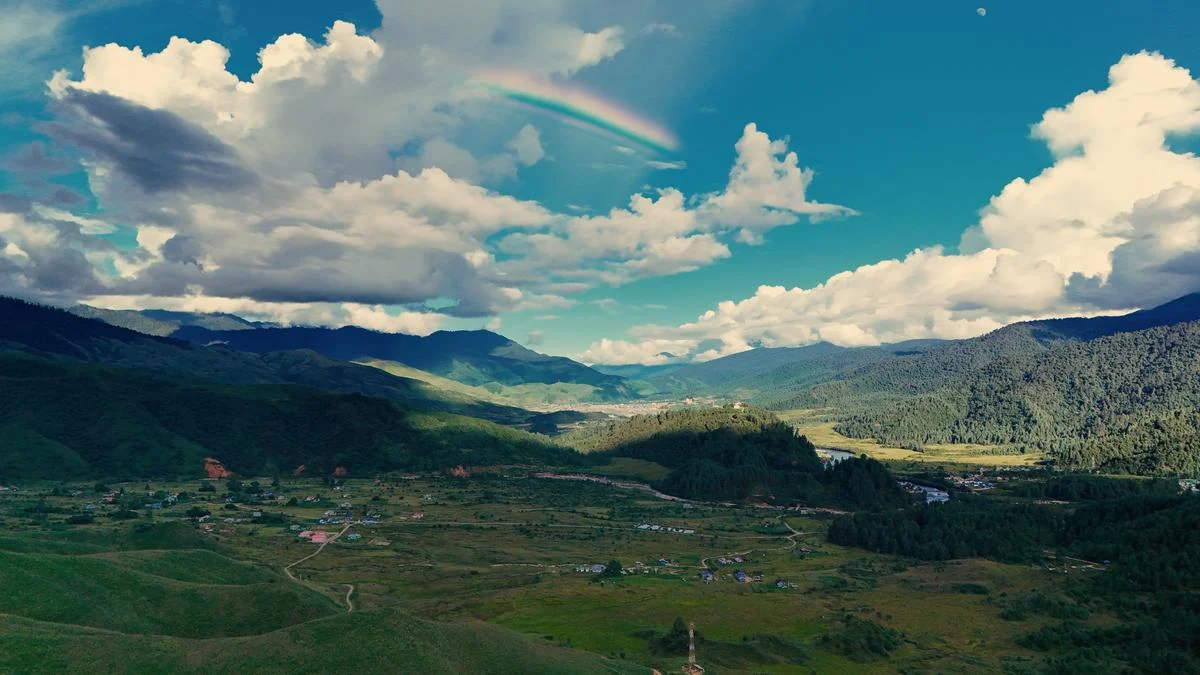
MECHUKA, ARUNACHAL PRADESH — In the mist-shrouded valleys of the Eastern Himalayas, where the Yargyap Chu River carves a crystalline path through emerald slopes, a quiet revolution is taking place. It is a movement defined not by industrial expansion, but by the rhythmic cast of a fly line and the ethical "catch-and-release" of the prized cold-water trout.
The second edition of the Mechuka Trout Quest, held recently between July 25 and 26, has signaled Arunachal Pradesh’s ambitious pivot toward becoming a global hub for adventure sports and "high-value, low-impact" eco-tourism. Featuring 56 elite anglers from across the globe, the event serves as a microcosm of the state’s broader strategy: leveraging its pristine natural heritage to attract a niche, responsible demographic of travelers.
Main Facts: A Convergence of Elite Anglers
The Mechuka Trout Quest is more than a local fishing competition; it is a sanctioned international gathering designed to place the remote Shi-Yomi district on the global angling map. This year’s event saw a diverse roster of participants, including Bobby Satpal, widely regarded as one of India’s premier fly anglers, and Tup Meesupwatana, a professional angler and influential content creator from Thailand.
The tournament’s philosophy is rooted in conservation. Unlike traditional sustenance fishing, the Trout Quest adheres strictly to "catch-and-release" protocols. When an angler hooks a brown or rainbow trout, the process is clinical yet gentle: the fish is brought in using soft nets, unhooked with minimal stress, photographed for the marshals to record size and weight, and immediately returned to the water.
"You have to experience it to understand," says Neega Ngurang, a prominent sports angler, river guide, and YouTuber from Sagalee. "It is addictive. It is about the thrill of the hunt, the technical skill of the cast, and the respect for the river."
The event, organized by the State’s Department of Tourism, is part of a larger initiative to diversify Arunachal’s tourism portfolio. By focusing on trout—a species that requires oxygen-rich, cold, and unpolluted water—the state is effectively marketing its environmental purity as a premium commodity.

Chronology: From Bamboo Poles to Professional Reels
The evolution of angling in Arunachal Pradesh mirrors the personal journey of Neega Ngurang. Like many in the region, Ngurang began fishing as a child using "local style" methods—a simple bamboo pole, a single monofilament line, and one hook. For generations, fishing was a matter of survival and local tradition.
The shift toward sport fishing began in earnest around 2013. Ngurang recalls seeing a spinning rod on television and realizing that fishing could be an art form rather than just a means of gathering food. He spent two years self-teaching the nuances of angling in the rivers surrounding Itanagar before entering the competitive circuit in 2016.
However, the history of the sport in India stretches back much further. While evidence of line fishing for food dates back 23,000 years (evidenced by mollusk hooks found in East Timor’s Jerimalai Cave), the concept of "sport" was formalized in the 15th century with Juliana Berners’ A Treatyse of Fysshynge wyth an Angle.
In the Indian context, recreational angling was largely a colonial introduction. British officials, longing for the trout streams of Scotland and England, introduced brown and rainbow trout to the high-altitude waters of India in the 19th and 20th centuries. Today, what was once a colonial pastime has been reclaimed by a new generation of Indian anglers and the state government as a tool for sustainable development.
Supporting Data: The Economics of the "Golf of the River"
Angling is frequently compared to golf, both in its technical depth and its economic footprint. Tournament Director Derek Dsouza, the India representative of the International Game Fishing Association (IGFA), notes that while the entry barrier can be low, the "high-value" potential is immense.
Equipment Costs:
- Starter Kits: An unbranded basic kit begins at under ₹3,000, while branded entry-level gear starts around ₹5,000.
- Professional Gear: Specialized rods, reels, and fly-fishing setups can escalate into the lakhs, with lures costing between ₹250 and ₹800 each.
Travel and Participation:

- Indian Competitors: An angler traveling from outside Arunachal Pradesh typically spends between ₹20,000 and ₹50,000 on travel, food, and lodging, excluding registration fees (which range from ₹500 to ₹15,000).
- International Competitors: Overseas anglers may spend between ₹2 lakh and ₹5 lakh per trip.
Licensing Revenue:
- Pond Fishing: ₹500.
- River Fishing (Indian Nationals): ₹1,500.
- Foreign Nationals: ₹3,000.
Dsouza argues that these figures represent a significant economic boon for remote villages. "Anglers don’t need five-star hotels; they need pristine rivers," he explains. "If they have that, they are willing to pay well for the experience, and they are largely responsible tourists who respect nature."
Official Responses: A State-Led Vision for Niche Tourism
The Arunachal Pradesh government is acutely aware of the state’s ecological fragility. The move toward "niche tourism" is a calculated effort to avoid the pitfalls of mass tourism seen in other Himalayan states.
Pasang Dorjee Sona, the local MLA and State Tourism Minister, who also oversees Education and Rural Works, emphasizes that the landscape itself is the state’s greatest asset. "The landscape is already endowed with Nature. We want to have niche tourism only," Sona stated. "I’ve been very vocal about that, and the best part is our people are also aware of this."
The government’s strategy involves building infrastructure tailored to "adventure seekers"—kayakers, mountain bikers, and anglers—who leave a smaller carbon footprint but contribute more to the local economy through homestays and guide services.
Complementing this, Fisheries Minister Gabriel Denwang has announced plans for heavy investment in trout farming. "Mechuka is one of the few places in Arunachal where the climatic conditions are conducive to cold-water fish," Denwang said. The goal is twofold: to ensure a healthy population of game fish for tourists and to create a sustainable aquaculture industry for the local population.
Implications: Sustainability, Community, and the Path Forward
The success of the Mechuka Trout Quest suggests a viable model for conservation-led development. For local residents, the tournament provides a direct incentive to protect the Yargyap Chu River from pollution and illegal netting. If the river is clean and full of trout, the tourists—and their money—will continue to flow.

The event also highlights a growing diversity within the sport. Nasreen Sultana Naaz, a Guwahati-based indie rock musician and the sole female competitor this year, represents a new demographic of urban Indians seeking refuge in nature. "We all live chaotic, urban lives, but once you come to an angling spot, it is completely different," she says. "I am now hooked on the game."
Similarly, the victory of Bhutanese angler Sonam Tshering in the fly-fishing category underscores the regional potential for "trout diplomacy." Tshering’s win, characterized by his deep appreciation for "learning about river structures and trout behavior," reflects the meditative, educational aspect of the sport.
The Road to Mechuka:
While the potential is high, the challenges remain logistical. The nearest airport in Dibrugarh is a 370-km journey by road. While a twice-weekly chopper service from Itanagar exists, scaling the event will require consistent, careful infrastructure growth.
However, the sentiment among participants and officials is one of overwhelming optimism. "Everyone wants to come back," says Dsouza. "If we continue this path and get more support, Mechuka could become one of the best trout destinations in the world."
As the sun sets over the Buddha Park and the Samten Choeling Monastery, the ripples in the Yargyap Chu River suggest that Arunachal Pradesh has found its rhythm. In the balance between development and preservation, the state is betting that the future of tourism isn’t in the number of visitors, but in the quality of the cast and the health of the catch.
Traveler’s Brief: Visiting Mechuka
- How to Get There: Fly to Dibrugarh (Assam), followed by a 370 km road journey. Alternatively, take the Monday/Friday chopper service from Itanagar.
- Key Attractions: Yargyap Chu river banks, Dorjeeling Village, Buddha Park, Gonpa Samten Yangchag Heritage Museum, and the Guru Nanak Taposthan.
- Accommodation: Focus on local homestays like Hornbill, Owa, Mae, and Yargyap-Chu Cottage to support the local economy.
- Angling Etiquette: Ensure all necessary permits are obtained through the Department of Fisheries and strictly adhere to catch-and-release guidelines to preserve the ecosystem.
