

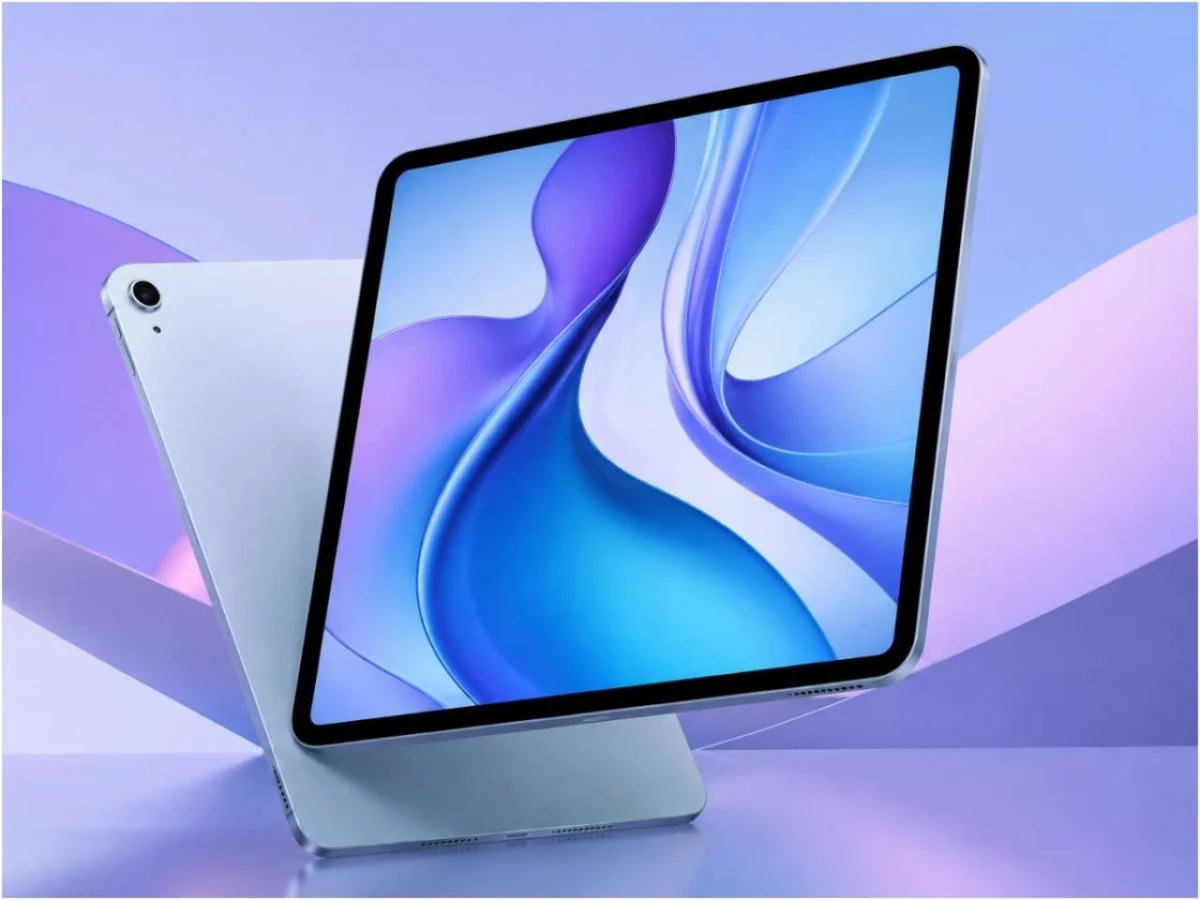
CUPERTINO, CA – After nearly seven years of iterative internal upgrades, Apple’s popular iPad Air line is reportedly on the cusp of its most significant transformation yet. Recent industry whispers and supply chain insights suggest that the venerable tablet, a staple for students, creatives, and everyday users, is slated for a complete aesthetic and technological overhaul in 2027. This impending redesign promises not only a fresh look but also a leap forward in display technology and processing power, marking a pivotal moment in the device’s history.
For years, Apple has refined the iPad Air’s internal architecture, introducing a succession of increasingly powerful M-series chips, from the M1 to the latest M4. However, the external design has largely remained consistent since its last major refresh in 2020, making it the longest-running design in Apple’s current tablet portfolio. The proposed 2027 model is set to break this mold, introducing a completely new chassis, an advanced OLED display, and the next-generation M5 chip, signaling Apple’s renewed commitment to pushing the boundaries of its mid-range tablet offering.
This comprehensive redesign is not merely an aesthetic update; it represents a strategic repositioning of the iPad Air within Apple’s ecosystem. By integrating cutting-edge technologies previously reserved for its premium iPad Pro line, Apple aims to deliver an unparalleled user experience, blending high-end performance with a more accessible price point. The move underscores a broader industry trend towards more immersive displays and increasingly powerful on-device artificial intelligence capabilities, areas where the redesigned iPad Air is expected to excel.
A New Era for the iPad Air: The Impending Redesign
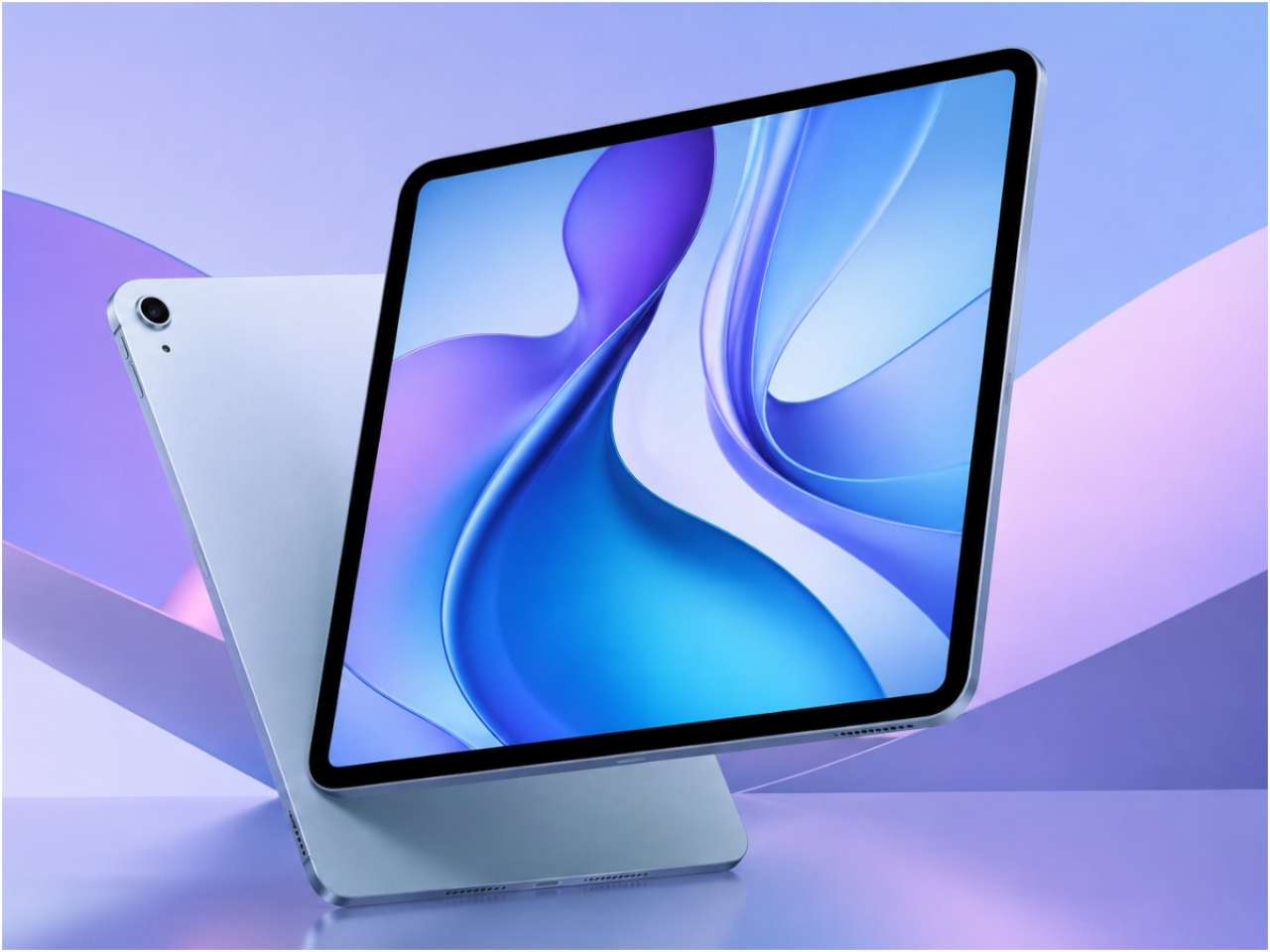
The core of the excitement surrounding the 2027 iPad Air revolves around three transformative elements: a completely redesigned chassis, the introduction of OLED display technology, and the integration of the formidable M5 chip. Together, these upgrades are expected to redefine the user experience and significantly elevate the iPad Air’s standing in the competitive tablet market.
The Seven-Year Itch: A Design Stagnation Broken
Since its significant redesign in 2020, which brought features like flat edges, a USB-C port, and Touch ID integrated into the power button, the iPad Air has maintained a familiar form factor. While this design has remained functional and aesthetically pleasing, the technological landscape has evolved rapidly. In the interim, Apple’s focus for the Air line has been almost exclusively on internal hardware enhancements. The period saw the device benefit from a parade of powerful Apple Silicon chips:
- M1 Chip: Introduced in 2022, this marked a significant performance jump, bringing desktop-class power to the iPad Air for the first time.
- M2 Chip: Followed by the M2 in 2023, offering further CPU and GPU improvements, enhancing capabilities for demanding tasks and creative workflows.
- M3 Chip: The 2024 update saw the introduction of the M3, pushing the boundaries of performance and efficiency, particularly in graphics and machine learning.
- M4 Chip: Most recently, the M4 chip, potentially arriving in late 2025 or early 2026 iterations, would have continued this trajectory, optimizing for power efficiency and advanced AI computations.
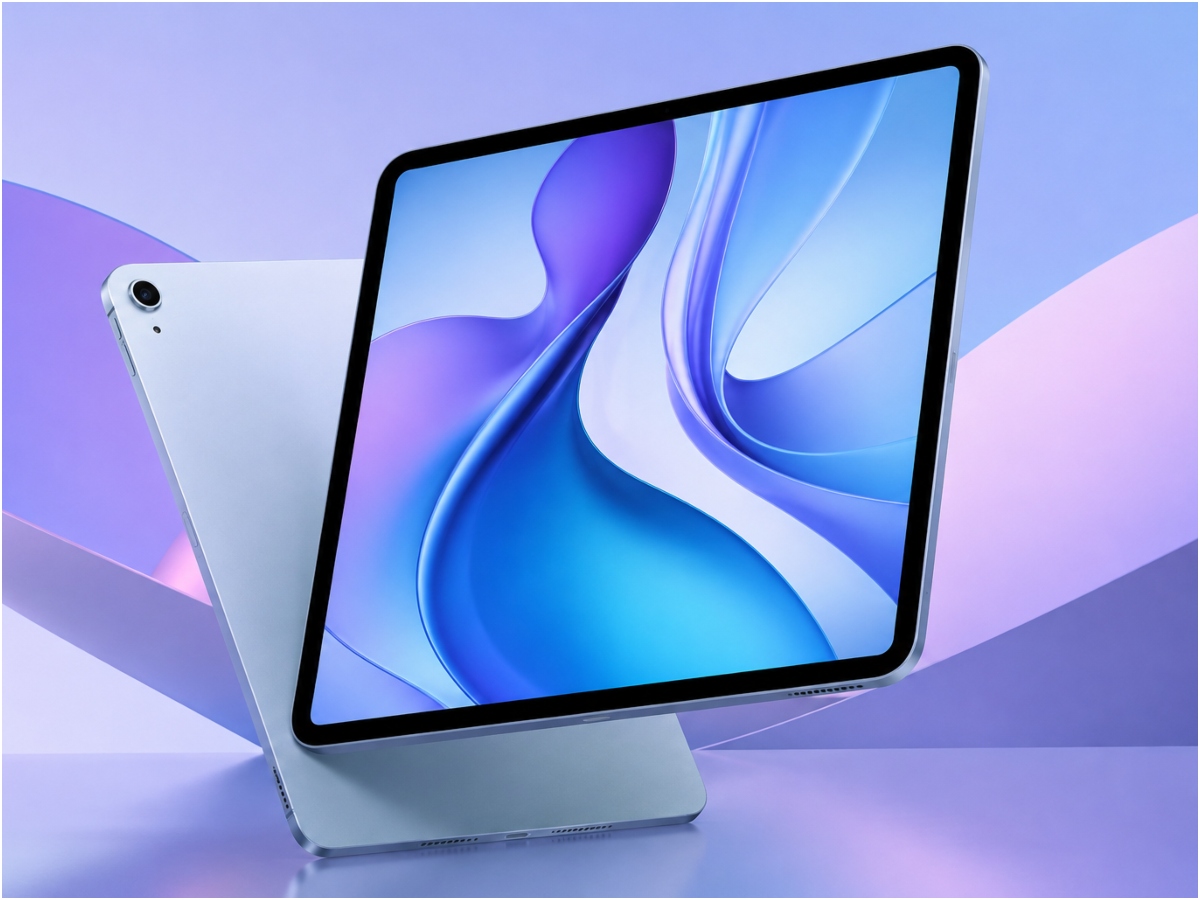
While these chip upgrades kept the iPad Air competitive in terms of raw power, the unchanging exterior meant that the user experience, particularly in terms of visual immersion and physical interaction, remained largely static. The rumored 2027 redesign aims to address this by re-imagining the device’s external shell from the ground up, promising a sleeker, potentially thinner profile and updated aesthetics that align with Apple’s latest design philosophies, akin to the significant chassis changes seen in the 2024 iPad Pro. This could involve revised speaker grilles, updated camera housing, and potentially even new material finishes, all contributing to a refreshed premium feel.
)
Visual Revolution: The OLED Display
Perhaps the most eagerly anticipated upgrade is the integration of an OLED (Organic Light-Emitting Diode) display. For years, the iPad Air has utilized an LCD (Liquid Crystal Display) panel, a robust and cost-effective technology. However, OLED offers inherent advantages that significantly enhance the visual experience. Unlike LCDs, which rely on a backlight to illuminate pixels, each pixel in an OLED display emits its own light. This fundamental difference translates into several key benefits:
- Deeper Blacks: When an OLED pixel is off, it produces absolute black, leading to an infinitely higher contrast ratio compared to LCDs, where even "black" pixels are still dimly lit by the backlight. This results in breathtaking visual depth and realism.
- Improved Contrast: The ability to achieve true blacks means a much wider dynamic range, making images and videos pop with incredible clarity and definition.
- Better Colour Accuracy: OLED panels are renowned for their vibrant and accurate color reproduction, offering a broader color gamut and more faithful representation of content. This is particularly crucial for professional creatives and designers.
- Enhanced Power Efficiency: For displaying dark content, OLED pixels can simply turn off, consuming no power. While overall power consumption depends on the content displayed, this can lead to significant battery life improvements, especially with dark mode interfaces.
- Faster Response Times: OLED pixels can switch on and off much faster than LCDs, resulting in smoother motion, reduced motion blur, and a more responsive touch experience.
According to reports, Samsung Display is expected to be a primary supplier for these single-stack LTPS (Low-Temperature Polycrystalline Silicon) OLED panels. The adoption of OLED for the iPad Air mirrors a trend already established in Apple’s premium lineup; the iPad Pro received its OLED upgrade in 2024. This strategic move suggests that Apple is committed to bringing superior display technology to a wider audience, positioning the iPad Air as a more compelling option for users who prioritize visual fidelity. The single-stack LTPS OLED technology, while potentially less advanced than the dual-stack tandem OLED found in the Pro models, will still represent a massive leap over the current LCD panels, offering an incredible visual upgrade without necessarily driving the cost to Pro levels.
Powerhouse Performance: The M5 Chip
Complementing the display and design enhancements will be the introduction of Apple’s next-generation silicon, the M5 chip. Building upon the legacy of the M-series chips, the M5 is anticipated to deliver significant advancements in both processing power and energy efficiency. While specific details remain under wraps, the trajectory of Apple Silicon suggests several key improvements:

- Faster Performance: Expect further gains in CPU (Central Processing Unit) and GPU (Graphics Processing Unit) capabilities. This translates to quicker app launches, smoother multitasking, faster rendering for video editing and 3D design, and more immersive gaming experiences. The M5 will likely feature an increased number of high-performance and high-efficiency cores, along with architectural refinements.
- Improved Battery Efficiency: Each generation of Apple Silicon has brought better performance-per-watt. The M5 is expected to continue this trend, allowing for extended battery life despite the potentially more power-hungry OLED display and increased processing demands. This is crucial for a portable device like the iPad Air.
- Advanced AI-Powered Features: A significant focus for future Apple chips is the neural engine, which handles machine learning tasks. The M5 chip is expected to feature an even more powerful neural engine, enabling a new generation of on-device AI capabilities. This could manifest in enhanced Siri functionality, more sophisticated image and video processing, real-time language translation, advanced handwriting recognition, and generative AI features that run directly on the device, offering greater privacy and speed compared to cloud-based solutions. As the world’s newest $5 trillion giant, Apple is investing heavily in AI, and the M5 chip will be central to bringing these innovations to its tablet users.
The combination of an M5 chip and an OLED display, housed within a sleek new chassis, positions the 2027 iPad Air as a formidable device capable of handling demanding professional workflows, immersive entertainment, and next-generation AI applications, all while maintaining its signature portability and ease of use.
Chronology of Innovation: The iPad Air’s Journey
To fully appreciate the significance of the rumored 2027 redesign, it’s essential to trace the iPad Air’s evolutionary path, understanding its role and the milestones that have shaped its identity within Apple’s diverse tablet lineup.
From Original Air to Modern Iterations
The iPad Air was first introduced in October 2013, succeeding the fourth-generation iPad. Its name, "Air," was a direct nod to its significantly thinner and lighter design compared to previous full-sized iPads, mirroring the MacBook Air’s ethos. It featured a 9.7-inch Retina display and was powered by the A7 chip. The original iPad Air established its niche as a premium, full-sized tablet that prioritized portability and design, sitting comfortably above the entry-level iPad but below the later-introduced iPad Pro.
)
Subsequent generations saw incremental improvements:
- iPad Air 2 (2014): Even thinner and lighter, introduced Touch ID, and powered by the A8X chip.
- iPad Air 3 (2019): After a four-year hiatus, the Air line was revived, moving to a 10.5-inch display, supporting Apple Pencil (1st gen), and featuring the A12 Bionic chip. This iteration brought the Air closer to the Pro in terms of capabilities, albeit with an older design.
The 2020 Redesign: A Precedent
The October 2020 launch of the fourth-generation iPad Air marked its most substantial redesign prior to the current rumors. This model adopted a modern, flat-edged industrial design, reminiscent of the iPad Pro and iPhone 12 series. Key changes included:
- Edge-to-edge Liquid Retina Display: Expanding the screen real estate to 10.9 inches by removing the home button.
- Touch ID in the Power Button: A clever innovation that maintained biometric security without a front-facing button.
- USB-C Port: Replacing Lightning, allowing for broader accessory compatibility and faster data transfer.
- Apple Pencil 2nd Generation Support: Attaching magnetically and charging wirelessly.
- A14 Bionic Chip: Delivering a significant performance boost.
This 2020 model set a new standard for the iPad Air, bridging the gap between the standard iPad and the Pro models, offering many premium features at a more accessible price. It established the design language that has persisted for several years.
)
The Era of Internal Evolution (2020-2026)
Following the 2020 redesign, Apple shifted its strategy for the iPad Air to focus predominantly on internal upgrades. While the external shell remained largely unchanged, the tablet received consistent processor updates, ensuring it remained highly capable for demanding applications.
- M1 Chip (2022): The fifth-generation iPad Air introduced the M1 chip, previously found in Macs and iPad Pros. This was a game-changer, providing unprecedented performance for a tablet in its price segment.
- M2 Chip (2023): The sixth-generation model continued this trend with the M2 chip, further enhancing CPU and GPU capabilities.
- M3 and M4 Chips (2024-2026): Subsequent iterations would have seen the integration of the M3 and M4 chips, maintaining the Air’s performance edge and paving the way for advanced AI functionalities.
This period, while crucial for keeping the iPad Air at the forefront of tablet performance, also highlighted the growing anticipation for a physical refresh. Users and analysts alike have noted the design stagnation, making the rumored 2027 overhaul a highly anticipated event that promises to inject new life and innovation into the line.
Supporting Data and Industry Insights
The rumors surrounding the 2027 iPad Air redesign are not isolated whispers but are supported by a confluence of supply chain intelligence, analyst predictions, and observable trends within Apple’s product development cycle.
)
Supply Chain Whispers: Samsung Display’s Role
A critical piece of supporting evidence comes from reports detailing Apple’s display supply chain. Samsung Display, a global leader in OLED technology, is reportedly slated to supply single-stack LTPS OLED panels for the next-generation iPad Air. This partnership is highly significant for several reasons:
- Established Expertise: Samsung Display has extensive experience producing high-quality OLED panels for smartphones, tablets, and televisions, including previous generations of iPhone displays for Apple. Their capacity and technological prowess make them a reliable partner for such a large-scale integration.
- LTPS OLED Technology: LTPS (Low-Temperature Polycrystalline Silicon) backplane technology is crucial for achieving high pixel density and power efficiency in OLED displays, making it ideal for tablets. While single-stack OLED might not offer the extreme brightness and longevity of the dual-stack tandem OLED found in the most premium iPad Pro models, it provides a substantial upgrade over LCD at a more cost-effective production price point, making it suitable for the Air series.
- Production Volume: The sheer volume of iPad Air units Apple sells necessitates a robust and reliable supply chain partner. Samsung’s manufacturing capabilities are well-suited to meet this demand.
- Competitive Landscape: While Samsung is a primary supplier, Apple often diversifies its supply chain to mitigate risks and encourage competition. It’s plausible that other display manufacturers, such as LG Display, could also be involved in supplying components for other iPad models or future iterations, but for the initial 2027 Air OLED rollout, Samsung appears to be the frontrunner.
These supply chain leaks are often among the most reliable indicators of future product features, as they involve actual manufacturing contracts and production plans.
Analyst Predictions and Leak Reliability
The tech rumor ecosystem thrives on information from various sources, including supply chain analysts, industry insiders, and reliable leakers. The "AppleDrop" tweet cited in the original article is one such example, aggregating information from ongoing rumors. While Apple never officially comments on unreleased products, the track record of certain analysts and publications in predicting Apple’s moves is remarkably high.
)
Analysts like Ming-Chi Kuo, Mark Gurman, and publications such as Bloomberg and The Elec often provide detailed insights into Apple’s roadmap, often drawing on sources within the supply chain, component manufacturers, and Apple’s internal operations. The consistency of reports pointing towards an iPad Air redesign with OLED and an M5 chip in 2027 lends significant credibility to these rumors. The shift to OLED for the Air, following its adoption in the Pro, is a logical progression, fitting Apple’s strategy of cascading premium features down its product lines over time.
Market Context: The Tablet Landscape
The tablet market, while mature, remains highly competitive, with Apple holding a dominant position. However, challenges persist from Android tablets and Microsoft’s Surface line. A significant redesign of the iPad Air in 2027 would serve several strategic purposes:
- Maintaining Dominance: By offering a highly compelling, modern tablet with cutting-edge display and processing power at a price point below the Pro, Apple can solidify its market leadership and attract new users.
- Stimulating Upgrades: A major overhaul is a powerful incentive for existing iPad Air users to upgrade, particularly those who have held onto older models due to the lack of significant external changes.
- Addressing Competition: A revamped Air could better compete with high-end Android tablets from Samsung and Google, which are increasingly incorporating premium features and refined designs. It also strengthens its position against laptops and hybrid devices, making a strong case for the iPad as a primary computing device.
- Evolving User Needs: As users demand more from their portable devices, particularly in areas like media consumption, creative work, and AI applications, an upgraded iPad Air becomes essential to meet these evolving needs.
The timing of a 2027 launch also suggests that Apple is planning for a long product cycle for this new design, aiming for a significant impact that will sustain the iPad Air’s relevance for years to come.
)
Official Responses and Apple’s Secrecy
True to its corporate philosophy, Apple has maintained its characteristic silence regarding these reports. The company has a long-standing policy of not commenting on rumors or speculation about unreleased products. This deliberate secrecy is a cornerstone of Apple’s marketing strategy, building anticipation and ensuring that official announcements are impactful and controlled.
The Wall of Silence
When queried about potential product roadmaps or upcoming features, Apple’s standard response is typically "We don’t comment on speculation." This stance, while frustrating for those eager for confirmation, is a well-established practice designed to:
- Maintain Competitive Advantage: Keeping product details under wraps prevents competitors from adjusting their strategies prematurely.
- Control Narrative: Apple prefers to unveil its products on its own terms, during carefully orchestrated events that maximize media attention and impact.
- Avoid Pre-Announcements: Announcing features too early can cannibalize sales of current models and lead to consumer fatigue if release dates slip.
Therefore, while reports from credible sources and supply chain leaks offer strong indications, users should not expect any official confirmation from Apple until much closer to the product’s actual launch, likely in late 2026 or early 2027.
)
Pattern of Releases
Historically, Apple’s major product redesigns often occur on a multi-year cycle, especially for core products like the iPad. The iPad Air’s last significant external refresh was in 2020. A 2027 redesign would mean a seven-year gap between major aesthetic overhauls, which aligns with Apple’s tendency to iterate internally for several years before unveiling a fundamentally new look and feel. This allows them to refine technologies, reduce production costs, and integrate multiple generational improvements into a single, impactful launch.
The introduction of OLED to the iPad Pro in 2024 also sets a precedent. Apple often introduces new display technologies in its flagship models first, allowing for production scaling and refinement, before bringing them to its slightly more accessible lines. A 2027 OLED iPad Air therefore fits a logical progression in Apple’s product strategy.
Implications and Future Outlook
The rumored 2027 iPad Air redesign carries profound implications, not just for the device itself, but for the entire iPad lineup, the broader tablet market, and Apple’s overarching strategy, particularly concerning artificial intelligence.
)
Impact on the iPad Lineup
A highly advanced iPad Air with an OLED display and M5 chip could significantly alter the existing hierarchy within Apple’s tablet offerings:
- Blurring Lines with iPad Pro: With an OLED display and the latest M-series chip, the Air would move much closer to the Pro in terms of core specifications. The differentiation would then largely hinge on features like ProMotion (120Hz refresh rate), potentially more advanced camera systems (LiDAR scanner), Face ID, more robust Thunderbolt connectivity, and the dual-stack OLED technology found in the Pro. Apple would need to carefully manage pricing and feature sets to maintain clear distinctions and avoid cannibalizing its high-end Pro sales.
- Elevating the Mid-Range: The new Air would firmly establish itself as the go-to option for users seeking premium features without the absolute top-tier price of the Pro. This could make it exceptionally appealing to students, artists, and professionals who need significant power and a superior visual experience for tasks like drawing, media consumption, and light productivity.
- Pressure on the Base iPad: A more powerful and visually stunning iPad Air could put pressure on the entry-level iPad, potentially necessitating a clearer distinction in features or an even more aggressive pricing strategy for the base model to remain competitive.
User Experience Enhancements
The combination of an OLED display, a completely new chassis, and the M5 chip will translate into tangible benefits for users:
- Immersive Media Consumption: Movies, TV shows, and games will look stunning on the OLED display, with deep blacks and vibrant colors providing an unparalleled viewing experience.
- Enhanced Creative Workflows: Artists and designers will benefit from the color accuracy and contrast of the OLED, making their digital canvases more true-to-life. The M5 chip will power demanding creative applications with ease, allowing for complex rendering and intricate designs.
- Future-Proof Performance: The M5 chip ensures that the iPad Air will remain highly capable for years, handling new software, demanding apps, and emerging technologies with grace.
- Improved Portability and Aesthetics: A potentially thinner and lighter chassis, coupled with refined design elements, will make the device even more enjoyable to hold and use for extended periods, enhancing its role as a portable computing companion.
Competitive Landscape Shift
A redesigned iPad Air could send ripples through the broader tablet market. Competitors, particularly those in the Android space like Samsung and Google, would be compelled to respond with their own innovations in display technology, chip performance, and design. This healthy competition ultimately benefits consumers, driving innovation and feature parity across the ecosystem. The iPad Air’s move to OLED could accelerate the adoption of this superior display technology in more mid-range tablets across the industry.
)
Pricing Speculation
The current 11-inch iPad Air starts at Rs 89,900 (128GB) in India, with the 13-inch model naturally commanding higher prices, scaling up to Rs 161,900 for the 1TB variant. The introduction of an OLED display and a completely new design, coupled with the M5 chip, will undoubtedly represent a significant increase in manufacturing cost for Apple. While the iPad Air is positioned as a more accessible alternative to the Pro, it’s reasonable to anticipate a potential price increase for the 2027 model. Apple will need to carefully balance these increased costs with its strategic goal of keeping the Air competitive in its segment, potentially by optimizing other components or leveraging economies of scale.
The AI Revolution and Apple’s Strategy
The M5 chip’s enhanced AI capabilities are not just about raw power; they are central to Apple’s broader vision for artificial intelligence across its ecosystem. On-device AI processing offers significant advantages in terms of privacy, speed, and efficiency compared to cloud-based solutions. The iPad Air, equipped with a powerful M5 neural engine, will become a robust platform for:
- Personalized Experiences: More intelligent Siri interactions, adaptive user interfaces, and context-aware suggestions.
- Advanced Productivity Tools: Smarter note-taking, sophisticated image and video editing features powered by AI, and enhanced collaboration tools.
- Generative AI Applications: The ability to run local large language models (LLMs) or generative image models, offering users powerful creative and analytical tools directly on their tablet, without constant reliance on an internet connection.
The 2027 iPad Air, therefore, is not merely an updated tablet; it’s a statement about Apple’s commitment to delivering a premium, future-proof, and AI-powered computing experience to a wider segment of its user base.
)
In conclusion, the rumored 2027 iPad Air redesign is shaping up to be one of the most significant upgrades in the device’s history. By finally addressing the external design and integrating cutting-edge display and processing technologies, Apple is poised to reinvigorate the iPad Air, solidifying its position as a powerhouse mid-range tablet and setting a new benchmark for what users can expect from a portable computing device. While official confirmation remains elusive, the convergence of industry reports paints a compelling picture of a revolutionary product on the horizon.
