

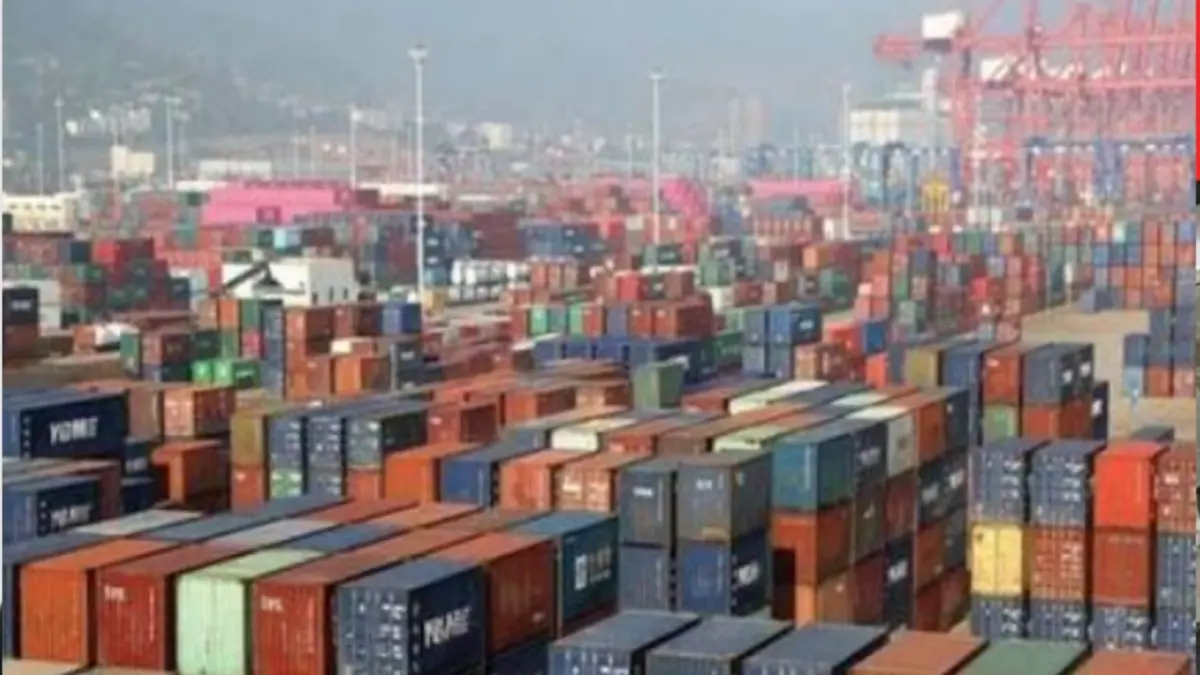
New Delhi, [Current Date] – In a significant move aimed at bolstering India’s export competitiveness and providing stability to its trade ecosystem, the Directorate General of Foreign Trade (DGFT) has announced extensions for several crucial export promotion schemes. The Remission of Duties and Taxes on Exported Products (RoDTEP) and the Rebate of State and Central Taxes and Levies (RoSCTL) schemes have both been extended for a period of three months, now applicable until December 31. Concurrently, the eligibility timeline for the Resilience & Logistics Intervention for Export Facilitation (RELIEF) under the Export Promotion Mission (EPM) has been significantly prolonged until March 31, 2027.
These extensions arrive at a critical juncture, as Indian exporters navigate a complex global trade landscape marked by geopolitical tensions, supply chain disruptions, and fluctuating demand. While the government emphasizes policy continuity and predictability, especially for labour-intensive sectors, the brevity of some extensions has drawn critique from trade experts advocating for longer-term policy certainty.
Beyond export incentives, the DGFT has also issued notifications regarding the extension of Minimum Import Price (MIP) conditions for several specified products, including certain paper and paperboard items, Sulfadiazine Active Pharmaceutical Ingredient (API), and ATS-8, underscoring a dual strategy of promoting exports while strategically managing imports.
Main Facts: A Snapshot of the Extensions
The recent notifications from the DGFT delineate a multi-pronged approach to supporting India’s external trade. The core extensions include:
)
- RoDTEP and RoSCTL: Both schemes, vital for rebating embedded duties and taxes on exported products, have been extended for a short duration of three months, from their previous expiry to December 31. This extension is crucial for maintaining the cost-competitiveness of Indian goods in international markets.
- RELIEF Scheme: The eligibility timeline under Component II of the Resilience & Logistics Intervention for Export Facilitation (RELIEF) has been significantly extended until March 31, 2027. This intervention is specifically designed to address elevated export risks stemming from ongoing geopolitical disruptions, such as the conflicts in West Asia and their impact on shipping routes. The extension covers eligibility and validity criteria for shipments meant for delivery or transhipment under the scheme, aiming to enhance utilization and facilitate trade resilience.
- Minimum Import Price (MIP) for Paper & Paperboard: The MIP of Rs 67,220 per metric tonne (MT) on specified paper and paperboard products under Chapter 48 has been extended for six months, until March 31, 2027. This MIP is based on the Cost, Insurance and Freight (CIF) value.
- MIP for Sulfadiazine API: The MIP condition on imports of Sulfadiazine Active Pharmaceutical Ingredient (API) under Chapter 29 has been extended until November 30, 2026.
- MIP for ATS-8: The MIP condition on specified ATS-8 imports has also been extended until November 30, 2026, with an applicable MIP of $111 per kg of the CIF value.
These extensions collectively aim to provide a degree of stability and support across various facets of India’s foreign trade, from incentive mechanisms for exporters to protective measures for domestic industries.
Chronology: Evolution of India’s Export Support Framework
India’s journey in supporting its export sector has evolved significantly over the decades, adapting to global trade norms and domestic economic priorities. The current schemes are a culmination of this evolution, reflecting a shift towards WTO-compliant mechanisms.

Pre-RoDTEP Era: The MEIS Scheme
Prior to the introduction of RoDTEP and RoSCTL, India’s primary export incentive scheme was the Merchandise Exports from India Scheme (MEIS). Launched in April 2015 under the Foreign Trade Policy (FTP) 2015-20, MEIS aimed to offset infrastructural inefficiencies and associated costs involved in exporting goods manufactured in India. It provided rewards in the form of duty credit scrips, which could be used to pay various duties like basic customs duty, excise duty, and service tax.
However, MEIS faced scrutiny from the World Trade Organization (WTO). In 2019, a WTO dispute settlement panel ruled that India’s export subsidy schemes, including MEIS, were inconsistent with WTO rules, specifically the Agreement on Subsidies and Countervailing Measures (ASCM). The panel found that these schemes provided prohibited subsidies contingent upon export performance. This ruling necessitated a fundamental overhaul of India’s export incentive structure.
)
Birth of RoDTEP and RoSCTL: WTO Compliance and Beyond
In response to the WTO ruling and the need for a compliant mechanism, the RoDTEP scheme was introduced in January 2021. RoDTEP aims to refund various embedded central, state, and local duties/taxes/levies that are not rebated under any other existing scheme. These include duties like the central and state goods and services tax (GST) on fuel used for transportation, electricity duty, mandi tax, and stamp duty, among others, which were not part of the GST refund mechanism. The scheme’s design is based on the principle that taxes and duties levied on inputs for exports should be remitted to ensure that only the value-added component is taxed domestically, making Indian products more competitive globally.
RoSCTL (Rebate of State and Central Taxes and Levies), introduced earlier in March 2019, specifically targets the textile and apparel sector. It provides a rebate of state and central taxes and levies for the export of garments and made-ups. This scheme was carved out as a specific intervention for the highly employment-intensive textile sector, acknowledging its unique challenges and significant contribution to India’s export basket and employment generation. Its mechanism is similar to RoDTEP but predates it and focuses on a specific industry.
)
Both RoDTEP and RoSCTL represent India’s commitment to supporting its exporters within the framework of international trade law, ensuring that indirect taxes do not become a burden on exported goods. Their extensions, albeit short for RoDTEP/RoSCTL, signify the government’s recognition of their ongoing importance.
RELIEF: Addressing Modern Geopolitical Challenges
The Resilience & Logistics Intervention for Export Facilitation (RELIEF) scheme is a more recent and context-specific intervention. Introduced as a response to the escalating geopolitical tensions and their impact on global supply chains, particularly the Red Sea crisis and the conflicts in West Asia, RELIEF aims to cushion exporters from unforeseen logistical disruptions and elevated costs. These disruptions have led to increased shipping times, higher freight charges, and greater insurance premiums, directly impacting the competitiveness and profitability of Indian exports. The extended eligibility till March 2027 highlights the government’s anticipation of prolonged instability in these critical trade routes and its commitment to providing sustained support.
)
Supporting Data: The Economic Canvas
India’s export sector is a critical pillar of its economy, contributing significantly to the Gross Domestic Product (GDP), employment, and foreign exchange earnings. The schemes extended by the DGFT are designed to fortify this pillar, especially in the face of global economic headwinds.
Contribution to GDP and Employment
Exports typically account for a substantial portion of India’s GDP, often ranging between 18-20%. Beyond headline figures, the sector is a massive job creator, particularly in labour-intensive industries like textiles, apparel, leather, handicrafts, and engineering goods. The textile and apparel sector alone employs millions directly and indirectly, making schemes like RoSCTL indispensable for sustaining livelihoods and growth. RoDTEP, by covering a wider array of products, supports diverse manufacturing and agricultural exports, impacting a broader spectrum of the workforce.
)
Financial Outlay and Beneficiary Reach
While specific current data on RoDTEP/RoSCTL payouts for the latest period is not provided, previous years have seen billions of dollars disbursed under these schemes. For instance, in the initial phases, thousands of crores were allocated annually, benefiting a vast number of exporters, from large enterprises to Small and Medium-sized Enterprises (SMEs). The government’s continued allocation of funds underscores the financial commitment to these incentives, recognizing their role in offsetting inherent cost disadvantages faced by Indian exporters.
Global Trade Environment and India’s Position
The current global trade environment is characterized by several challenges:
)
- Geopolitical Conflicts: The Russia-Ukraine war and conflicts in West Asia (e.g., Red Sea crisis) have disrupted traditional trade routes, escalated shipping costs, and created supply chain uncertainties.
- Inflationary Pressures: High inflation in major economies has tempered global demand, leading to slower growth in international trade.
- Protectionism: A rise in protectionist tendencies and trade barriers in some countries adds complexity for exporters.
- Supply Chain Resilience: Businesses are increasingly focusing on building resilient supply chains, often diversifying sourcing away from single points of failure.
In this scenario, India aims to position itself as a reliable global manufacturing and export hub. Schemes like RoDTEP, RoSCTL, and RELIEF are instrumental in enabling Indian businesses to navigate these challenges, maintain competitiveness, and explore new markets. The resilience demonstrated by India’s exports despite these global pressures highlights the effectiveness of such policy interventions.
Official Responses: Government’s Rationale and Vision
The government’s primary motivation behind extending these schemes is rooted in ensuring "policy continuity and predictability for exporters." This principle is vital for businesses to plan their operations, secure orders, and invest in capacity expansion.
)
Sustaining Competitiveness
As highlighted in the press release, a key objective is "sustaining the competitiveness of India’s labour-intensive and value-added apparel and made-ups sector in an increasingly competitive global trading environment." This explicitly points to the government’s focus on industries that are significant employers and contribute substantially to the value chain. By remitting embedded taxes and levies, Indian products can be offered at more attractive prices internationally, preventing them from being unduly burdened by domestic taxes that are not refunded under other mechanisms.
Facilitating Trade Resilience
The extension of the RELIEF scheme, specifically under Component II, reflects a proactive approach to "enhance utilisation and to facilitate trade resilience." The government acknowledges that geopolitical disruptions are not transient issues and require sustained support mechanisms. By extending RELIEF until March 2027, the Ministry of Commerce and Industry, with the approval of the Minister, aims to provide long-term assurance to exporters facing elevated risks due to prolonged transit times, increased freight costs, and logistical bottlenecks arising from conflicts in critical shipping lanes. This proactive measure is intended to prevent erosion of profit margins and ensure that Indian goods can still reach their destinations reliably.
)
Broader Economic Objectives
These extensions align with India’s broader economic objectives, including its vision to become a major global manufacturing and export powerhouse, contribute to the ‘Make in India’ initiative, and achieve ambitious export targets. By providing a stable policy environment and direct cost support, the government seeks to foster an ecosystem where Indian businesses can thrive on the global stage, attracting investment and creating employment opportunities.
Implications: Short-Term Relief vs. Long-Term Certainty
The extensions, while welcomed, carry different implications for exporters depending on the duration and nature of the scheme.
)
For Exporters: The Certainty Conundrum
RoDTEP and RoSCTL (Three-Month Extension):
- Short-Term Relief: The immediate extension provides temporary relief, ensuring that exporters can continue to avail of rebates on their shipments until the end of the calendar year. This prevents a sudden disruption in pricing and profitability.
- Lack of Long-Term Certainty: However, as articulated by Ajay Srivastava, Founder of Global Trade and Research Initiative, such a short extension "defeats the scheme’s core purpose." Exporters typically finalize orders months, if not a year, in advance. Without knowing whether these crucial incentive schemes will continue beyond December 31, they cannot accurately factor tax refunds into their long-term pricing strategies. This uncertainty can lead to:
- Loss of Contracts: Exporters might lose competitive bids if they cannot offer prices that account for anticipated rebates, or if they have to quote higher prices to hedge against the risk of scheme discontinuation.
- Reduced Investment: Policy uncertainty can deter long-term investments in capacity expansion, technology upgrades, and market development, as businesses become hesitant to commit capital without a clear understanding of future operating costs and incentives.
- Operational Hurdles: Frequent short-term extensions create administrative burdens and planning complexities for businesses, diverting resources from core operations.
- Industry Call for Five-Year Policy: Industry stakeholders and experts widely advocate for a minimum five-year extension for such critical schemes. This would provide the necessary predictability for exporters to confidently price orders, negotiate long-term contracts, and make strategic business decisions in a highly competitive global market.
RELIEF (Extended till March 2027):
)
- Significant Long-Term Assurance: The substantial extension of RELIEF until March 2027 is a stark contrast and offers considerable long-term assurance to exporters. This indicates the government’s foresight regarding the persistence of geopolitical risks and their impact on logistics.
- Mitigation of Geopolitical Risks: For sectors heavily reliant on sea routes affected by the West Asia conflicts (e.g., Red Sea crisis), this extension is invaluable. It helps cushion the impact of higher freight costs, longer transit times, and increased insurance premiums, allowing exporters to maintain their supply chains and delivery commitments.
- Enhanced Utilisation: The extended timeline encourages greater utilization of the scheme, as businesses can now plan with confidence to factor in this support for future shipments, potentially leading to increased trade resilience.
Impact on Specific Sectors
- Textiles and Apparel: As a highly labour-intensive and export-oriented sector, textiles and made-ups are direct beneficiaries of RoSCTL and RoDTEP. The short extension of these schemes creates particular anxiety within this sector, which operates on thin margins and faces intense global competition from countries like Bangladesh and Vietnam. Long-term policy stability is paramount for this sector to sustain its competitive edge and employment base.
- Pharmaceuticals: The extension of MIP for Sulfadiazine API and the general benefits of RoDTEP are important for the pharmaceutical sector, which is a major exporter. While RoDTEP provides rebates, the MIP helps protect domestic API manufacturers from cheap imports, fostering a more self-reliant pharmaceutical industry.
- Paper and Paperboard: The continued MIP on paper and paperboard products provides a protective shield for the domestic paper industry, allowing it to compete more effectively against imported goods. This measure is crucial for the sustainability and growth of local manufacturers, ensuring fair competition.
- Engineering Goods, Chemicals, Agriculture: These diverse sectors, which are major beneficiaries of RoDTEP, will also experience the mixed blessing of short-term relief and long-term uncertainty.
Broader Economic Implications
- Trade Balance: By supporting exports and managing imports through MIPs, these policies collectively aim to improve India’s trade balance.
- Investment Climate: While RELIEF’s long extension is positive, the short-term nature of RoDTEP/RoSCTL extensions could subtly dampen foreign and domestic investment interest in export-oriented manufacturing, which thrives on policy stability.
- Global Standing: India’s ability to consistently support its exporters through WTO-compliant mechanisms enhances its credibility as a reliable trading partner and a responsible participant in the global trade system.
Minimum Import Price (MIP) Extensions: A Protective Stance
The DGFT’s decision to extend Minimum Import Price (MIP) conditions for specific products reflects a strategic approach to safeguard domestic industries from predatory pricing and ensure fair competition.
Understanding MIP
MIP is a trade policy tool used by governments to set a minimum price below which a product cannot be imported into the country. It acts as a non-tariff barrier, making imports more expensive and thereby protecting domestic manufacturers from cheaper foreign alternatives, often in cases of dumping or subsidized imports. The MIP is typically calculated based on the Cost, Insurance, and Freight (CIF) value of the imported goods.
)
Impact on Specified Products
- Paper and Paperboard (Chapter 48): The extension of the MIP of Rs 67,220 per MT until March 31, 2027, for specified paper and paperboard products is a significant move for India’s paper industry. This sector has faced challenges from increased imports, often at lower prices. The MIP ensures that imported paper and paperboard do not undercut domestic production, supporting local mills, employment, and the raw material supply chain (e.g., agro-forestry). This long-term extension provides stability and encourages investment in the domestic paper industry.
- Sulfadiazine API (Chapter 29): Sulfadiazine is a crucial Active Pharmaceutical Ingredient (API). The extension of its MIP until November 30, 2026, aims to protect India’s domestic API manufacturing capabilities. India has been keen on reducing its dependence on imported APIs, particularly from certain countries, to enhance pharmaceutical security and promote self-reliance under initiatives like the Production Linked Incentive (PLI) schemes for pharmaceuticals. This MIP helps in achieving that goal by ensuring a level playing field for domestic producers.
- ATS-8: The extension of the MIP for specified ATS-8 imports ($111 per kg CIF) until November 30, 2026, similarly provides protection for domestic manufacturers of this product. While the specific nature of ATS-8 is not detailed, such MIPs are typically applied to prevent market distortion and ensure the viability of local production.
These MIP extensions demonstrate the government’s balanced approach: promoting exports through incentives while simultaneously protecting strategic domestic industries through calibrated import policies.
Challenges and the Path Forward
While the recent extensions provide immediate relief, the Indian export sector continues to face multifaceted challenges that demand a comprehensive and long-term policy vision.
)
Addressing Policy Uncertainty
The most prominent challenge remains the short-term nature of RoDTEP and RoSCTL extensions. For India to truly capitalize on its export potential and integrate deeper into global value chains, a stable and predictable policy environment is non-negotiable. The government needs to consider a longer-term framework for these schemes, possibly aligning them with the five-year Foreign Trade Policy cycle, to instill confidence among exporters.
Enhancing Infrastructure and Logistics
Beyond incentives, robust infrastructure and efficient logistics are critical. While RELIEF addresses some geopolitical disruptions, continuous investment in port capacity, multimodal connectivity, customs clearance efficiencies, and warehousing solutions is essential to reduce the inherent transaction costs for exporters.
)
Diversification of Markets and Products
To mitigate risks associated with over-reliance on a few markets or products, India needs to continue its efforts in market diversification (e.g., exploring new markets in Africa, Latin America, and ASEAN) and product diversification (e.g., promoting high-tech manufacturing, services exports).
Skill Development and Technology Adoption
To move up the value chain, Indian industries need to focus on skill development, adopting advanced manufacturing technologies, and fostering innovation. Government schemes can play a role in incentivizing such transitions, making Indian exports more competitive on quality and technological sophistication, not just price.
)
In conclusion, the DGFT’s recent extensions for export promotion schemes and MIP conditions reflect a pragmatic response to current economic realities. While the long-term commitment to RELIEF is highly commendable for navigating geopolitical risks, the short-term nature of RoDTEP and RoSCTL extensions underscores an ongoing tension between immediate policy continuity and the deep-seated demand for long-term predictability from the exporting community. As India strives to achieve ambitious export targets and solidify its position in global trade, a more enduring and transparent policy framework will be pivotal for sustained growth and competitiveness.
