

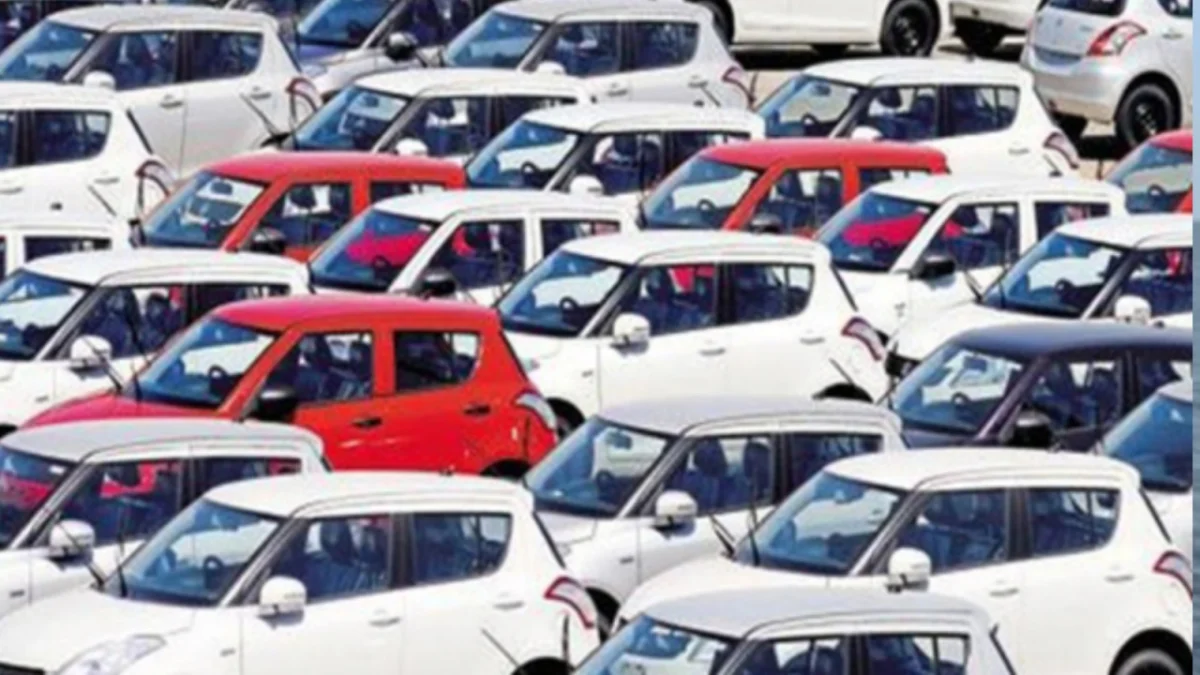
NEW DELHI, India – In a significant stride towards a greener and more sustainable automotive future, the Indian government has unveiled the third iteration of its Corporate Average Fuel Economy (CAFE-III) norms. These stringent regulations, set to take effect from April 1, 2027, and extend until March 31, 2032, mark a pivotal moment for both automakers and consumers, dictating a new era of fuel efficiency, reduced emissions, and technological innovation across the M1 category of passenger vehicles.
The new CAFE-III standards are not merely an incremental adjustment; they represent a fundamental shift in India’s approach to vehicle efficiency and environmental responsibility. By mandating an average fuel-consumption standard for each carmaker’s fleet, the government aims to dramatically improve the fuel efficiency of cars sold in the country and achieve a substantial reduction in their average carbon dioxide (CO2) emissions. This move aligns India with global best practices and reinforces its commitment to combating climate change and fostering cleaner air.
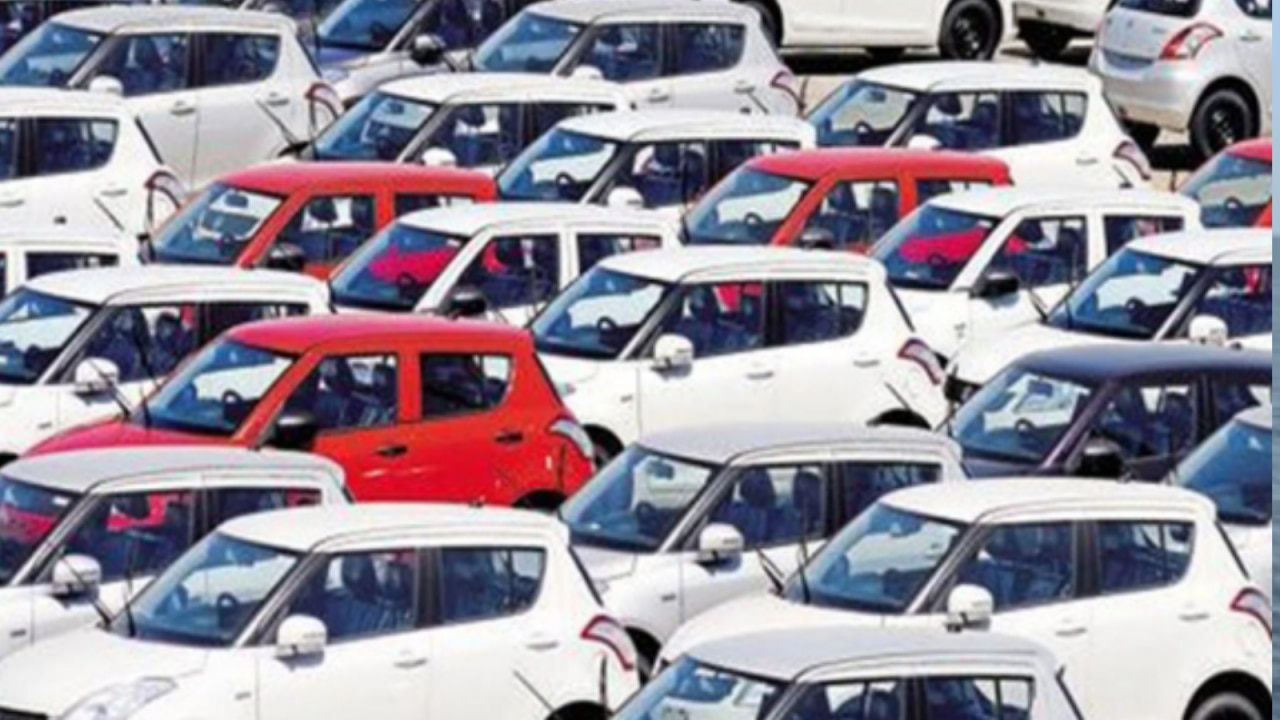
Main Facts: Paving the Way for a Cleaner Fleet
The core of the CAFE-III norms revolves around a significantly tightened emissions target and a more rigorous testing methodology. From April 1, 2027, automakers will be tasked with meeting a fleet-average CO2 target of 91.7 grams per kilometre (g CO2/km). This ambitious goal represents a considerable leap from previous standards, pushing manufacturers to invest heavily in advanced technologies and cleaner powertrains.
Perhaps one of the most impactful changes introduced by CAFE-III is the proposed shift from the existing Modified Indian Driving Cycle (MIDC) to the more globally aligned Worldwide Harmonised Light Vehicles Test Procedure (WLTP) cycle. This transition, slated for completion by March 31, 2027, will fundamentally alter how vehicle efficiency and emissions are measured, demanding more realistic and challenging performance from new models.
)
To facilitate this transition and encourage the adoption of environmentally friendly technologies, the norms introduce a robust system of compliance incentives. These "super-credit factors" are designed to reward automakers for integrating cleaner technologies such as strong hybrids, plug-in hybrid electric vehicles (PHEVs), battery electric vehicles (BEVs), and hydrogen fuel-cell vehicles (FCEVs) into their fleets. Beyond full-electric and hybrid solutions, manufacturers can also gain CO2-reduction benefits for deploying efficiency-enhancing technologies like start-stop systems, regenerative braking, and transmissions with six or more speeds, provided they meet specified conditions.
A notable departure from earlier proposals is the elimination of a separate small-car concession, which had been suggested in the September 2025 draft. This adjustment, coupled with an increase in the reference weight from 1,170 kg to 1,229 kg, signifies a broader application of the new efficiency standards across vehicle segments, potentially impacting the positioning and pricing of entry-level models.

Chronology: The Evolution of India’s Fuel Efficiency Standards
India’s journey towards stricter fuel efficiency norms began with the notification of CAFE-I, which became effective on April 1, 2017. This initial phase set a fleet average fuel consumption target of 130 gm CO2/km, aiming to reduce CO2 emissions by approximately 10% compared to previous levels. The primary objective was to push manufacturers towards more efficient internal combustion engine (ICE) technologies and introduce a foundational framework for environmental responsibility in the automotive sector.
Building on the groundwork laid by CAFE-I, the government introduced CAFE-II, which commenced on April 1, 2022. This second phase further tightened the screws, lowering the fleet average CO2 target to 113 gm CO2/km. CAFE-II marked an intensified focus on efficiency improvements, urging automakers to explore not just incremental engine refinements but also the early adoption of hybrid technologies and lighter materials in vehicle construction. Both CAFE-I and CAFE-II operated under the Modified Indian Driving Cycle (MIDC) for testing, a standard that, while effective for its time, was increasingly seen as less representative of real-world driving conditions compared to international benchmarks.
)
The formulation of CAFE-III has been a multi-year process, involving extensive consultations with industry stakeholders, environmental experts, and government bodies. The initial draft proposals, including the contentious small-car concession, sparked considerable debate within the automotive industry. Automakers voiced concerns about the feasibility of rapid technological shifts and the potential impact on vehicle affordability. Environmental groups, conversely, advocated for even more aggressive targets to align with India’s ambitious climate commitments.
The government’s final notification of CAFE-III on Wednesday, therefore, represents the culmination of this comprehensive consultative process. By setting the effective date for April 1, 2027, it provides automakers with a five-year window to redesign their product portfolios, retool manufacturing facilities, and integrate the necessary advanced technologies. The simultaneous announcement of the shift to the WLTP cycle by March 31, 2027, underscores a strategic decision to align India’s regulatory framework with international standards, enhancing the global competitiveness of Indian-manufactured vehicles and ensuring that the testing methodology accurately reflects actual driving emissions. This phased implementation allows for a managed transition, aiming to balance environmental imperatives with the practicalities of industrial adaptation.
)
Supporting Data: The Mechanics of Compliance and Incentives
The 91.7 g CO2/km fleet-average target for M1 category passenger vehicles under CAFE-III is a significant leap towards decarbonization. To put this into perspective, current global averages vary, but major markets are continuously lowering their targets, making India’s new norm a competitive and progressive step. The Bureau of Energy Efficiency (BEE) will be the nodal agency for monitoring and enforcing these norms, playing a critical role in data collection, credit management, and penalty imposition.
Transition to WLTP: The shift from MIDC to WLTP is crucial. The MIDC, while an Indian standard, has often been criticized for yielding optimistic fuel efficiency figures due to its relatively gentle driving cycles. The Worldwide Harmonised Light Vehicles Test Procedure (WLTP), adopted by many developed nations, is designed to be far more stringent and representative of real-world driving. It incorporates a wider range of speeds, accelerations, and braking, as well as more dynamic driving profiles, including higher average and maximum speeds, leading to more accurate (and often lower) stated fuel efficiency figures. This transition means automakers cannot simply rely on incremental improvements; they must fundamentally enhance vehicle efficiency to meet the new targets under more challenging test conditions.
)
Super-Credit Factors for Cleaner Vehicles: The incentive structure is a cornerstone of CAFE-III. Recognizing the substantial investment required for electric and hybrid technologies, the norms assign "super-credit factors" to these vehicles. For compliance purposes, one Battery Electric Vehicle (BEV) will count as three vehicles in an automaker’s fleet. Similarly, plug-in hybrids or strong hybrids running on flex-fuel ethanol will count as 2.5 vehicles, strong hybrids as 1.6 vehicles, and flex-fuel ethanol vehicles as 1.1 vehicles. This multiplier effect provides a powerful incentive for manufacturers to ramp up production and sales of these greener alternatives, as they disproportionately contribute to meeting the fleet-average CO2 target.
Compliance and Credit System: Automakers have several pathways to compliance:
)
- Earning Credits: Manufacturers whose fleet average CO2 emissions fall below their prescribed target can earn compliance credits. These credits are valuable assets and can be carried forward for a specified period, offering flexibility.
- Pooling Credits: Companies facing challenges in meeting their targets individually can pool credits with other manufacturers. This encourages collaboration and allows larger groups or strategic alliances to optimize their combined fleet performance.
- Buying Credits from BEE: For those unable to meet targets through internal efforts or pooling, the Bureau of Energy Efficiency (BEE) will facilitate the purchase of compliance credits. This mechanism ensures that non-compliant manufacturers still contribute to the overall environmental goal through financial penalties that fund further efficiency initiatives. The cost of these BEE credits is structured to escalate over time, starting at Rs 2,500 per gram of CO2/km in FY28 and increasing to Rs 4,500 by FY32, providing a strong disincentive for non-compliance and encouraging early adoption of green technologies.
Reporting Requirements: Transparency and accountability are central to CAFE-III. Automakers will be required to submit annual compliance reports detailing vehicle-wise sales, actual fuel consumption, CO2 emissions, and unladen weight. This granular data will enable robust monitoring by the BEE and ensure that manufacturers are held accountable for their stated commitments.
Small-Car Concession Removed, Reference Weight Adjusted: The decision to drop the separate small-car concession, which would have given petrol cars weighing up to 909 kg a 3 g CO2/km concession, has significant implications. It signals the government’s intent for all vehicle segments to contribute meaningfully to emissions reduction. The increase in the reference weight from 1,170 kg to 1,229 kg, which is used in the CO2 target calculation formula, means that lighter vehicle fleets will now have relatively more "compliance headroom." This adjustment aims to balance the removal of the small-car concession while still encouraging weight reduction across the board.
)
Official Responses: Industry Perspectives and Policy Recommendations
The announcement of CAFE-III has elicited a range of responses from industry experts and associations, highlighting both the challenges and opportunities presented by the new norms.
Vivek Agarwal, Director, Energy Consulting, Nangia & Co LLP, offered a balanced view on the impact on both automakers and consumers. He noted, "Vehicles meeting CAFE III may cost more upfront because of investments in advanced engines, hybrid technologies, lighter materials, and other fuel-saving technologies." This acknowledgment underscores the significant research and development costs that manufacturers will incur to re-engineer their products. However, Agarwal also highlighted the long-term benefits for consumers, stating that "owners are likely to benefit from better fuel efficiency and lower operating expenses over time." This "pay more now, save later" dynamic will be a key factor in consumer acceptance.
)
Agarwal further emphasized the importance of a "well-managed transition" to ensure vehicles remain affordable and prevent an undue increase in the total cost of ownership for consumers. He proposed policy interventions to mitigate these upfront costs, suggesting that "policymakers could consider targeted subsidies or reduced-interest loans to counterbalance the initial purchase cost of compliant vehicles, along with tax incentives for manufacturers and consumers adopting eco-friendly technologies." Such measures would be crucial in driving market adoption and preventing a slowdown in vehicle sales due to higher prices.
Regarding the impact on automakers, Agarwal stressed the need for a "level playing field across technologies," allowing manufacturers the flexibility to choose their decarbonization pathway—whether through improving conventional engines, developing hybrids, reducing vehicle weight, or adopting EV solutions—based on their specific product lines and customer needs. He acknowledged that the impact would not be uniform across all car segments, particularly with the removal of the small-car concession potentially affecting entry-level models.
)
Vijendra Singh, President, All India Distillers’ Association (AIDA), lauded the CAFE-III notification as a "positive development for both the automobile and biofuel industries" and a crucial step in shaping India’s clean mobility pathway. Singh highlighted the symbiotic relationship between the new norms and the burgeoning ethanol ecosystem, stating, "CAFE-III is not just an auto-sector regulation; it creates a formal policy bridge between India’s expanding ethanol ecosystem and the future of clean mobility." He believes the norms create an enabling framework for the next phase of growth for the ethanol industry, shifting focus towards building a wider Flex-Fuel Vehicles (FFV) ecosystem.
Dr. C.K. Jain, President, GEMA, echoed this sentiment, emphasizing CAFE-III’s potential to support a more diversified mobility system. He praised the recognition of E20 and higher ethanol blends, flex-fuel vehicles, hybrids, CNG, and other fuel-efficiency technologies. Dr. Jain specifically highlighted the "22.3% Carbon Neutrality Factor for flex-fuel ethanol vehicles," which he believes will significantly encourage investment and innovation in the ethanol sector. He also foresaw "closer alignment among automakers, fuel retailers, and the biofuel industry… with greater emphasis on flex-fuel models, higher-blend development, and infrastructure." According to Dr. Jain, "CAFE III gives India a framework to move from achieving an ethanol-blending milestone to building a broader, future-ready ethanol mobility ecosystem."
)
Implications: A Transformative Shift for India’s Automotive Landscape
The CAFE-III norms are set to unleash a wave of transformation across multiple sectors, with far-reaching implications for automakers, consumers, the environment, and the broader economy.
For Automakers:
The most immediate implication for automakers is the necessity for significant strategic re-evaluation and investment. Meeting the stringent 91.7 g CO2/km target under the WLTP cycle will require substantial R&D expenditure in advanced powertrain technologies, lightweighting materials, and aerodynamic design. Companies with a higher proportion of smaller, more fuel-efficient vehicles or those already invested in electrification will find the transition relatively smoother. However, manufacturers with a larger portfolio of traditional SUVs and larger sedans will face a steeper challenge.
The removal of the small-car concession means that entry-level models, traditionally a volume driver in the Indian market, will also need to meet the same stringent standards. This could lead to increased costs for these vehicles, potentially impacting their affordability and market positioning. Automakers will likely respond by accelerating their EV and hybrid portfolios, leveraging the "super-credit factors" to achieve compliance. This could lead to a diversification of product offerings, with a greater emphasis on electric, hybrid, and flex-fuel models across various price points. Strategic partnerships, technology sharing agreements, and even consolidation within the industry might emerge as companies seek to pool resources and expertise to meet the new demands.
)
For Consumers:
Consumers are likely to experience a mixed bag of effects. On one hand, the upfront purchase cost of new vehicles, particularly those equipped with advanced hybrid or electric powertrains, is expected to increase. This is due to the higher manufacturing costs associated with these sophisticated technologies. Vivek Agarwal’s suggestion for government subsidies and reduced-interest loans becomes critical here to ensure that these greener vehicles remain accessible to a broad spectrum of buyers.
However, in the long run, consumers stand to benefit significantly from lower operating expenses. Improved fuel efficiency, whether from advanced ICE, hybrid, or electric vehicles, will translate into substantial savings on fuel bills. The wider availability of diverse, eco-friendly vehicle options will also empower consumers with more choices that align with their environmental consciousness and financial goals. The shift towards WLTP testing also means that the stated fuel efficiency figures will be more reflective of real-world driving, providing consumers with more accurate information.
For the Environment:
The primary objective of CAFE-III is environmental improvement. The targeted reduction in fleet-average CO2 emissions will contribute significantly to India’s climate action goals, including its commitment to achieve Net Zero emissions by 2070. Lower CO2 emissions directly translate to a reduced carbon footprint from the transportation sector, a major contributor to greenhouse gases. Furthermore, the push for cleaner technologies will likely lead to a reduction in other harmful pollutants, such as particulate matter and nitrogen oxides, thereby improving urban air quality and public health. This move positions India as a responsible global player in addressing climate change and promoting sustainable development.
)
For the Energy Sector and Biofuels:
CAFE-III holds immense potential for the energy sector, particularly the burgeoning biofuel industry. The explicit recognition and incentivization of flex-fuel ethanol vehicles and higher ethanol blends (E20 and above) provide a significant boost to the domestic ethanol production ecosystem. This aligns perfectly with India’s national ethanol blending program, which aims to reduce reliance on crude oil imports, enhance energy security, and provide a stable income source for farmers.
The "Carbon Neutrality Factor" assigned to flex-fuel ethanol vehicles will encourage greater investment in sugarcane and other feedstocks for ethanol production. This could catalyze rural economic growth, create jobs, and foster a more sustainable agricultural sector. The anticipated "closer alignment among automakers, fuel retailers, and the biofuel industry" will necessitate the rapid expansion of E20 and E85 compatible fuel infrastructure, ensuring that flex-fuel vehicles can be adequately supported nationwide. This holistic approach signals a strategic pivot towards a diversified energy mix for transportation.
Broader Economic and Societal Impact:
Beyond the immediate sectors, CAFE-III is expected to have broader economic and societal implications. The emphasis on advanced manufacturing and green technologies could spur job creation in R&D, specialized engineering, and manufacturing of components for EVs, hybrids, and flex-fuel vehicles. India could emerge as a hub for green automotive technology, potentially leading to increased exports of compliant vehicles and related components.
However, the transition also presents challenges. The initial cost increase for vehicles could dampen demand in the short term, requiring careful market management and consumer awareness campaigns. The need for a robust charging infrastructure for EVs and a widespread E20/E85 fueling network for flex-fuel vehicles will necessitate significant public and private investment. Effective policy coordination between various ministries (Road Transport, Environment, Petroleum, Agriculture) will be crucial for the successful implementation of these comprehensive norms.
)
In conclusion, India’s CAFE-III norms are a powerful testament to the nation’s commitment to sustainable mobility. While they present formidable challenges for automakers, they simultaneously unlock immense opportunities for innovation, environmental stewardship, and economic diversification. By fostering a cleaner, more efficient, and technologically advanced automotive industry, CAFE-III is poised to reshape how Indians drive, contributing significantly to a healthier planet and a more energy-secure future.
