

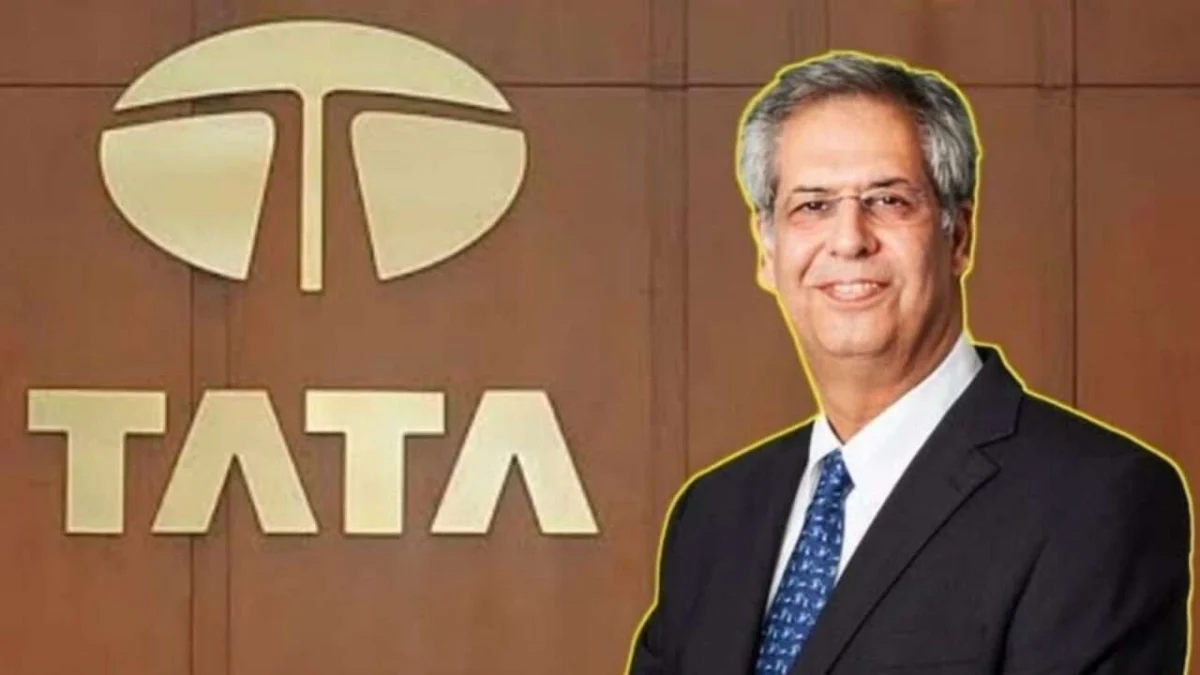
Mumbai, India – In a move that could fundamentally reshape the ownership structure of India’s most iconic conglomerate, Tata Trusts Chairman Noel N Tata has formally presented a proposal to the Tata Sons Board for the acquisition of the Shapoorji Pallonji (SP) Group’s estimated 18.37% stake in Tata Sons. The ambitious plan, valued at a minimum of Rs 25,000 crore, aims to provide crucial liquidity to the SP Group while simultaneously safeguarding Tata Sons’ cherished unlisted status. This development marks a significant turning point in a long-standing corporate saga that has captivated India’s business landscape.
The proposal, which emanated from the SP Group itself and was deliberated during a recent Tata Sons Board meeting, signifies a concerted effort to forge a "fair and equitable solution" to the protracted dispute between the two prominent business families. It envisions a phased buyout, executed over an 18-month period, employing a selective capital reduction process sanctioned by the National Company Law Tribunal (NCLT) and a valuation pegged to income-tax fair value rules. Beyond the immediate financial transaction, the initiative underscores Tata Trusts’ unwavering commitment to maintaining the strategic autonomy and unique governance model of Tata Sons, insulated from the pressures of public markets.
The Core Proposal: A Strategic Liquidity Infusion
At its heart, Noel Tata’s proposal is a meticulously structured plan designed to achieve multiple objectives. The primary goal is to address the SP Group’s long-articulated need for liquidity, allowing them to monetize their significant, albeit unlisted, shareholding in Tata Sons. The shares in question are held by Sterling Investments Corporation Private Limited (SICPL) and Cyrus Investments Private Limited (CIPL), entities controlled by the Mistry family.
The transaction, as outlined by Tata Trusts, stipulates the sale of a sufficient number of these shares to generate a gross consideration of at least Rs 25,000 crore. This minimum valuation is to be determined in strict accordance with Rule 11UA of the Income Tax Rules 1962, a regulatory provision designed to ensure fair market value for unlisted securities. The phased approach, spread across two tranches over an 18-month timeline, suggests a pragmatic recognition of the sheer scale of the financial commitment and the complexities involved in such a large-scale transaction. This extended period would allow Tata Sons ample time to arrange the necessary funding and navigate the intricate regulatory and legal requirements.
)
Crucially, the proposed buyout structure involves Tata Sons initiating a selective capital reduction process through the National Company Law Tribunal (NCLT). This legal mechanism, which requires judicial approval, allows a company to reduce its share capital by buying back shares from specific shareholders. Its use here indicates a desire for a clean and legally robust separation, providing a clear pathway for the SP Group’s exit while ensuring all legal proprieties are observed. The NCLT’s involvement also offers a layer of oversight, protecting the interests of all stakeholders and ensuring transparency in the process.
A Chronology of Conflict and Conciliation
To fully grasp the significance of this proposal, one must delve into the recent history of the relationship between the Tata Group and the Shapoorji Pallonji Group. The Mistry family, through its investment vehicles, has been a significant minority shareholder in Tata Sons for over seven decades, tracing back to the 1920s when Shapoorji Pallonji Mistry acquired a stake. Their 18.37% holding, while substantial, remained a minority position in a company overwhelmingly controlled by charitable trusts.

The serene coexistence was shattered in October 2016 with the abrupt removal of Cyrus Mistry as Chairman of Tata Sons. Mistry, who had previously served as a director on the Tata Sons Board and was the first non-Tata family member to chair the conglomerate in over 70 years, challenged his dismissal, alleging corporate governance failures and oppression of minority shareholders. This initiated a bitter and protracted legal battle that played out across various tribunals and courts, casting a long shadow over the corporate reputation of both groups.
The National Company Law Tribunal initially sided with the Tata Group, but the National Company Law Appellate Tribunal (NCLAT) later reinstated Mistry, a decision that sent shockwaves through the Indian corporate world. The saga ultimately reached the Supreme Court of India, which, in March 2021, delivered a decisive verdict in favour of the Tata Group, overturning the NCLAT’s decision and upholding Mistry’s removal. While the legal battle concluded, the underlying tensions and the SP Group’s desire to exit their investment remained.
)
Following the Supreme Court’s ruling, the SP Group reiterated its stance, indicating its intention to separate its interests from the Tata Group. The legal victory for Tata, while significant, did not resolve the practical challenge of managing a large, disaffected minority shareholder with a substantial, illiquid stake.
The "earlier discussions involving Noel Tata, Tata Sons Chairman N Chandrasekaran and Shapoor Mistry" mentioned in the proposal are therefore critical. These discussions, likely held in the aftermath of the Supreme Court’s verdict and against the backdrop of the SP Group’s expressed liquidity needs, laid the groundwork for the formal proposal. They represent a shift from adversarial litigation to a more collaborative, albeit still complex, negotiation aimed at an amicable separation.
)
A recent development further underscored the urgency and strategic importance of this proposal. On September 11, the Reserve Bank of India (RBI) communicated its rejection of Tata Sons’ request to surrender its registration as a Core Investment Company (CIC). This decision implied that Tata Sons would either need to comply fully with CIC regulations, which include certain capital adequacy requirements and potentially stricter disclosure norms, or explore other structural alternatives. Crucially, it reignited discussions about the potential necessity of a public listing for Tata Sons, a prospect that Tata Trusts has vehemently opposed. The liquidity proposal, therefore, arrives at a moment when Tata Sons’ future structure and its unlisted status are under renewed scrutiny.
Supporting Data: Valuation, Funding, and Governance
The financial and operational details underpinning the proposed buyout are critical to its feasibility and success. The valuation methodology, referencing Rule 11UA of the Income Tax Rules 1962, is a key component. This rule typically requires valuation of unlisted shares at fair market value, often determined using methods such as Discounted Cash Flow (DCF), Net Asset Value (NAV), or comparative transaction multiples. Given the vast and diverse portfolio of Tata Sons, arriving at a consensus fair value for an unlisted entity of its size and complexity is a significant undertaking, requiring detailed financial analysis and independent expert opinions. The specification of a "minimum valuation" of Rs 25,000 crore suggests a floor established during initial discussions, with the final price to be affirmed through the prescribed valuation process.
)
The two-tranche, 18-month period for completion is a practical consideration. It allows for the intricate NCLT process to unfold, secures necessary regulatory approvals, and provides Tata Sons with a manageable timeline to raise the substantial funds required without unduly stressing its financial resources or market operations.
Noel Tata’s comprehensive suggestions to the Tata Sons Board for raising the Rs 25,000 crore highlight the strategic thinking behind the proposal. His recommendations include:
)
- Utilizing internal cash flows: Tata Sons, as the holding company of a vast empire, receives substantial dividends from its operating companies. Prudent management of these cash flows could contribute a portion of the required funds.
- Selling listed shares: Tata Sons holds significant stakes in many publicly listed Tata Group companies, such as Tata Consultancy Services (TCS), Tata Motors, Tata Steel, and Titan. A strategic, well-timed divestment of a small portion of these holdings could generate substantial capital without impacting control. Such sales would need to be carefully managed to avoid any adverse market reactions or significant dilution of control.
- Bringing an investor into some of the group’s newer businesses: The Tata Group has been actively venturing into new-age sectors, including digital platforms (Tata Digital), electric vehicles, and renewable energy. Attracting external investors, potentially private equity firms or strategic partners, into these high-growth businesses could unlock significant value and provide capital for the buyout. This strategy allows Tata Sons to monetize growth potential without diluting its core holdings.
- Listing some businesses through an offer for sale (OFS): Similar to bringing in an investor, this involves taking a currently unlisted subsidiary or a segment of an existing business public. An OFS allows existing shareholders (in this case, Tata Sons or its subsidiaries) to sell a portion of their stake to the public, generating capital. This avenue would also need careful selection of suitable businesses that are mature enough for public listing and can command a good valuation.
These diverse funding avenues demonstrate a proactive and multi-pronged approach to financing, aiming to minimize financial strain while maximizing strategic flexibility.
Official Responses and the "Gold Standard of Governance"
Tata Trusts, the philanthropic entities that collectively hold the majority stake in Tata Sons, have explicitly stated that the proposal is part of their efforts to provide a "fair and equitable solution" to the SP Group. This emphasis on fairness and equity is crucial, aiming to demonstrate good corporate citizenship and a commitment to resolving disputes amicably, even after a protracted legal battle.
)
The Trusts have also consistently maintained their strong preference for Tata Sons to remain unlisted. This stance is rooted in a fundamental philosophy: keeping the holding company private allows for a long-term strategic vision, insulated from the short-term pressures and quarterly earnings expectations of public markets. It enables Tata Sons to focus on nurturing nascent businesses, making strategic investments with longer gestation periods, and upholding its unique role as the guardian of the Tata ethos and values, often prioritizing nation-building over immediate shareholder returns. The unlisted status allows for patient capital and strategic flexibility, which are hallmarks of the Tata Group’s operating model. The RBI’s recent communication further highlights the urgency of finding alternatives to a public listing, reinforcing Tata Trusts’ resolve.
Noel Tata, in his capacity as Tata Trusts Chairman, has actively championed this resolution. His request to the Tata Sons Board to "initiate the necessary NCLT process and authorise the operating team of Tata Sons and Tata Trusts to continue discussions with the SP Group and bankers before reporting back to the Board" underscores the structured and methodical approach being adopted. This delegation ensures that the detailed negotiations and legal groundwork are handled by dedicated teams, while the Board maintains oversight and ultimate decision-making authority.
)
The article also touches upon the concept of the "Gold Standard of Governance," noting that "this separation of the person from the process lies at the core of the ‘Gold Standard Of Governence’: giving respect to individuals and equal regard to institutional rules." This philosophical statement is highly pertinent here. While Noel Tata is a member of the Tata family and Chairman of Tata Trusts, the proposal is presented through formal institutional channels (the Tata Sons Board), subject to established legal processes (NCLT, Rule 11UA valuation), and aims for an "equitable solution." This approach seeks to balance personal relationships and historical ties with the imperative of adhering to robust corporate governance principles, ensuring that decisions are made based on institutional rules and fairness rather than personal influence alone. It aims to demonstrate that even in highly sensitive family-business situations, institutional integrity can prevail.
Broader Implications and Future Outlook
The successful execution of this Rs 25,000 crore buyout would have profound implications for both the Tata Group and the broader Indian corporate landscape.
)
For the Tata Group:
- Resolution of a Protracted Dispute: The most immediate and significant impact would be the definitive resolution of the long-standing and often acrimonious dispute with the SP Group. This would bring much-needed stability, reduce legal overheads, and allow the Tata leadership to fully focus on business growth and strategic initiatives without the distraction of ongoing shareholder litigation.
- Consolidation of Control: By buying out the largest minority shareholder, Tata Trusts would further consolidate its control over Tata Sons. This would reinforce the unique ownership structure where the holding company is predominantly owned by charitable trusts, ensuring its long-term vision and commitment to societal welfare remain paramount.
- Preservation of Unlisted Status: This proposal is a direct and forceful effort to keep Tata Sons unlisted. Should it succeed, it would re-affirm the Group’s strategic choice to operate away from public market pressures, allowing it to pursue long-term, patient capital strategies and uphold its distinctive corporate philosophy.
- Financial Rejig: The financing exercise itself would be a significant undertaking, potentially involving strategic asset sales or new capital raises. This could lead to a restructuring of some parts of the Tata Group’s portfolio or a re-evaluation of its investment strategies in new ventures.
- Enhanced Governance Perception: A successful, amicable, and institutionally sound resolution would bolster the Tata Group’s reputation for strong corporate governance, demonstrating its ability to navigate complex shareholder issues fairly.
For the Shapoorji Pallonji Group:
)
- Critical Liquidity Infusion: The Rs 25,000 crore would provide substantial and much-needed liquidity to the SP Group, which has reportedly faced financial pressures, especially in its infrastructure and construction businesses. This capital could be instrumental in deleveraging its balance sheet, funding new projects, or strategically repositioning its core businesses.
- Strategic Focus: Exiting Tata Sons would allow the SP Group to fully concentrate on its core construction, infrastructure, and real estate businesses, removing the complexities and distractions associated with its minority stake in the diversified Tata conglomerate.
- Clean Break: It would provide a definitive and clean break from the Tata Group, ending a relationship that, while historically significant, became fraught with conflict in recent years.
Broader Corporate Landscape:
- Precedent Setting: This transaction could set a precedent for how large, unlisted, family-controlled conglomerates in India manage and resolve disputes with significant minority shareholders, particularly when liquidity needs are paramount.
- Valuation Benchmarks: The valuation process under Rule 11UA for such a substantial unlisted entity could provide valuable insights and benchmarks for similar transactions in the future.
- Focus on Private Ownership: The strong stance by Tata Trusts to keep Tata Sons unlisted highlights a preference for private, long-term ownership models in certain strategic holding companies, contrasting with the general trend towards public listings.
In conclusion, Noel Tata’s proposal to acquire the SP Group’s stake in Tata Sons represents a pivotal moment. It is an intricate blend of financial strategy, legal maneuvering, and a deep commitment to the Tata Group’s core values and governance philosophy. If successfully executed, it promises to bring an end to a tumultuous chapter, ushering in an era of renewed stability and strategic clarity for one of India’s most influential business empires, while firmly entrenching its unique, unlisted identity. The coming months will be crucial as the Tata Sons Board and its operating teams embark on the complex task of transforming this ambitious proposal into a tangible reality.
