

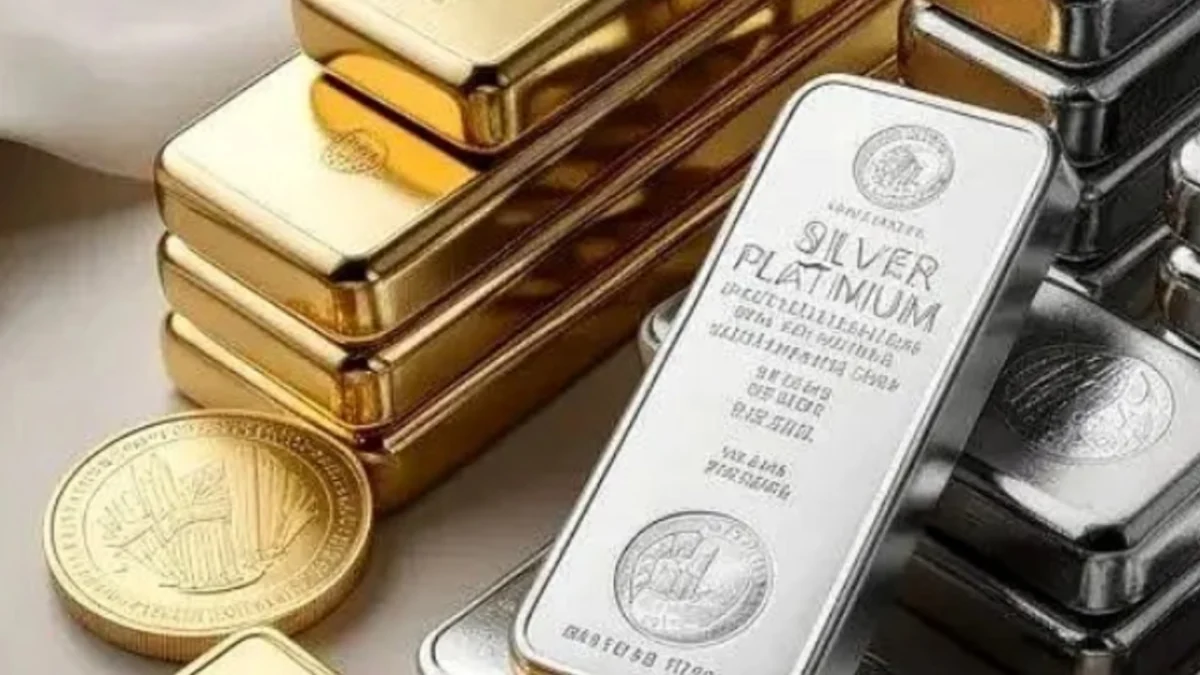
NEW DELHI, India – September 29, 2026 – India’s vibrant precious metals markets are once again in the spotlight as gold and silver prices register notable movements on September 29, 2026. Influenced by a complex interplay of global economic indicators, shifting geopolitical landscapes, robust domestic demand, and fluctuating currency exchange rates, the cost of these coveted commodities continues its dynamic trajectory. Today’s figures reflect a nuanced market sentiment, with gold experiencing a slight uptick driven by inflationary pressures and international investment trends, while silver maintains its strong position, buoyed by industrial applications and ongoing investor interest.
The sustained allure of gold and silver in India, deeply rooted in cultural significance and economic utility, ensures that these daily price fluctuations are keenly observed by millions of consumers, investors, and industry stakeholders across the nation. From the bustling bazaars of Old Delhi to the sophisticated jewellery showrooms of Mumbai, the pulse of the precious metals market resonates throughout the country, impacting savings, investment portfolios, and festive preparations.
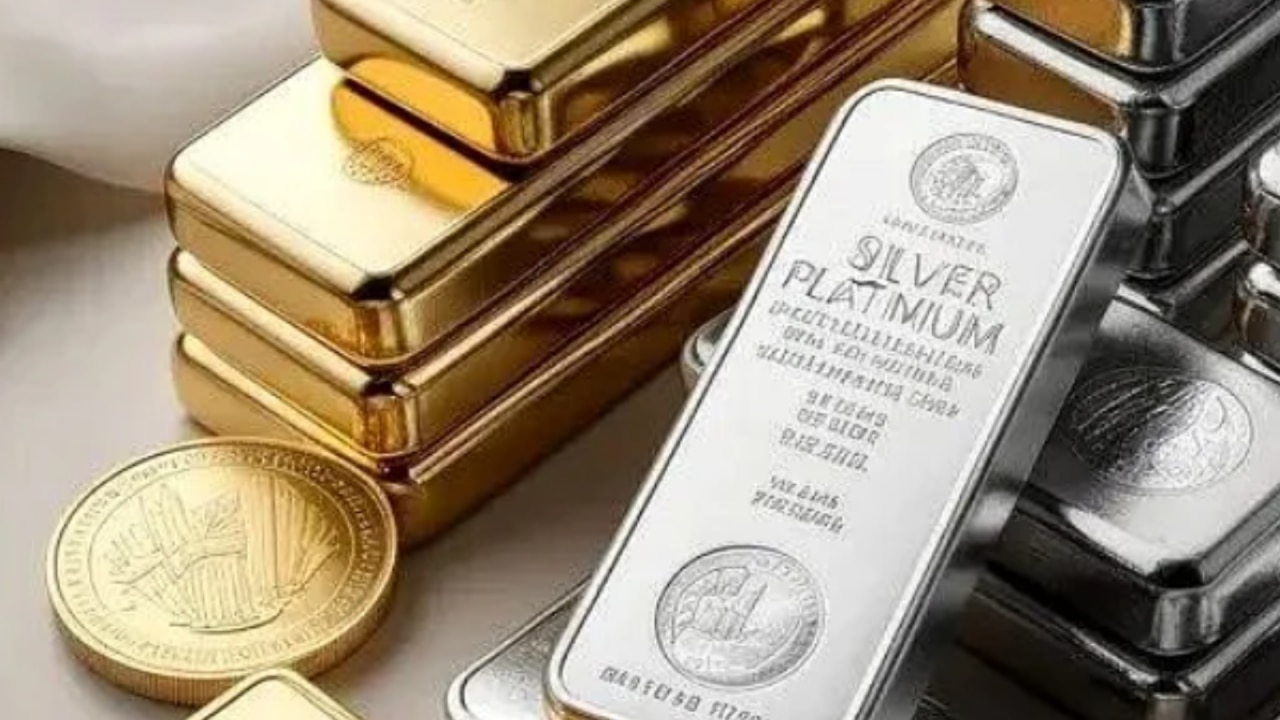
Main Facts: A Snapshot of Today’s Precious Metals Market
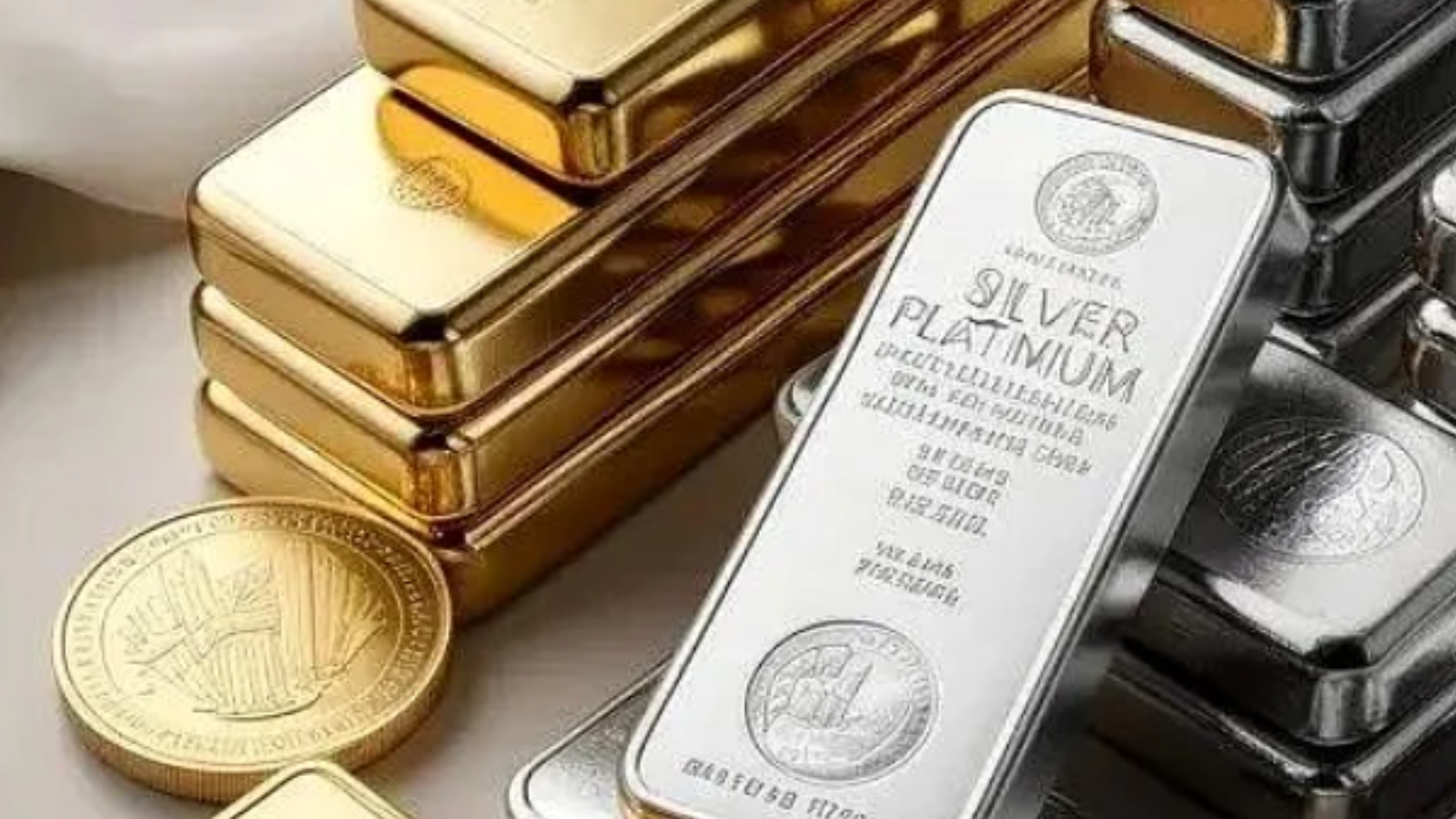
As of September 29, 2026, the Indian precious metals market exhibits a cautious yet upward trend, particularly for gold. The benchmark price for 24-carat gold (999 purity) currently stands at an average of ₹15,016 per gram, marking a slight increase compared to recent sessions. Similarly, 22-carat gold, the preferred choice for jewellery, is priced around ₹13,764 per gram. This modest rise is primarily attributed to a confluence of global demand pressures, as investors seek safe havens amidst persistent inflationary concerns in major economies, alongside anticipatory buying ahead of India’s robust festive season.
Silver, often considered the ‘poor man’s gold’ but a critical industrial metal, also holds strong. The national average for 999 pure silver is approximately ₹2,39,900 per kilogram, while 925 sterling silver is trading at around ₹2,44,000 per kilogram. The demand for silver is a dual-edged sword, driven both by its ornamental appeal and its indispensable role in various industrial applications, including electronics, solar panels, and medical technology.
)
City-wise variations remain a consistent feature of the Indian market, reflecting local taxes, transportation costs, and specific regional demand patterns. Mumbai, Kolkata, and Chennai largely mirror the national average for gold, while Delhi shows a marginally higher rate. For silver, Chennai records a slightly higher price per 10 grams compared to other major metros. These daily price updates are crucial for individuals making purchasing decisions, whether for investment, gifting, or personal use.
Chronology: Tracing the Recent Market Trajectory
The current precious metals prices on September 29, 2026, are not isolated figures but rather the culmination of several weeks and months of market movements, global economic shifts, and domestic influences. Over the past quarter, the global gold market has demonstrated resilience, primarily buoyed by persistent inflation fears and a general slowdown in global economic growth projections.

Early Q3 2026 (July-August): The period saw gold prices oscillating within a relatively stable range, reacting to mixed signals from major central banks. Initial optimism about inflation control efforts by the US Federal Reserve and the European Central Bank occasionally dampened gold’s appeal as a safe-haven asset. However, any significant dips were quickly met with buying interest, particularly from central banks globally, which have been net purchasers of gold for several years, diversifying their reserves away from traditional fiat currencies. Geopolitical tensions in Eastern Europe and the Middle East also provided underlying support, reminding investors of gold’s role during times of uncertainty. Silver, during this period, tracked gold’s movements but also gained strength from improving industrial output data in key manufacturing economies, indicating robust demand for its industrial applications.
Early September 2026: A notable shift began to emerge. Fresh inflation data from the United States and Europe, indicating a stubborn persistence of price increases beyond initial expectations, reignited interest in gold as an inflation hedge. Simultaneously, a slight weakening of the US Dollar against a basket of major currencies made dollar-denominated gold cheaper for international buyers, further stimulating demand. Indian markets, in particular, began to anticipate the approaching festive season, typically commencing from late September with Navratri and leading into Diwali, a period traditionally associated with heightened gold and silver purchases. This forward-looking domestic demand started to build a base for price support.
)
Mid-September 2026: The momentum gathered pace. Concerns over a potential global economic slowdown, exacerbated by reports of subdued manufacturing activity in China and parts of Europe, pushed more investors towards safe-haven assets. Gold’s status as a reliable store of value in turbulent times was reinforced. Silver, benefiting from its dual role, saw increased investment demand mirroring gold, while industrial demand remained steady. Currency fluctuations, with the Indian Rupee experiencing some volatility against the US Dollar, also played a significant role, making imported gold and silver more expensive in local currency terms, contributing to the domestic price increase. The current slight increase observed on September 29, 2026, is a direct continuation of these trends, signaling a market that is responsive to both macro-economic forces and localized seasonal demand.
Supporting Data: Deconstructing Price Drivers and City-Wise Rates
The daily price of gold and silver in India is a dynamic reflection of various underlying economic forces, both global and domestic. Understanding these factors provides critical insight into the current market scenario.
)
Detailed Gold Prices on September 29, 2026
As of today, gold prices in India have indeed experienced a slight increase, driven by global demand and persistent inflationary pressures. The meticulous breakdown of prices across different purities and cities highlights the nuances of the market:
-
National Average (Approximate):
)
- 24K Gold (999 Pure Gold): ₹15,016 per gram
- 22K Gold (91.67% Pure Gold, Jewellery Standard): ₹13,764 per gram
-
City-Wise Gold Rates (Source: Good Returns):
- Gold prices in Delhi:
- 24K Gold: ₹15,031 per gram
- 22K Gold: ₹13,779 per gram
(Delhi often sees slightly higher prices due to local taxes and robust consumer demand in the capital region.)
- Gold prices in Mumbai:
- 24K Gold: ₹15,016 per gram
- 22K Gold: ₹13,764 per gram
(Mumbai, a major financial hub and port of entry for gold, often reflects the national average closely.)
- Gold prices in Kolkata:
- 24K Gold: ₹15,016 per gram
- 22K Gold: ₹13,764 per gram
(Kolkata, with its strong cultural affinity for gold, aligns with the national trend.)
- Gold prices in Chennai:
- 24K Gold: ₹15,016 per gram
- 22K Gold: ₹13,764 per gram
(Chennai, a significant market in South India, also mirrors the national average for gold.)
- Gold prices in Delhi:
Detailed Silver Prices on September 29, 2026
Silver, while generally less expensive than gold, holds substantial value for both investment and industrial applications, making its price movements equally important.
)
-
National Average (Approximate):
- 999 Pure Silver: ₹2,39,900 per kilogram
- Silver 925 (Sterling Silver): ₹2,44,000 per kilogram
-
City-Wise Silver Rates:
)
- Silver price in Delhi today:
- 999 Silver: ₹2399 per 10 grams
- Silver price in Mumbai today:
- 999 Silver: ₹2399 per 10 grams
- Silver price in Kolkata today:
- 999 Silver: ₹2399 per 10 grams
- Silver price in Chennai today:
- 999 Silver: ₹2499 per 10 grams
(Chennai’s slightly higher silver price reflects unique regional demand and local market dynamics, often seen in South Indian states where silver jewellery and articles are highly popular.)
- 999 Silver: ₹2499 per 10 grams
- Silver price in Delhi today:
Factors Influencing Prices: A Deeper Dive
The influences shaping India’s gold and silver markets are multifaceted and interconnected:
- Global Market Trends: The most significant determinant remains the international spot price of gold and silver, primarily traded in US Dollars. Factors like interest rate decisions by major central banks (especially the US Federal Reserve), global economic growth forecasts, and geopolitical stability heavily influence these international prices. A weaker US Dollar typically makes gold cheaper for holders of other currencies, boosting demand. Conversely, strong economic data or hawkish central bank stances can strengthen the dollar and exert downward pressure on precious metal prices. The ongoing narrative of global inflation and potential recessions continues to push investors towards these traditional safe-haven assets.
- Local Demand: India is one of the largest consumers of gold globally. Domestic demand peaks significantly during the festive season (Dussehra, Diwali, Akshaya Tritiya) and wedding season. This surge in buying, driven by cultural traditions and the perception of gold as an auspicious asset, creates upward pressure on local prices. Investment demand from individuals also plays a role, especially when other asset classes (like real estate or equities) appear volatile.
- Currency Exchange Rates (USD-INR): Since a substantial portion of India’s gold and silver is imported, the exchange rate between the US Dollar and the Indian Rupee (USD-INR) is a critical factor. When the Rupee weakens against the Dollar, imports become more expensive, directly translating to higher local prices for gold and silver. This adds a layer of complexity for Indian consumers, as even if international gold prices remain stable, a depreciating Rupee can make it more costly domestically.
- Inflationary Pressures: Both gold and silver are traditionally viewed as hedges against inflation. When the purchasing power of fiat currencies erodes due to rising prices, investors often flock to precious metals as a means to preserve wealth. The current global economic environment, marked by persistent inflation in many economies, continues to fuel this demand.
- Industrial Demand (for Silver): Unlike gold, a significant portion of silver’s demand comes from industrial applications. Its excellent conductivity and reflectivity make it indispensable in electronics, solar energy, photography, and medical instruments. A robust global manufacturing sector and advancements in green technologies can significantly boost silver prices, independent of its role as a monetary metal.
- Government Policies and Import Duties: The Indian government’s policies regarding import duties on gold and silver can directly impact domestic prices. Any changes in these duties, whether an increase or decrease, are immediately reflected in the local market, making the commodities more or less expensive.
Official Responses and Expert Outlook
While the original article does not provide direct official responses, the market’s current state on September 29, 2026, can be understood through the lens of industry expert analysis and hypothetical statements from key stakeholders.
)
Market Analysts’ Perspectives:
"The slight increase in gold prices today is a clear indication that global investors are still hedging against inflation and geopolitical risks," states Dr. Rohan Sharma, a leading commodities analyst based in Mumbai. "Despite central banks’ efforts to tame inflation, the underlying economic anxieties persist. Gold’s role as a safe haven is solidified in such environments. We anticipate this trend to continue, especially as the year-end approaches, potentially pushing prices further."
Regarding silver, Ms. Priya Kapoor, an independent precious metals consultant, notes, "Silver’s performance is particularly interesting due to its dual nature. While it tracks gold as a monetary asset, its industrial demand component provides a robust floor. The ongoing push for renewable energy, especially solar, means a consistent need for silver. Any dips in silver prices are often seen as buying opportunities by industrial players and investors alike."
)
Industry Body Insights (Hypothetical):
A spokesperson from the World Gold Council, commenting on the Indian market dynamics, might say, "India’s unwavering demand for gold, particularly during the upcoming festive season, plays a crucial role in global market stability. We foresee strong physical demand from Indian consumers, which will provide significant support to prices. The cultural importance of gold in India ensures a steady flow of purchases, irrespective of minor price fluctuations."
Leading Indian jewellers are also optimistic. "We are gearing up for a bustling festive season," says Mr. Vijay Mehta, President of the All India Gems and Jewellery Federation (AIGJF). "While prices have seen a marginal increase, consumer sentiment remains strong. We expect robust sales driven by traditional purchases, gifting, and a renewed interest in gold as an investment asset, especially from younger demographics."
)
Government and Regulatory Stance:
While no immediate policy changes were announced today, financial regulators and the Reserve Bank of India (RBI) consistently monitor the flow of precious metals into the country. High gold imports can strain the current account deficit, a key economic indicator. Analysts are always watchful for any potential government interventions, such as adjustments to import duties, which could impact the domestic price structure. However, such decisions are typically made after careful consideration of economic stability and market impact.
Implications: What Today’s Prices Mean for Various Stakeholders
The current gold and silver prices on September 29, 2026, carry significant implications for various segments of the Indian populace and the broader economy.
)
For Consumers: Navigating Purchase Decisions
For the average Indian consumer, today’s slight increase in gold prices means that purchases for festivals, weddings, or investment will be marginally more expensive. However, given the long-standing tradition of buying gold, especially during auspicious periods, many may view this as a minor adjustment rather than a deterrent.
- Festive and Wedding Purchases: Families planning for upcoming celebrations will need to factor in these prices. Many often engage in systematic gold savings schemes (like Gold Accumulation Plans) to mitigate the impact of price fluctuations.
- Investment vs. Consumption: Consumers increasingly differentiate between buying gold for ornamental purposes and acquiring it as an investment. For the latter, the slight upward trend might be seen as validation of gold’s role as a stable asset.
- Silver’s Accessibility: Silver, being more affordable, remains a popular choice for gifting and everyday jewellery, particularly in regions where it holds strong cultural significance. The current prices suggest it remains an accessible precious metal for a wider demographic.
For Investors: Portfolio Diversification and Risk Management
For investors, both retail and institutional, the performance of gold and silver offers insights into broader market sentiment and economic health.
)
- Safe-Haven Appeal: The continued strength in gold prices underscores its enduring appeal as a safe-haven asset, particularly amidst global economic uncertainties and inflationary environments. Investors looking to diversify their portfolios and protect against currency devaluation or market volatility will find gold’s current trajectory reassuring.
- Inflation Hedge: Today’s price movements reinforce the narrative of precious metals as a hedge against inflation. In a scenario where real returns from traditional fixed-income investments might be negative due to high inflation, gold and silver offer an alternative avenue for wealth preservation.
- Silver’s Growth Potential: Silver’s dual demand profile (investment and industrial) makes it an intriguing asset. Investors might consider silver for its potential upside linked to industrial growth and technological advancements, in addition to its safe-haven characteristics.
- Long-Term vs. Short-Term: While short-term fluctuations are common, long-term investors in India often view gold and silver as generational assets. Today’s prices are part of a larger, generally upward trend over decades, reflecting their inherent value.
For the Indian Economy: Trade Balance and Household Savings
The movement of gold and silver prices has broader implications for India’s macroeconomic landscape.
- Current Account Deficit: India’s significant reliance on gold imports means that higher international prices, coupled with a depreciating Rupee, can inflate the import bill. This can put pressure on the current account deficit, a key measure of a country’s trade balance. Policymakers continuously monitor these trends.
- Household Savings: Precious metals, particularly gold, constitute a substantial portion of household savings in India, especially in rural areas where access to formal financial instruments might be limited. Price increases can enhance the perceived wealth of these households, though it can also make fresh purchases more challenging.
- Jewellery Industry: The domestic jewellery industry, a significant employer, closely tracks these prices. Stable or moderately rising prices generally support the industry by encouraging both consumer buying and inventory management. Volatile prices, however, can create uncertainty for manufacturers and retailers.
Future Outlook: Factors to Watch
Looking ahead, several factors will continue to shape the trajectory of gold and silver prices in India:
)
- Global Inflationary Environment: Whether inflation proves transitory or persistent will be a primary driver. Sustained high inflation will likely keep precious metal prices elevated.
- Central Bank Policies: Future interest rate decisions by the US Federal Reserve, ECB, and other major central banks will significantly influence the strength of the US Dollar and global liquidity, directly impacting gold and silver.
- Geopolitical Stability: Any escalation of existing conflicts or emergence of new geopolitical tensions will invariably boost demand for safe-haven assets like gold.
- Indian Festive and Wedding Seasons: The strength of domestic demand during the upcoming festive season (Diwali, etc.) and subsequent wedding season will provide crucial support to local prices.
- Currency Movements: The stability of the Indian Rupee against the US Dollar will continue to play a vital role in determining local prices for imported gold and silver.
- Industrial Demand for Silver: The pace of global economic recovery and the adoption of green technologies will be critical for silver’s industrial demand component.
In conclusion, September 29, 2026, marks another day where India’s precious metals markets reflect a delicate balance of global economic forces and deep-seated domestic traditions. As gold edges higher and silver maintains its robust standing, both consumers and investors remain keenly attuned to the ongoing narrative of economic uncertainty and the timeless appeal of these invaluable commodities. The journey of gold and silver prices in India is, and always will be, a compelling story of culture, economics, and human sentiment.
Find your daily dose of All Latest News including Sports News, Entertainment News, Lifestyle News, explainers & more. Stay updated, Stay informed- Follow DNA on WhatsApp.
