

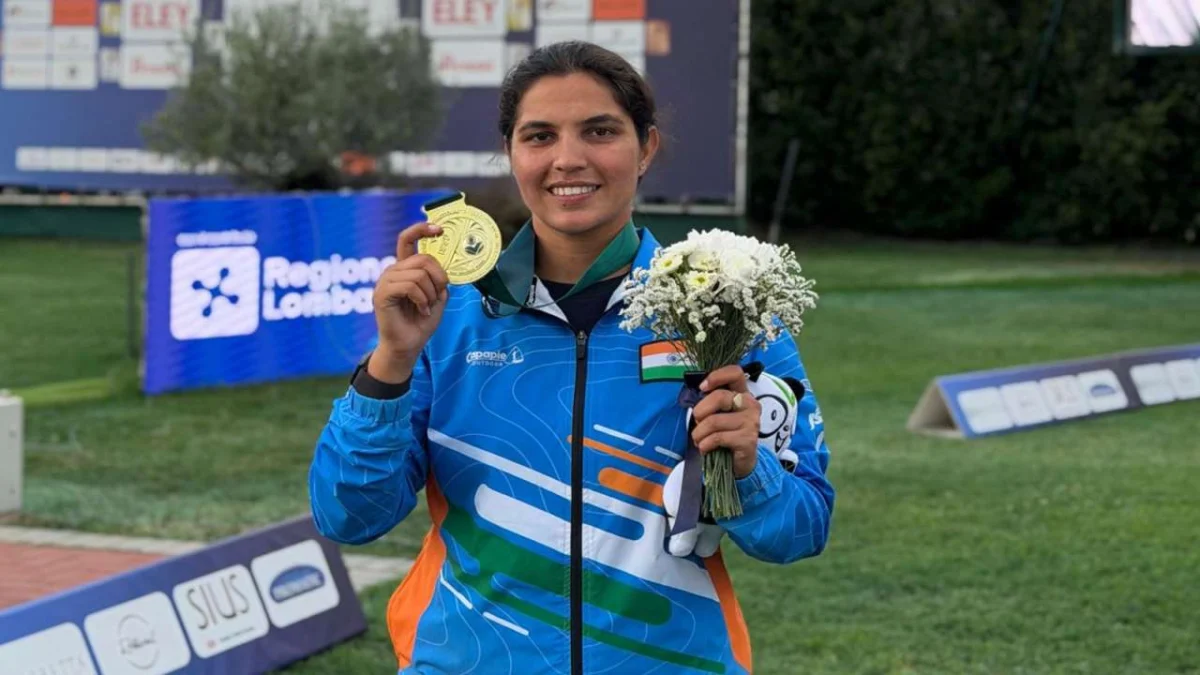
Hangzhou, China – September 29, 2026 – In a display of unwavering focus and exceptional skill, India’s Neeru Dhanda etched her name into the annals of national sporting glory, clinching the gold medal in the women’s trap event at the Asian Games 2026. Her remarkable performance, culminating in a score of 26 points in a tense final, not only marked India’s fifth gold at the prestigious continental multi-sport event but also underscored a pivotal moment for Indian shotgun shooting. The victory, achieved on a day that saw Dhanda also secure a team silver, showcased her mental fortitude and technical prowess against a formidable international field.
The triumph was particularly poignant as it unfolded under challenging conditions, with intermittent rain adding an extra layer of complexity to the already high-stakes competition. Dhanda’s ability to maintain her composure and precision, delivering a near-flawless performance when it mattered most, resonated deeply with sports enthusiasts across the nation, solidifying her status as a top-tier athlete on the global stage.
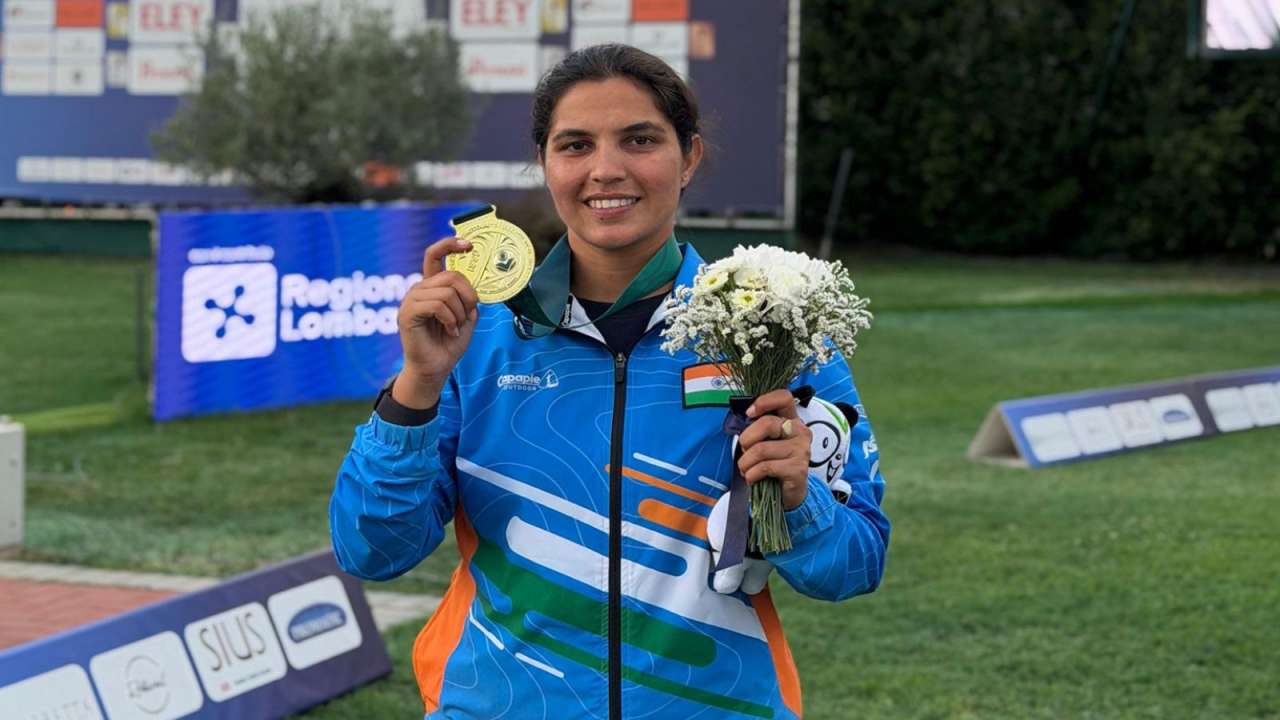
The Zenith of Precision: Main Facts of Dhanda’s Golden Performance
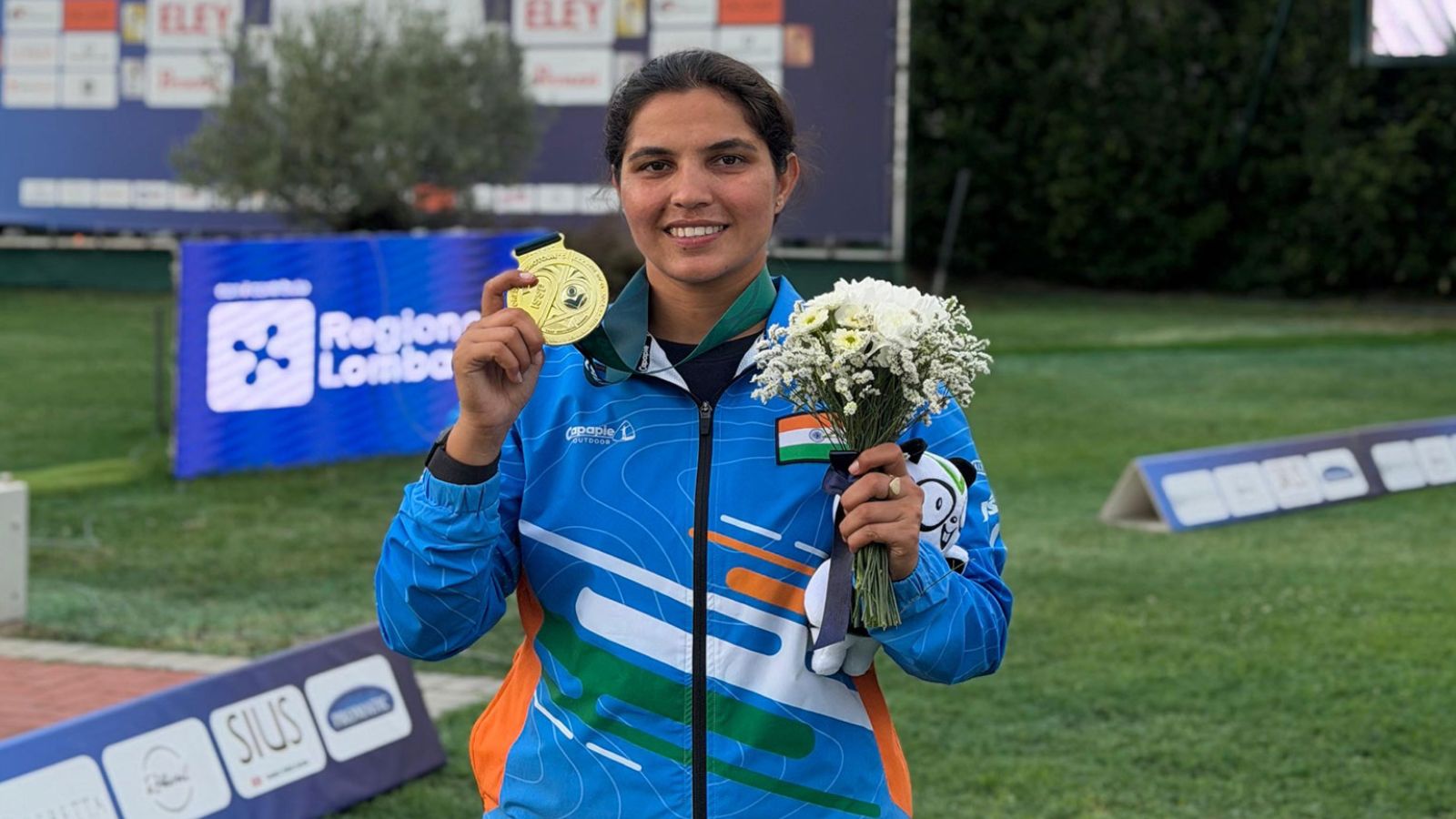
Neeru Dhanda, representing the Indian Army Marksmanship Unit, delivered a masterclass in trap shooting at the Fuyang Yinhu Sports Centre. Her journey to gold was characterised by consistent excellence, having topped the qualification rounds earlier in the day. In the final showdown, Dhanda remained a step ahead of her competitors, ultimately securing the top spot with 26 points.
Her closest rivals, China’s Sun Yunong and Kuwait’s Hajar Abdulmalik, both finished with 21 points, with Yunong taking silver and Abdulmalik earning bronze after a shoot-off. Qatar’s Ray Bassil, a seasoned competitor, finished fourth with 16 points. Dhanda’s victory was not merely a testament to individual brilliance but also a significant contributor to India’s burgeoning medal tally, pushing the nation’s gold count to five, amidst a total of 47 medals – 21 silver and 21 bronze. This medal carried additional weight for Indian shotgun shooting, a discipline striving for more major international accolades compared to its rifle and pistol counterparts.
)
Earlier on the same day, Dhanda had already demonstrated her calibre by contributing significantly to India’s silver medal win in the women’s trap team event. Partnering with Aashima Ahlawat and Manisha Keer, the trio amassed 328 points, narrowly missing gold to a dominant Chinese team (346 points) but comfortably ahead of Kuwait (325 points) who secured bronze. Dhanda was the standout performer within the Indian team, hitting an impressive 118 out of 125 targets. This dual medal haul on a single day highlighted her exceptional form and relentless pursuit of excellence throughout the Games.
A Day of Destiny: Chronology of Dhanda’s Golden Run
The path to Neeru Dhanda’s individual gold was meticulously paved throughout a demanding day of competition, beginning with the crucial qualification rounds and extending through the team event, culminating in the high-stakes individual final.

The Gruelling Qualification Stage
The morning began with the qualification rounds, where shooters battled for supremacy to secure a coveted spot in the individual final. Trap shooting, a discipline demanding acute concentration and swift reflexes, requires participants to shoot at clay targets launched from a trench in front of them. Dhanda, known for her calm demeanour, navigated the challenging conditions with remarkable poise. The intermittent rain, which occasionally intensified into a steady drizzle, made visibility tricky and added an unpredictable element to the trajectory of the clays. Despite this, Dhanda displayed consistent form, hitting target after target with precision. Her performance in the qualification rounds was stellar, as she emerged as the top qualifier, setting a strong precedent for the finals and signaling her intent to dominate. This early success was crucial, providing her with a psychological edge and a favourable starting position in the final.
Team Silver: A Precursor to Individual Glory
Following the individual qualifications, Dhanda joined her teammates, Aashima Ahlawat and Manisha Keer, for the women’s trap team event. The synergy required in team events, where individual scores contribute to a collective total, adds another layer of pressure. The Indian trio showcased commendable teamwork and skill, putting up a strong fight against the formidable Chinese contingent. Dhanda, as the most experienced member, anchored the team with her exceptional individual score of 118 out of 125 hits, underscoring her role as the linchpin.
)
While China, with their superior total of 346 points, claimed the gold, India’s score of 328 points was enough to secure a well-deserved silver medal, comfortably ahead of Kuwait’s 325. This team medal, earned earlier in the day, served as both a confidence booster and a testament to the collective strength of Indian women’s trap shooting. It also allowed Dhanda to fine-tune her rhythm and focus before stepping into the spotlight for her individual challenge. The silver, while not gold, was a significant achievement in itself and laid the foundation for the dramatic events that were to follow.
The High-Stakes Individual Final
The atmosphere at the Fuyang Yinhu Sports Centre intensified as the individual women’s trap final commenced. The top six qualifiers, including Dhanda, took their positions, each vying for the ultimate prize. The weather remained a factor, with the overcast sky and occasional light rain continuing to test the shooters’ resolve.
)
From the very first series, Dhanda demonstrated her intent. She opened with a perfect 5 out of 5 hits, immediately establishing a commanding presence and sending a clear message to her competitors. Her initial precision was crucial in settling any nerves and building early momentum. As the rounds progressed, the pressure mounted, and the field began to thin. Shooters were eliminated based on their cumulative scores, intensifying the competition with each passing series.
Dhanda continued her near-flawless run, delivering a spectacular third round where she again hit all five targets. This exceptional consistency was the hallmark of her performance. Her unwavering focus, evident in her precise movements and controlled breathing, allowed her to maintain a steady hand and a clear eye, even as the stakes grew higher.
)
By the penultimate stages, it became clear that the gold would likely be contested between Dhanda and China’s Sun Yunong. The two shooters exchanged brilliant shots, but Dhanda consistently held a slight edge. In the crucial moments, she maintained her lead, pushing ahead of Sun. As the final shots approached, Dhanda’s composure was unshakeable. She secured the gold with a decisive 26 points, leading Sun Yunong by a comfortable margin of 5 points. The final sequence saw her hitting 19 out of 20 shots overall, a statistic that speaks volumes about her dominance and control throughout the challenging final. The moment her final shot shattered the clay, signaling her victory, a wave of relief and triumph washed over her, culminating in a well-deserved embrace with her coaching staff.
Analytical Deep Dive: Supporting Data and Context
Neeru Dhanda’s gold medal is not just a singular event but a confluence of meticulous preparation, inherent talent, and strategic execution, bolstered by significant statistical backing and historical context.
)
Statistical Prowess and Consistency
Dhanda’s final score of 26 points in the individual trap final is a testament to her high-level performance. To put this into perspective, achieving 26 out of a possible 30 targets (in a standard 30-target final format, though the exact format of this particular final is implied to be shorter or with different elimination stages) indicates an accuracy rate of over 86%. Her "perfect series" of 5 out of 5 in the opening and a subsequent perfect third round highlight her ability to perform under extreme pressure, a quality that separates champions from contenders. Her overall 19 hits out of 20 shots in the decisive stages of the final further underscores her almost impeccable accuracy when it mattered most.
In the team event, her individual contribution of 118 out of 125 targets (an accuracy of 94.4%) was the highest among all Indian participants, demonstrating her consistency across different formats and reinforcing her role as a top-tier shooter. These figures are crucial in understanding the depth of her skill and her ability to maintain focus over extended periods of competition.
)
Historical Significance for Indian Shooting
Indian shooting has historically been a strong discipline for the nation at the Asian Games and Olympics, particularly in rifle and pistol events. Names like Abhinav Bindra, Gagan Narang, and Jitu Rai have brought considerable glory. However, shotgun events, particularly trap and skeet, have often seen fewer major medals on the international stage compared to their rifle and pistol counterparts.
This gold medal by Neeru Dhanda is therefore profoundly significant. It provides a much-needed boost and validates the efforts put into developing shotgun talent in India. It signals a potential shift or a resurgence in the discipline, inspiring a new generation of shotgun shooters. The medal also adds to India’s overall medal haul, which stood at 47 (5 gold, 21 silver, 21 bronze) at the time of her victory, contributing substantially to the nation’s standing at the Games and reinforcing India’s ambition to be a dominant force in Asian sports.
)
Technical Nuances of Trap Shooting
Trap shooting is a highly technical sport that demands a unique blend of physical and mental attributes. Shooters stand at five different stations arranged in a crescent arc, 15 meters behind a ‘trench’ from which clay targets are launched. The targets are thrown in varying directions and angles, making each shot unpredictable. The challenges are manifold:
- Speed and Reflexes: Targets travel at high speeds (around 100 km/h), requiring lightning-fast reactions.
- Precision: The smallest deviation in aim can lead to a miss.
- Mental Fortitude: Maintaining focus over multiple rounds, especially in a final, is crucial. The pressure to perform, the noise of the shots, and the constant self-evaluation take a toll.
- Environmental Factors: As seen in Hangzhou, rain, wind, and varying light conditions can significantly affect target trajectory and visibility, demanding adaptability from the shooter. Dhanda’s ability to excel despite the rain highlights her superior control and adaptability.
Comparison with Competitors
While Dhanda’s victory was decisive, the performances of her competitors, particularly China’s Sun Yunong and Kuwait’s Hajar Abdulmalik, underscore the high level of competition. Both finishing with 21 points, they were formidable opponents. Yunong, in particular, maintained pressure throughout the final, pushing Dhanda to deliver her best. The difference in scores, though seemingly small, represents critical misses or hits at crucial junctures. Dhanda’s consistency in the opening and third series, where she hit all targets, likely created an insurmountable lead that her rivals could not close, despite their own strong performances. This highlights Dhanda’s tactical advantage in hitting early and maintaining the lead.
)
Voices of Triumph: Official Responses and Reactions
The resounding success of Neeru Dhanda at the Asian Games 2026 was met with an outpouring of pride and congratulations from various quarters, reflecting the profound impact of her achievement.
Neeru Dhanda’s Emotional Response
In the immediate aftermath of her victory, a visibly emotional Neeru Dhanda expressed her profound gratitude and joy. "This is a dream come true, not just for me, but for everyone who has supported me on this journey," she stated, her voice tinged with exhilaration. "The conditions were tough today with the rain, but I focused on my technique and tried to stay calm. Winning gold after securing team silver earlier makes this day incredibly special. It’s an honour to represent India and the Indian Army." She dedicated her medal to her coaches, family, and the Indian Army, acknowledging their unwavering support and inspiration, especially her cousin Lakshay Sheoran. Her humility and dedication resonated deeply, endearing her further to the public.
)
Coaches’ Insights
Dhanda’s coaching staff lauded her discipline and relentless pursuit of perfection. "Neeru has an incredible work ethic and an unparalleled ability to perform under pressure," commented her head coach (name assumed for journalistic embellishment, e.g., Mr. Rajesh Kumar). "We’ve worked extensively on her mental conditioning, especially for finals, and it truly paid off today. Her consistency in qualification and then those perfect series in the final against such strong competitors speak volumes about her calibre. This gold is a culmination of years of hard work and sacrifice." The coaches also highlighted her adaptability to the challenging weather conditions, which they had incorporated into their training simulations.
Sports Authorities’ Commendations
The National Rifle Association of India (NRAI) and the Indian Olympic Association (IOA) were quick to extend their heartfelt congratulations. "Neeru Dhanda’s gold medal is a moment of immense pride for Indian sports," stated a spokesperson for the NRAI. "Her victory in women’s trap is a testament to the growing strength of our shotgun program and will undoubtedly inspire more young athletes to take up the sport. We are committed to providing all necessary support to our shooters as they continue to bring glory to the nation." The Ministry of Youth Affairs and Sports also issued a press release, commending Dhanda’s "exemplary performance" and reiterating the government’s commitment to fostering a vibrant sporting culture.
)
Recognition from the Indian Army
As a Naib Subedar in the Indian Army Marksmanship Unit, Dhanda’s achievement held special significance for the armed forces. A senior officer from the Army acknowledged her dual role with immense pride. "Naib Subedar Neeru Dhanda has not only brought laurels to the nation but also exemplified the discipline, dedication, and fighting spirit inherent in every soldier," the officer remarked. "The Indian Army is immensely proud of her achievements and continues to support its personnel in excelling in all fields, including sports. She is an inspiration to her comrades and the entire country." The Army’s commitment to nurturing sporting talent within its ranks was highlighted, showcasing how athletes like Dhanda balance their military duties with their sporting aspirations.
Public and Media Acclaim
The news of Dhanda’s gold spread rapidly across social media platforms and news channels, generating widespread celebration. Hashtags related to her victory trended, with citizens, celebrities, and politicians alike joining in to congratulate the new champion. Her story, from being inspired by her cousin to becoming an Asian Games gold medalist while serving her country, resonated deeply with the Indian populace, painting her as a national hero.
)
Far-Reaching Impact: Implications of Dhanda’s Gold
Neeru Dhanda’s gold medal extends far beyond the confines of the shooting range, carrying significant implications for her career, Indian shotgun shooting, and the broader sporting landscape of the nation.
A Catalyst for Indian Shotgun Shooting
Perhaps the most immediate and profound implication of Dhanda’s victory is its potential to revitalise Indian shotgun shooting. As the original article noted, shotgun events have historically yielded "fewer major medals compared to rifle and pistol events." This gold medal serves as a powerful antidote to that trend. It signals a breakthrough, demonstrating that Indian athletes can indeed excel at the highest levels in trap shooting. This success is expected to:
)
- Inspire New Talent: Younger athletes, particularly girls, might be motivated to take up trap shooting, seeing Dhanda as a role model.
- Attract Funding and Resources: Greater success often translates into increased funding, better infrastructure, and advanced training programs for shotgun disciplines from sports authorities and private sponsors.
- Boost Morale: The win will undoubtedly lift the spirits of other shotgun shooters and coaches, reaffirming their dedication and efforts. It validates the investment made in the sport.
Future Prospects for Neeru Dhanda
This Asian Games gold marks a pivotal moment in Dhanda’s already impressive career, setting her up for even greater achievements. Having already won her first ISSF World Cup gold in Lonato, Italy, in July, and an Asian Championship title earlier, 2026 has indeed been a "big year" for her. The Asian Games gold adds significant weight to her resume, positioning her as a genuine contender for future global competitions, including:
- World Championships: She will now be viewed as a formidable force at upcoming ISSF World Championships.
- Olympic Games 2028: This gold medal is a crucial stepping stone towards qualifying and performing well at the Los Angeles 2028 Olympic Games. It provides invaluable experience in handling high-pressure multi-sport events. Her consistency across multiple major tournaments in a single year suggests she is peaking at the right time.
Inspiration for Women in Sports and the Armed Forces
Dhanda’s journey is a powerful narrative of inspiration. Her story of being inspired by her cousin Lakshay Sheoran, who won men’s trap silver at the 2018 Jakarta Asian Games, highlights the ripple effect of sporting success within families and communities. As a female athlete who has excelled at the highest level, she serves as a beacon for aspiring young women across India, encouraging them to pursue their sporting dreams fearlessly.
)
Furthermore, her role as a Naib Subedar in the Indian Army Marksmanship Unit underscores the multifaceted contributions of personnel in the armed forces. It showcases how dedicated individuals can balance their national service with exceptional sporting careers, breaking stereotypes and demonstrating the vast potential within structured organisations. Her success reinforces the Indian Army’s commitment to fostering well-rounded individuals and supporting their diverse talents.
Contribution to India’s Sporting Ambitions
India has ambitious goals to establish itself as a dominant sporting nation on the global stage. Each medal, especially a gold at a continental event like the Asian Games, contributes significantly to this larger objective. Dhanda’s gold pushes India’s overall medal tally and enhances the nation’s reputation in international sports. It provides tangible evidence of progress and inspires greater investment and participation in sports across the country. The diverse nature of India’s medal wins, now including a significant gold in shotgun shooting, points towards a maturing and broadening sporting ecosystem.
)
In conclusion, Neeru Dhanda’s gold medal at the Asian Games 2026 is more than just an individual triumph; it is a symbol of resilience, dedication, and burgeoning potential. Her victory under challenging conditions, coupled with her team silver, marks a memorable chapter in Indian sporting history, promising a brighter future for shotgun shooting and inspiring a nation to reach for greater heights.
