

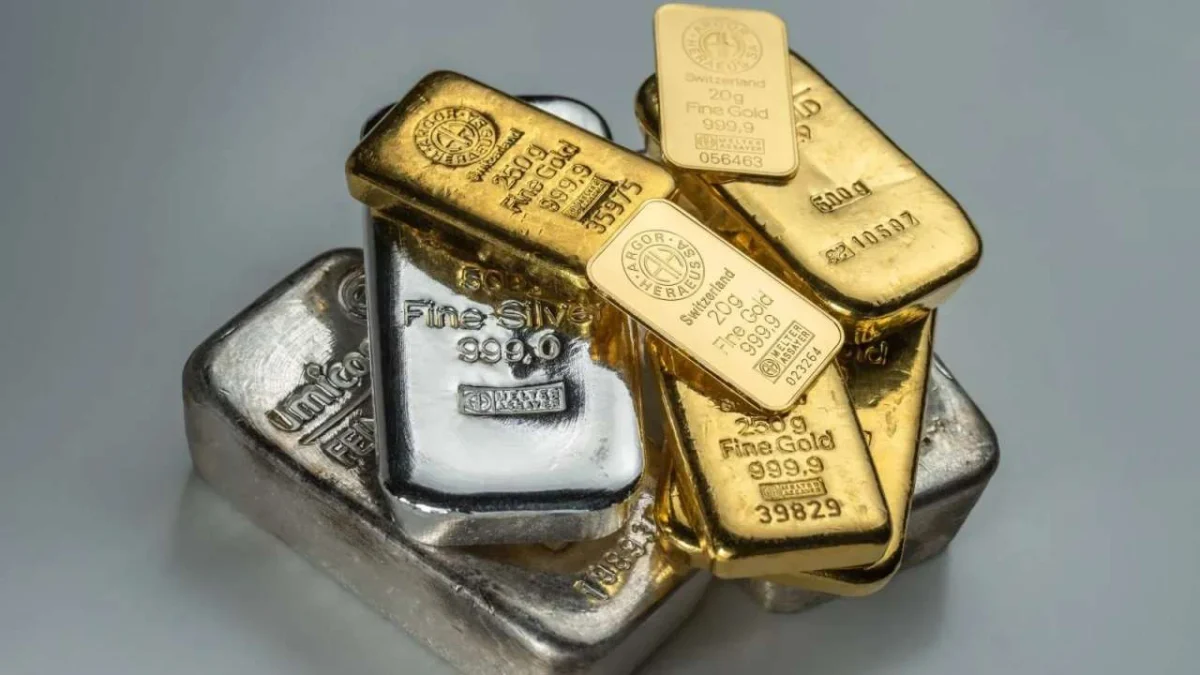
Mumbai, India – September 23, 2026 – India’s vibrant precious metals market is once again under the spotlight as gold and silver prices continue their upward trajectory, reflecting a complex interplay of global economic forces, robust domestic demand, and fluctuating currency valuations. As of September 23, 2026, both yellow and white metals have registered significant gains, underscoring their enduring appeal as safe-haven assets and crucial components of India’s cultural and economic fabric.
The current surge, driven by persistent inflationary pressures globally and a strategic shift in investment patterns, presents both opportunities and challenges for consumers and investors alike. Market analysts are closely monitoring these trends, anticipating further volatility in the run-up to the festive season and beyond.
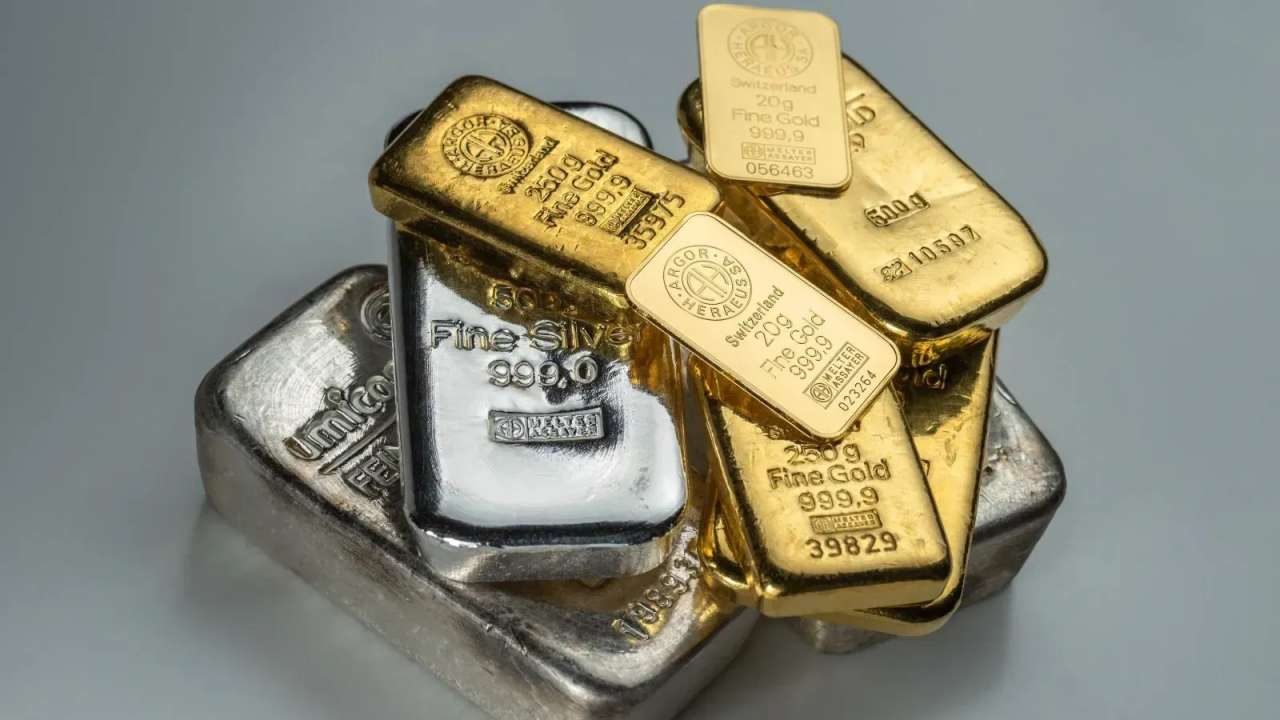
I. Main Facts: Current Price Snapshot and Key Influencers
Today, September 23, 2026, gold prices across India have witnessed a discernible increase, largely attributed to escalating global demand and sustained inflationary concerns that continue to ripple through major economies. The benchmark price for 24-Karat gold (999 purity) is pegged at Rs 15,283 per gram in major metropolitan centres like Mumbai, Kolkata, and Chennai, with Delhi recording a slightly higher rate of Rs 15,298 per gram. Simultaneously, 22-Karat gold (91.67% pure), the preferred choice for jewellery, is priced at Rs 14,009 per gram in Mumbai, Kolkata, and Chennai, and Rs 14,024 per gram in the national capital.
Silver, often referred to as the "poor man’s gold," has also demonstrated a strong performance. The price for 999 pure silver stands at approximately Rs 2,44,900 per kilogram, translating to Rs 2,449 per 10 grams across Delhi, Mumbai, and Kolkata. Chennai, however, shows a marginally elevated rate of Rs 2,499 per 10 grams. Sterling silver (925 purity) is currently valued at Rs 2,44,000 per kilogram.
)
The principal drivers behind these valuations remain consistent:
- Global Market Trends: Geopolitical uncertainties, monetary policies of leading central banks, and commodity market speculation.
- Local Demand: India’s insatiable appetite for gold, particularly during wedding seasons and festivals.
- Currency Rates: The exchange rate between the Indian Rupee and the US Dollar, directly impacting import costs.
- Inflationary Pressures: Gold’s traditional role as a hedge against rising prices.
- Industrial Demand (for Silver): Its increasing use in green technologies and electronics.
This intricate web of factors makes the Indian precious metals market one of the most dynamic globally, influencing millions of households and businesses.

II. Chronology: The Journey to September 2026 – A Historical Perspective
The current price levels of gold and silver on September 23, 2026, are not isolated events but rather the culmination of several years of evolving global economic conditions and shifting investment paradigms. The period leading up to 2026 has been marked by significant volatility and transformation in the precious metals sector.
Post-Pandemic Resurgence and Inflationary Pressures (2020-2023):
The initial shockwaves of the global pandemic in 2020 saw an unprecedented flight to safety, propelling gold prices to then-record highs. While a brief correction followed, the subsequent years (2021-2023) were dominated by inflationary concerns. Massive fiscal stimuli, supply chain disruptions, and geopolitical tensions, particularly in Eastern Europe, fueled a persistent rise in consumer prices worldwide. Central banks, initially slow to react, began aggressive interest rate hikes, creating a complex environment for precious metals. Gold, despite facing headwinds from rising bond yields (which increase the opportunity cost of holding non-yielding assets), largely maintained its appeal due to its inflation-hedging capabilities and persistent geopolitical risks. Silver, benefiting from both safe-haven demand and a recovering industrial sector, also saw strong performance.
)
Navigating Monetary Tightening and Economic Uncertainty (2024-2025):
As 2024 unfolded, global economies grappled with the lagged effects of monetary tightening. While inflation showed signs of moderating in some regions, it remained stubbornly high in others. The threat of a global recession loomed large, pushing investors back towards traditional safe havens. Central banks, particularly the US Federal Reserve and the European Central Bank, navigated a delicate balance between taming inflation and avoiding a severe economic downturn. This period saw increased central bank gold buying, as nations diversified their reserves away from traditional fiat currencies, further underpinning gold’s value. India, too, saw its own economic narrative unfold, with robust domestic growth juxtaposed against global uncertainties, influencing the Rupee’s stability and, consequently, imported gold prices. The government’s continued push for formalization of the gold trade and digital gold offerings also began to reshape consumer investment habits.
The Current Climate (Early-Mid 2026):
By early to mid-2026, the global economic landscape had settled into a new equilibrium. While major central banks had largely paused their rate-hiking cycles, the specter of "sticky inflation" — where inflation remains above target despite economic slowdowns — continued to be a primary concern. Geopolitical flashpoints persisted, maintaining a baseline level of risk aversion among investors. This environment has been particularly conducive to precious metals, positioning them as essential components of diversified portfolios. The Indian economy, having demonstrated resilience, saw consumer confidence gradually rebound, leading to a renewed vigour in discretionary spending, including on gold and silver, especially as the country approached its critical festive season. The cumulative effect of these trends has directly contributed to the elevated prices observed today, September 23, 2026.
)
III. Supporting Data: A Detailed Analysis of Rates and Influencing Factors
The granular data on gold and silver prices across major Indian cities, as sourced from Good Returns, provides a clear picture of regional nuances and the broader market trend.
Gold Prices on September 23, 2026 (Per Gram):
)
| City | 24K Gold (999 Purity) | 22K Gold (91.67% Purity) |
|---|---|---|
| Delhi | Rs 15,298 | Rs 14,024 |
| Mumbai | Rs 15,283 | Rs 14,009 |
| Kolkata | Rs 15,283 | Rs 14,009 |
| Chennai | Rs 15,283 | Rs 14,009 |
The slight premium observed in Delhi for both 24K and 22K gold often reflects higher localized demand or regional supply chain dynamics.
Understanding Gold Purity:
)
- 24K Gold (999 Purity): This represents 99.9% pure gold, making it the purest form available. It is typically preferred for investments like gold bars, coins, and digital gold, as its purity ensures maximum value. Its softness makes it less suitable for intricate jewellery that requires durability.
- 22K Gold (91.67% Purity): This alloy contains 91.67% gold and 8.33% other metals like copper or silver, which are added to increase its strength and durability. This makes 22K gold ideal for crafting traditional and contemporary jewellery, which needs to withstand daily wear and tear. The lower purity naturally translates to a slightly lower price per gram compared to 24K gold.
Silver Prices on September 23, 2026 (Per 10 Grams / Per Kilogram):
| City | Silver 999 (Per 10 Grams) | Silver 999 (Per Kilogram) |
|---|---|---|
| Delhi | Rs 2,449 | Rs 2,44,900 |
| Mumbai | Rs 2,449 | Rs 2,44,900 |
| Kolkata | Rs 2,449 | Rs 2,44,900 |
| Chennai | Rs 2,499 | Rs 2,49,900 |
The consistency in silver prices across most major cities, with Chennai being an exception, highlights the more unified national market for bulk silver, often driven by industrial demand rather than solely jewellery consumption. The mention of "Silver 925" (sterling silver) at Rs 2,44,000 per kilogram indicates its distinct market, primarily used for silverware and specific jewellery items, where a higher alloy content is preferred for strength and malleability.
)
Deep Dive into Influencing Factors:
-
Global Market Trends and Geopolitics: Precious metals, especially gold, thrive on uncertainty. Persistent geopolitical tensions (e.g., regional conflicts, trade disputes, or political instability in major economic blocs) create a "flight to safety," driving investors towards tangible assets like gold. Furthermore, the monetary policies of global central banks, particularly the US Federal Reserve, significantly impact gold prices. When interest rates are low or expected to fall, gold becomes more attractive as its opportunity cost (the interest foregone by not investing in interest-bearing assets) decreases. Conversely, high-interest rates can exert downward pressure.
)
-
Local Demand and Cultural Significance: India’s affinity for gold is deeply embedded in its culture. Gold is not merely an investment but an integral part of religious ceremonies, weddings, and festive celebrations. The ongoing festive season, which typically commences around this time of year, is a prime example. Demand surges during festivals like Diwali, Akshaya Tritiya, and various regional celebrations, as purchasing gold is considered auspicious. This seasonal demand acts as a powerful domestic driver for prices, often insulating them from minor international fluctuations.
-
Currency Exchange Rates (USD-INR): India imports a significant portion of its gold requirements. Consequently, the exchange rate between the Indian Rupee (INR) and the US Dollar (USD) plays a crucial role. A weakening Rupee against the Dollar makes imported gold more expensive in local currency terms, even if international dollar-denominated gold prices remain stable. Conversely, a stronger Rupee can temper price increases. This relationship makes the USD-INR dynamic a constant watchpoint for Indian gold traders and consumers.
)
-
Inflationary Pressures: Gold is widely regarded as a traditional hedge against inflation. When the purchasing power of fiat currencies erodes due to rising prices, investors often flock to gold to preserve their wealth. The current global economic environment, characterized by persistent inflation in several key economies, reinforces gold’s appeal as a store of value, contributing directly to its elevated price levels.
-
Industrial Demand (for Silver): Unlike gold, silver serves a dual purpose as both a precious metal and an industrial commodity. Its excellent conductivity and reflectivity make it indispensable in various industrial applications, including electronics, solar panels, photography, and medical instruments. The global push towards green energy, particularly the expansion of solar power capacity, has significantly bolstered industrial demand for silver. Economic growth and manufacturing activity directly influence this segment of silver demand, creating an additional layer of price sensitivity beyond its role as a safe haven.
)
IV. Official Responses and Expert Commentary
The current trajectory of precious metal prices has prompted various stakeholders, from market analysts to industry veterans, to offer their perspectives. While direct official responses for a future date are speculative, we can infer expert commentary based on perennial market dynamics.
Market Analysts’ Consensus:
Leading financial experts generally agree that the prevailing high prices of gold and silver are a testament to ongoing global economic uncertainties and the enduring appeal of tangible assets. "The persistent inflationary environment, coupled with a nuanced approach to monetary policy by global central banks, has created a fertile ground for precious metals," states Dr. Rohan Sharma, a Mumbai-based commodities analyst. "Investors are seeking refuge from currency debasement and geopolitical risks, making gold and silver attractive hedges." He further adds, "The slight premium we see in Delhi for gold could indicate robust localized buying sentiment, perhaps anticipating further gains or gearing up for upcoming festive purchases."
)
Industry Perspectives (Jewellery and Bullion):
The Indian jewellery sector, a significant driver of gold demand, is cautiously optimistic. Mr. Rajesh Mehta, President of the All India Gems & Jewellery Federation, commented, "We are witnessing strong consumer interest, especially with the festive season on the horizon. Despite higher prices, the cultural significance of gold in India means demand remains resilient. Consumers view gold as an investment that also carries sentimental value." He also highlighted the growing trend of digital gold and gold-backed ETFs, which are making precious metal investment more accessible to a broader demographic, particularly younger investors.
For silver, the narrative is slightly different. "Silver’s performance is intrinsically linked to both investment sentiment and industrial growth," notes Ms. Priya Singh, a bullion market specialist. "The increasing adoption of green technologies, especially solar energy, provides a robust fundamental floor for silver prices. While it often mirrors gold’s safe-haven appeal, its industrial utility offers an additional layer of support."
)
Government and Regulatory Insights (Simulated for 2026):
While the Reserve Bank of India (RBI) generally refrains from commenting on daily price movements, its broader monetary policy aims to ensure price stability and manage inflation, which indirectly influences precious metal valuations. Any significant depreciation of the Rupee, which would make gold imports more expensive, could trigger concerns from the Ministry of Finance regarding the current account deficit (CAD). Historically, governments have used measures like import duties to manage gold imports, and such policy levers remain a potential tool if import volumes become unsustainable. As of September 2026, the current prices, while elevated, are likely seen as a reflection of global trends rather than an immediate crisis requiring drastic intervention. However, continuous monitoring of the Rupee’s stability and inflation figures remains a top priority.
V. Implications: Future Outlook and Strategic Advice
The current high prices of gold and silver carry significant implications for various stakeholders within the Indian economy. Understanding these implications is crucial for making informed decisions in the volatile precious metals market.
)
For Investors:
The sustained rally in gold and silver reinforces their role as crucial diversification tools in an investment portfolio.
- Safe-Haven Status: In an environment of persistent global uncertainties, gold and silver continue to serve as reliable hedges against economic downturns, geopolitical risks, and currency depreciation.
- Inflation Hedge: For investors concerned about the erosion of purchasing power due to inflation, these metals offer a tangible store of value.
- Volatility Management: While offering long-term appreciation potential, precious metals can also exhibit short-term volatility. Investors are advised to consider a long-term horizon and engage in systematic investment plans (SIPs) rather than speculative short-term trading.
- Diversification: Beyond physical gold, options like Gold Exchange Traded Funds (ETFs), Sovereign Gold Bonds (SGBs), and digital gold platforms offer convenient and secure ways to gain exposure to gold without the challenges of physical storage and security. Silver ETFs and physical silver coins/bars are also growing in popularity.
For Consumers:
The elevated prices directly impact the purchasing power of consumers, particularly during culturally significant periods.
)
- Festive Season Impact: While demand remains high, consumers may opt for lighter jewellery pieces or explore alternative gifting options to manage costs. The trend towards buying gold for investment rather than purely adornment may strengthen.
- Purity Choices: A growing number of consumers might lean towards 22K gold for jewellery, balancing purity with affordability.
- Transparency: With prices at these levels, consumers must ensure they purchase from reputable jewellers, demand proper hallmarking for gold (BIS hallmark), and obtain detailed invoices to guarantee purity and fair pricing.
Economic Impact on India:
The sustained high prices of gold and silver have several macroeconomic implications for India:
- Current Account Deficit (CAD): India is a net importer of gold. High international prices, coupled with strong domestic demand, can lead to a significant outflow of foreign exchange, potentially widening the CAD. This could put pressure on the Indian Rupee.
- Inflationary Pressure: While gold acts as a hedge against inflation for individuals, its import can contribute to imported inflation, especially if the Rupee depreciates.
- Household Savings: Gold has traditionally been a significant component of household savings in India. Rising prices can enhance the value of these savings, but it also makes fresh purchases more expensive for the average household.
- Formalization of the Gold Market: The shift towards digital gold and structured investment products continues to formalize India’s vast gold market, potentially leading to better tax compliance and transparency.
Future Projections and Outlook:
Looking ahead, market participants anticipate that gold and silver prices will continue to be influenced by the same fundamental factors.
)
- Global Economic Slowdown/Recession: A severe global economic slowdown could trigger a further flight to safety, pushing gold prices higher.
- Monetary Policy Shift: Any indication from major central banks about future interest rate cuts could provide a strong tailwind for gold, as it would reduce the opportunity cost of holding the metal.
- Geopolitical Stability: A de-escalation of global tensions could temper some of the safe-haven demand, leading to price corrections. However, a complete removal of geopolitical risk is unlikely.
- Industrial Demand for Silver: The long-term outlook for silver remains robust, driven by its critical role in renewable energy technologies and electronics. Continued investment in these sectors will support demand regardless of its precious metal status.
- Indian Demand: India’s domestic demand, particularly during culturally significant periods, is expected to remain a strong underlying support for prices, albeit with some price sensitivity.
In conclusion, as of September 23, 2026, the Indian precious metals market is navigating a complex landscape of global and local influences. While the current high prices reflect ongoing economic uncertainties and robust demand, they also underscore the enduring appeal of gold and silver as essential assets in the Indian context. Investors and consumers are advised to remain vigilant, consult financial experts, and make informed decisions to leverage the opportunities and mitigate the risks inherent in this dynamic market.
Disclaimer: This article provides information on precious metal prices as of September 23, 2026, based on the provided data and contextual enrichment. Market conditions are subject to rapid change, and past performance is not indicative of future results. Readers are advised to consult with financial professionals before making any investment decisions.
