

PERSONAL FINANCE
New Delhi, India – September 28, 2026: India’s vibrant bullion market continues to navigate a complex interplay of global economic forces, robust domestic demand, and fluctuating currency exchange rates. As a critical bellwether for economic sentiment and a deeply ingrained cultural asset, the daily movements of gold and silver prices are meticulously tracked by investors, consumers, and the jewellery industry alike. Today, September 28, 2026, the precious metals market presented a nuanced picture, reflecting persistent inflationary pressures and evolving investment landscapes.
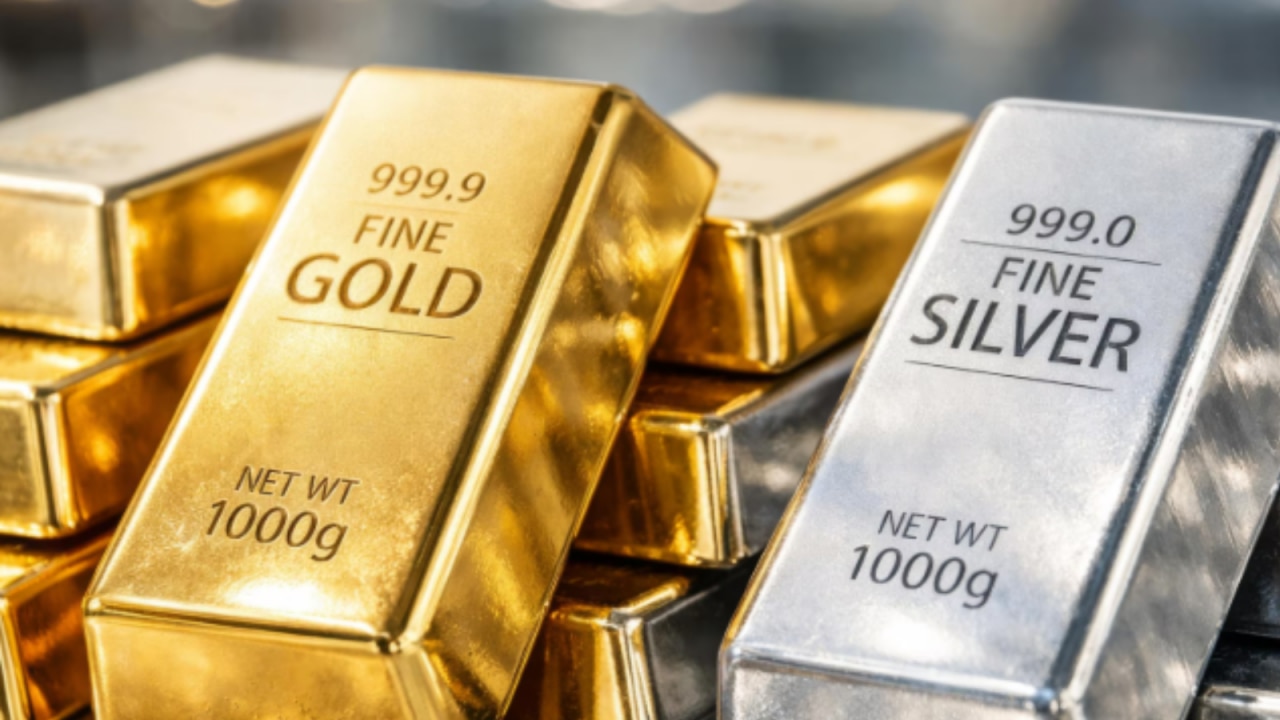
The current price trends underscore the intrinsic value of these commodities as both safe-haven assets and essential components of India’s social fabric. Understanding the factors that drive these fluctuations is crucial for anyone engaging with this dynamic market.
The Main Facts: Current Precious Metal Prices on September 28, 2026
As of Monday, September 28, 2026, the Indian bullion market displayed specific rates for both gold and silver, influenced by a confluence of international and domestic factors. Investors and consumers woke up to figures that reflected a slight upward momentum in gold, driven by global demand and inflationary concerns, while silver maintained its steady appeal, particularly for industrial applications.
)
Gold Prices:
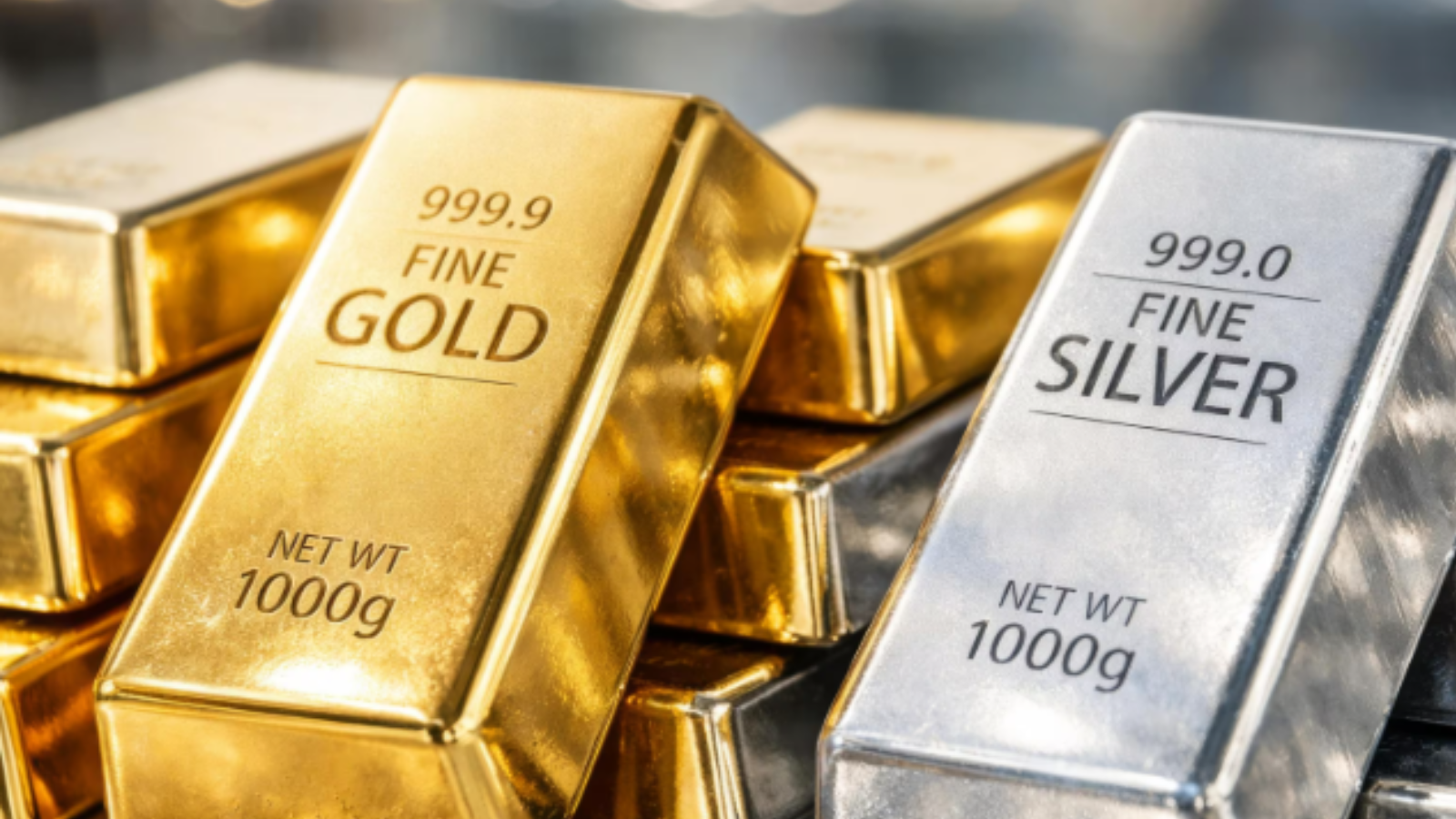
The price of 24K gold (999 purity), considered the benchmark for investment-grade gold, registered Rs 15,267 per gram. For those looking at jewellery, 22K gold (91.67% pure, often alloyed for durability), was priced at Rs 13,994 per gram. This difference in purity is significant, with 24K gold being preferred for financial investment vehicles like gold bars and coins, and 22K being the standard for intricate jewellery designs.
City-Wise Gold Rates (per gram):
The regional variations, though often marginal, reflect local taxes, transportation costs, and specific market dynamics.

- Delhi: 24K gold at Rs 15,282; 22K gold at Rs 14,009.
- Mumbai: 24K gold at Rs 15,267; 22K gold at Rs 13,994.
- Kolkata: 24K gold at Rs 15,267; 22K gold at Rs 13,994.
- Chennai: 24K gold at Rs 15,272; 22K gold at Rs 13,999.
Silver Prices:
Silver, often referred to as "poor man’s gold" but with significant industrial utility, also saw its prices set for the day. The rate for 999 pure silver stood at Rs 2,44,900 per kilogram, while Silver 925 (sterling silver), commonly used in ornaments and tableware, was valued at Rs 2,44,000 per kilogram. The difference in price between 999 pure silver and 925 sterling silver reflects the alloy content, similar to gold.
City-Wise Silver Rates (per 10 grams):
)
- Delhi: Silver 999 at Rs 2,449.
- Mumbai: Silver 999 at Rs 2,449.
- Kolkata: Silver 999 at Rs 2,449.
- Chennai: Silver 999 at Rs 2,499.
These prices, sourced from reputable financial tracking platforms, provide a snapshot of the market’s pulse on this particular day, influencing everything from individual savings decisions to the strategic planning of major jewellery retailers.
Chronology: Tracing the Path to September 28, 2026
The current gold and silver prices are not isolated figures but are the culmination of trends and events that have unfolded over preceding weeks, months, and even years. The period leading up to September 2026 has been characterized by significant global economic recalibrations, geopolitical shifts, and evolving monetary policies, all of which have left an indelible mark on precious metal valuations.
)
A Retrospective on 2025-2026:
The latter half of 2025 saw a noticeable surge in gold prices, largely driven by persistent global inflationary concerns following a period of extensive quantitative easing by major central banks. As economies grappled with supply chain disruptions, elevated energy costs, and robust consumer demand, gold reasserted its role as a hedge against inflation. This upward trajectory continued into early 2026, with investors seeking refuge from equity market volatility and geopolitical uncertainties, including simmering tensions in Eastern Europe and trade disputes between major global powers.
Silver, while also benefiting from the safe-haven demand, experienced additional impetus from its burgeoning industrial applications. The accelerating transition to green energy technologies, including solar panels and electric vehicles, significantly boosted industrial demand for silver, pushing its prices higher in tandem with gold.
)
Mid-2026 Market Dynamics:
By mid-2026, the initial frenetic pace of price appreciation for both metals had somewhat moderated. Central banks, particularly the US Federal Reserve and the European Central Bank, had by then largely concluded their tightening cycles, leading to a period of consolidation. The US Dollar, after an initial period of strength, began to show signs of softening as other economies demonstrated resilience, making dollar-denominated gold more attractive to international buyers.
However, underlying anxieties regarding a potential global economic slowdown in late 2026, coupled with ongoing sovereign debt concerns in several developing nations, kept a floor under precious metal prices. Indian demand, traditionally strong, had seen a seasonal dip during the monsoon months but was already beginning to pick up in anticipation of the festive season, providing a crucial domestic anchor for prices.
)
The Immediate Lead-Up to September 28:
In the weeks immediately preceding September 28, gold witnessed a slight resurgence. This was attributed to fresh concerns over global economic data, which hinted at slower-than-expected growth in key markets, reigniting safe-haven buying. Additionally, the rupee’s slight depreciation against the US dollar in late September made gold imports marginally more expensive, translating into higher local prices. Silver, too, mirrored this upward movement, with renewed interest from industrial sectors preparing for year-end production cycles. The current prices, therefore, represent a market reacting to these immediate catalysts while still reflecting the broader trends of the past year.
Supporting Data: Unpacking the Influencing Factors
The price of gold and silver in India is a complex equation, influenced by a multitude of global and local variables. Understanding these factors provides deeper insight into the day’s prices and helps in anticipating future movements.
)
1. Global Market Trends:
- Geopolitical Stability: Persistent geopolitical tensions, whether economic or military, invariably drive investors towards safe-haven assets like gold. In 2026, ongoing international disputes and regional conflicts continue to fuel this demand.
- Global Economic Outlook: Fears of a recession or significant economic slowdown in major economies (like the US, China, or the Eurozone) push investors towards gold. Conversely, strong economic growth might divert funds to riskier, higher-yielding assets, potentially dampening gold’s appeal. The current slight increase in gold prices suggests lingering economic uncertainties.
- Interest Rates and Monetary Policy: The stance of major central banks, particularly the US Federal Reserve, is paramount. Higher interest rates typically make non-yielding assets like gold less attractive compared to bonds. However, if rate hikes are perceived as insufficient to curb inflation, gold’s appeal as an inflation hedge can intensify. By September 2026, with many central banks having largely completed their tightening cycles, the market is now more sensitive to future guidance and potential pivots.
- Inflationary Pressures: Gold is a classic hedge against inflation. If inflation remains elevated globally, as suggested by today’s price movements, investor demand for gold will likely persist.
- US Dollar Strength: Gold is denominated in US dollars globally. A weaker dollar makes gold cheaper for holders of other currencies, thereby increasing demand and pushing up prices. The rupee’s recent depreciation against the dollar has contributed to higher local gold prices.
2. Local Demand Dynamics:
)
- Cultural Significance: In India, gold is not just an investment; it’s deeply interwoven with cultural traditions, religious ceremonies, and social status. Festivals like Diwali, Akshaya Tritiya, and the wedding season are periods of immense gold buying, creating significant seasonal demand. As September transitions into October, the anticipation of the festive season begins to impact market sentiment.
- Investment Demand: Beyond cultural consumption, a growing segment of Indian investors views gold and silver as essential components of their investment portfolio for diversification and wealth preservation. This includes physical gold (bars, coins), gold ETFs, and the government-backed Sovereign Gold Bonds (SGBs).
- Industrial Demand (for Silver): Silver has extensive industrial applications, particularly in electronics, solar panels, and medical devices. Global industrial growth and technological advancements directly impact silver demand and, consequently, its price. India’s growing manufacturing sector also contributes to this domestic industrial demand.
3. Currency Exchange Rates (USD-INR):
The exchange rate between the Indian Rupee (INR) and the US Dollar (USD) is a critical determinant of local precious metal prices. Since gold is primarily imported into India and priced in dollars, a depreciation of the rupee against the dollar makes gold more expensive for Indian buyers, even if the international dollar price remains stable. Conversely, a stronger rupee can make imports cheaper. The slight depreciation of the rupee in recent times has been a contributing factor to the upward movement in domestic gold prices.
4. Government Policies and Taxation:
Indian government policies, including import duties on gold and silver, Goods and Services Tax (GST) on bullion and jewellery, and regulations concerning gold monetization schemes, significantly influence local market dynamics. Changes in these policies can directly impact prices and consumer behavior. For instance, any increase in import duty could instantly make gold more expensive.
)
Official Responses and Expert Analysis
While "official responses" in the context of commodity prices typically refer to central bank statements or government policy changes, here it encompasses the insights and commentary from leading market analysts, economists, and industry bodies. Their perspectives are crucial for understanding the undercurrents driving the bullion market.
Market Analyst Consensus:
"The current uptick in gold prices reflects a market grappling with persistent inflation worries and a cautious global economic outlook," states Dr. Ananya Sharma, a Senior Bullion Analyst at Global Wealth Management. "Despite major central banks pausing their rate hikes, the underlying inflationary pressures from supply chain issues and robust wage growth are keeping gold attractive as a hedge. Investors are increasingly diversifying into gold, not just as a safe haven, but as a strategic asset in a volatile macro environment."
)
Regarding silver, experts highlight its dual nature. "Silver’s performance is a fascinating blend of safe-haven demand and industrial utility," explains Mr. Rajesh Kumar, Head of Commodity Research at InvestX India. "The global push towards renewable energy, particularly solar power, continues to fuel significant industrial demand for silver. Any slowdown in global manufacturing could cap its upside, but current trends suggest robust long-term demand from the green technology sector."
Industry Perspectives:
Representatives from the Indian jewellery industry often provide valuable insights into local demand. "We are seeing early signs of renewed consumer interest as we approach the festive season," notes Mr. Vijay Soni, President of the All India Jewellers Association. "While prices are elevated, the cultural significance of gold in India means that demand remains resilient, especially for weddings and key festivals. Consumers are adapting by adjusting the weight or purity of their purchases, but the underlying sentiment for gold ownership is unwavering."
)
Central Bank Influence:
Although not directly commenting on daily prices, the Reserve Bank of India’s (RBI) monetary policy decisions and its stance on the rupee’s exchange rate indirectly influence bullion prices. A weaker rupee, often a result of RBI’s monetary policy or global capital flows, makes imported gold more expensive. Globally, central bank gold purchases also play a significant role. Several central banks have been net buyers of gold in recent years, viewing it as a strategic reserve asset, further supporting global prices.
Implications: What These Prices Mean
The daily fluctuations in gold and silver prices have far-reaching implications across various segments of the Indian economy and society.
)
1. For Investors:
- Safe-Haven Appeal: The current prices reinforce gold’s role as a safe-haven asset, particularly for those seeking to protect wealth against inflation and market volatility. Investors may consider increasing their allocation to gold ETFs, digital gold, or Sovereign Gold Bonds.
- Diversification: For a well-rounded portfolio, gold and silver continue to offer diversification benefits, acting as a counterbalance to equity and bond market fluctuations.
- Long-Term vs. Short-Term: While short-term traders might look for daily price swings, long-term investors often focus on gold’s ability to preserve purchasing power over extended periods, making current levels potentially attractive for accumulation.
2. For Consumers:
)
- Purchasing Decisions: High prices can lead consumers to postpone non-essential gold purchases or opt for lighter jewellery. However, for significant life events like weddings, gold purchases are often unavoidable, leading families to adjust budgets or opt for alternative financial arrangements.
- Cultural Significance: Despite price volatility, the cultural and emotional value of gold in India ensures a baseline demand. Consumers may choose 22K gold for jewellery due to its affordability compared to 24K, while still satisfying traditional requirements.
- Silver’s Accessibility: Silver, being more affordable, remains a popular choice for gifts, religious offerings, and daily wear ornaments, especially in regions where silver traditions are stronger.
3. For the Jewellery Industry:
- Input Costs: Elevated gold and silver prices directly impact the cost of raw materials for jewellery manufacturers and retailers. This can squeeze profit margins if not effectively managed through hedging strategies or by passing on costs to consumers.
- Design and Innovation: The industry may innovate with lighter designs, intricate craftsmanship using less metal, or promote diamond and gemstone-studded jewellery to mitigate the impact of high gold prices.
- Retail Strategy: Retailers might focus on promoting exchange offers, transparent pricing, and robust customer service to maintain sales volumes in a high-price environment.
4. Economic Impact:
)
- Current Account Deficit: India is a major importer of gold. High international gold prices coupled with a depreciating rupee and strong domestic demand can lead to increased gold imports, potentially widening the country’s current account deficit.
- Inflationary Pressures: While gold acts as an inflation hedge for individuals, its rising price can also reflect broader inflationary trends within the economy.
- Forex Reserves: The RBI’s management of forex reserves is influenced by gold imports and exports.
Outlook: Navigating the Future of Precious Metals
Looking ahead, the trajectory of gold and silver prices in India will continue to be shaped by a dynamic interplay of global macroeconomic trends, geopolitical developments, and India’s unique demand characteristics.
Short-Term Forecast:
In the immediate future, the market is likely to remain sensitive to global economic data, particularly inflation reports and central bank commentary. Any signs of persistent inflation or increased geopolitical instability could provide further tailwinds for gold and silver. Conversely, stronger-than-expected economic growth or a significant strengthening of the US dollar could introduce downward pressure. The upcoming festive season in India is expected to provide a strong domestic demand floor, preventing any drastic short-term declines.
)
Long-Term Projections:
Over the longer term, several structural factors suggest continued relevance for precious metals:
- Inflationary Environment: Many economists predict that the world might be entering a new era of higher baseline inflation compared to the pre-2020 period, making gold a crucial asset for wealth preservation.
- Emerging Market Growth: The rising disposable incomes in emerging economies, particularly India and China, will likely sustain robust demand for gold as both an investment and a cultural asset.
- Technological Demand for Silver: The global transition to sustainable energy, especially solar power and electric vehicles, guarantees a sustained and growing industrial demand for silver.
- Geopolitical Volatility: A multipolar world with shifting power dynamics could lead to continued geopolitical uncertainties, reinforcing gold’s role as a safe haven.
Investors are advised to maintain a diversified approach and stay informed about global economic indicators, central bank policies, and local market sentiments. For consumers, timing purchases strategically around price dips and factoring in the cultural significance will remain key. The bullion market on September 28, 2026, thus stands as a testament to the enduring allure and complex dynamics of gold and silver in the Indian context, a narrative that will continue to unfold with each passing day.
